Chartreuse de Champmol, Dijon Travel Guide
Free Guide: Discover the artistic legacy of the Chartreuse de Champmol in Dijon, a former monastery and burial site of the Dukes of Burgundy.


A brief summary of Chartreuse de Champmol
Discover the artistic legacy of the Chartreuse de Champmol in Dijon, a former monastery and burial site of the Dukes of Burgundy.
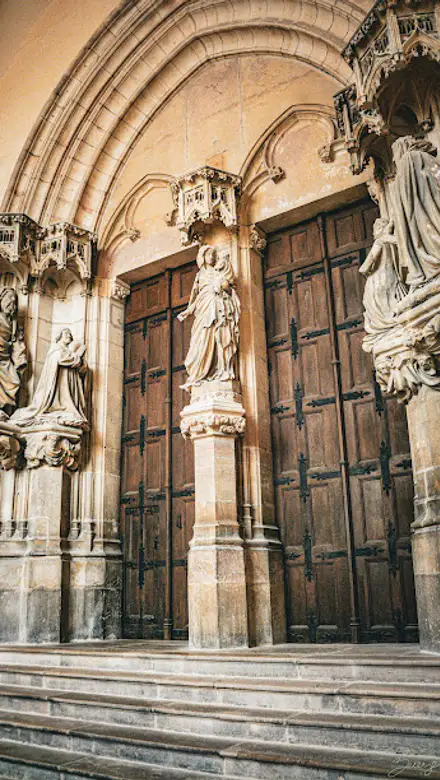
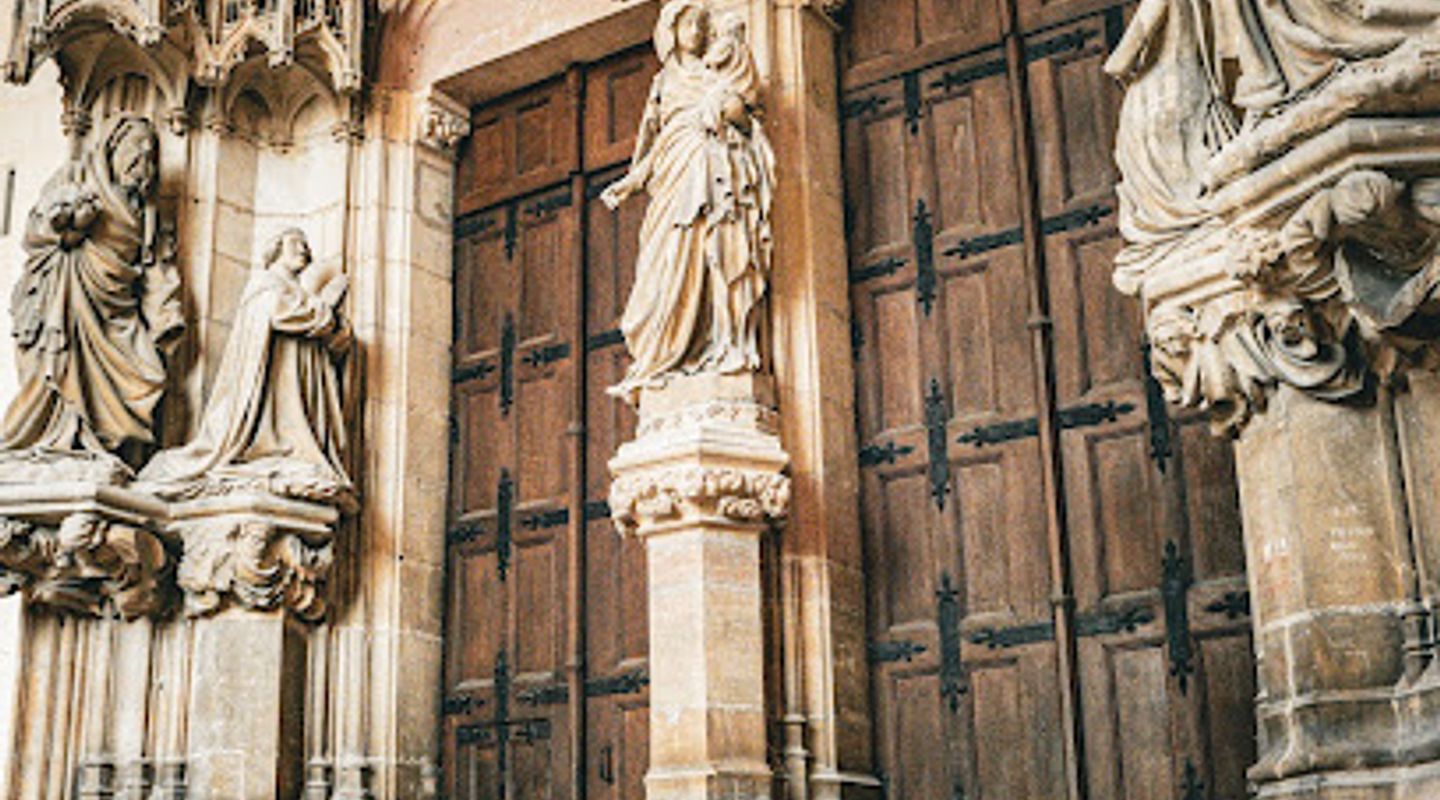
The Chartreuse de Champmol, once a Carthusian monastery founded in 1383 by Philip the Bold, Duke of Burgundy, served as a dynastic burial site and a center for artistic innovation. Although largely dismantled during the French Revolution, the site retains significant sculptures, including the famed Well of Moses and the church portal, showcasing the artistic brilliance of the Burgundian-Flemish style. Today, the grounds house a psychiatric hospital, offering a unique blend of historical and contemporary functions.
Opening hours
- Every day9:30 am–5:30 pm
Opening hours as listed on the venue’s Google Business Profile. Hours can change for services and special events, so check with the venue before you go.
- Address
- Centre Hospitalier La Chartreuse, 1, boulevard du Chanoine Kir, 21000 Dijon
- Phone
- Website
Getting there
Public Transport
Walking
Taxi/Ride-share
Discover more about Chartreuse de Champmol
Overview
Founded in the late 14th century by Philip the Bold, the Chartreuse de Champmol was intended to be a grand necropolis for the Valois Dukes of Burgundy, rivaling the French kings' burial site at Saint-Denis. The monastery quickly evolved into a hub of artistic excellence, attracting talented artists who contributed to its lavish decoration with paintings, sculptures, and tapestries.Construction began in 1383, with the first stone laid by Duchess Margaret, and the church was consecrated in 1388. The monastery comprised individual hermitages for monks, surrounding the main cloister. Philip the Bold's vision was brought to life by architect Drouet de Dammartin and later enhanced by the renowned sculptor Claus Sluter.During the French Revolution, the monastery was largely dismantled, with the church and many buildings destroyed. However, some significant works survived, including the church portal with sculptures of Philip the Bold and his wife, Margaret of Flanders, as well as the Well of Moses. The Well of Moses, originally located in the grand cloister, features impressive statues of Moses and other Old Testament prophets.In 1833, the estate was repurposed as a psychiatric hospital, a function it continues to serve today. Visitors can still explore the grounds and admire the surviving sculptures, offering a glimpse into the artistic and historical significance of this once-grand monastery. The site stands as a testament to the artistic achievements of the Burgundian era, blending history, art, and modern-day function.
Evendo Review Centre
 Google
Guest reviews
Explore Chartreuse de Champmol on the map
A handpicked selection of must-see spots near Chartreuse de Champmol, mapped for you.
Get your free copy of our complete guide to Chartreuse de Champmol, delivered straight to you.
Everything on this page, from opening hours and how to get there to Eve’s tips and the best time to go, in one PDF you can read offline, print or share.
Already have an account? Sign in
Your Chartreuse de Champmol guide is ready.
We'll send it to · Not you? Sign out

Getting your guide ready…
We are putting together a fresh copy of the Chartreuse de Champmol guide. This can take up to a minute.
This can take a few moments. If your browser asks, choose Allow so the download can start. You'll find the guide in your Downloads folder.
Nothing happened? Download it again
Sorry, the guide is taking longer than usual. Please try again in a minute, or get it by email instead.
Unlock the best of Chartreuse de Champmol
Skip-the-line tickets, guided tours with entry, and walking tours of the area, booked in a few clicks.

Other nearby places you may find interesting
The closest places of the same kind, if this one is not quite what you had in mind.
-
-
-

-
-


Swipe for more places
More to explore near Chartreuse de Champmol

 Best experiences near Chartreuse de Champmol
 Best hotels near Chartreuse de Champmol
 Best landmarks near Chartreuse de Champmol
 Best attractions near Chartreuse de Champmol
 Best shops near Chartreuse de Champmol
 Best restaurants near Chartreuse de Champmol
 Best bars near Chartreuse de Champmol
Do you manage this location?
Take control to get all the benefits, like improved information, better appearance, and stronger visibility across AI-powered discovery.
Explore more

Explore more of Dijon
Discover Dijon, a charming city in the heart of Burgundy, where history, culture, and gastronomy create an unforgettable experience for every visitor.
Explore Dijon
Explore more of France
Explore France: A land of romance, history, and unparalleled beauty, from the iconic streets of Paris to the serene landscapes of Provence and the luxury of the French Riviera.
Explore France