Well of Moses, Dijon Travel Guide
Discover a 14th-century masterpiece in Dijon: the Well of Moses, a monumental sculpture with intricate details and profound symbolism.
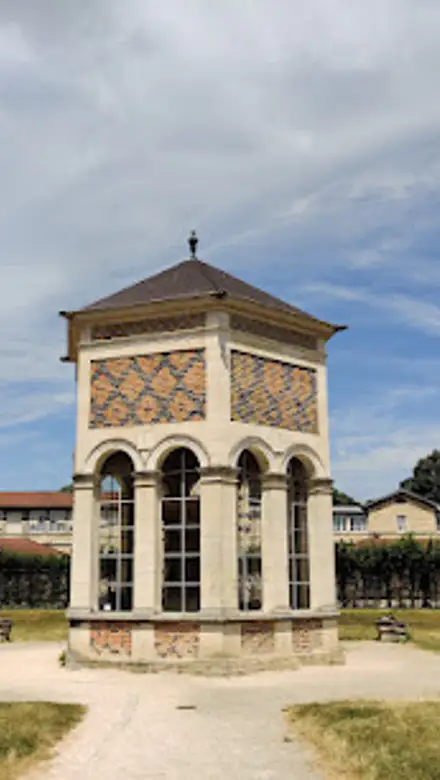
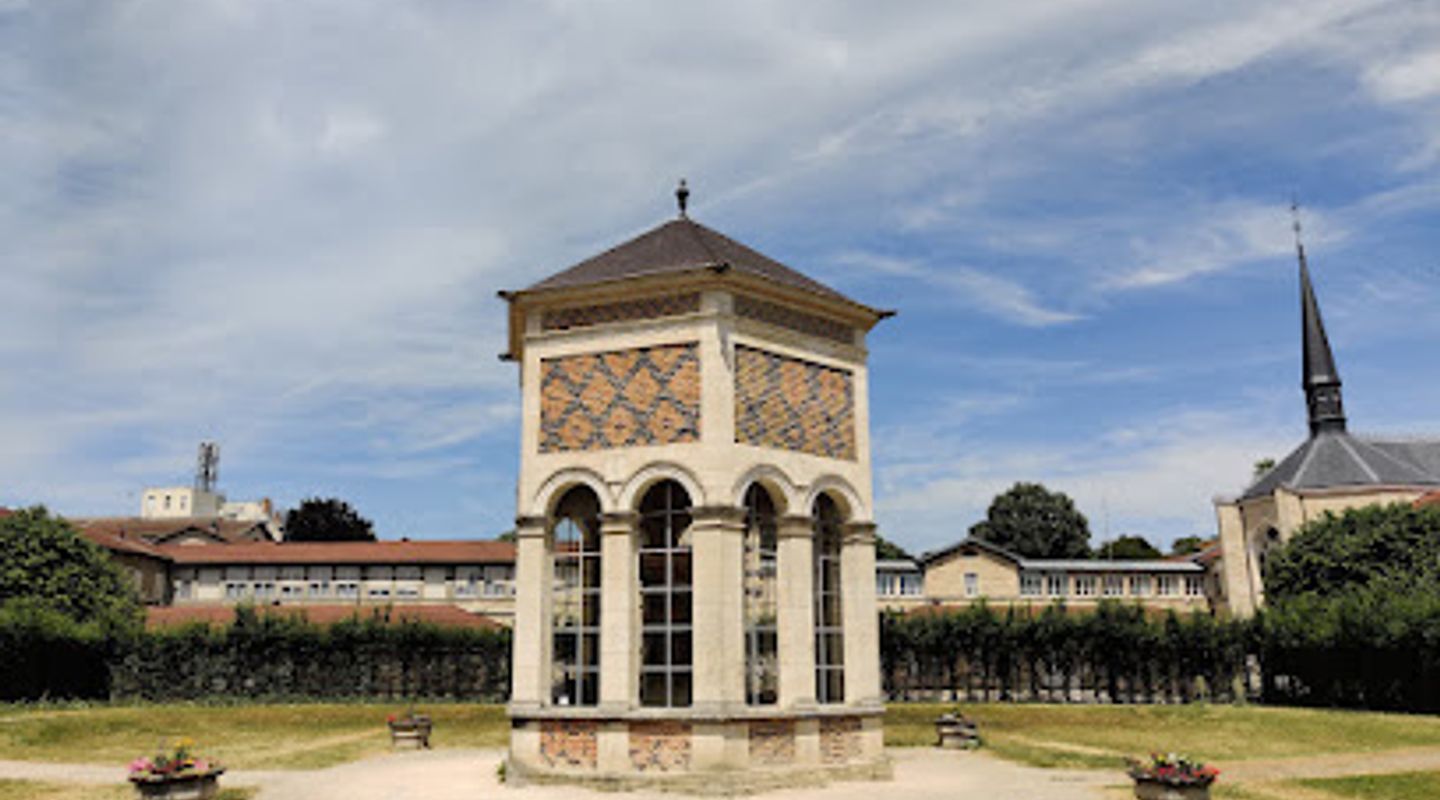
The Well of Moses (Puits de Moïse) in Dijon is a celebrated monumental sculpture by Dutch artist Claus Sluter, created between 1395 and 1405. Commissioned by Philip the Bold, Duke of Burgundy, it originally served as a centerpiece for the Chartreuse de Champmol, a Carthusian monastery and dynastic burial site. Today, the hexagonal base adorned with sculptures of prophets and angels remains, offering a glimpse into the rich artistic heritage of Burgundy.
A brief summary to Well of Moses
- 1 Bd Chanoine Kir, Dijon, 21000, FR
- Click to display
- Click to display
- Monday 9:30 am-5:30 pm
- Tuesday 9:30 am-5:30 pm
- Wednesday 9:30 am-5:30 pm
- Thursday 9:30 am-5:30 pm
- Friday 9:30 am-5:30 pm
- Saturday 9:30 am-5:30 pm
- Sunday 9:30 am-5:30 pm

Know before you go
Hi, I'm Eve. Here are a few practical things to know before exploring Well of Moses.
- Visit during weekdays to avoid larger crowds and enjoy a more peaceful experience.
- Check for guided tours available at the site for a deeper understanding of its history.
- Combine your visit with a trip to the Musée Archéologique to see fragments of the original Calvary.
Do you manage this location?
Take control to get all the benefits, like improved information, better appearance, and stronger visibility across AI-powered discovery. Learn more about listing your business on Evendo
Activate your presenceOther nearby places you may find interesting
The closest places of the same kind, if this one is not quite what you had in mind.

Explore Well of Moses on the Map
A handpicked selection of must-see spots near Well of Moses, mapped for you.
Getting There
-
Public Transport
From Dijon city center, the Well of Moses is accessible by tram and a short walk. Take tram line T1 or T2 from any central tram stop to the 'Gare' stop. From there, walk south on Boulevard de la Gare, then turn right onto Boulevard Chanoine Kir. The Well of Moses will be on your right, approximately a 10-minute walk from the tram stop. A single tram fare is approximately €1.60.
-
Taxi/Ride-Share
A taxi or ride-share from the Dijon city center to the Well of Moses is a quick and convenient option. The ride typically takes around 5-10 minutes, depending on traffic. Expect to pay between €6 and €8 for the trip.
-
Driving
If driving, start from the center of Dijon. Head southeast on Rue de la Liberté toward Rue de la Préfecture. Continue onto Boulevard de la Trémouille, then take a slight left onto Boulevard Chanoine Kir. The Well of Moses is located at 1 Boulevard Chanoine Kir, 21000 Dijon. There is usually street parking available nearby. Parking is chargeable from Monday to Saturday, 9 a.m. to 12:30 p.m. and 2 p.m. to 7 p.m. and free on Sundays and holidays. Parking fees vary depending on the zone and duration, but expect to pay around €2-3 per hour.
Discover more about Well of Moses













Your all‑in‑one travel companion app
Explore expert travel guides, compare and book tours, experiences, hotels, and more—all from the palm of your hand. Download now for seamless trip planning wherever your wanderlust takes you.


Explore More of Dijon
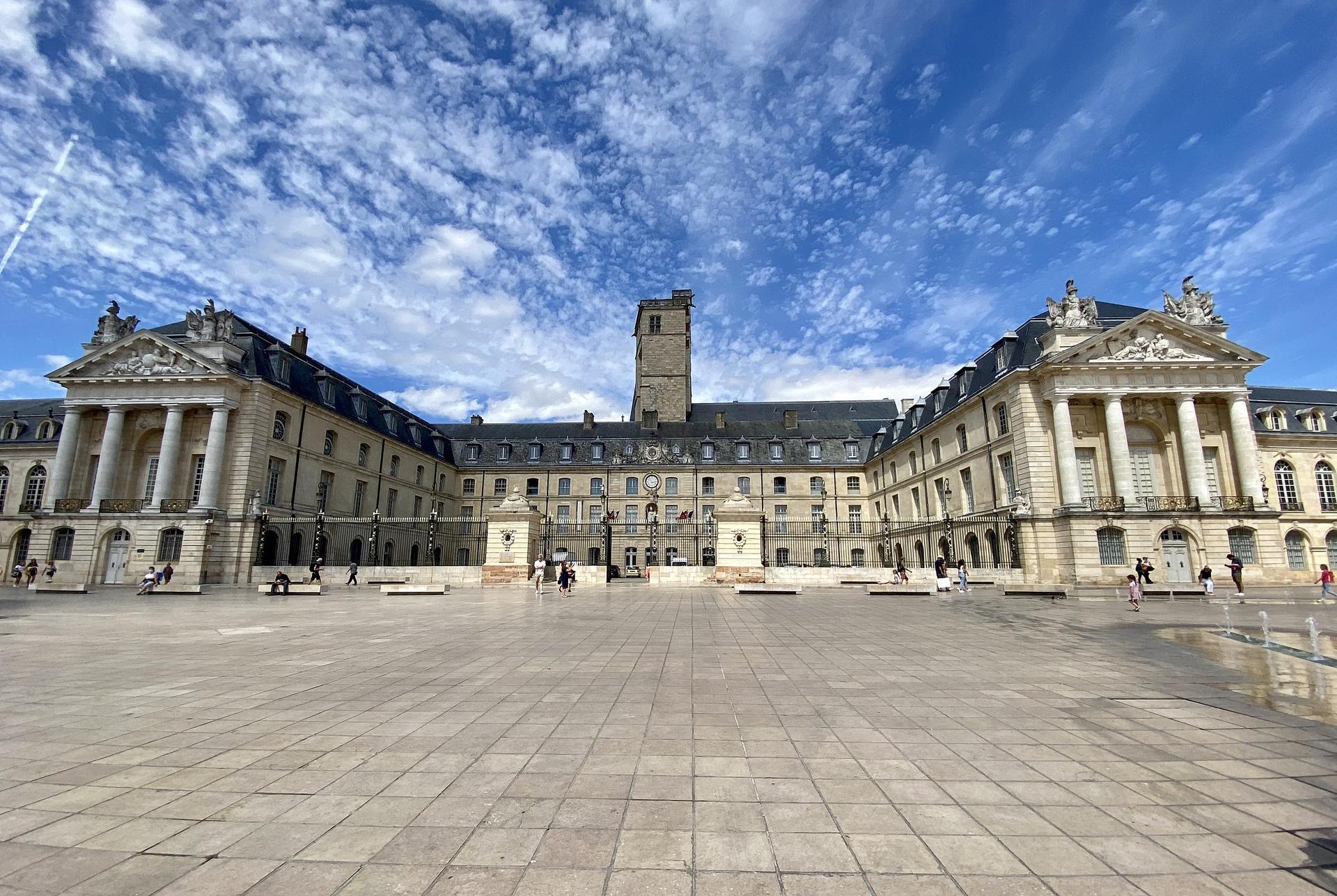
Looking beyond Well of Moses? Discover Dijon for broader travel guides, local hot-spots, and regional highlights.
Explore Dijon
Experience fine French dining in a historic 18th-century setting at The Garden of the Bells, Dijon. Exquisite cuisine and elegant ambiance await.
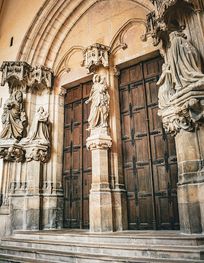
Discover the artistic legacy of the Chartreuse de Champmol in Dijon, a former monastery and burial site of the Dukes of Burgundy.