William Gate, Dijon Travel Guide
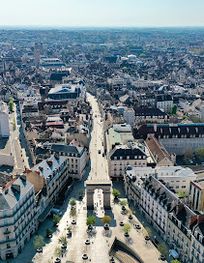
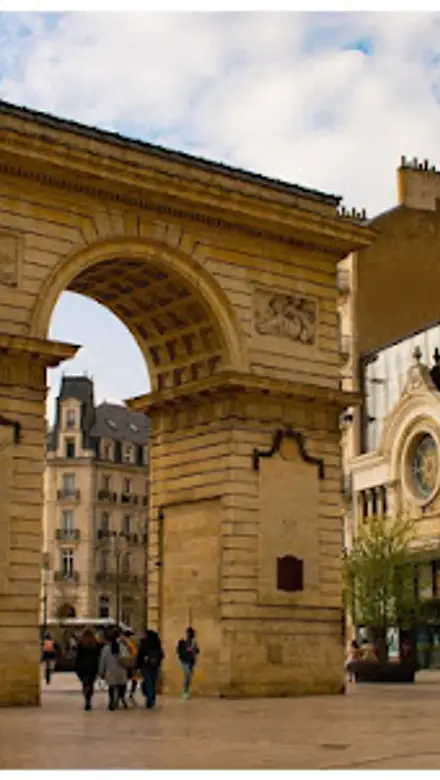
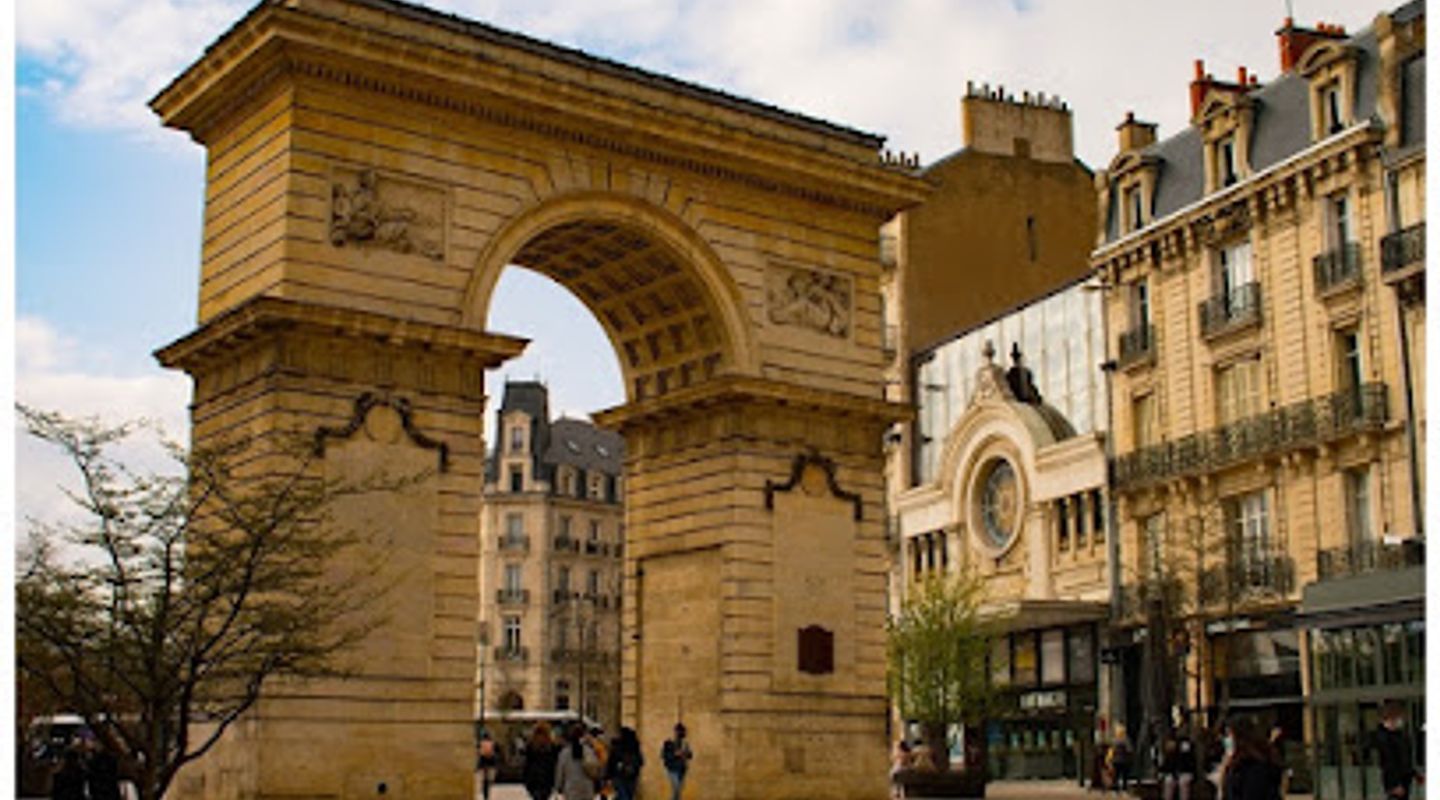
Discover Dijon's iconic 18th-century triumphal arch, Porte Guillaume, a neoclassical masterpiece and a gateway to the city's historic heart.
The Porte Guillaume, often called Dijon's triumphal arch, is an 18th-century monument built on the site of a former medieval gate. Honoring Guillaume de Volpiano, it showcases neoclassical architecture with intricate carvings and sculptures. Located in Place Darcy, it serves as a gateway to Dijon's historic center and a reminder of the city's rich past.
A brief summary to William Gate
- 13 Pl. Darcy, Dijon, 21000, FR
- Click to display
- Click to display

Know before you go
Hi, I'm Eve. Here are a few practical things to know before exploring William Gate.
- Visit during the day to fully appreciate the architectural details and intricate carvings of the gate under natural light.
- Explore Place Darcy, the lively square surrounding the gate, filled with cafes, shops, and gardens.
- Take a leisurely stroll along Rue de la Liberté, a main street leading from the gate, to explore Dijon's city center.
- Combine your visit with nearby attractions such as the Ducal Palace and the Musée des Beaux-Arts to experience Dijon's rich culture.
Do you manage this location?
Take control to get all the benefits, like improved information, better appearance, and stronger visibility across AI-powered discovery. Learn more about listing your business on Evendo
Activate your presenceOther nearby places you may find interesting
The closest places of the same kind, if this one is not quite what you had in mind.

Explore William Gate on the Map
A handpicked selection of must-see spots near William Gate, mapped for you.
Unlock the Best of William Gate
Buy tickets
-
No tickets available
Book tours with entry


Getting There
-
Walking
From Dijon City Center (e.g., Place de la Libération), walk towards Rue de la Liberté, a main street with shops and cafes. Continue straight until you reach Place Darcy. The Porte Guillaume is located at the end of the street in Place Darcy. The walk is approximately 15 minutes.
-
Public Transport
If arriving by train at Dijon Train Station (Gare SNCF), take tram line T1 towards 'Quetigny Centre'. Get off at the 'Darcy' stop. Upon exiting the tram, you will find yourself in Place Darcy, where the Porte Guillaume is located. A single tram ticket costs €1.40 and is valid for 1 hour. Alternatively, a 24-hour pass costs €4.20.
Discover more about William Gate













Your all‑in‑one travel companion app
Explore expert travel guides, compare and book tours, experiences, hotels, and more—all from the palm of your hand. Download now for seamless trip planning wherever your wanderlust takes you.


Explore More of Dijon

Looking beyond William Gate? Discover Dijon for broader travel guides, local hot-spots, and regional highlights.
Explore Dijon