Château de Fontainebleau: A Royal Residence Through the Ages
Explore the Château de Fontainebleau, a UNESCO site with 700 years of royal history, art, and architecture, from medieval origins to Napoleon's era.
The Château de Fontainebleau, a UNESCO World Heritage site, is a royal palace with a rich history dating back to the 12th century. It served as a residence for French monarchs from Louis IX to Napoleon III, each leaving their mark on its architecture and interiors. The palace showcases a blend of medieval, Renaissance, and classical styles, surrounded by vast gardens and the Forest of Fontainebleau.
A brief summary to Château de Fontainebleau
- Fontainebleau, 77300, FR
- +33160715070
- Visit website
Local tips
- Purchase tickets online in advance to avoid potential lines, especially during peak season.
- Visit on the first Sunday of the month (excluding July and August) for free admission.
- Allow ample time to explore the vast gardens and grounds surrounding the château.
- Consider renting a video guide for a more in-depth understanding of the château's history and art.
- Wear comfortable shoes, as you'll be doing a lot of walking on cobblestone surfaces and through large rooms.

Getting There
-
Train & Bus
From Paris, take the train from Gare de Lyon towards Montargis, Montereau, or Laroche-Migennes and disembark at Fontainebleau-Avon station. The train journey is approximately 40 minutes. From Fontainebleau-Avon station, take bus line 1 towards Les Lilas to the 'Château' stop. The bus ride is short. Alternatively, you can walk from the station to the château through the Parc de Fontainebleau, which is approximately 3 kilometers (1.75 miles) and takes around 35 minutes. A single bus ticket costs €1.90. Train tickets vary depending on your departure point in Paris.
-
Car
From Paris, take the A6 highway (Porte d'Orléans or Porte d'Italie) and follow the signs for Fontainebleau. Once in Fontainebleau, follow the signs for the 'château'. Several parking options are available near the château, including Parking Château on Rue de Ferrare. Parking fees at Parking Château are approximately €2.20 per hour. Group parking for buses is located on Boulevard Magenta, near the main gate (Place du Général de Gaulle).
Discover more about Château de Fontainebleau
Iconic landmarks you can’t miss

Château de Fontainebleau
0.0 km
Explore the Château de Fontainebleau, a UNESCO site with 700 years of royal history, art, and architecture, from medieval origins to Napoleon's era.

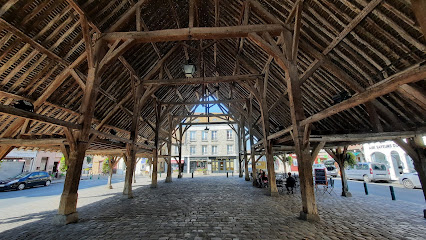
Halle de Milly-la-Forêt
16.9 km
Discover the historic Halle de Milly-la-Forêt, a 15th-century market hall hosting weekly markets and events in the heart of a charming French town.
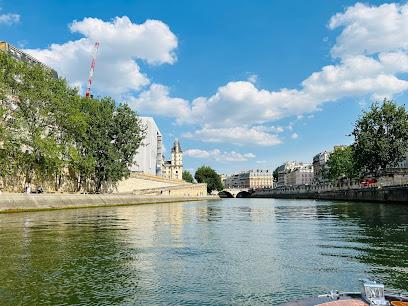
Seine
32.1 km
Explore the Seine River, an iconic symbol of Paris that offers breathtaking views, historic bridges, and a vibrant atmosphere for all tourists.
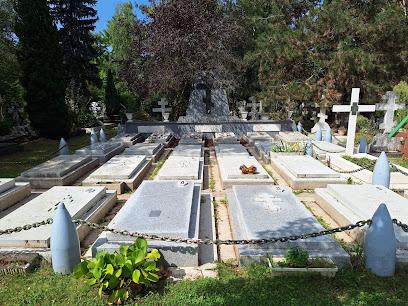
Cimetière de Sainte-Geneviève-des-Bois
36.5 km
Explore the serene Cimetiere de Sainte-Geneviève-des-Bois, a historic cemetery showcasing exquisite architecture and rich cultural heritage, perfect for reflection.
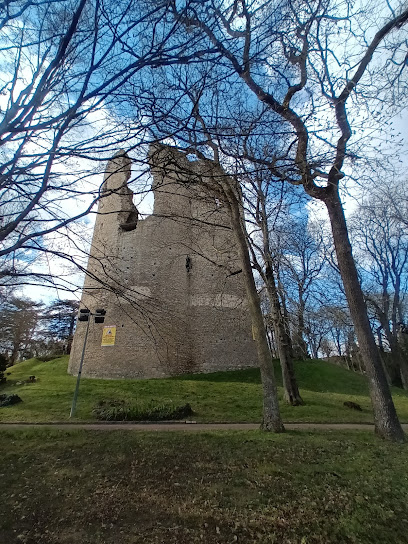
Château d'Étampes
40.1 km
Explore the ruins of Château d'Étampes, a medieval royal castle, and discover the unique Tour de Guinette, a testament to French history.
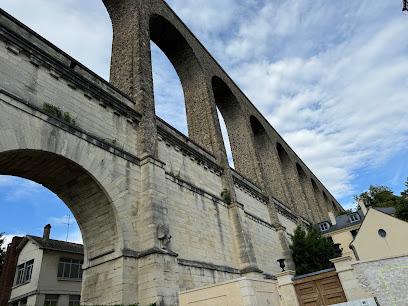
Aqueduc d'Arcueil
46.5 km
Explore centuries of Parisian history and engineering marvels at the Aqueduc d'Arcueil, a vital water source since Roman times.
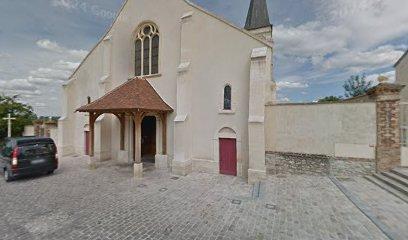
Eglise Saint Sulpice
51.1 km
Explore the serene and historic Eglise Saint Sulpice in Noisy-le-Grand, a beautiful church that embodies the charm of French culture and architecture.
La Cité Florale
53.5 km
Explore the enchanting La Cité Florale in Paris, a hidden gem filled with colorful gardens and charming architecture, perfect for a tranquil escape.
Les Colonnes du Trône
54.3 km
Discover Les Colonnes du Trône, a majestic Parisian landmark steeped in history, adorned with regal statues, and a testament to France's rich heritage.

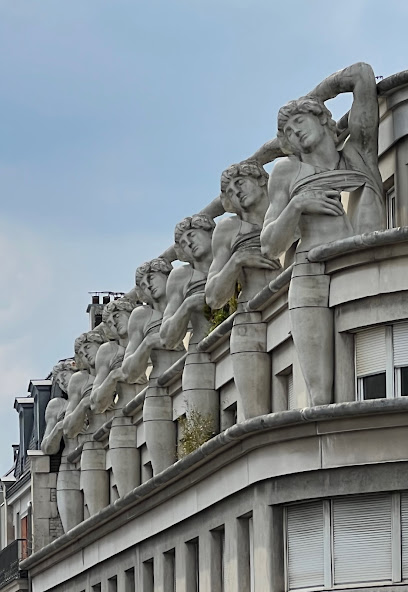
Atlantes
54.5 km
Explore the Atlantes, an iconic historical landmark in Paris, where stunning architecture meets rich cultural heritage.
Rue d'Alésia
54.7 km
Explore Rue d'Alésia, a vibrant street in Paris filled with culture, delightful cuisine, and rich history, perfect for every traveler seeking authentic experiences.
eifel
55.0 km
Explore the iconic Eiffel Tower, a historical landmark offering stunning views and a taste of Parisian culture in the heart of the City of Light.
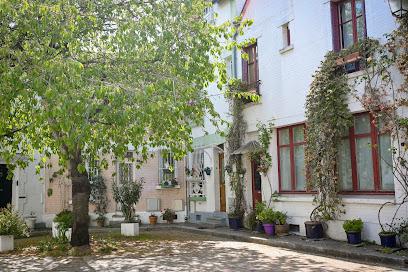
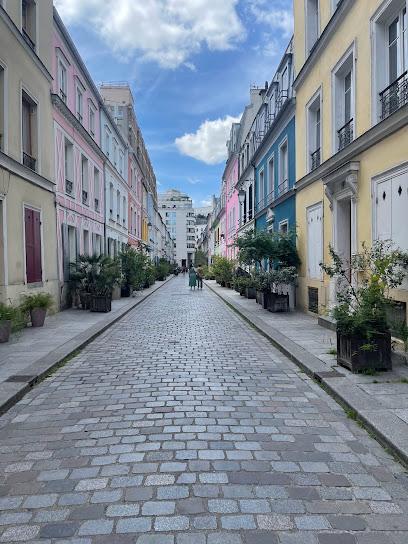
Rue Crémieux
55.0 km
Discover the enchanting Rue Crémieux in Paris, a hidden gem with charming pastel houses and a serene atmosphere perfect for leisurely strolls.
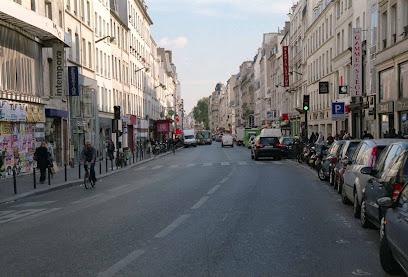
Rue du Faubourg Saint-Antoine
55.0 km
Discover the vibrant craftsmanship and historic charm of Rue du Faubourg Saint-Antoine, a must-visit street in the heart of Paris.
Catacombs of Paris
55.1 km
Explore the haunting beauty of the Catacombs of Paris, where history, art, and the echoes of the past intertwine beneath the bustling city above.
Unmissable attractions to see

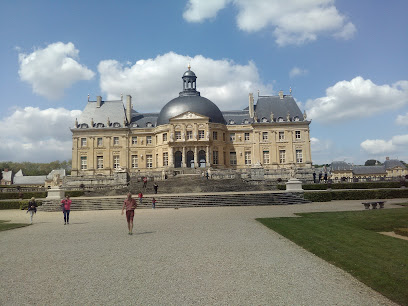
Château de Vaux-le-Vicomte
18.2 km
Explore Château de Vaux-le-Vicomte: A magnificent 17th-century castle with stunning gardens and rich history, perfect for a memorable visit.
Parc naturel régional du Gâtinais français
19.2 km
Discover the enchanting landscapes and rich biodiversity of Parc Naturel Régional du Gâtinais Français, a nature lover's paradise in Île-de-France.
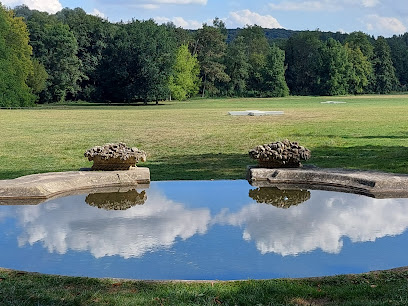
Château de Blandy
19.3 km
Explore the historical charm of Château de Blandy, a captivating medieval castle in France that enchants visitors with its architecture and beautiful gardens.
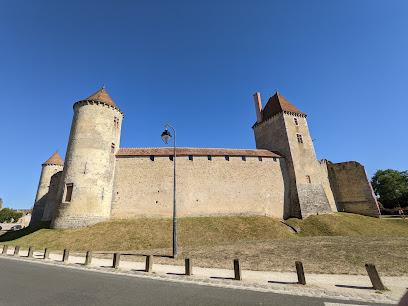
Zoo du Bois d'Attilly
38.4 km
Experience the magic of wildlife at Zoo du Bois d'Attilly, a family-friendly animal park in Férrolles-Attilly, showcasing over 300 species in a beautiful setting.
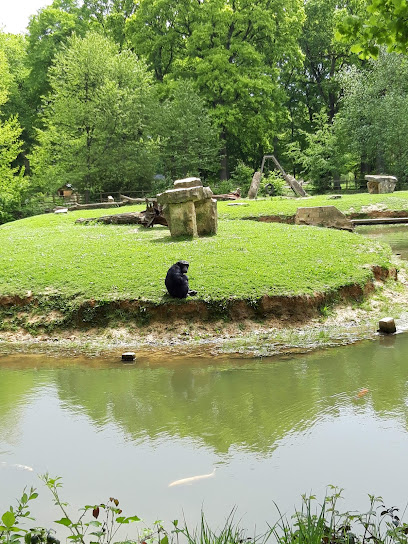
Château de Grosbois
39.2 km
Discover the enchanting Château de Grosbois, a historical castle and museum in Marolles-en-Brie, showcasing France's regal heritage amidst beautiful landscapes.
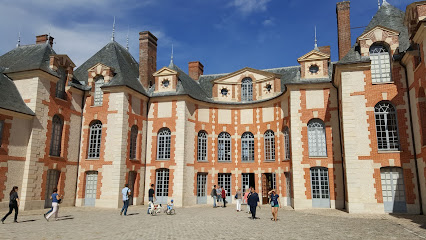
Castle of Sucy-en-Brie
43.1 km
Explore the Castle of Sucy-en-Brie, a historical gem in France offering rich heritage, stunning architecture, and serene gardens for an unforgettable visit.
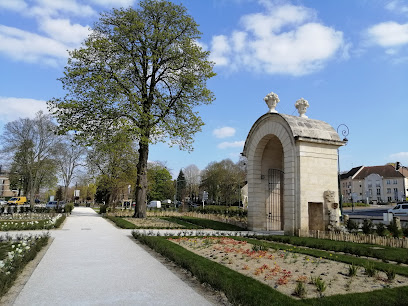
Regional Forest of Ferrières
43.7 km
Explore the serene beauty of the Regional Forest of Ferrières, a national forest perfect for nature lovers, hikers, and those seeking tranquility near Pontcarré.
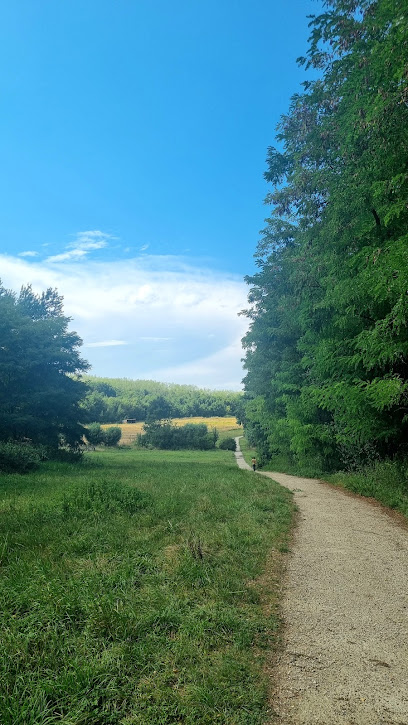
Parc des gondoles
44.8 km
Explore Parc des Gondoles, a serene city park in Choisy-le-Roi, perfect for families and nature lovers seeking relaxation and fun.
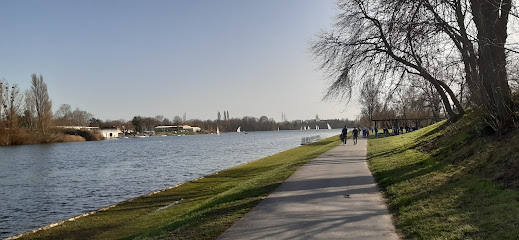
Crazy Park ! Le parc des anniversaires
45.0 km
Explore Crazy Park in Bonneuil-sur-Marne for an exhilarating day filled with adventure sports, indoor fun, and unforgettable family experiences.
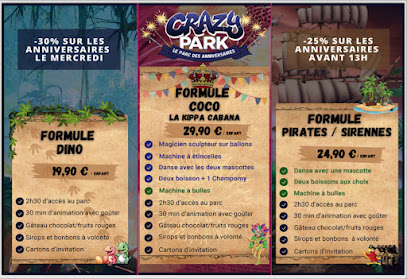
Château de Ferrières
46.5 km
Explore the exquisite Château de Ferrières, a historical castle in Ferrières-en-Brie, blending stunning architecture with enchanting gardens.
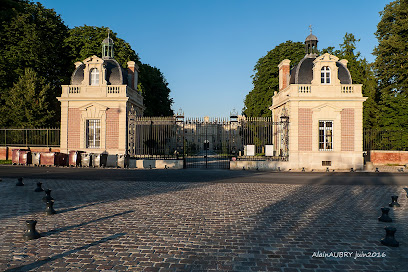
Le moulin de Belle-Assise
47.4 km
Explore the enchanting Le Moulin de Belle-Assise in Jossigny, a perfect blend of nature and history, ideal for a peaceful getaway.
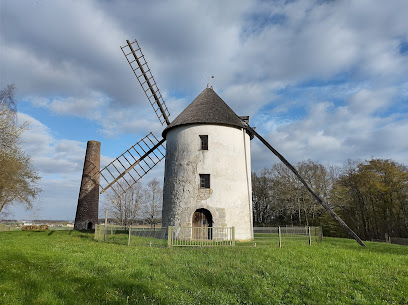
LABYRINTHE NATURE Val d’Europe 77 (Villeneuve Le Comte) - Labyrinthe de maïs
47.4 km
Discover the enchanting Labyrinthe Nature in Val d'Europe, a perfect blend of adventure, nature, and family fun in the heart of France.
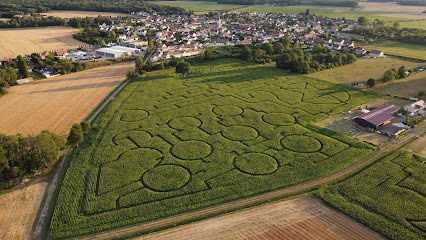
Champigny Plage
47.7 km
Experience the charm of Champigny Plage, a serene riverside retreat perfect for relaxation, picnics, and water activities in Champigny-sur-Marne.
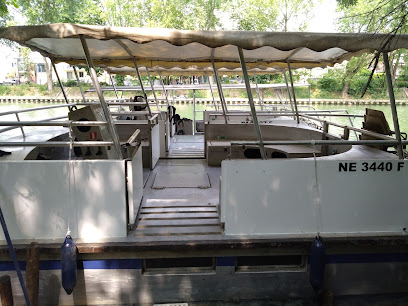
Park Génitoy
48.3 km
Explore the tranquil beauty of Parc Génitoy, a family-friendly park in Bussy-Saint-Georges, perfect for relaxation and outdoor activities.
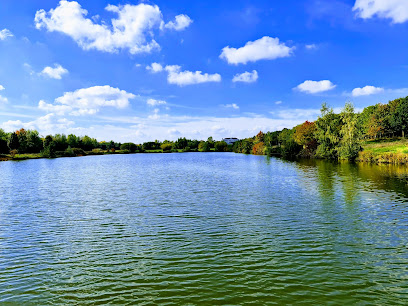
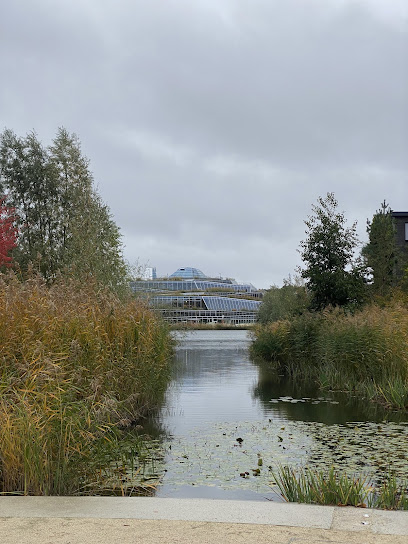
villages Nature
48.3 km
Experience the serene beauty of Villages Nature, an eco-friendly resort in Bailly-Romainvilliers, offering relaxation, fun, and family-friendly activities.
Essential places to dine

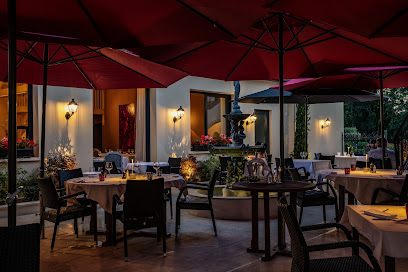
L'Aigle d'Or
47.6 km
Experience the finest of French cuisine at L'Aigle d'Or in Croissy-Beaubourg – where tradition meets innovation in every exquisite dish.
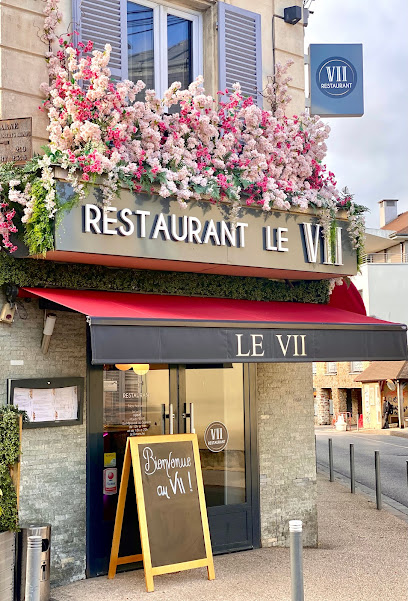
Restaurant le VII
50.6 km
Savor authentic French cuisine at Restaurant le VII in Champs-sur-Marne - where culinary artistry meets warm hospitality.
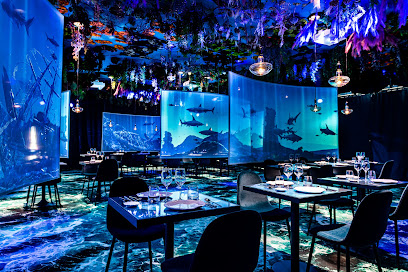
Under the sea - Ephemera
53.6 km
Experience an unforgettable dining journey at Under the Sea - Ephemera, where exquisite seafood meets enchanting underwater ambiance in Paris.
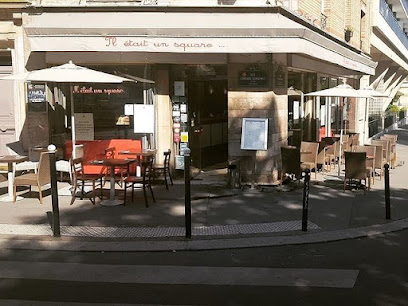
Il était un square
54.2 km
Experience gourmet burgers with a French twist at Il était un square, where culinary excellence meets casual dining in Paris.
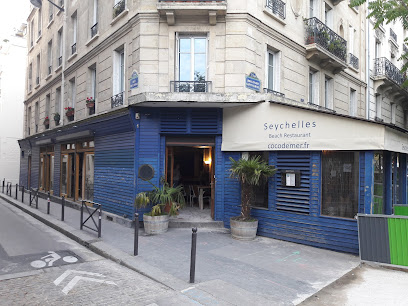
Coco de Mer
54.7 km
Experience authentic Seychelles cuisine at Coco de Mer, where fresh seafood meets tropical flavors in a cozy Parisian setting.
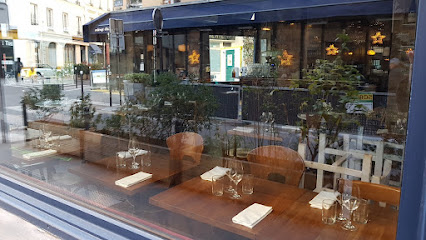
LE SINGE A PARIS
55.1 km
Experience authentic French cuisine at Le Singe à Paris - where tradition meets innovation in every delicious bite.
Septime
55.4 km
Experience the art of modern French cuisine at Septime, one of Paris's finest dining destinations known for its innovative dishes and elegant atmosphere.
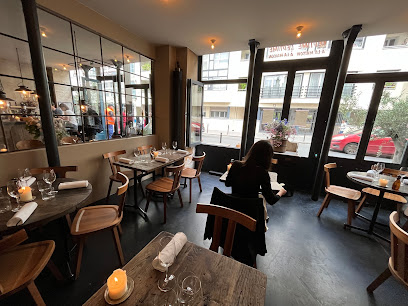
Latin Quartier
55.6 km
Experience authentic Italian pizza in the heart of Paris' vibrant Latin Quartier – a culinary gem blending history and flavor.
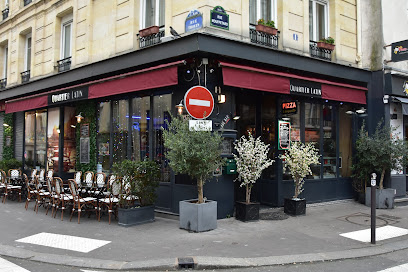
La Table de Colette
55.9 km
Experience exceptional Haute French cuisine at La Table de Colette, where organic ingredients meet culinary excellence in Paris.
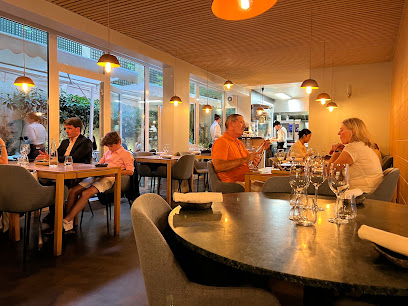
Au Bistrot de la Montagne
55.9 km
Experience authentic French cuisine at Au Bistrot de la Montagne, where every meal is a celebration of flavor in the heart of Paris.
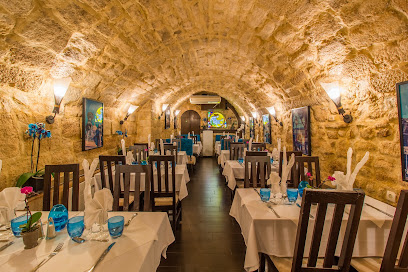
Le vent d'Armor
55.9 km
Experience exquisite seafood and haute French cuisine at Le Vent d'Armor along the Seine River in Paris.
Alliance
55.9 km
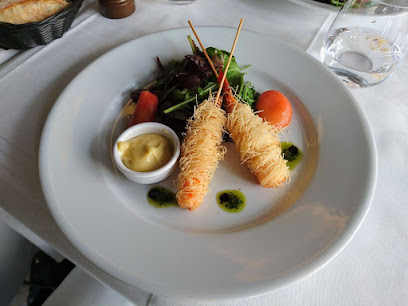
Discover the essence of haute French cuisine at Alliance, where every dish tells a story and every moment is unforgettable.
L'Orangerie paris
55.9 km
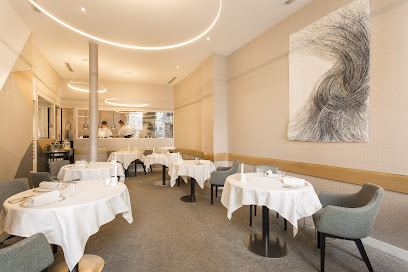
Experience exquisite French cuisine at L'Orangerie in Paris—where culinary tradition meets modern elegance.
Auberge de la Reine Blanche
55.9 km
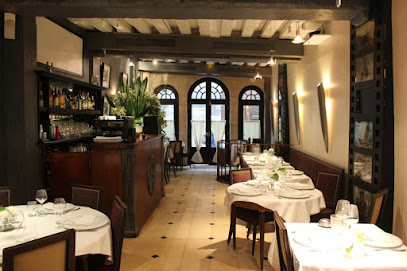
Experience authentic French cuisine at Auberge de la Reine Blanche on Île Saint-Louis—where culinary tradition meets Parisian charm.
Le Petit Prince de Paris
56.0 km
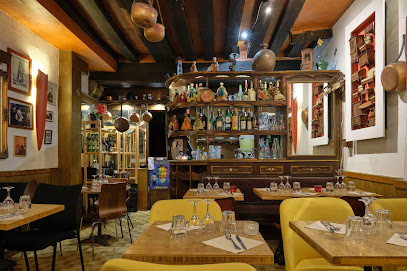
Experience fine dining at its best in Paris with exquisite French cuisine at Le Petit Prince de Paris.
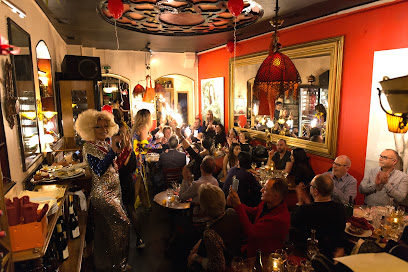
Markets, malls and hidden boutiques

Carré Sénart
26.2 km
Discover Carré Sénart: A shopping paradise in Lieusaint with diverse stores, delicious dining, and exciting entertainment options.
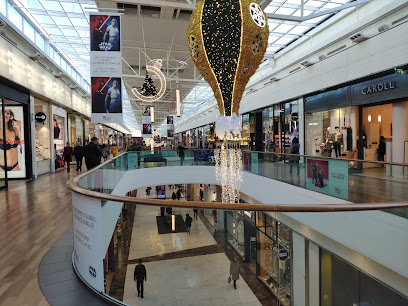
Créteil Soleil
45.7 km
Discover the ultimate shopping experience at Créteil Soleil, featuring diverse shops, dining, and entertainment in a modern atmosphere.
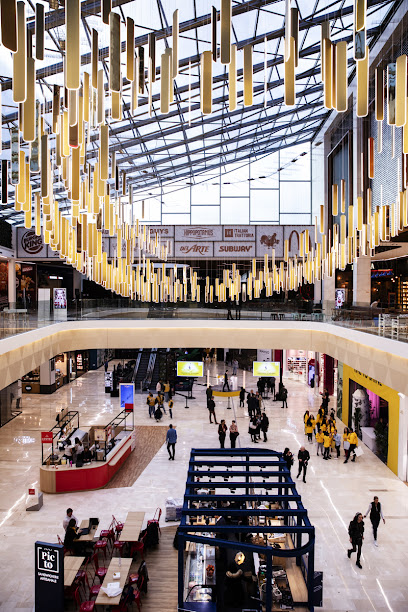
La Vallee Village
50.6 km
Discover unparalleled shopping experiences at La Vallée Village, where luxury meets affordability in a charming open-air setting near Paris.
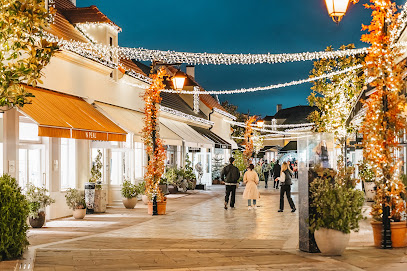
KIABI VAL D'EUROPE
50.6 km
Explore affordable fashion for the whole family at KIABI Val d'Europe, your ultimate shopping destination in Serris.

Val D'Europe
50.6 km
Experience the ultimate shopping adventure at Val D'Europe, the premier shopping mall near Disneyland Paris with diverse shops, dining, and entertainment.
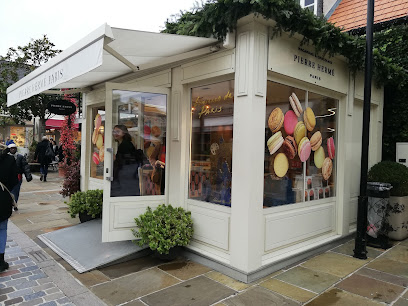
Centre Commercial Val d'Europe
50.7 km
Experience the ultimate shopping and dining destination at Centre Commercial Val d'Europe, a vibrant hub in Serris, France, perfect for tourists.
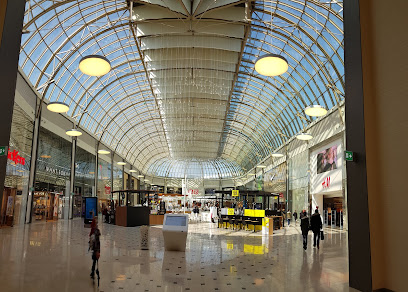
Endees
53.1 km
Discover the art of fragrance at Endees, where exquisite perfumes and personalized service await every scent enthusiast.
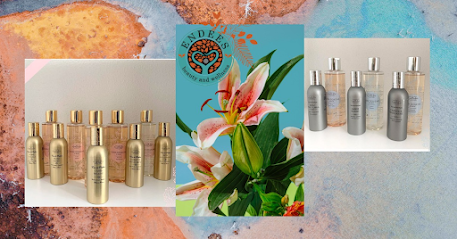
Shop Paris Catacombs
54.6 km
Discover unique gifts and books inspired by the Paris Catacombs at Shop Paris Catacombs, a must-visit destination for tourists seeking memorable souvenirs.
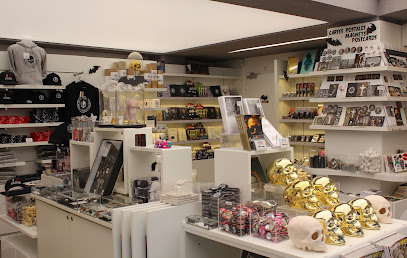
Par’Ici
55.4 km
Explore Par’Ici, the ultimate souvenir shop in Paris, offering unique gifts and fashion accessories that capture the city's charm and elegance.
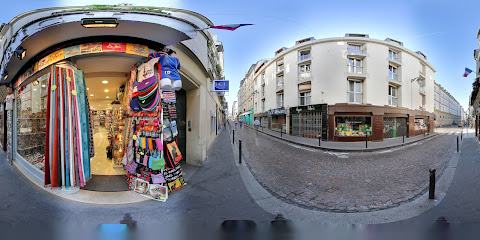
Mon Souvenir de Paris by Atelier Pato
55.6 km
Explore Mon Souvenir de Paris for unique handcrafted souvenirs that capture the essence of the City of Lights, perfect for every traveler!
Bring Home France
56.0 km
Discover authentic French souvenirs and gifts at Bring Home France, the perfect spot to cherish your Parisian memories.
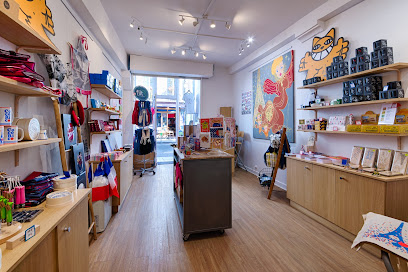
UPPER CONCEPT STORE
56.0 km
Discover the UPPER CONCEPT STORE, a vibrant gift shop and coworking space in Paris offering unique artisanal products and a lively cultural atmosphere.
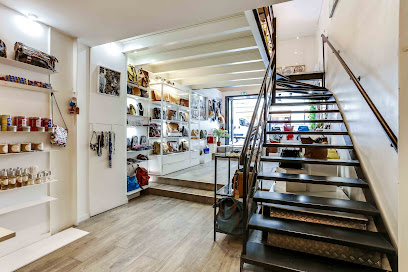
78isl
56.1 km
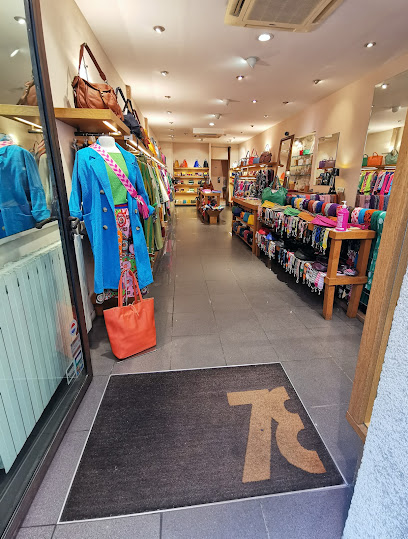
Explore unique women's fashion, accessories, and leather goods at 78isl, a charming boutique in the heart of Paris.
I Love Souvenirs
56.2 km
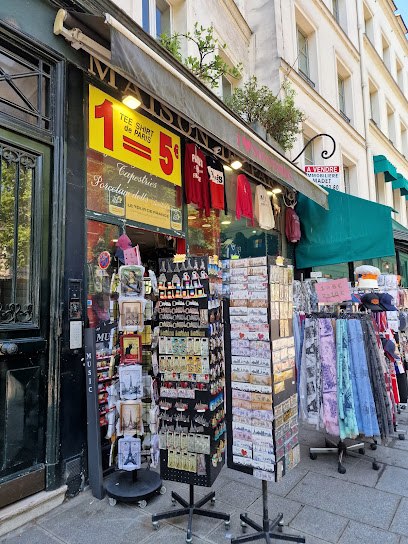
Explore 'I Love Souvenirs' in Paris for unique gifts and authentic mementos that capture the spirit of the City of Light.
Picture Store Paris
56.2 km
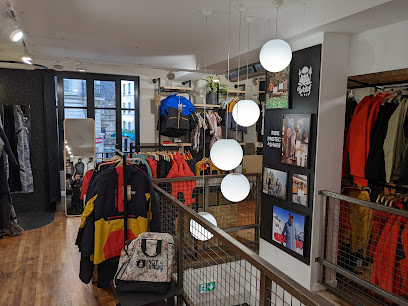
Explore eco-friendly fashion at Picture Store Paris, where style meets sustainability in the heart of the city.
Essential bars & hidden hideouts

Once Cocktail Bar
54.8 km
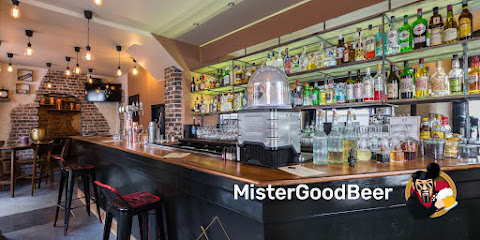
Discover Once Cocktail Bar in Paris - an intimate cocktail haven with innovative drinks and a vibrant atmosphere perfect for nightlife enthusiasts.
Le Calbar
55.1 km
Experience the vibrant cocktail culture of Paris at Le Calbar, where inventive drinks and a relaxed atmosphere await every visitor.
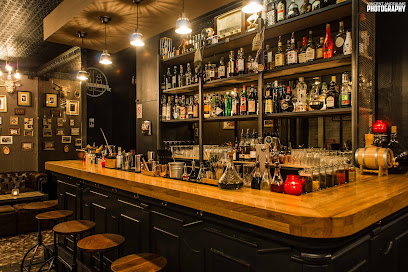
Bluebird
55.1 km
Discover Bluebird, a cozy cocktail bar in Paris known for its innovative drinks and inviting atmosphere, perfect for a night out or a romantic evening.
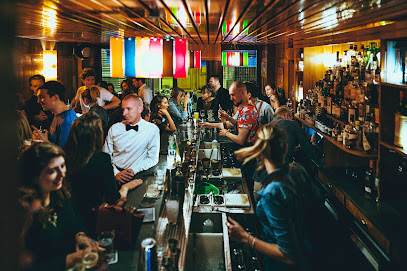
Le Requin Chagrin
55.5 km
Discover Le Requin Chagrin, a charming Parisian pub on Rue Mouffetard, offering a delightful selection of drinks and a vibrant atmosphere.
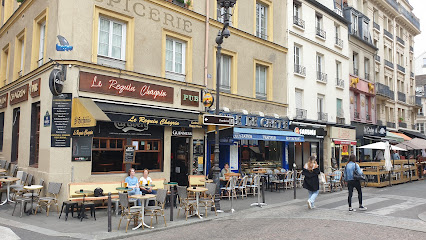
Teddy's Bar
55.6 km
Discover Teddy's Bar, a vibrant bar and café in Paris, offering a perfect mix of drinks, ambiance, and unforgettable nightlife.
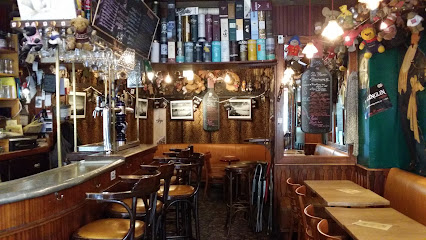
Le Melocoton Bar
55.8 km
Discover the vibrant nightlife at Le Melocoton Bar in Paris, where creative cocktails and craft beers await in a cozy, charming atmosphere.
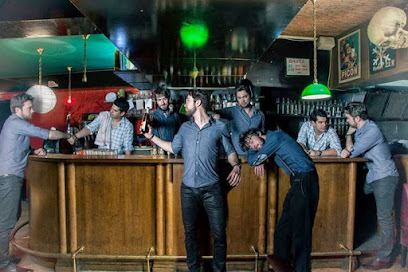
BUBAR
55.9 km
Experience the essence of Paris at BUBAR, a charming wine bar offering a curated selection of fine wines and a cozy atmosphere perfect for unwinding.
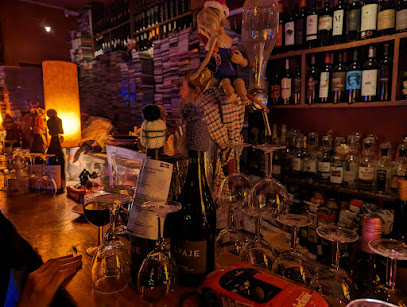
Sherry Butt
55.9 km
Experience the vibrant cocktail culture of Paris at Sherry Butt, where classic meets contemporary in a stylish setting.
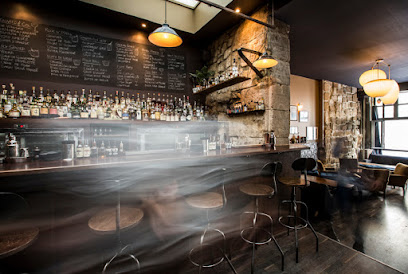
Moonshiner
55.9 km
Discover the hidden charm of Moonshiner, Paris's captivating cocktail bar and Italian restaurant with a speakeasy vibe.
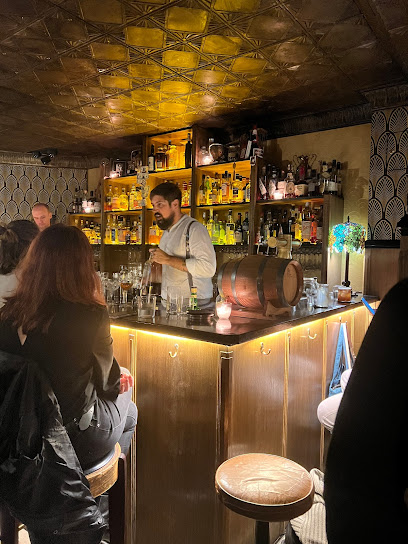
Pub Saint Hilaire
56.0 km
Explore the vibrant nightlife at Pub Saint Hilaire, a unique blend of traditional pub charm and modern cocktail culture in the heart of Paris.
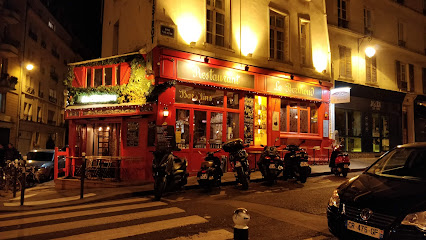
Serpent A Plume
56.1 km
Experience the fusion of modern elegance and classic French cuisine at Serpent A Plume, a premier restaurant and cocktail bar in Paris.
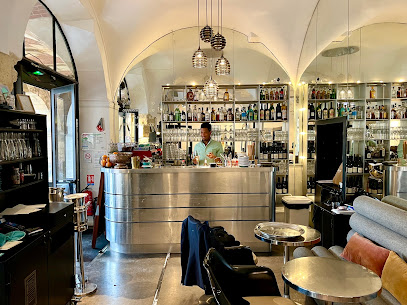
Mad Maker Pub
56.1 km
Discover the lively Mad Maker Pub in Paris, a perfect spot for cocktails, beers, and unforgettable nightlife experiences.
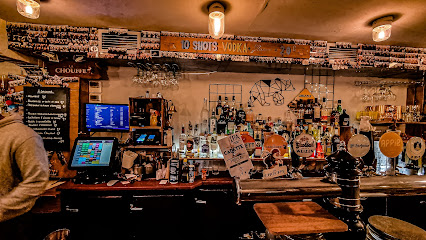
Little big bear
56.3 km
Discover the lively atmosphere and delightful drinks at Little Big Bear, a quintessential Parisian pub perfect for socializing and relaxation.
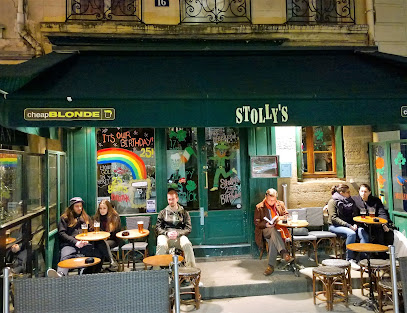
STOLLY'S
56.4 km
Discover Stolly's Bar in Paris: A lively spot for cocktails and socializing, perfect for experiencing the city's vibrant nightlife.
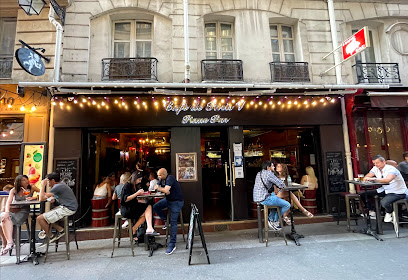
Café de Paris V
56.5 km
Experience the enchanting atmosphere of Café de Paris V, a top piano bar in Paris, offering live music, delightful cocktails, and unforgettable memories.
Nightclubs & after hour spots

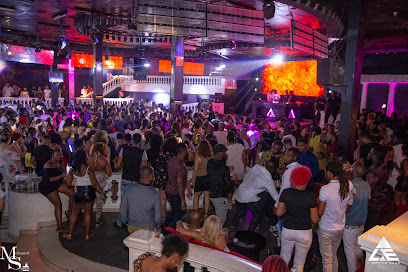
L'EMPIRE CLUB
45.5 km
Experience the vibrant nightlife at L'EMPIRE CLUB in Chilly-Mazarin, where music, dancing, and fun await you until dawn.
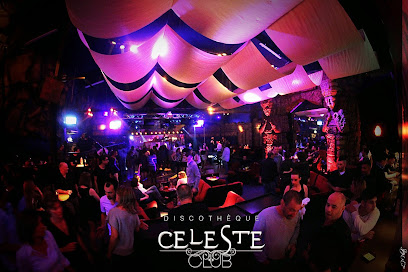
Celeste Club
47.6 km
Discover the vibrant nightlife at Celeste Club in Saint-Clément, where music, dance, and unforgettable moments come alive.
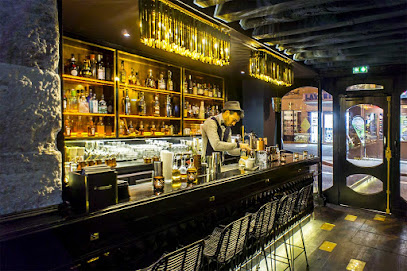
Solera Paris : Bar à Cocktail
55.4 km
Experience the essence of Parisian nightlife at Solera Paris, a cocktail bar renowned for its innovative drinks and inviting atmosphere.
La Chapelle des Lombards
55.7 km
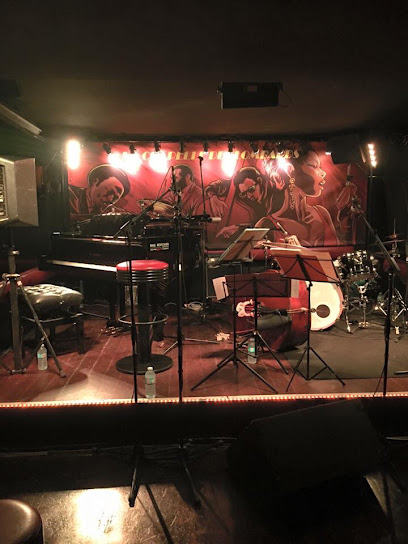
Discover La Chapelle des Lombards, a vibrant night club in Paris offering live music, exquisite drinks, and a lively atmosphere for unforgettable nights.
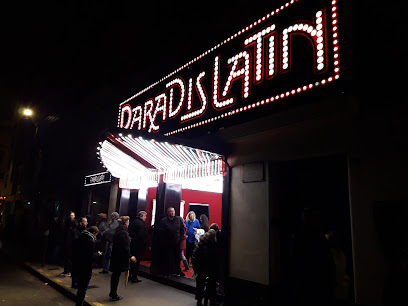
Paradis Latin
55.7 km
Discover the enchanting world of Paradis Latin, Paris's iconic cabaret club, where dazzling performances and exquisite cuisine await you.
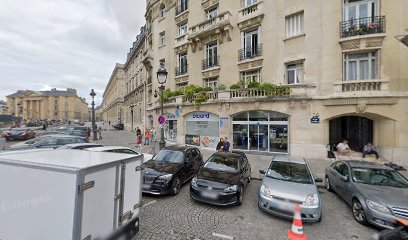
la beaute pure
55.8 km
Experience the vibrant nightlife of Paris at La Beauté Pure, a stylish night club near the Panthéon, where unforgettable memories await.
Taken Club
56.1 km
Discover the ultimate nightlife experience at Taken Club, a stylish disco in the heart of Paris, where music and dance come alive.
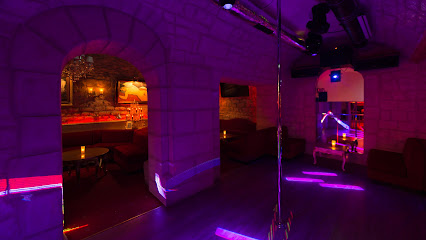
Babylon Club
56.2 km
Discover the electric atmosphere of Babylon Club, a premier disco club and bar in Paris, perfect for an unforgettable night out.
Le Roméo
56.3 km
Dive into the vibrant nightlife of Paris at Le Roméo, a disco club that promises an unforgettable experience with music, dancing, and a lively atmosphere.
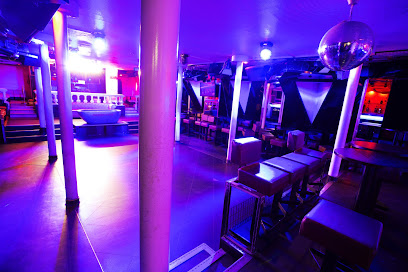
Cefian Club
56.3 km
Discover the electrifying atmosphere of Cefian Club, Paris' premier night club for an unforgettable nightlife experience.
Le Caveau des Oubliettes
56.3 km
Experience the heart of Parisian nightlife at Le Caveau des Oubliettes, where live jazz meets exquisite cocktails in an enchanting atmosphere.
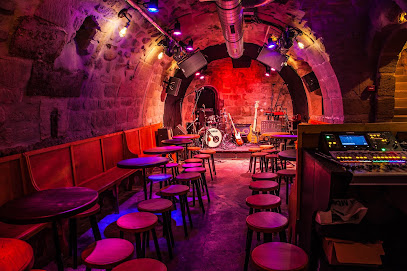
St July
56.4 km
Experience the electrifying nightlife at St July, Paris' top night club, where music, dance, and unforgettable moments come together.
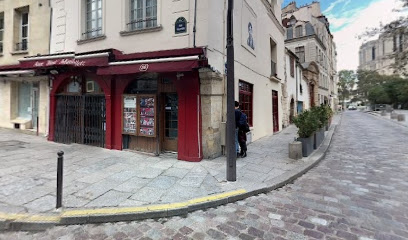
Le Caveau de la Huchette
56.4 km
Discover the heartbeat of Parisian nightlife at Le Caveau de la Huchette, a legendary jazz club where live music meets an electrifying atmosphere.
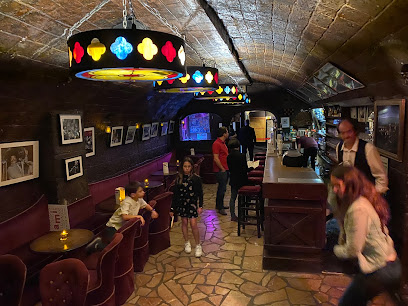
38Riv Jazz Club
56.5 km
Discover the vibrant sounds of jazz in Paris at 38Riv Jazz Club, a premier live music venue offering unforgettable performances and a lively atmosphere.
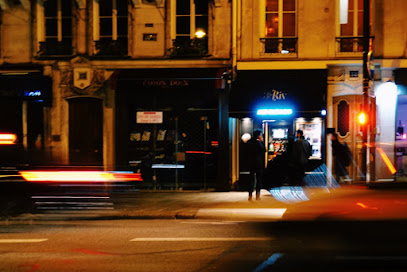
La Villa Notte
56.5 km
Experience the vibrant nightlife of Paris at La Villa Notte, where music, dance, and cocktails come together for an unforgettable evening.