

Île-de-France, France Travel Guide
Explore Île-de-France, where Parisian charm meets historic grandeur, and every corner tells a story of elegance and timeless beauty.
Île-de-France is the beating heart of France, where history, culture, and modernity converge. This region is home to the iconic city of Paris, where you can lose yourself in the romance of the Eiffel Tower, the art of the Louvre, and the charm of Montmartre. The vibrant streets are filled with cafes, boutiques, and museums that celebrate French art, fashion, and gastronomy. Beyond Paris, Île-de-France offers a tapestry of experiences. Explore the opulent Palace of Versailles, with its stunning gardens and historic halls. Discover the beauty of the countryside with its charming villages, lush forests, and elegant châteaux. The region also boasts a variety of parks and natural reserves, perfect for a peaceful escape from the city's hustle and bustle. Whether you're savoring a freshly baked croissant in a quaint boulangerie or cruising along the Seine River at sunset, Île-de-France promises an unforgettable blend of past and present, making every moment feel like a scene from a classic French film.

Know before you go
Hi, I'm Eve. Here are a few practical things to know before exploring Île-de-France.
- Visit major attractions early in the morning or late in the afternoon to avoid crowds.
- Consider purchasing a Paris Museum Pass for access to multiple museums and monuments.
- Use public transportation, like the Metro and RER trains, for easy and efficient travel around the region.
- Don't miss a day trip to the Palace of Versailles; it's a short train ride from Paris.
- Learn a few basic French phrases. The locals appreciate it and it enhances your travel experience.
- Wear comfortable shoes, as you'll likely do a lot of walking, especially in Paris.
Top City Travel Guides in Île-de-France
The cities of Île-de-France, and the easiest places to base yourself.


Destinations in Île-de-France
Resorts, valleys and scenic spots worth a trip of their own.
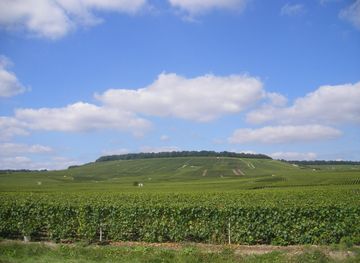
Explore Île-de-France: Things to Do, Places to Eat, Hotels & More
Handpicked recommendations for top attractions, local dining, accommodations, and more

Top Attractions & Sightseeing in Île-de-France
Top-rated picks
Best Attractions
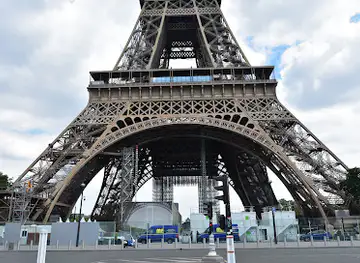
Eiffel Tower
Discover the beauty and history of the Eiffel Tower, an iconic landmark in Paris offering breathtaking views and a memorable experience.

Louvre Museum
Explore the Louvre Museum, home to timeless art treasures and architectural beauty in the heart of Paris. Experience the cultural essence of France at this iconic museum.

Arc de Triomphe
Experience the grandeur of the Arc de Triomphe, a historic monument symbolizing French heritage, offering breathtaking views and rich cultural insights.

Disneyland Paris
Discover the enchanting world of Disneyland Paris, where magic, adventure, and beloved Disney characters await in a stunning theme park experience.

Best landmarks in Île-de-France
Top-rated picks
Best Landmarks
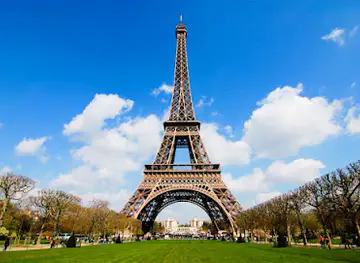
Eiffel Tower
Experience breathtaking panoramic views of Paris from the iconic Eiffel Tower, a symbol of French innovation and architectural brilliance.
Louvre Museum
Explore millennia of art and history in the heart of Paris at the world-renowned Louvre Museum, home to iconic masterpieces.

Arc de Triomphe
Experience Parisian history and breathtaking panoramic views from atop the iconic Arc de Triomphe, a symbol of French national pride and military triumph.

Basilique du Sacré-Cœur de Montmartre
A beacon of faith and art atop Montmartre, Sacré-Cœur offers stunning views and a glimpse into French history and architectural grandeur.

Best restaurants in Île-de-France
Top-rated picks
Best Restaurants
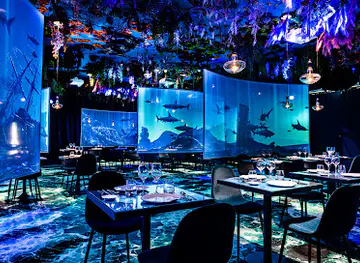
Under the sea - Ephemera
Experience an unforgettable dining journey at Under the Sea - Ephemera, where exquisite seafood meets enchanting underwater ambiance in Paris.

Hard Rock Cafe Paris
Savor legendary American burgers amid rock 'n' roll memorabilia in Paris's heart, where music icons meet hearty flavors and vibrant energy near the Opera.

Ladurée
Elegant flagship Ladurée on Champs-Élysées: macaron mastery, French brasserie fare, and indulgent tea times in Napoleon III splendor overlooking Paris's grandest avenue.

L'île
Discover exquisite French cuisine at L'île, nestled on a serene island in Issy-les-Moulineaux, offering breathtaking views and unforgettable flavors.

Best bars in Île-de-France
Top-rated picks
Best Bars

Buddha-Bar
Experience the vibrant atmosphere and exquisite Asian fusion cuisine at Buddha-Bar, one of Paris's most sought-after dining and nightlife destinations.
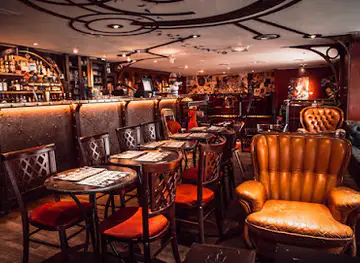
Le Dernier Bar avant la Fin du Monde
Experience the magic of Le Dernier Bar avant la Fin du Monde, Paris' unique sci-fi and fantasy themed bar, perfect for adventurous tourists.

Harry's New York Bar
Experience a century of cocktail mastery at Harry's New York Bar, where history and mixology meet in the heart of Paris.

Moonshiner
Experience the enchanting atmosphere of Moonshiner, a cocktail bar blending Italian cuisine and unique drinks in the heart of Paris.

Best nightclubs in Île-de-France
Top-rated picks
Best Nightclubs

Palais Maillot
Discover the vibrant nightlife of Paris at Palais Maillot, a premier disco club and event venue, renowned for unforgettable parties and electrifying music.

L'EMPIRE CLUB
Experience the vibrant nightlife at L'EMPIRE CLUB in Chilly-Mazarin, where music, dancing, and fun await you until dawn.

Le Speakeasy Paris, Festive Restaurant & Club, Night Club, Discothèque, Boîte de Nuit, Piano Club
Experience the ultimate fusion of dining and dancing at Le Speakeasy, Paris's premier nightclub and restaurant for a night to remember.

Gibus Club
Experience the vibrant nightlife at Gibus Club, a premier gay night club in Paris known for live music and an inclusive atmosphere.

Best shops in Île-de-France
Top-rated picks
Best Shops
Galeries Lafayette Haussmann
Explore the iconic Galeries Lafayette Haussmann, a luxury department store in Paris offering stunning architecture, top fashion brands, and gourmet dining.

Centre Commercial Val d'Europe
Experience the ultimate shopping and dining destination at Centre Commercial Val d'Europe, a vibrant hub in Serris, France, perfect for tourists.

Westfield Les 4 Temps
Experience unparalleled shopping and dining at Westfield Les 4 Temps, the ultimate retail destination near Paris.

Westfield Forum des Halles
Discover the ultimate shopping and leisure experience at Westfield Forum des Halles, Paris' premier destination for fashion, food, and fun.

Explore Île-de-France on the Map
A handpicked selection of must-see spots in Île-de-France, mapped for you.
Île-de-France Essentials
-
Île-de-France is well-connected by air, train, and road. Paris Charles de Gaulle Airport (CDG) and Paris Orly Airport (ORY) are the main international gateways. From the airports, you can take the RER B train, buses, or taxis to central Paris. The region is also served by an extensive railway network, including the high-speed TGV trains, which connect Paris to major cities in France and Europe. Additionally, buses and cars can reach the area via a network of highways.
-
Île-de-France has an efficient public transportation system, including the Paris Metro, RER trains, buses, and trams. The Paris Visite travel pass offers unlimited travel on public transport for a designated period. Taxis and ride-sharing services like Uber are also available. For a more scenic journey, consider renting a bicycle or taking a boat cruise on the Seine River. Driving in Paris can be challenging due to traffic and parking restrictions, so public transport is often the best option.
-
The official currency in France is the Euro (EUR). Credit and debit cards are widely accepted in hotels, restaurants, and shops. It's advisable to carry some cash for smaller establishments and markets. ATMs are widely available throughout Île-de-France. Contactless payments and mobile payment apps like Apple Pay and Google Pay are also commonly used.
-
Île-de-France is generally safe for tourists, but it's important to stay vigilant. Beware of pickpockets, especially in crowded areas like tourist attractions and public transport. Areas with higher crime rates targeting tourists include parts of northern Paris like certain neighborhoods in the 18th and 19th arrondissements. Avoid walking alone at night in poorly lit areas and always keep an eye on your belongings.
-
In case of emergency, dial 112 for immediate assistance. This number works for police, fire, and medical emergencies. Major hospitals in Paris have emergency departments, and many staff speak English. Pharmacies, indicated by a green cross, can provide over-the-counter medications and advice. Make sure to have travel insurance that covers medical emergencies.
-
Fashion: Do dress stylishly and avoid overly casual attire in restaurants and theaters. Don't wear flashy jewelry. Religion: Do be respectful when visiting religious sites. Dress modestly and avoid loud behavior. Public Transport: Do respect personal space and give up your seat to elderly passengers. Don't eat or drink on public transport. Greetings: Do greet people with a 'Bonjour' (good day) or 'Bonsoir' (good evening). Don't use first names unless invited. Eating & Drinking: Do try local delicacies and be polite to waitstaff. Don't rush through meals; dining is a social experience.
-
To experience Île-de-France like a local, visit neighborhood markets such as Marché d'Aligre or Marché des Enfants Rouges. Enjoy a picnic in one of the many parks like Jardin du Luxembourg or Parc des Buttes-Chaumont. Take a leisurely stroll along the Seine or explore lesser-known museums like Musée Rodin. Engage with locals in cafés and bistros to get a sense of daily life in Paris.
When is the best time to visit Île-de-France?
Useful Local Phrases for Île-de-France
You don't need to speak the language perfectly. Even learning a few simple words can make conversations warmer—and locals usually appreciate the effort.
— Eve

Here are the phrases I use most often in Île-de-France. Try a few—you'll be surprised how far they go! 😊
❤️
-
- HelloBonjour
[bɔ̃ʒuʁ] - GoodbyeAu revoir
[o ʁəvwaʁ] - YesOui
[wi] - NoNon
[nɔ̃] - Please/You're welcomeS'il vous plaît / De rien
[sil vu plɛ / də ʁjɛ̃] - Thank youMerci
[mɛʁsi] - Excuse me/SorryExcusez-moi / Désolé
[ɛkskyze mwa / dezole] - How are you?Comment ça va?
[kɔmɑ̃ sa va] - Fine. And you?Bien. Et vous?
[bjɛ̃. e vu] - Do you speak English?Parlez-vous anglais?
[paʁle vu ɑ̃ɡlɛ] - I don't understandJe ne comprends pas
[ʒə nə kɔ̃pʁɑ̃ pa]
- HelloBonjour
-
- I'd like to see the menu, pleaseJe voudrais voir le menu, s'il vous plaît
[ʒə vudʁɛ vwaʁ lə məny, sil vu plɛ] - I don't eat meatJe ne mange pas de viande
[ʒə nə mɑ̃ʒ pa də vjɑ̃d] - Cheers!Santé!
[sɑ̃te] - I would like to pay, pleaseJe voudrais payer, s'il vous plaît
[ʒə vudʁɛ peje, sil vu plɛ]
- I'd like to see the menu, pleaseJe voudrais voir le menu, s'il vous plaît
-
- Help!Au secours!
[o səkuʁ] - Go away!Allez-vous en!
[ale vu zɑ̃] - Call the Police!Appelez la police!
[apele la pɔlis] - Call a doctor!Appelez un médecin!
[apele ɛ̃ me.dɛ.sɛ̃] - I'm lostJe suis perdu
[ʒə sɥi pɛʁdy] - I'm illJe suis malade
[ʒə sɥi malad]
- Help!Au secours!
-
- I'd like to buy...Je voudrais acheter...
[ʒə vudʁɛ aʃte] - I'm just lookingJe regarde juste
[ʒə ʁəɡaʁd ʒyst] - How much is it?C'est combien?
[sɛ kɔ̃bjɛ̃] - That's too expensiveC'est trop cher
[sɛ tʁo ʃɛʁ] - Can you lower the price?Pouvez-vous baisser le prix?
[puve vu bɛse lə pʁi]
- I'd like to buy...Je voudrais acheter...
-
- What time is it?Quelle heure est-il?
[kɛl œʁ ɛ.til] - It's one o'clockIl est une heure
[il ɛt yn œʁ] - Half past (10)Dix et demie
[dis e dəmi] - MorningMatin
[matɛ̃] - AfternoonAprès-midi
[apʁɛ midi] - EveningSoir
[swaʁ] - YesterdayHier
[jɛʁ] - TodayAujourd'hui
[oʒuʁdɥi] - TomorrowDemain
[dəmɛ̃] - 1Un
[ɛ̃] - 2Deux
[dø] - 3Trois
[tʁwa] - 4Quatre
[katʁ] - 5Cinq
[sɛ̃k] - 6Six
[si] - 7Sept
[sɛt] - 8Huit
[ɥit] - 9Neuf
[nœf] - 10Dix
[dis]
- What time is it?Quelle heure est-il?
-
- Where's a/the...?Où est un/une ...?
[u ɛ ɛ̃/yn ...?] - What's the address?Quelle est l'adresse?
[kɛl ɛ l‿adʁɛs] - Can you show me (on the map)?Pouvez-vous me montrer (sur la carte)?
[puve vu mə mɔ̃tʁe (syʁ la kaʁt)] - When's the next (bus)?Quand est le prochain (bus)?
[kɑ̃ ɛ lə pʁɔʃɛ̃ (bys)] - A ticket (to ....)Un billet (pour ...)
[ɛ̃ bijɛ (puʁ ...)]
- Where's a/the...?Où est un/une ...?
History of Île-de-France
-
Originally a small settlement called Lutetia by the Parisii tribe, Paris began its ascent under Roman rule in the 1st century BC. It became an important center for trade and education, and its strategic location along the River Seine laid the groundwork for its future prominence.
-
In 987 AD, Hugh Capet was elected King of the Franks, marking the start of the Capetian dynasty. Île-de-France became the heartland of Capetian power, with Paris as its focal point. This era saw the construction of iconic structures such as the Notre-Dame Cathedral and the establishment of the University of Paris.
-
From 1337 to 1453, Île-de-France was deeply affected by the Hundred Years' War between France and England. Paris was occupied by the English from 1420 to 1436, and the region witnessed significant battles and political turmoil. The war ultimately solidified Paris' role as the capital of a unified France.
-
The Renaissance brought cultural and artistic flourishing to Île-de-France. Under King Francis I, the medieval fortress of the Louvre was transformed into a royal palace, becoming a symbol of the Renaissance in France. This period also saw the construction of the Château de Fontainebleau, another architectural marvel.
-
The French Revolution (1789-1799) had a profound impact on Île-de-France. Key events, such as the storming of the Bastille, took place in Paris. The region was at the center of revolutionary activities, leading to the fall of the monarchy and the rise of the Republic. The Revolution dramatically reshaped the political and social landscape of France.
-
In the mid-19th century, Baron Haussmann was commissioned by Emperor Napoleon III to renovate Paris. The extensive urban planning project modernized the city with wide boulevards, parks, and new sewage systems. This transformation made Paris the 'City of Light' and set a new standard for urban development.
-
During World War II, Île-de-France was occupied by Nazi Germany from 1940 to 1944. The region endured hardships but also became a center for the French Resistance. Paris was liberated on August 25, 1944, marking a significant turning point in the war and restoring hope to the French people.
-
Today, Île-de-France is a vibrant region that blends historical legacy with modern innovation. It is the economic powerhouse of France, home to world-renowned institutions, cultural landmarks, and a diverse population. The region continues to attract millions of visitors each year, eager to explore its rich heritage and dynamic culture.
Neighbouring Regions of Île-de-France
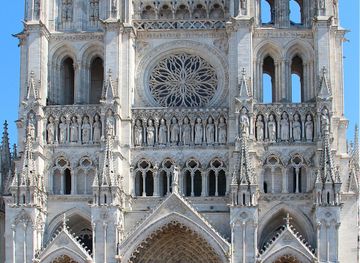
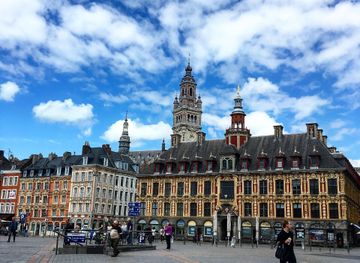
The closest regions to Île-de-France, if you have time for more than one.



Your all‑in‑one travel companion app
Explore expert travel guides, compare and book tours, experiences, hotels, and more—all from the palm of your hand. Download now for seamless trip planning wherever your wanderlust takes you.


Explore More of France

Looking beyond Île-de-France? Discover France for broader travel guides, local hot-spots, and regional highlights.
Explore FranceÎle-de-France in Photos
Browse through our photo collection highlighting the charm and character of the destination.


Île-de-France: The Heartbeat of French Elegance
Île-de-France is the beating heart of France, where history, culture, and modernity converge. This region is home to the iconic city of Paris, where you can lose yourself in the romance of the Eiffel Tower, the art of the Louvre, and the charm of Montmartre. The vibrant streets are filled with cafes, boutiques, and museums that celebrate French art, fashion, and gastronomy. Beyond Paris, Île-de-France offers a tapestry of experiences. Explore the opulent Palace of Versailles, with its stunning gardens and historic halls. Discover the beauty of the countryside with its charming villages, lush forests, and elegant châteaux. The region also boasts a variety of parks and natural reserves, perfect for a peaceful escape from the city's hustle and bustle. Whether you're savoring a freshly baked croissant in a quaint boulangerie or cruising along the Seine River at sunset, Île-de-France promises an unforgettable blend of past and present, making every moment feel like a scene from a classic French film.