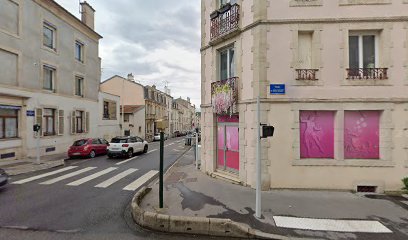
Monument to Jacques Callot Fountain: A Tribute to a Master Printmaker
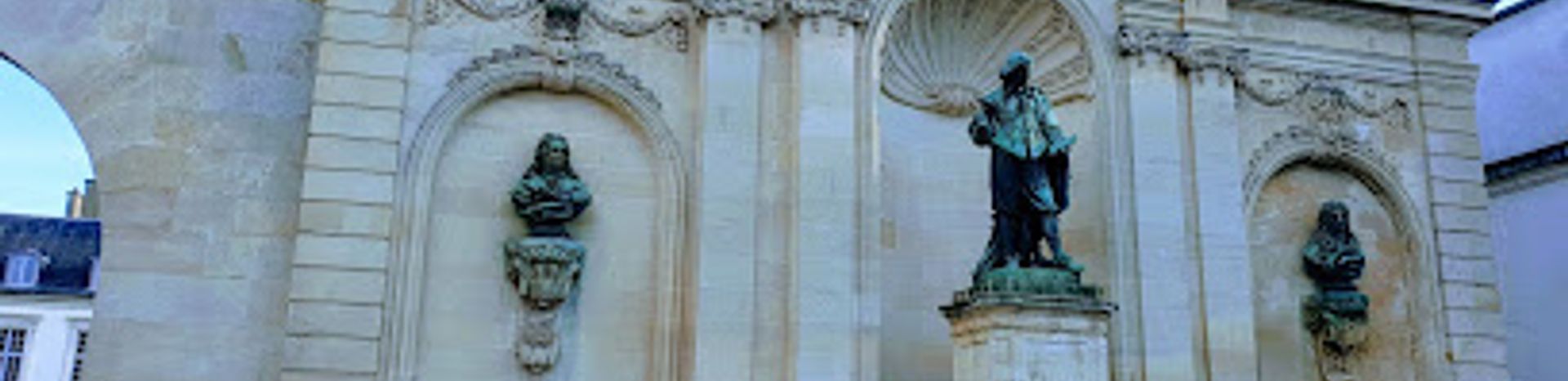
A tribute to Jacques Callot, the Monument to Jacques Callot fountain in Nancy's Place Vaudemont celebrates the Baroque printmaker's legacy and the city's rich artistic heritage.
The Monument to Jacques Callot fountain, gracing Place Vaudemont in Nancy, France, is a beautiful tribute to the renowned Baroque printmaker and draftsman Jacques Callot. Inaugurated in 1881, the fountain features a statue of Callot sculpted by Eugène Laurent, commemorating the artist who chronicled 17th-century life with over 1,400 etchings. The fountain also showcases busts of fellow engravers Israël Silvestre and Ferdinand de Saint-Urbain, adding to its artistic significance. Place Vaudemont itself offers a charming atmosphere, nestled in Nancy's historic center near Place Stanislas, a UNESCO World Heritage site. The fountain serves as a reminder of Nancy's rich artistic heritage and provides a tranquil spot for visitors to appreciate the city's cultural legacy. The monument is a testament to Callot's enduring influence, whose innovative techniques and detailed depictions of his era continue to inspire artists and historians alike. A visit to this historical landmark offers a glimpse into the world of a master printmaker and the artistic spirit of Nancy.
A brief summary to Monument to Jacques Callot fountain
- Pl. de Vaudemont, Nancy, 54000, FR
- Visit website
- Monday 12 am-12 am
- Tuesday 12 am-12 am
- Wednesday 12 am-12 am
- Thursday 12 am-12 am
- Friday 12 am-12 am
- Saturday 12 am-12 am
- Sunday 12 am-12 am
Local tips
- Visit the Musée Lorrain in the Ducal Palace to see a collection of Jacques Callot's original etchings and learn more about his life and work.
- Combine your visit to the fountain with a stroll through Place Stanislas, a UNESCO World Heritage site, and explore the surrounding historic center of Nancy.
- Take a guided tour of Nancy's historic center to discover the city's rich history and architectural gems, including the Art Nouveau buildings of the École de Nancy.

Getting There
-
Walking
From Place Stanislas, walk northeast towards Rue Héré. Continue onto Rue Héré, passing under the Arc Héré. Continue straight onto Place de la Carrière. At the end of Place de la Carrière, turn right onto Grande Rue. Walk a short distance, then turn left onto Place Vaudemont. The Monument to Jacques Callot fountain will be in the center of the square. The walk is approximately 5-10 minutes. Alternatively, from Musée Lorrain, walk southwest on Grande Rue toward Place Vaudemont. The Monument to Jacques Callot fountain will be on your right in the center of the square. The walk is approximately 4 minutes.
-
Public Transport
The closest bus stop to Place Vaudemont is Haut-Bourgeois, which is serviced by several bus lines (e.g., 16, T2, T4). From the Haut-Bourgeois stop, Place Vaudemont is a short walk away. Single tickets for the local transit (STAN) can be purchased at ticket machines at the bus and tram stops or directly from the bus driver. A single ticket costs around €1.60. Alternatively, the Place Stanislas - Dom Calmet bus stop is about a 6-minute walk away.
-
Taxi/Ride-Share
Taxis and ride-sharing services are readily available in Nancy. A taxi or ride-share from Place Stanislas to Place Vaudemont will take approximately 5 minutes, depending on traffic. The estimated cost is between €7 and €12. Note that prices may vary depending on the time of day and demand.
-
Driving
If driving, parking is available at Parking Vaudémont, located directly on Place Vaudemont. Other nearby parking options include Parking Stanislas and Parking Dom Calmet. Parking Vaudémont costs €1.60 for 1 hour, €4.00 for 2 hours, €8.00 for 4 hours, and €18 for 12 hours. Parking is free for the first 30 minutes. Parking is also free on Saturdays during the day. There is a reduced night fare of €1 for 12 hours (starting from 7 PM).
Discover more about Monument to Jacques Callot fountain
Iconic landmarks you can’t miss

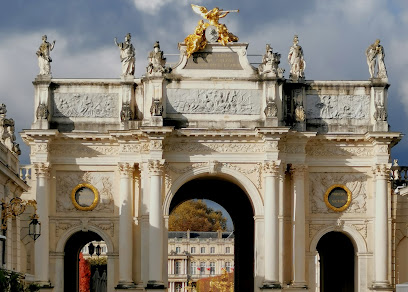
Arc Héré
0.0 km
Explore the Arc Héré in Nancy: A historical landmark showcasing stunning neoclassical architecture and rich cultural heritage.
éphémère Nancy Garden
0.1 km
Explore the enchanting éphémère Nancy Garden, where nature meets creativity in a serene setting perfect for relaxation and inspiration.
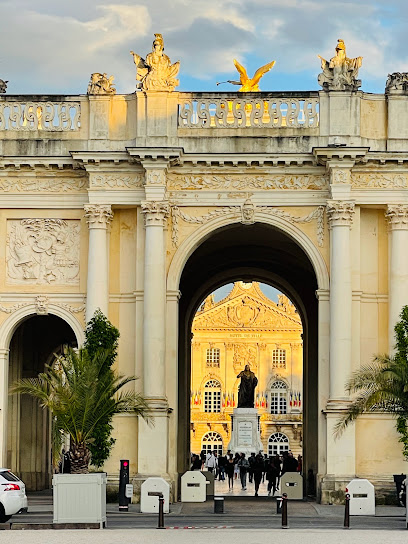
Place Stanislas & Rue Stanislas
0.1 km
Explore the breathtaking Place Stanislas in Nancy, a UNESCO World Heritage site, where history, art, and culture come together in stunning architectural splendor.
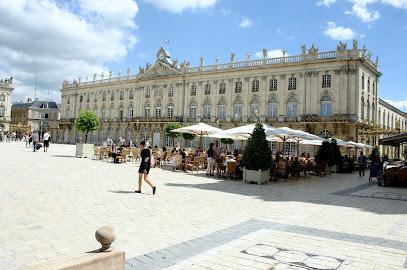
Opéra national de Lorraine
0.1 km
Explore the Opéra National de Lorraine, Nancy's premier opera house, where captivating performances and stunning architecture await every visitor.
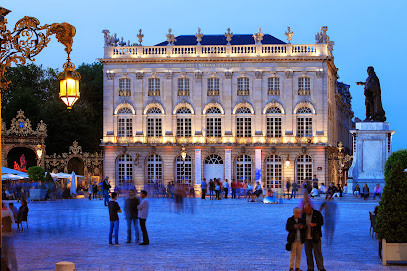
Nancy Tourism and Events
0.2 km
Discover Nancy's rich history and vibrant culture at the Tourist Information Center, your gateway to unforgettable experiences in this enchanting French city.
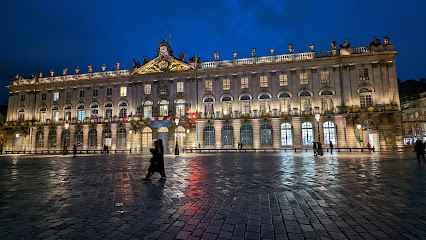
La _ Maison dans le Parc
0.2 km
Experience the elegance of French cuisine at La Maison dans le Parc, a culinary gem in Nancy, perfect for food lovers and tourists alike.
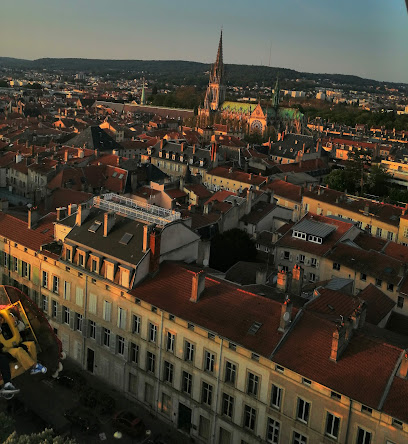
Hôtel du Marquis de Ville
0.3 km
Experience the charm and elegance of Hôtel du Marquis de Ville, a historical landmark in Nancy, France, steeped in rich heritage and architectural beauty.
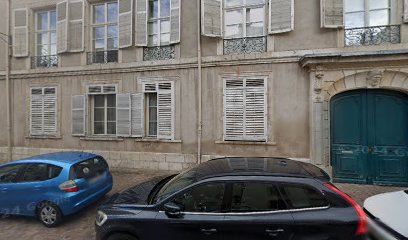
Monument à René II de Lorraine.
0.3 km
Explore the historical significance of the Monument à René II de Lorraine in Nancy, a captivating cultural landmark that reflects the region's rich heritage.
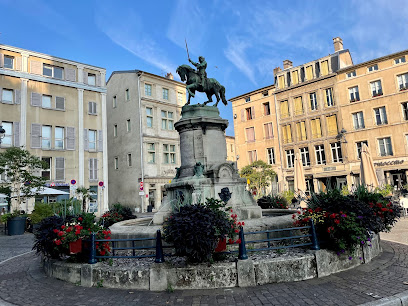
Place Saint-Epvre
0.3 km
Discover the charm of Place Saint-Epvre, a historic town square in Nancy, France, blending stunning architecture with lively local culture.
Le sens de la visite — Visites guidées sur Nancy
0.4 km
Explore Nancy's rich history and breathtaking architecture with expert-guided tours from Le Sens de la Visite, your gateway to the city's hidden gems.
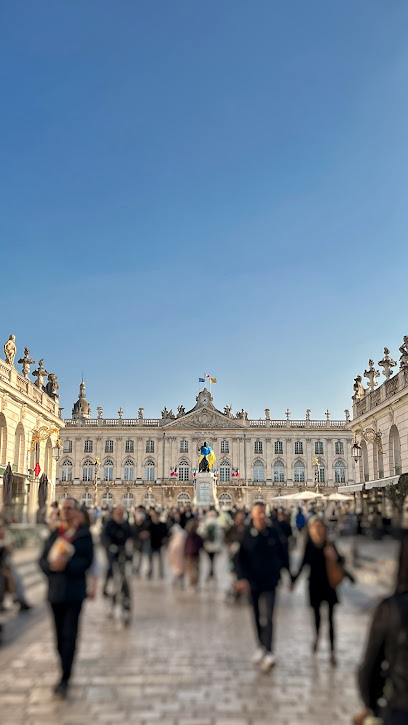
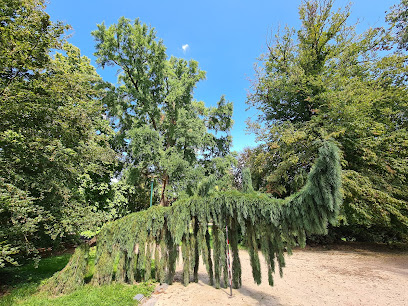
Spektakulärer Baum
0.5 km
Explore the Spektakulärer Baum in Nancy, a stunning historical landmark that captivates with its grandeur and rich heritage.
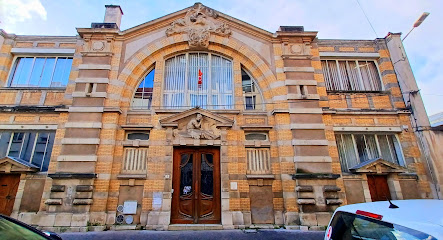
House of the people (Nancy)
0.5 km
Discover the House of the People in Nancy, a historical gem showcasing Art Nouveau architecture and rich cultural heritage.
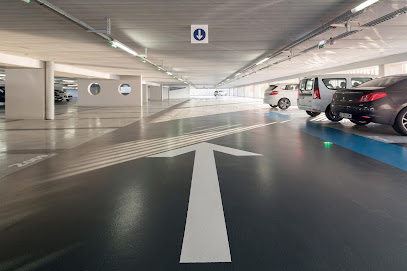
Parking Indigo Nancy Charles III
0.5 km
Discover the convenience of Parking Indigo Nancy Charles III, your secure gateway to exploring the cultural treasures of Nancy, France.
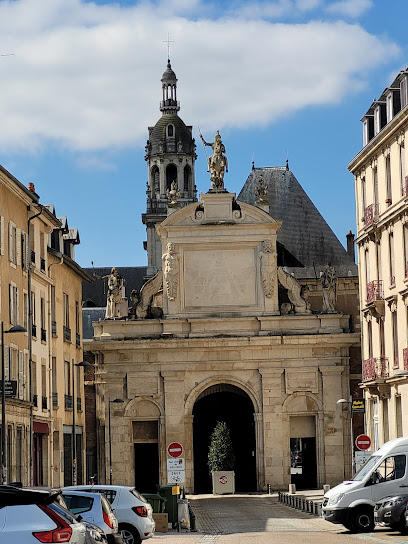
Porte Saint-Georges
0.5 km
Explore the historical elegance of Porte Saint-Georges, a stunning landmark in Nancy, France, showcasing the city's rich architectural heritage.
Espace animalier
0.5 km
Discover the beauty of wildlife at Espace Animalier, a serene animal park in Nancy that offers an unforgettable experience for families and nature lovers.
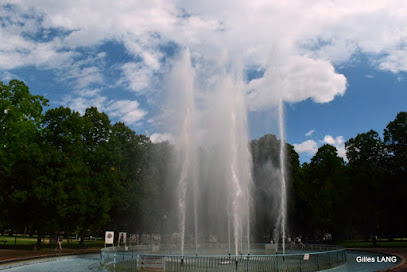
Unmissable attractions to see

Fontaine de Neptune
0.1 km
Discover the enchanting Fontaine de Neptune in Nancy, a stunning fountain surrounded by history and beauty in the heart of Place Stanislas.
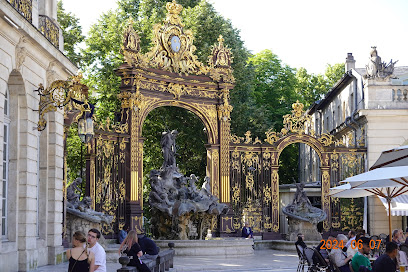
Museum of Fine Arts in Nancy
0.1 km
Explore the Museum of Fine Arts in Nancy, a cultural gem showcasing exceptional art collections and temporary exhibitions in a stunning architectural setting.
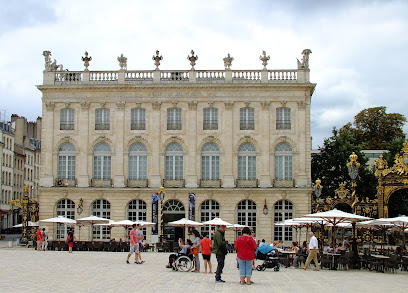
Place Stanislas
0.1 km
Experience the architectural splendor and vibrant culture of Place Stanislas, a UNESCO World Heritage site in Nancy, France.
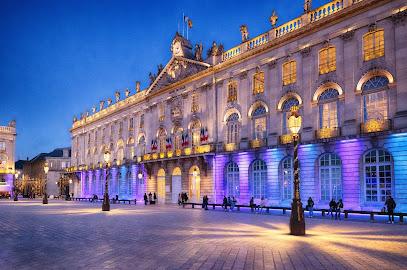
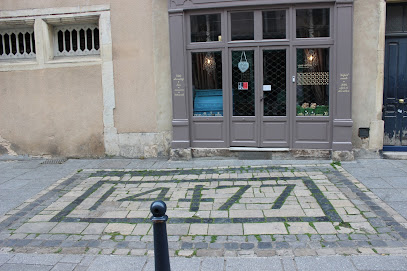
Pavage 1477
0.1 km
Explore the historical beauty of Pavage 1477 in Nancy, a stunning tourist attraction showcasing rich architecture and vibrant culture.
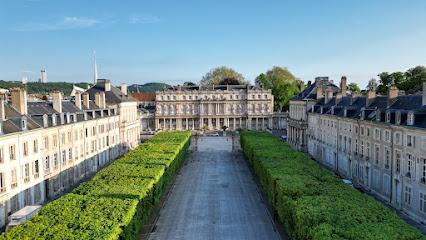
Place de la Carrière
0.1 km
Discover the architectural marvels of Place de la Carrière, a historical gem in Nancy, France, featuring exquisite 18th-century buildings and vibrant cultural events.
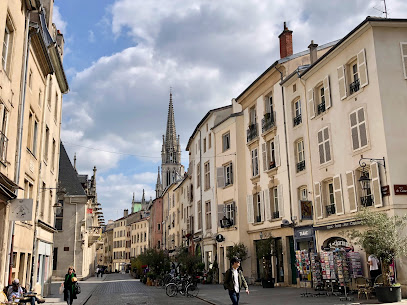
Basilica of Saint Epvre of Nancy
0.3 km
Explore the Basilica of Saint Epvre, a stunning neo-Gothic masterpiece in Nancy, France, known for its breathtaking stained glass and rich cultural history.
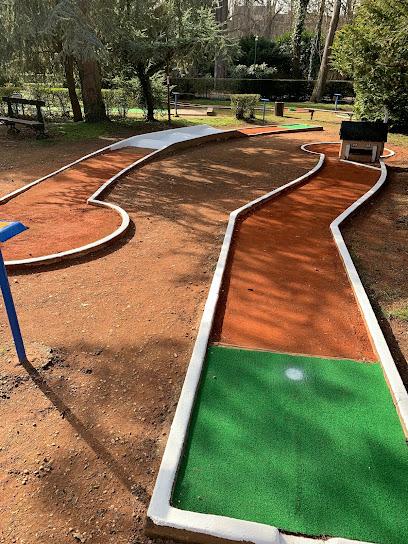
MINI GOLF DE LA PEPINIERE
0.3 km
Experience fun and relaxation at Mini Golf de la Pepiniere in Nancy, a beautiful outdoor miniature golf course surrounded by stunning gardens.
Alliance Square
0.3 km
Explore the beauty and cultural richness of Alliance Square in Nancy, a must-visit landmark full of history and charm.
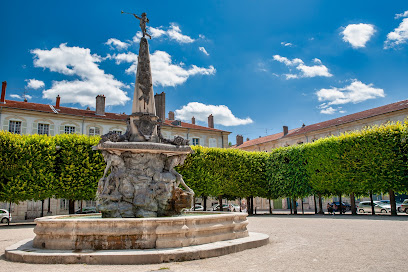
Pl. Carnot
0.3 km
Discover the vibrant Pl. Carnot in Nancy, a lively square filled with charm, history, and a taste of authentic French culture.
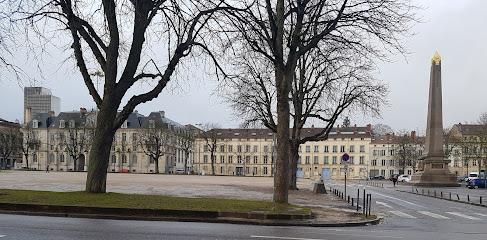
Government Palace - Palace Garden
0.3 km
Discover the historical splendor of the Government Palace and its exquisite gardens in Nancy, a must-visit attraction for every traveler.
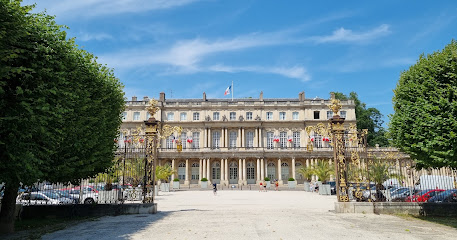
Palace of the Dukes of Lorraine - Lorraine Museum
0.4 km
Explore the Palace of the Dukes of Lorraine, a captivating museum in Nancy showcasing the rich cultural heritage of the Lorraine region.
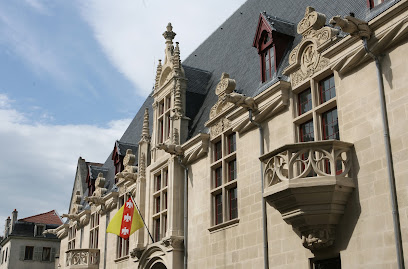
Nancy Cathedral
0.4 km
Explore the stunning Nancy Cathedral, a masterpiece of Gothic architecture, rich in history and artistic beauty, located in the heart of Nancy, France.
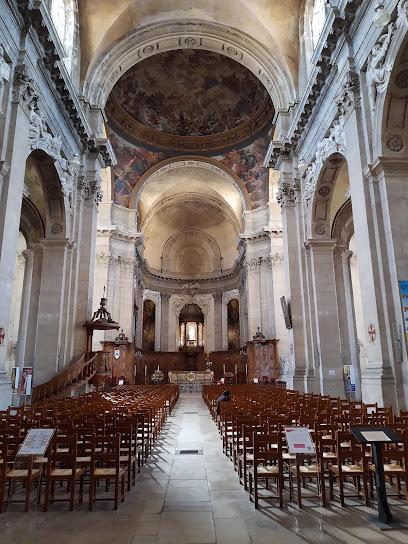
Parc de la Pépinière
0.4 km
Explore the lush landscapes and serene ambiance of Parc de la Pépinière, a must-visit urban park in Nancy, France, perfect for relaxation and recreation.
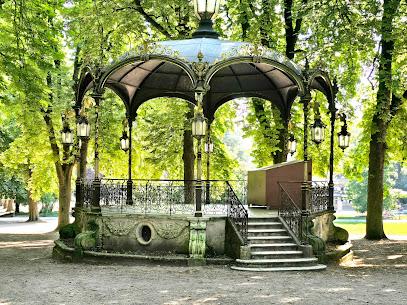
Church of the Cordeliers of Nancy
0.4 km
Explore the Church of the Cordeliers in Nancy, where history meets spirituality in a stunning museum setting filled with art and heritage.
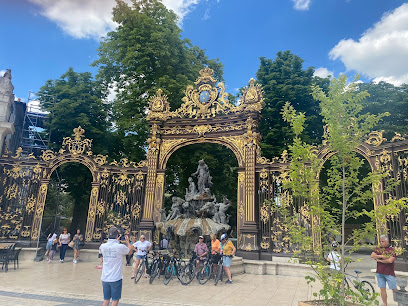
Nancy Museum-Aquarium
0.4 km
Discover the captivating blend of aquatic wonders and natural history at Nancy Museum-Aquarium, a must-visit for tourists in Nancy, France.
Essential places to dine

Restaurant Amis
0.1 km
Discover authentic French cuisine at Restaurant Amis, where local flavors meet exquisite dining in the heart of Nancy.
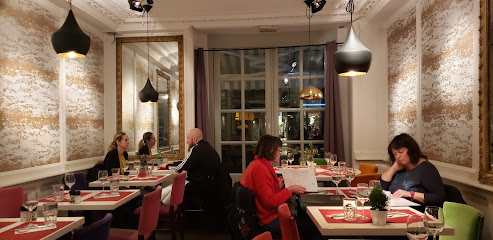
Suzette&Gino
0.1 km
Experience the exquisite blend of French and Italian flavors at Suzette&Gino in Nancy – where every meal is a delightful celebration.
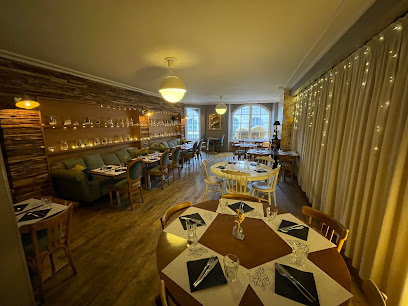
La Table de Bacchus
0.1 km
Discover exquisite French-Mediterranean cuisine at La Table de Bacchus in Nancy - a culinary gem for discerning travelers.
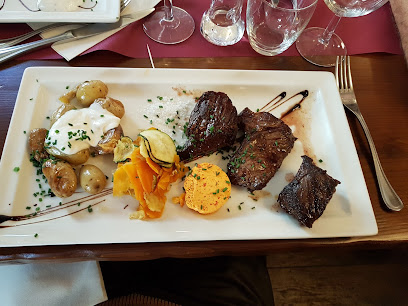
Carte Blanche Nancy
0.1 km
Experience exquisite French dining at Carte Blanche Nancy, where traditional flavors meet modern culinary artistry.
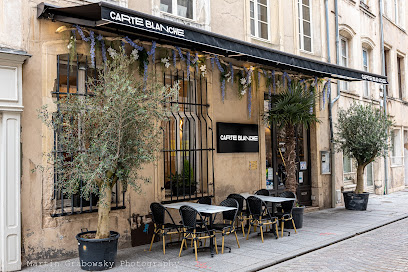
Les Saveurs du Maghreb 54
0.1 km
Discover authentic North African cuisine at Les Saveurs du Maghreb 54 in Nancy—your destination for delicious couscous and grilled delights.
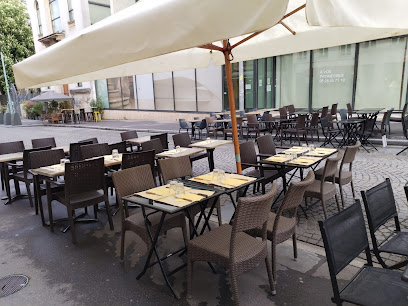
Le Palais de Jaipur
0.1 km
Savor the rich flavors of India at Le Palais de Jaipur in Nancy - a true gem for culinary enthusiasts seeking authentic Indian dining.
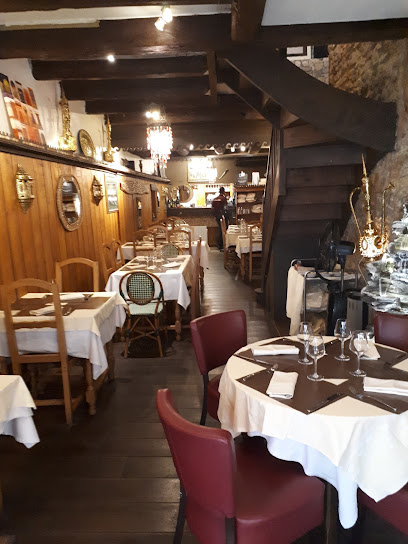
Le Potager lorrain
0.1 km
Experience authentic French and Mediterranean cuisine at Le Potager Lorrain in Nancy - a must-visit destination for food lovers.
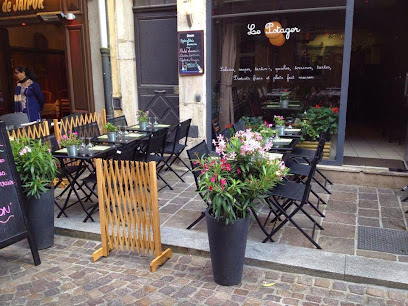
La Gentilhommière
0.1 km
Experience fine French dining at La Gentilhommière in Nancy, where exquisite cuisine meets elegant ambiance for an unforgettable meal.
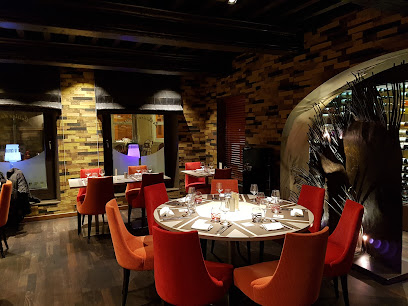
A la Table du Bon Roi Stanislas
0.1 km
Experience exquisite French cuisine at A la Table du Bon Roi Stanislas in Nancy - where tradition meets innovation in every dish.
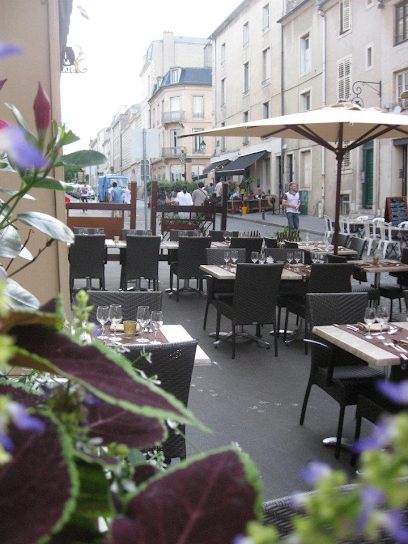
L'Escale
0.1 km
Discover the authentic flavors of French cuisine at L'Escale in Nancy - where every meal is a celebration of local ingredients.
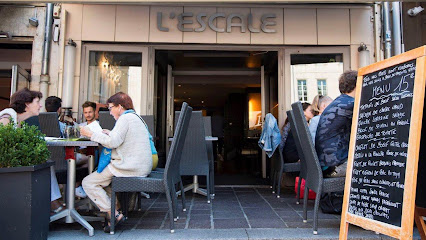
Les Fils à Maman Nancy
0.1 km
Discover the charm of French cuisine at Les Fils à Maman Nancy - where nostalgia meets culinary creativity.
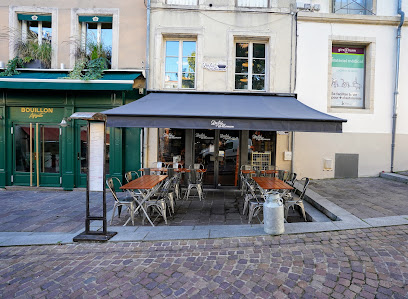
Racine
0.1 km
Discover Racine: An exquisite restaurant in Nancy offering seasonal French cuisine and unforgettable dining experiences.
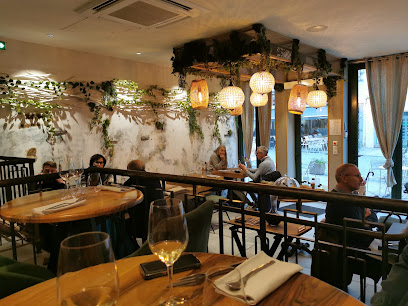
La Puce à l'Oreille
0.2 km
Experience authentic French cuisine in Nancy at La Puce à l'Oreille – where every meal is a celebration of local flavors and culinary artistry.
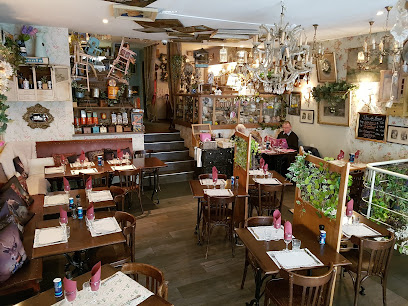
Restaurant Transparence
0.2 km
Experience exquisite French cuisine at Restaurant Transparence in Nancy – where every dish tells a story.
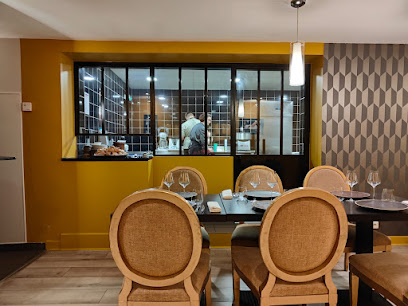
L'amusette
0.2 km
Experience authentic French cuisine at L'amusette, where tradition meets modernity in the heart of Nancy.
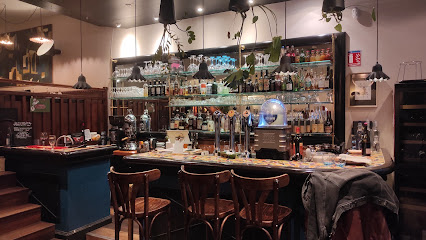
Markets, malls and hidden boutiques

Cristalleries Daum
0.1 km
Explore the exquisite craftsmanship of Cristalleries Daum in Nancy, where glass art meets unmatched elegance and creativity.
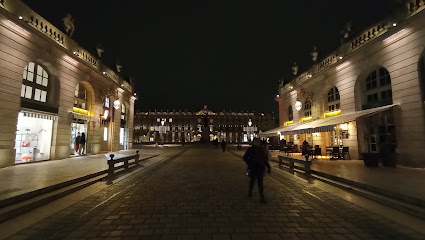
Les Nabis
0.2 km
Explore Les Nabis in Nancy for a unique shopping experience filled with local artistry, perfect gifts, and unforgettable souvenirs.
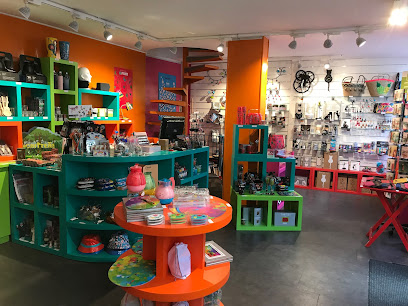
by CRACOTTE
0.2 km
Explore by CRACOTTE in Nancy for unique costume jewelry and stylish women's clothing, celebrating French craftsmanship and design.
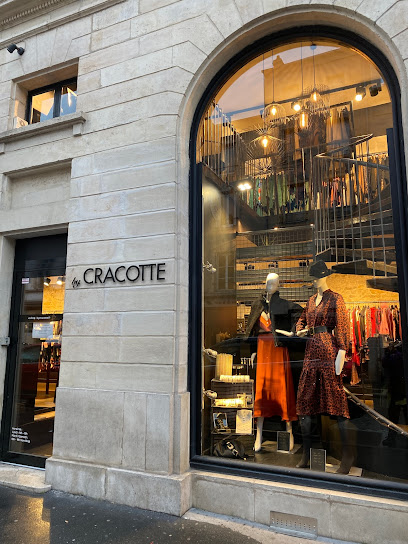
Le petit Souk Nancy
0.2 km
Explore the enchanting Le Petit Souk Nancy, a charming gift shop offering unique toys, home goods, and delightful treasures in the heart of Nancy, France.
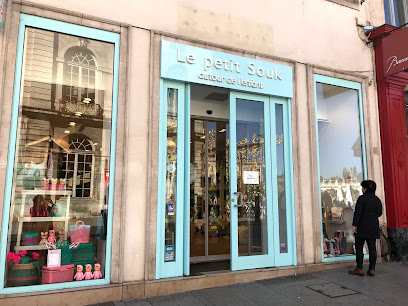
Concept Store Atypic Nancy
0.2 km
Explore the vibrant fashion scene at Concept Store Atypic Nancy, your destination for unique clothing and accessories in the heart of the city.
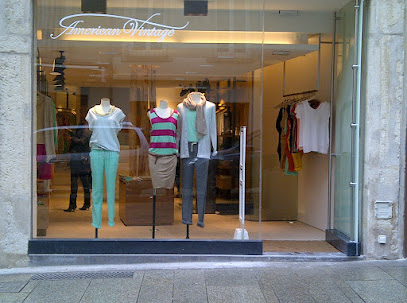
American Vintage Femme
0.2 km
Discover chic women's clothing at American Vintage Femme in Nancy, where style meets elegance in the heart of France.
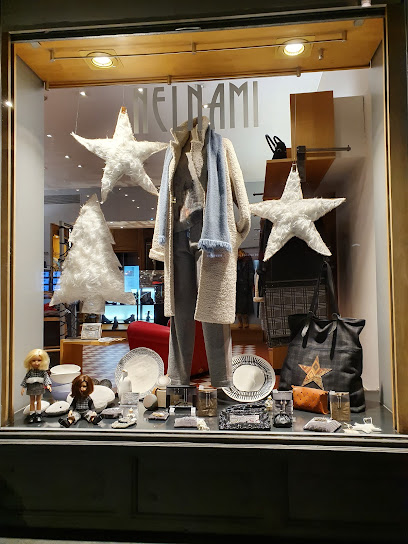
Boutique NELNAMI
0.2 km
Discover the essence of French fashion at Boutique NELNAMI in Nancy, where style meets comfort in a chic shopping experience.
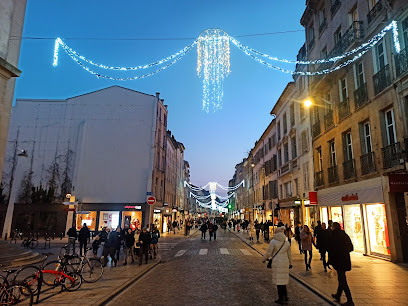
Espace Week-End
0.2 km
Discover Espace Week-End in Nancy, your go-to spot for stylish men's and children's clothing that combines quality with contemporary design.
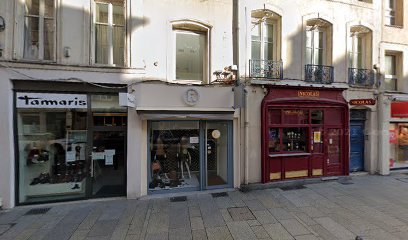
F. Boutique
0.3 km
Discover unique fashion finds at F. Boutique in Nancy, a charming clothing store showcasing the latest trends and local designers.
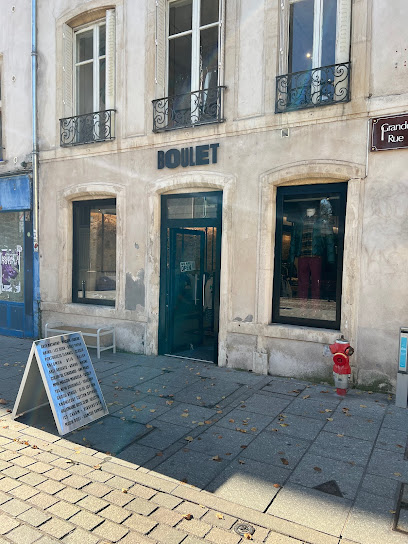
Boulet
0.3 km
Discover the essence of contemporary fashion at Boulet Store in Nancy, where style meets sophistication and local trends flourish.
MOLUKI
0.3 km
Explore Moluki in Nancy for an unforgettable vintage shopping experience, where every piece has a story to tell.

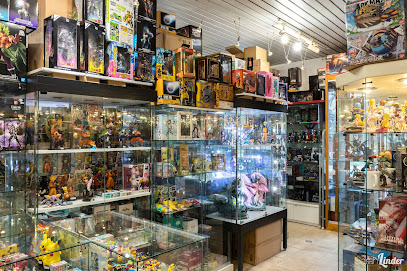
Akiba Station
0.3 km
Explore the enchanting world of toys at Akiba Station in Nancy, where imagination comes to life and nostalgia reigns supreme.
MAISON ET CADEAUX
0.3 km
Explore MAISON ET CADEAUX in Nancy for exclusive gifts and local treasures that embody the spirit of this historic French city.
Anthony
0.4 km
Explore Boutique Anthony in Nancy, France – a stylish haven for contemporary fashion lovers seeking unique clothing and accessories.
Finest Boutique
0.4 km
Discover local fashion at Finest Boutique in Nancy, where unique style meets local craftsmanship for an unforgettable shopping experience.
Essential bars & hidden hideouts

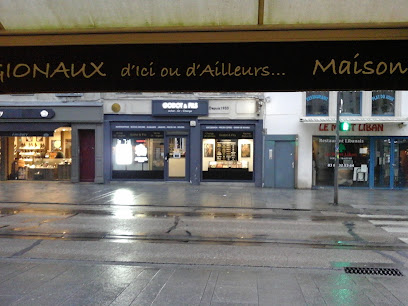
Bagatelle
0.0 km
Discover the vibrant atmosphere of Bagatelle, a bar in Nancy offering a unique blend of local culture and refreshing beverages in a cozy setting.
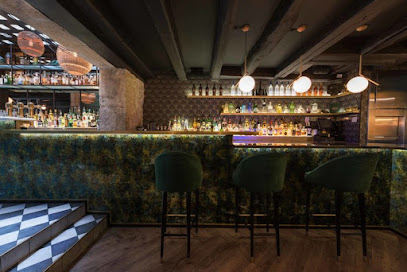
Les Berthom
0.1 km
Discover the vibrant ambiance of Les Berthom, a top-notch bar in Nancy offering an exceptional selection of beers, ciders, and tasty tapas.
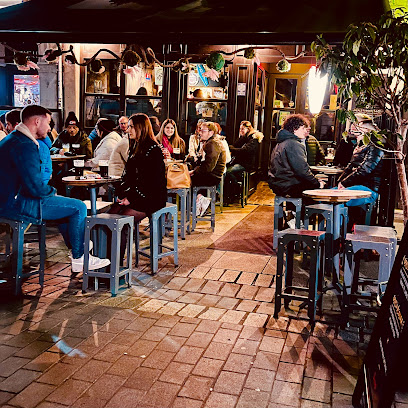
Pub Le Phenix
0.2 km
Discover the vibrant Pub Le Phenix in Nancy, where locals and tourists enjoy a lively atmosphere with a fantastic drink selection and delicious pub fare.
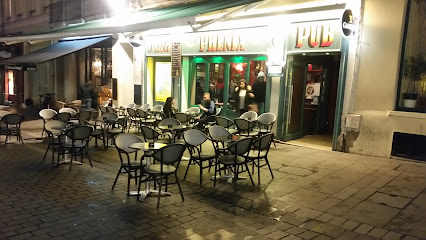
Les Artistes Café
0.2 km
Discover the charm of Les Artistes Café in Nancy, where local flavors meet a warm atmosphere in this artistic café-bar haven.
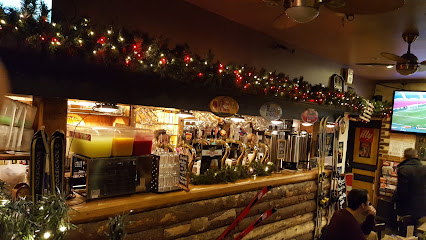
54 Cocktails Bar - Nancy
0.2 km
Experience the vibrant cocktail culture at 54 Cocktails Bar in Nancy, where creativity and flavor blend seamlessly in every drink.
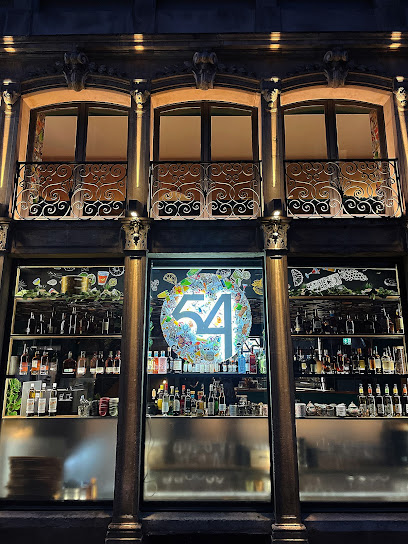
MiMi Saint Epvre
0.3 km
Discover the vibrant atmosphere and unique drinks at MiMi Saint Epvre, a must-visit bar in the heart of Nancy, France.
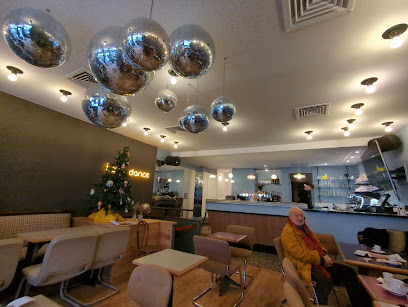
Le Ch'timi
0.3 km
Experience the rich flavors of Lorraine at Le Ch'timi, a lively beer hall and café in the heart of Nancy offering local brews and traditional cuisine.
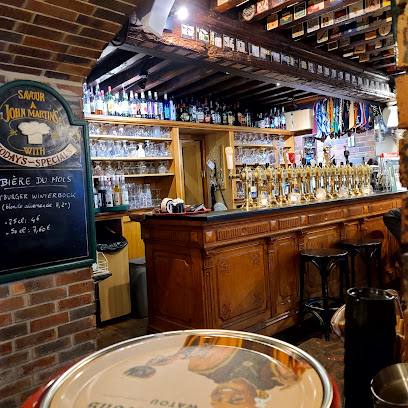
La Faille
0.3 km
Experience the vibrant nightlife of Nancy at La Faille, where craft beers and cocktails meet exceptional ambiance and live entertainment.
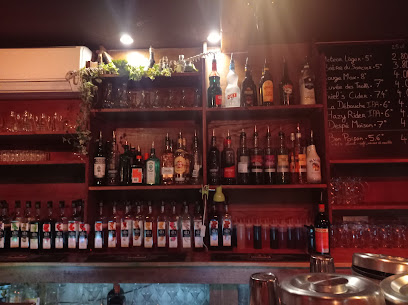
Le Gavroche
0.3 km
Discover the cozy charm of Le Gavroche in Nancy, where delightful beverages meet a welcoming atmosphere, perfect for any traveler.
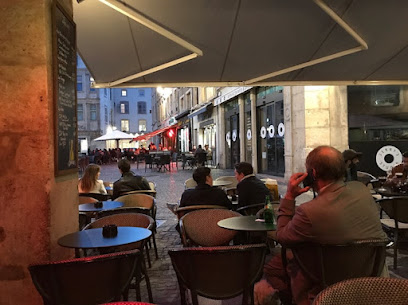
Bar des Carmes
0.3 km
Discover the cozy atmosphere of Bar des Carmes, a delightful bar and brewery in Nancy, perfect for enjoying artisan drinks and local flavors.
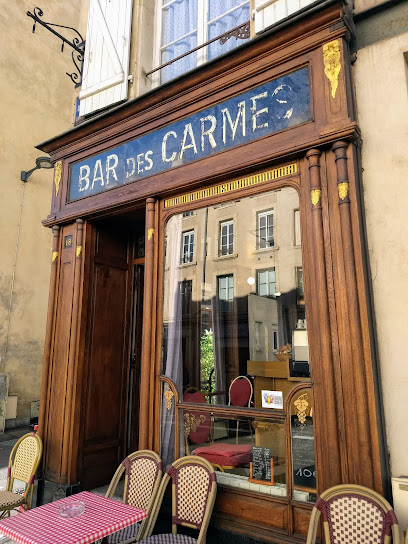
Café des Trolls
0.3 km
Experience the best of local brews and vibrant atmosphere at Café des Trolls, a must-visit beer hall in the heart of Nancy.
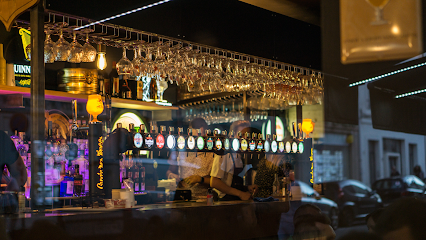
Les Docks Café
0.4 km
Discover the vibrant Les Docks Café in Nancy, where local flavors meet a lively pub atmosphere, perfect for unwinding after a day of exploration.
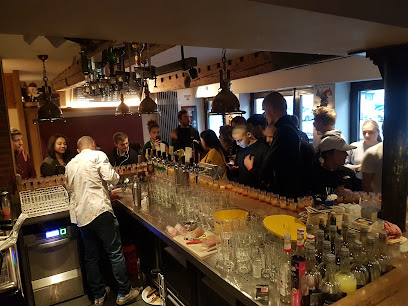
Ruin Bär
0.4 km
Discover the lively nightlife at Ruin Bär, a unique bar in Nancy, France, offering an eclectic atmosphere and a diverse drink selection.
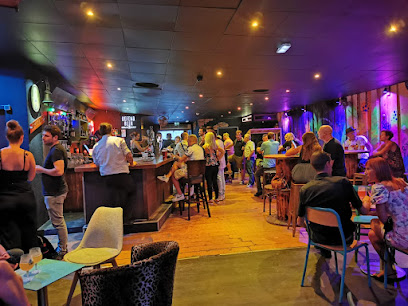
Les Arrangés du bocal
0.4 km
Explore the vibrant cocktail culture at Les Arrangés du Bocal, Nancy's premier destination for artisanal drinks and a cozy atmosphere.
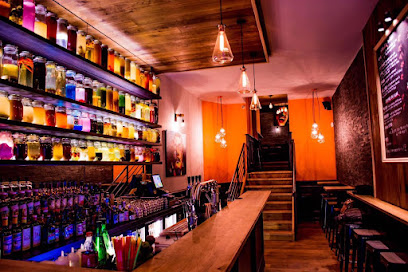
Le Médiéval
0.4 km
Experience the vibrant nightlife of Nancy at Le Médiéval, where medieval charm meets modern mixology in a lively bar atmosphere.
Nightclubs & after hour spots

L'Arq
0.0 km
Experience the vibrant nightlife of Nancy at L'Arq, a stylish night club renowned for its eclectic music and lively atmosphere.
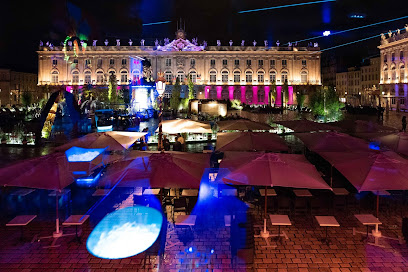
La Place
0.1 km
Experience the vibrant nightlife of Nancy at La Place, a top night club and bar where music, dancing, and fun come together for an unforgettable evening.
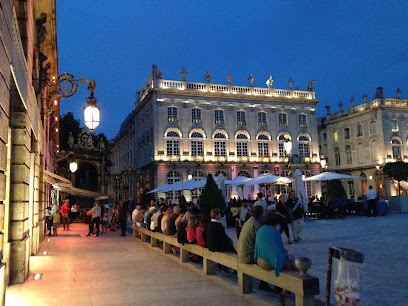
MC FLY
0.3 km
Discover the chic ambiance and vibrant nightlife at MC FLY, Nancy's premier lounge destination for tourists and locals alike.
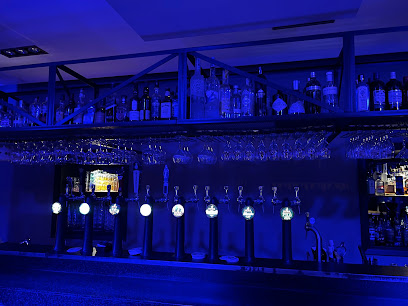
totemem
0.3 km
Discover Nancy's nightlife at Totemem, a vibrant night club with an electric atmosphere perfect for dancing and socializing.
Le Snooz
0.3 km
Experience the vibrant nightlife at Le Snooz, Nancy's leading night club where disco beats and dancing await until dawn.
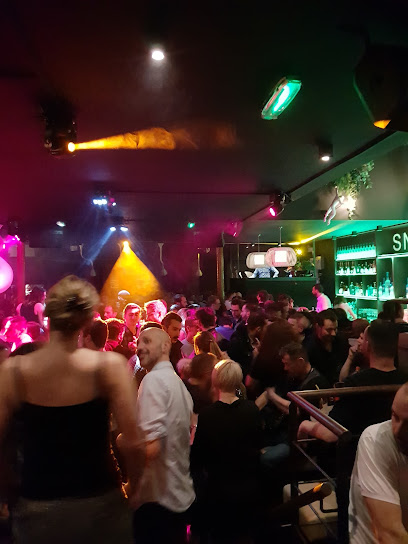
Mojo
0.4 km
Discover Mojo, the ultimate night club in Nancy, where vibrant energy, great music, and unforgettable experiences await you.
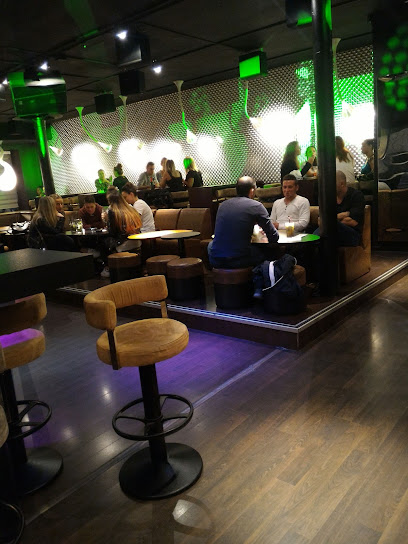
The Electric Sheep
0.5 km
Experience the vibrant nightlife of Nancy at The Electric Sheep, where eclectic decor meets an extensive drink menu for a memorable evening.
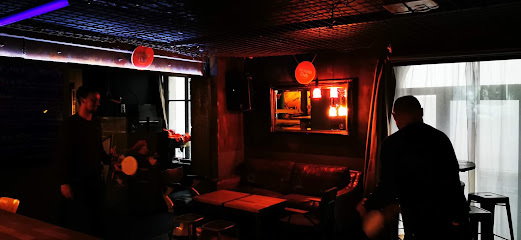
Dnm
0.5 km
Discover Dnm, a lively bar in Nancy, where you can enjoy a vibrant atmosphere and a delightful selection of drinks, perfect for unwinding after a day of exploration.
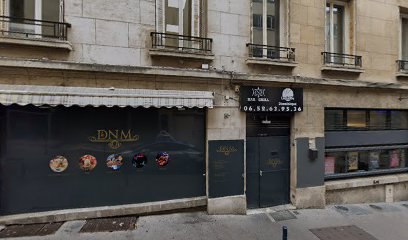
LE CARGO
0.7 km
Discover the heart of Nancy's nightlife at LE CARGO, where music, dancing, and unforgettable memories await.

Le Black Baron
1.1 km
Discover the chic ambiance of Le Black Baron, a stylish lounge in Nancy, offering a diverse drink menu and light bites in a relaxed setting.
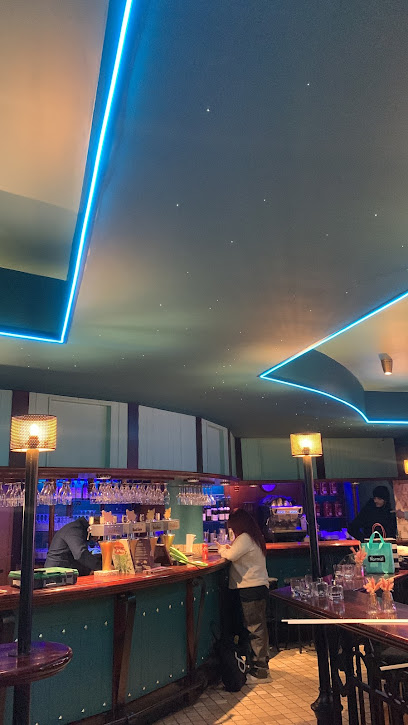
La Kaza - Bar Lounge Nancy
1.1 km
Experience the vibrant nightlife of Nancy at La Kaza, a lively bar lounge offering cocktails, hookah, and live music.
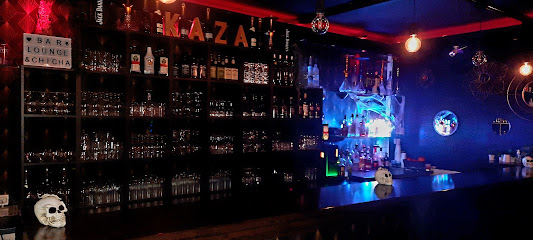
The black Cat
1.2 km
Experience the vibrant nightlife of Nancy at The Black Cat, the city's premier disco club, where music, dancing, and unforgettable moments await.
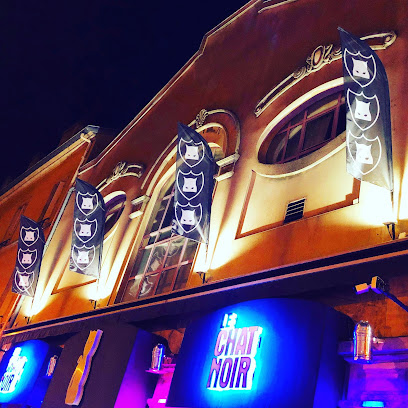
Ostra Club
1.2 km
Immerse yourself in the vibrant nightlife at Ostra Club, Nancy's premier disco club, featuring top DJs and an electrifying atmosphere.
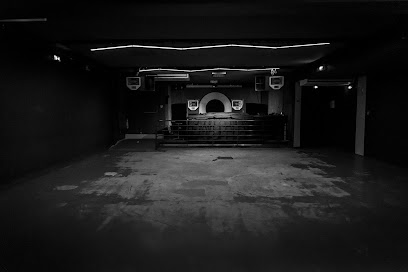
Discoloc
1.4 km
Experience the electrifying nightlife at Discoloc, Nancy's hottest night club, where music and excitement come alive until dawn.
Le Dolls Club
1.6 km
Discover the nightlife at Le Dolls Club in Nancy, where vibrant atmosphere meets stylish cocktails for an unforgettable evening.