

Temple du Change, Lyon Travel Guide
Discover the Temple du Change in Lyon's Vieux Lyon: a captivating blend of architectural styles and a testament to the city's rich history, from stock exchange to sanctuary.
The Temple du Change, nestled in Lyon's historic Vieux Lyon district, stands as a captivating testament to the city's rich architectural and cultural evolution. Originally constructed as the Loge du Change, a bustling stock exchange in the 17th century, it was later transformed into a Protestant church in the early 19th century. Its stunning facade, a blend of Italian Baroque and neoclassical styles, reflects the influence of renowned architect Jacques-Germain Soufflot, celebrated for his work on the Panthéon in Paris. Today, the Temple du Change serves as a place of worship and a venue for cultural events, inviting visitors to admire its elegant design and delve into Lyon's fascinating past. Located on Place du Change, the building is surrounded by other historical landmarks and offers a serene space for reflection amidst the vibrant atmosphere of Vieux Lyon, a UNESCO World Heritage site.
A brief summary to Temple du Change
- Pl. du Change, Lyon, 69005, FR
- Click to display
- Click to display
- Saturday 3 pm-6 pm
- Sunday 10 am-12:30 pm

Know before you go
Hi, I'm Eve. Here are a few practical things to know before exploring Temple du Change.
- Visit during a Sunday service to experience the Temple du Change as a living place of worship.
- Explore the Place du Change and admire the surrounding Renaissance architecture.
- Check the Temple du Change's website for upcoming concerts and cultural events.
- Combine your visit with a stroll through Vieux Lyon, a UNESCO World Heritage site.
- Look for the 'ideal' clock on the facade, added in 1999, which displays days, months, and years.
Do you manage this location?
Take control to get all the benefits, like improved information, better appearance, and stronger visibility across AI-powered discovery. Learn more about listing your business on Evendo
Activate your presenceOther nearby places you may find interesting
The closest places of the same kind, if this one is not quite what you had in mind.





Explore Temple du Change on the Map
A handpicked selection of must-see spots near Temple du Change, mapped for you.
Unlock the Best of Temple du Change
Buy tickets
-
No tickets available
Book tours with entry


Getting There
-
Walking
The Temple du Change is located on Place du Change in Vieux Lyon, a pedestrian-friendly area. From the Saint-Jean-Baptiste Cathedral (Lyon Cathedral), walk north along Rue Saint-Jean. Turn left onto Place du Change. The Temple du Change will be on your right. The walk is short and straightforward, taking you through the heart of Vieux Lyon.
-
Public Transport
The closest metro station is Vieux Lyon–Cathédrale Saint-Jean (Line D). From the station, exit towards the cathedral and follow the walking directions above. Alternatively, several bus lines serve the area. Check the TCL (Transports en Commun Lyonnais) website for the most up-to-date routes and schedules. A single ticket costs €2 and is valid for one hour on all TCL services.
-
Taxi/Ride-Share
Taxis and ride-sharing services can drop you off near Place du Change, but note that direct access may be limited due to pedestrian zones. Aim for a drop-off point on Quai Romain Rolland along the Saône River or Rue du Boeuf, a short walk from the square. A short taxi ride within Lyon typically costs between €10 and €15.
-
Driving
Driving directly to Place du Change is not recommended due to the pedestrianized nature of Vieux Lyon. The closest parking options are Parking Saint-Jean or Parking Bellecour. From either parking location, it's a short walk to Place du Change. Parking rates typically range from €2.50 to €3 per hour, with daily rates around €30. Booking in advance is recommended, especially during peak season.
Discover more about Temple du Change













Your all‑in‑one travel companion app
Explore expert travel guides, compare and book tours, experiences, hotels, and more—all from the palm of your hand. Download now for seamless trip planning wherever your wanderlust takes you.


Explore More of Lyon
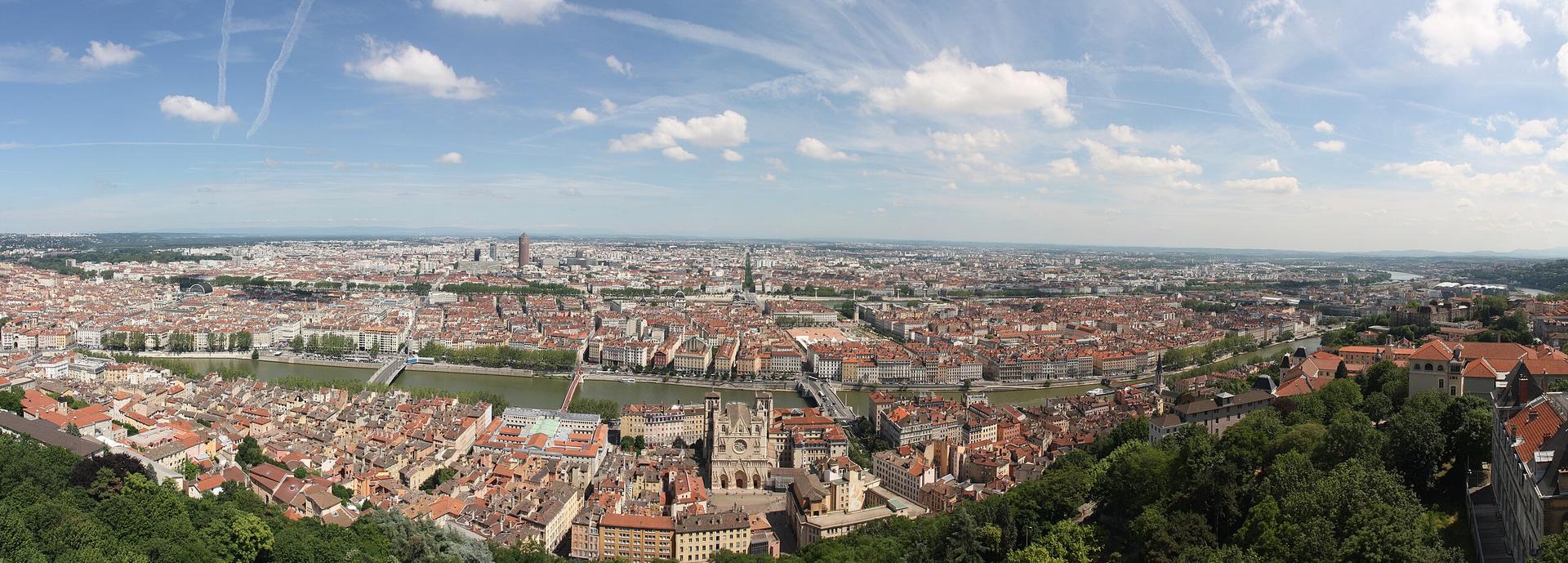
Looking beyond Temple du Change? Discover Lyon for broader travel guides, local hot-spots, and regional highlights.
Explore Lyon
Discover Lyon's Hôtel de Ville, a magnificent architectural masterpiece with centuries of history, standing proudly on Place de la Comédie, a testament to the city's enduring spirit.
Explore Lyon's captivating history at Musée Gadagne, from Roman roots to silk industry prominence, within a stunning Renaissance landmark. Discover Lyon's cultural heart.
