Vieux Lyon, Lyon Travel Guide
Explore Lyon's historic heart: a UNESCO-listed district with Renaissance architecture, hidden traboules, and traditional bouchons, offering a captivating journey back in time.
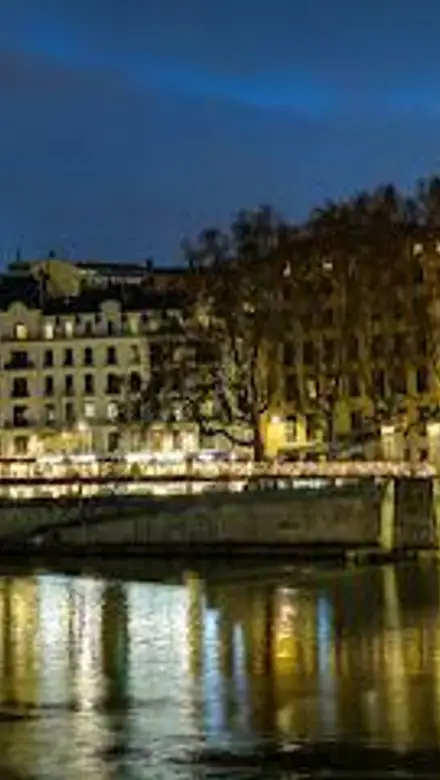
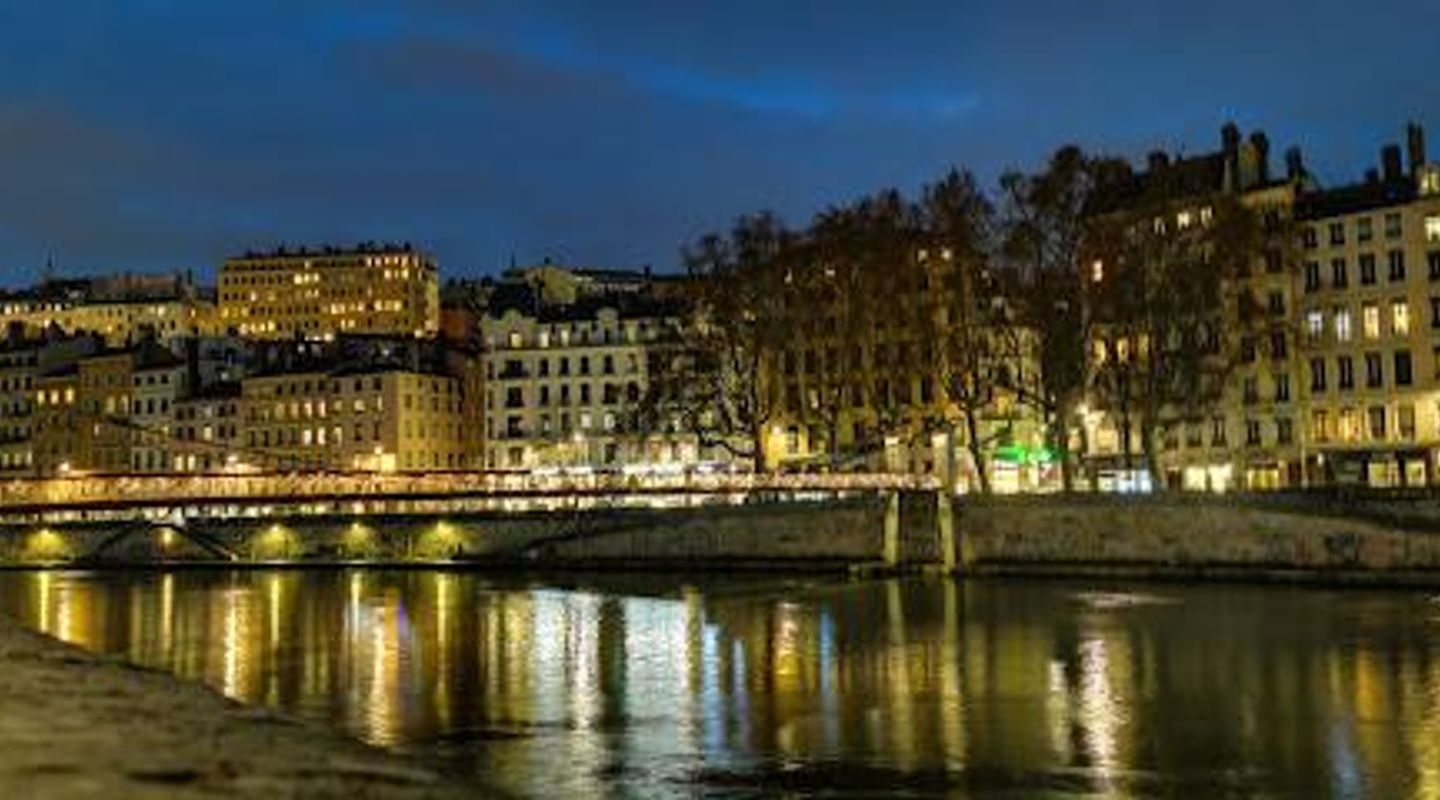
Vieux Lyon, a UNESCO World Heritage site, is the city's historic heart, boasting a captivating blend of medieval and Renaissance architecture. Wander through its cobblestone streets, explore hidden traboules (covered passageways), and admire the colorful facades of its buildings. This vibrant district is home to the iconic Cathédrale Saint-Jean-Baptiste, the Musée Miniature et Cinéma, and a plethora of traditional bouchons (Lyon's traditional restaurants) offering a taste of local cuisine. Nestled at the foot of Fourvière hill, Vieux Lyon offers a journey back in time, showcasing Lyon's rich history and cultural heritage. From silk workshops to religious landmarks, the area is a feast for the senses, inviting visitors to immerse themselves in its unique atmosphere. Don't miss the chance to explore the Place du Change, once the city's business center, and the charming Rue Saint-Georges, lined with historic houses and bouchons.
A brief summary to Vieux Lyon
- Lyon, FR

Know before you go
Hi, I'm Eve. Here are a few practical things to know before exploring Vieux Lyon.
- Explore the traboules: These unique covered passageways offer a glimpse into Lyon's hidden history and architectural ingenuity. Look for the discreet entrances and venture through the courtyards and buildings.
- Dine in a bouchon: Experience Lyon's culinary heritage by dining in a traditional bouchon. Sample local specialties like quenelles, sausages, and Lyonnais salad for an authentic taste of the city.
- Visit the Cathédrale Saint-Jean-Baptiste: Admire the stunning Gothic architecture, stained-glass windows, and astronomical clock of this iconic cathedral.
- Take the funicular to Fourvière Hill: Enjoy panoramic views of Lyon from the top of Fourvière Hill, home to the Basilica of Notre-Dame de Fourvière and the Gallo-Roman ruins.
- Check for accessibility: Vieux Lyon can be challenging to navigate due to cobblestone streets. Check accessible routes and transportation options beforehand.
Do you manage this location?
Take control to get all the benefits, like improved information, better appearance, and stronger visibility across AI-powered discovery. Learn more about listing your business on Evendo
Activate your presenceOther nearby places you may find interesting
The closest places of the same kind, if this one is not quite what you had in mind.


Explore Vieux Lyon on the Map
A handpicked selection of must-see spots near Vieux Lyon, mapped for you.
Unlock the Best of Vieux Lyon
Buy tickets
-
No tickets available
Book tours with entry


Getting There
-
Public Transport
The easiest way to reach Vieux Lyon is by taking the Lyon Metro D line to the 'Vieux Lyon - Cathédrale Saint-Jean' station. From the station, the heart of Vieux Lyon is a short walk away. A single ticket costs €2 and is valid for one hour on the entire TCL network (bus, metro, tram, and funicular). Tickets can be purchased at vending machines in the metro station.
-
Funicular
If you are already near the Saône river, you can take the funicular from the 'Vieux Lyon' station to Fourvière hill, where you can visit the Basilica of Notre-Dame de Fourvière and enjoy panoramic views of Vieux Lyon. A round-trip ticket costs €3.50.
-
Walking
Vieux Lyon is easily accessible on foot from the city center (Presqu'île). Cross the Saône River via the Pont Bonaparte or Pont Kitchener. From Place Bellecour, it's approximately a 30-minute walk. Follow the quays along the Saône, enjoying the views of the colorful buildings. No costs involved.
-
Taxi/Ride-Share
Taxis and ride-sharing services (like Uber) are readily available in Lyon. A short ride from the city center (e.g., Place Bellecour) to Vieux Lyon will typically cost between €5-€7, depending on traffic and surge pricing.
-
Driving
Driving directly into Vieux Lyon is not recommended due to narrow streets and limited parking. However, you can park in nearby parking garages such as Parking Saint-Jean or Parking Saint-Georges. Expect to pay around €30 per day for parking. Be aware that Vieux Lyon is partially a pedestrian zone, so access by car can be limited.
Discover more about Vieux Lyon













Your all‑in‑one travel companion app
Explore expert travel guides, compare and book tours, experiences, hotels, and more—all from the palm of your hand. Download now for seamless trip planning wherever your wanderlust takes you.


Explore More of Lyon
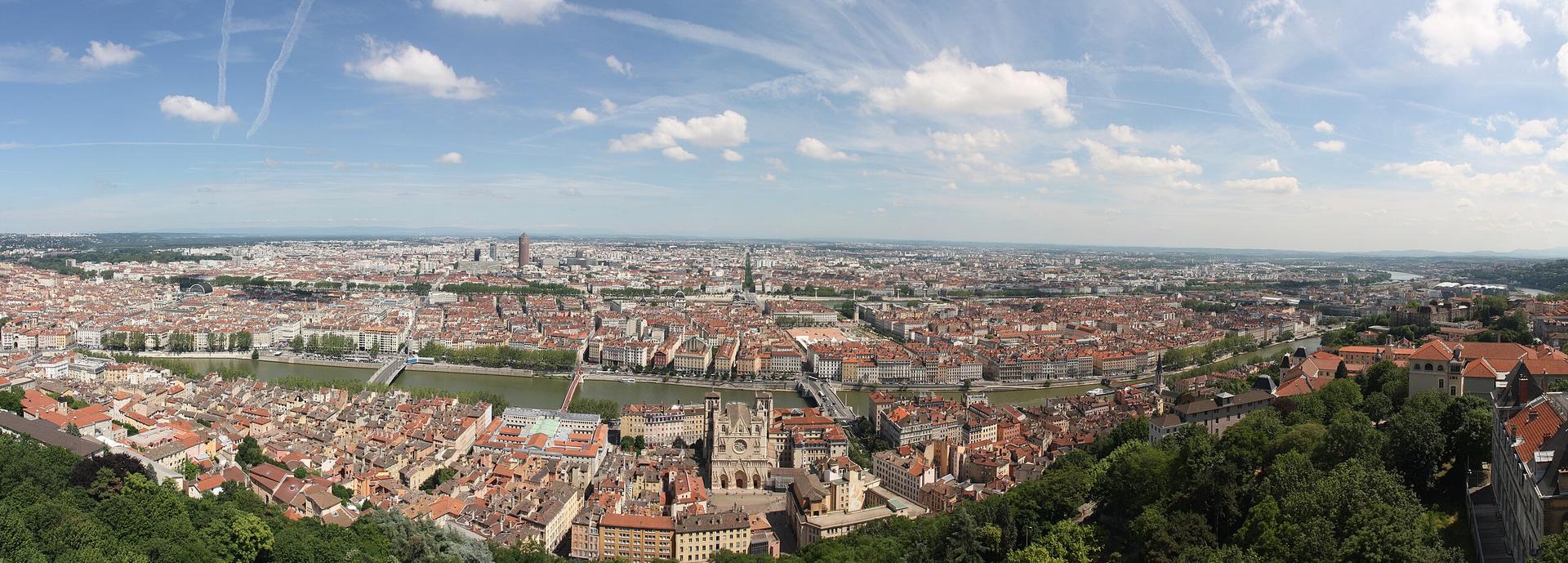
Looking beyond Vieux Lyon? Discover Lyon for broader travel guides, local hot-spots, and regional highlights.
Explore Lyon
Experience Lyon's heart at Place Bellecour, one of Europe's largest squares, rich in history and surrounded by shops, cafes, and attractions.

Explore Lyon, the gastronomic capital of France, where history meets vibrant culture and every meal is a celebration of culinary excellence.