
Traboule et Cour des Voraces, Lyon Travel Guide
Discover Lyon's hidden history at the Traboule et Cour des Voraces, a secret passage revealing the city's silk-weaving past and the spirit of its rebellious workers.
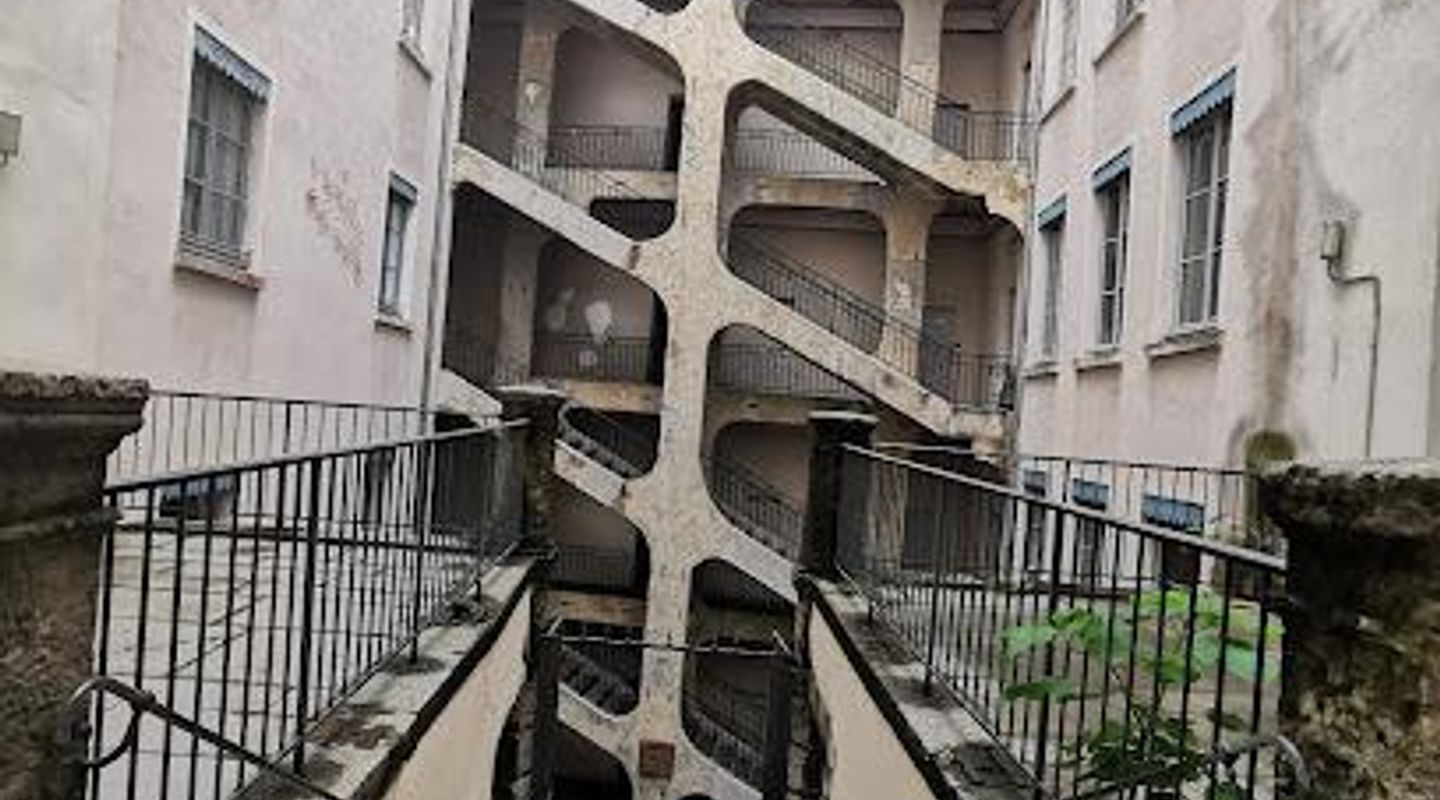
The Traboule et Cour des Voraces, nestled in Lyon's Croix-Rousse district, offers a captivating journey through the city's rich past. More than just a passage, it's a symbol of Lyon's silk-weaving heritage and the spirit of its working class. This historical landmark features a monumental six-story staircase, an architectural marvel that dominates the courtyard and evokes a sense of grandeur. As you navigate this hidden gem, you'll discover the stories of the 'Voraces,' a group of rebellious workers who played a significant role in Lyon's social movements. The traboule provides a unique glimpse into the city's network of secret passages, offering an unforgettable experience for history enthusiasts and curious travelers alike. Its historical significance, architectural uniqueness, and central location make it a must-see attraction for anyone exploring Lyon. The Cour des Voraces stands as a testament to Lyon's vibrant past and its enduring spirit of innovation and resistance.
A brief summary to Traboule et Cour des Voraces
- 9 Pl. Colbert, Lyon, 69001, FR
- Click to display

Know before you go
Hi, I'm Eve. Here are a few practical things to know before exploring Traboule et Cour des Voraces.
- Wear comfortable shoes, as you'll be doing a lot of walking and navigating uneven surfaces within the traboule.
- Be respectful of the residents who live in the buildings surrounding the traboule; keep noise levels down and avoid blocking doorways.
- Consider joining a guided tour to learn more about the history and significance of the traboule and the Croix-Rousse district.
- Bring a camera to capture the unique architecture and atmosphere of this hidden gem.
- Combine your visit with a stroll through the Croix-Rousse neighborhood to experience its vibrant culture and local shops.
Do you manage this location?
Take control to get all the benefits, like improved information, better appearance, and stronger visibility across AI-powered discovery. Learn more about listing your business on Evendo
Activate your presenceOther nearby places you may find interesting
The closest places of the same kind, if this one is not quite what you had in mind.


Explore Traboule et Cour des Voraces on the Map
A handpicked selection of must-see spots near Traboule et Cour des Voraces, mapped for you.
Unlock the Best of Traboule et Cour des Voraces
Buy tickets
-
No tickets available
Book tours with entry


Getting There
-
Public Transport
From the Hôtel de Ville - Louis Pradel metro station (served by lines A and C), walk north along Rue de la Martinière, then turn left onto Quai André Lassagne. Cross the Pont de la Feuillée and continue onto Quai de Bondy. Turn right onto Place Louis Chazette, then left onto Rue Imbert-Colomès. Walk a few blocks; the entrance to the Traboule et Cour des Voraces is at 9 Place Colbert. A single ticket for the Lyon public transport system (TCL) costs €1.90 and is valid for one hour, allowing transfers between metro, tram, bus and funicular lines.
-
Walking
From Place des Terreaux, walk north along Rue Paul Chenavard, then turn right onto Quai de la Pêcherie. Cross the Pont de la Feuillée and continue onto Quai de Bondy. Turn right onto Place Louis Chazette, then left onto Rue Imbert-Colomès. Walk a few blocks; the entrance to the Traboule et Cour des Voraces is at 9 Place Colbert. The walk is approximately 15 minutes and offers scenic views of the Saône River.
-
Taxi/Ride-Share
A taxi or ride-share from Place Bellecour to 9 Place Colbert will typically cost between €10 and €15, depending on traffic and the time of day. The journey usually takes around 10-15 minutes. Be sure to specify the address clearly to the driver.
-
Driving
Driving directly to 9 Place Colbert is possible, but parking in the area can be challenging. Consider parking in a nearby car park such as Parking Opéra Lyon (Place de l'Opéra, 69001 Lyon) or one of the other public car parks in the 1st arrondissement. Expect to pay around €2.50-3.50 per hour for parking, or €20-30 for a full day. From the car park, walk to 9 Place Colbert. Note that traffic in the city center can be congested, especially during peak hours.
Discover more about Traboule et Cour des Voraces
More to explore near Traboule et Cour des Voraces













Your all‑in‑one travel companion app
Explore expert travel guides, compare and book tours, experiences, hotels, and more—all from the palm of your hand. Download now for seamless trip planning wherever your wanderlust takes you.


Explore More of Lyon
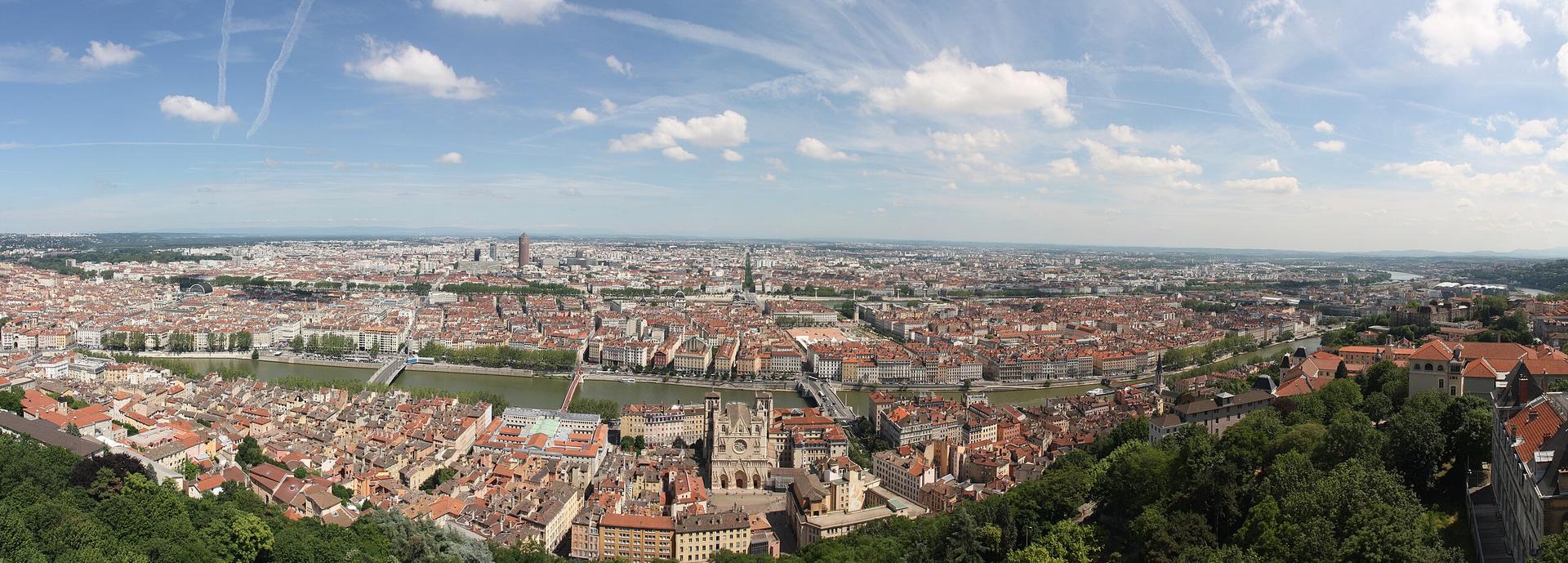
Looking beyond Traboule et Cour des Voraces? Discover Lyon for broader travel guides, local hot-spots, and regional highlights.
Explore Lyon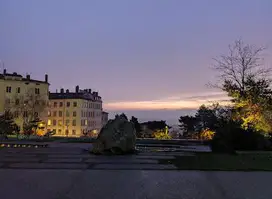
Discover panoramic views and tranquil beauty at Jardin du Gros Caillou in Lyon, a serene escape with historical significance and stunning scenery atop Croix-Rousse hill.
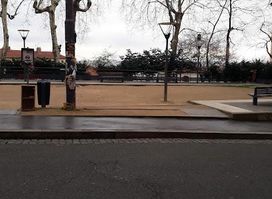
Discover Place Colbert in Lyon: A serene 19th-century square with lush greenery, historical traboules, and a vibrant community atmosphere, perfect for a peaceful escape.
