Notre dame de Fourvière, Lyon Travel Guide
Discover Lyon's iconic Basilica of Notre-Dame de Fourvière: a stunning architectural masterpiece with breathtaking panoramic views, rich history, and spiritual significance.
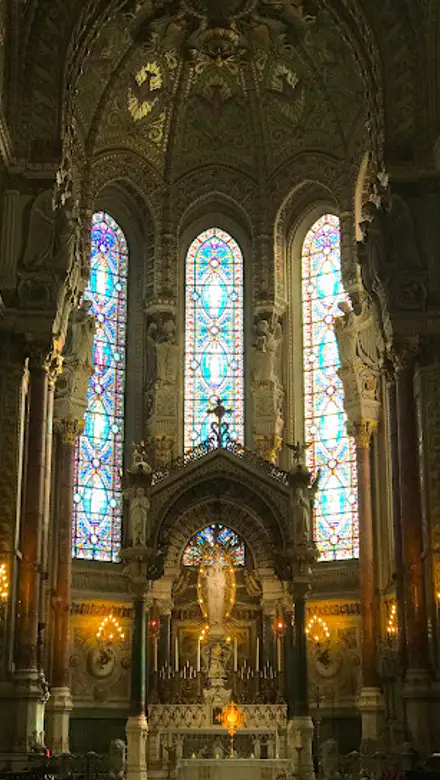
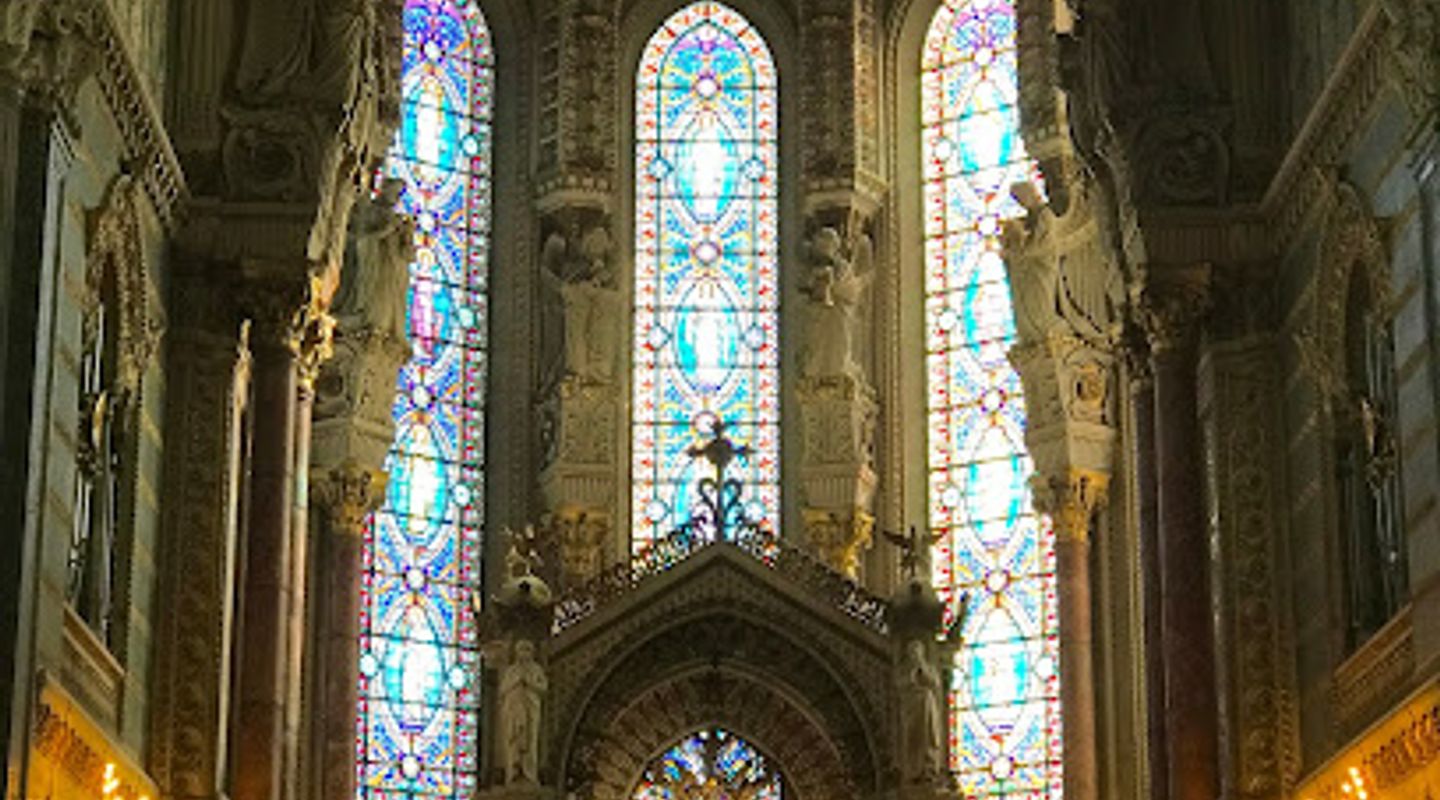
Perched atop Fourvière hill, the Basilica of Notre-Dame de Fourvière is a defining landmark of Lyon, offering breathtaking panoramic views of the city. Built between 1872 and 1896, this architectural masterpiece blends Romanesque and Byzantine styles, featuring intricate mosaics, stunning stained glass, and a crypt dedicated to Saint Joseph. More than just a religious site, it's a symbol of Lyon, drawing over two million visitors annually. Explore its rich history, admire its opulent interiors, and soak in the unparalleled vistas. Whether you ascend via funicular, bus, or a scenic walk, a visit to Fourvière Basilica is an essential Lyon experience, offering a glimpse into the city's soul and a feast for the senses. Don't miss the chance to discover why this basilica is considered a 'treasure of humanity'.
A brief summary to Notre dame de Fourvière
- Lyon, FR

Know before you go
Hi, I'm Eve. Here are a few practical things to know before exploring Notre dame de Fourvière.
- Take the funicular from Vieux Lyon for a scenic and effortless ascent to the basilica.
- Visit during the week to avoid the largest crowds, especially during peak tourist season.
- Check the basilica's website for mass times and plan your visit accordingly if you wish to attend or avoid services.
- Consider a guided tour to learn about the basilica's history, architecture, and symbolism.
- Don't miss the panoramic views of Lyon from the esplanade, especially stunning at sunset.
Do you manage this location?
Take control to get all the benefits, like improved information, better appearance, and stronger visibility across AI-powered discovery. Learn more about listing your business on Evendo
Activate your presenceOther nearby places you may find interesting
The closest places of the same kind, if this one is not quite what you had in mind.



Explore Notre dame de Fourvière on the Map
A handpicked selection of must-see spots near Notre dame de Fourvière, mapped for you.
Getting There
-
Public Transport
From Vieux Lyon (Cathédrale Saint-Jean) metro station (Line D), take the Funiculaire de Fourvière (F1). The funicular runs frequently, and the ride takes only a few minutes. A single ticket costs €3.60 for a return trip. Alternatively, a standard TCL ticket (€1.90) can be used, or a 24/48/72-hour pass if you have one. From the upper funicular station, it's a short, easy walk to the basilica.
-
Bus
Bus lines C20 and C20E stop directly at 'Fourvière' near the basilica. These buses depart from Perrache. A standard TCL ticket (€1.90) is required.
-
Taxi/Ride-Share
A taxi or ride-share from Vieux Lyon to the basilica will cost approximately €4-€6, depending on traffic. The journey takes about 4 minutes.
-
Driving
If driving, be aware that parking near the basilica is limited. On-street parking is available but can be difficult to find, and is paid parking from Monday to Saturday, 9:00 to 19:00. Expect to pay around €2.00 for 1 hour or €6.00 for 2 hours. Some car parks are located within walking distance, such as Saint-Jean and Saint-Just, but these can also fill up quickly. Secure parking with electric vehicle charging is available for a fee at Fourvière Hôtel Lyon.
-
Walking
For those who enjoy a walk, several staircases and footpaths lead from Vieux Lyon to the top of Fourvière hill. The 'Montée des Chazeaux' and 'Montée du Gourguillon' are popular routes. The walk is steep and takes approximately 20-30 minutes, but offers rewarding views along the way. No costs are associated with walking.
Discover more about Notre dame de Fourvière
More to explore near Notre dame de Fourvière













Your all‑in‑one travel companion app
Explore expert travel guides, compare and book tours, experiences, hotels, and more—all from the palm of your hand. Download now for seamless trip planning wherever your wanderlust takes you.


Explore More of Lyon
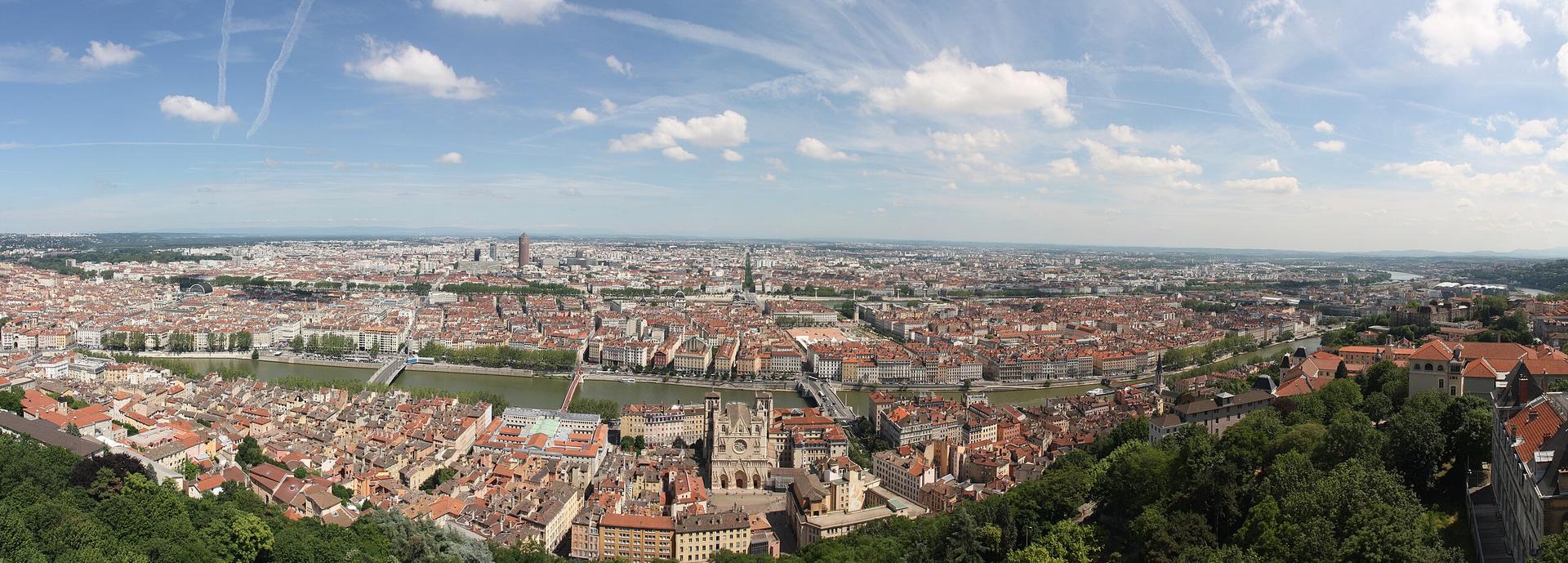
Looking beyond Notre dame de Fourvière? Discover Lyon for broader travel guides, local hot-spots, and regional highlights.
Explore Lyon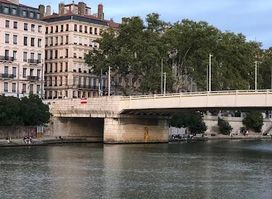
Cross the historic Saône River on this iconic Lyon bridge, connecting Vieux Lyon to Place des Terreaux, offering stunning city views and a glimpse into Lyon's rich past.
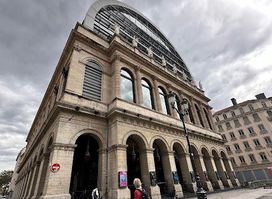
Experience the architectural masterpiece of Lyon's Opéra Nouvel, where history and modernity converge to create a world-class venue for opera, ballet, and concerts in the heart of the city.