Lugdunum: Journey to Roman Lyon
Explore Lyon's Roman past at Lugdunum: Discover ancient artifacts, stunning mosaics, and the fascinating history of Lugdunum in an architectural marvel on Fourvière Hill.
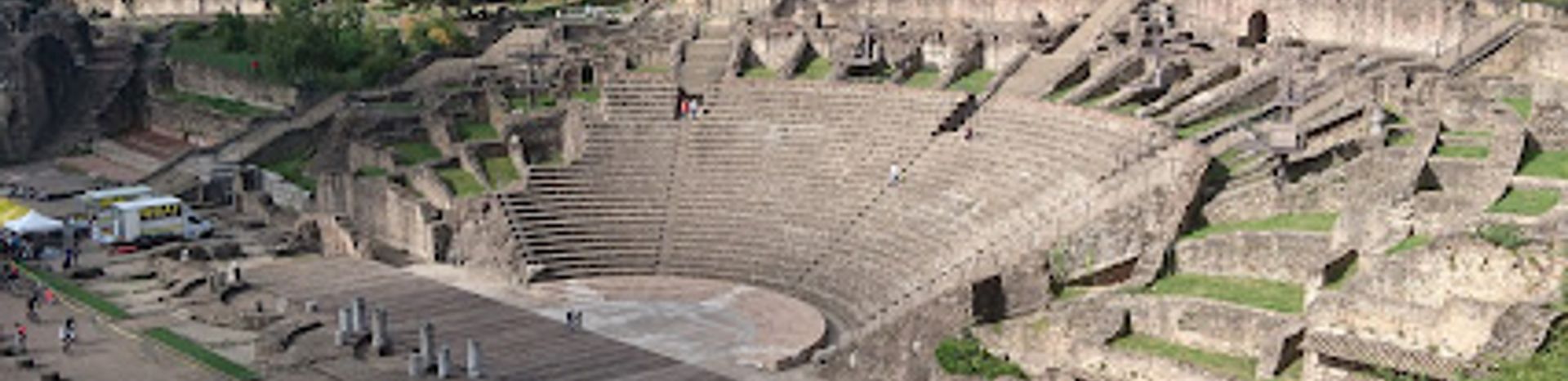
Delve into Lyon's captivating Roman past at Lugdunum, the Gallo-Roman Museum of Lyon-Fourvière. Nestled on Fourvière Hill, this museum, designed by Bernard Zehrfuss, seamlessly blends into the landscape, offering a unique subterranean experience. Explore an extensive collection of artifacts, including mosaics, sculptures, and the renowned Claudius Tablet, which unveils the city's rich history as Lugdunum, a vital Roman capital. Wander through exhibits showcasing daily life, religious practices, and the artistic achievements of the era. The museum's innovative design, with its spiral ramp and integration with the adjacent Roman theaters, creates an immersive and unforgettable journey through time, appealing to history enthusiasts and casual visitors alike. Don't miss the opportunity to discover Lyon's ancient roots in this exceptional setting.
A brief summary to Gallo-Roman Museum of Lyon-Fourvière
- 17 Rue Cleberg, Lyon, 69005, FR
- +33472384930
- Visit website
- Tuesday 11 am-6 pm
- Wednesday 11 am-6 pm
- Thursday 11 am-6 pm
- Friday 11 am-6 pm
- Saturday 10 am-6 pm
- Sunday 10 am-6 pm
Local tips
- Combine your museum visit with a stroll through the adjacent Roman theaters for a complete immersion into Lyon's Gallo-Roman history.
- Visit on the first Sunday of the month for free admission to the museum.
- Take advantage of the audio guides available in multiple languages to enhance your understanding of the exhibits.
- Check the museum's website for temporary exhibitions and special events that may coincide with your visit.
- Allow at least 2-3 hours to fully explore the museum's extensive collection and appreciate its unique architecture.

Getting There
-
Public Transport
From Vieux Lyon (Old Lyon), take the funicular (F1 or F2) up to Fourvière. The F1 funicular goes to Saint-Just, get off at Minimes and walk a short distance. The F2 funicular goes directly to Fourvière. From either funicular stop, follow signs for the Musée Gallo-Romain. A single ticket for the funicular is around €1.90, and is valid for transfers within one hour. Tickets can be purchased at the Vieux Lyon metro station.
-
Bus
Several bus lines stop near the Gallo-Roman Museum. Bus lines C14, 27, or 31 will take you to the Fourvière stop, which is a short walk from the museum. A single ticket costs around €2.20 if purchased on the bus, or €1.90 if purchased in advance.
-
Taxi/Ride-Share
A taxi or ride-share from central Lyon to the Gallo-Roman Museum will cost approximately €15-€25, depending on traffic and the specific location of your starting point.
-
Driving
If driving, be aware that parking near the museum is limited. There is a parking garage on Rue Roger Radisson, near the museum. On-street parking is also available, but it is paid parking Monday to Saturday, 9:00 to 19:00. Parking costs around €2.00 for 1 hour and €6.00 for 2 hours. Free parking is available in green zones, which are a 5 minute walk away. Parking is free on public holidays.
Discover more about Gallo-Roman Museum of Lyon-Fourvière
Iconic landmarks you can’t miss

Théâtre Gallo Romain de Lyon-Fourvière
0.1 km
Explore Théâtre Gallo Romain de Lyon-Fourvière, a stunning Roman amphitheater in Lyon, rich in history and breathtaking views.
Minimes Théatres Romains
0.2 km
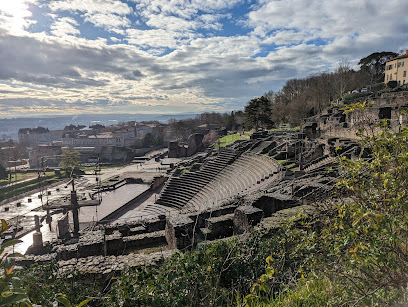
Explore the ancient Minimes Théâtres Romains in Lyon and immerse yourself in the rich history and vibrant culture of this stunning French city.
5 Imp. Turquet
0.4 km
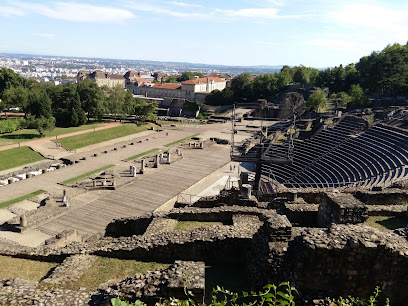
Discover the architectural brilliance of 5 Imp. Turquet in Lyon, where history and modernity meet in a captivating urban landscape.
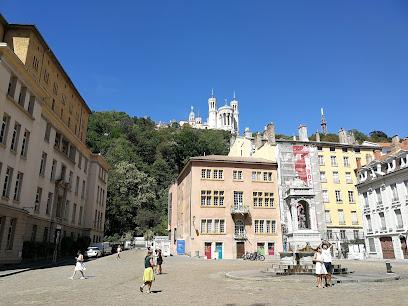
Pl. Saint-Jean
0.5 km
Discover the enchanting Pl. Saint-Jean in Lyon, where historic architecture meets vibrant culture and culinary delights in the heart of France.
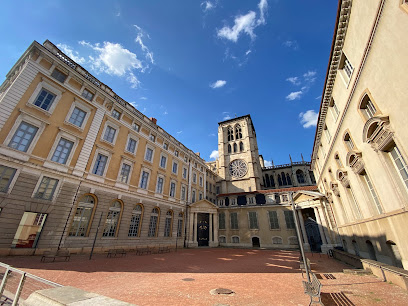
Palais Saint-Jean
0.6 km
Discover the rich history and stunning architecture of Palais Saint-Jean, a must-visit museum and historical landmark in Lyon's vibrant cultural scene.
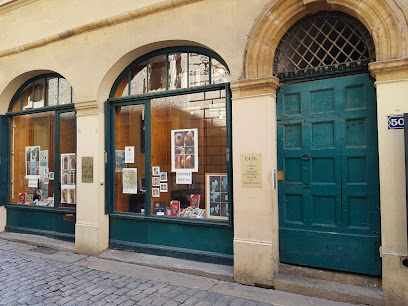
Renaissance du Vieux-Lyon
0.6 km
Explore Lyon's rich history at Renaissance du Vieux-Lyon, a non-profit dedicated to preserving the city's architectural and cultural heritage.
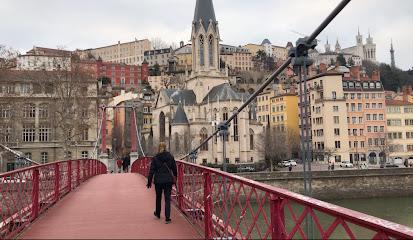
Passerelle Saint Georges de Lyon
0.6 km
Discover the breathtaking beauty of Passerelle Saint Georges, a must-visit pedestrian bridge in Lyon offering stunning views and a lively atmosphere.
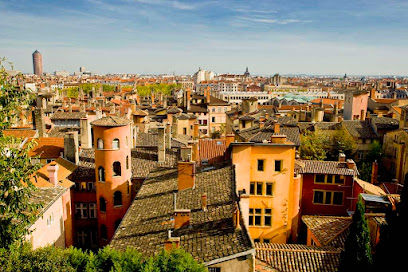
Cour des Loges Lyon, A Radisson Collection Hotel
0.6 km
Immerse yourself in luxury and history at Cour des Loges Lyon, a Radisson Collection Hotel, where elegance meets the vibrant spirit of Lyon.
MIMESIS | Escape Game Immersive
0.7 km
Experience the thrill of escape at MIMESIS, Lyon's top immersive escape game center, perfect for adventure seekers and puzzle enthusiasts alike.
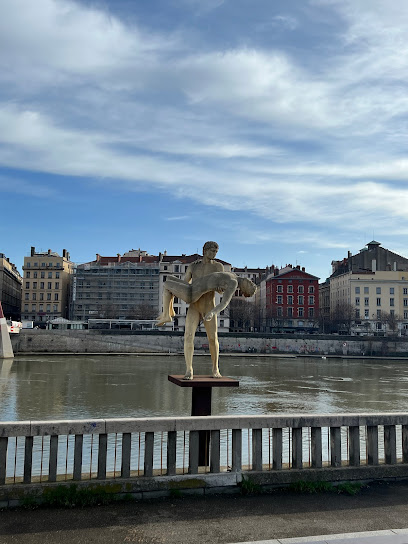
The Weight of Oneself
0.7 km
Explore 'The Weight of Oneself' in Lyon, a mesmerizing sculpture that invites reflection and captures the essence of the human experience in art.
Pl. du Gouvernement
0.7 km
Experience the vibrant culture and history at Pl. du Gouvernement, a picturesque square in the heart of Lyon, surrounded by cafes and stunning architecture.
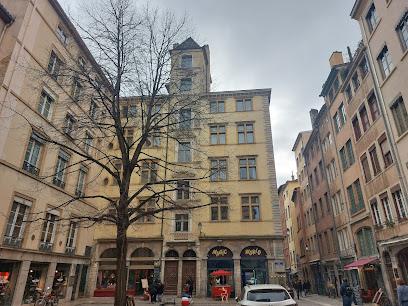
Pl. Saint-Paul
0.8 km
Discover the historic charm and vibrant atmosphere of Pl. Saint-Paul, a must-visit square in the heart of Lyon, France.
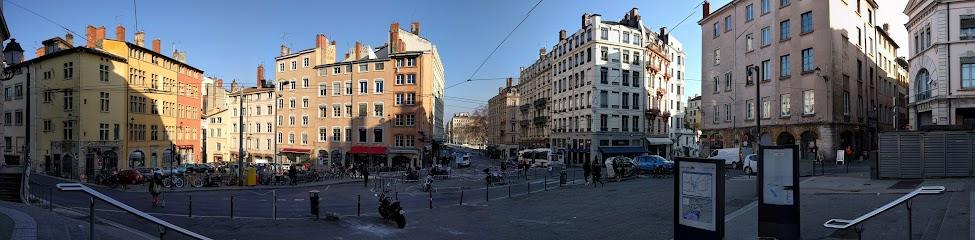
Place des Célestins
0.9 km
Discover the charm of Place des Célestins in Lyon, where stunning architecture meets vibrant social life and rich culture.
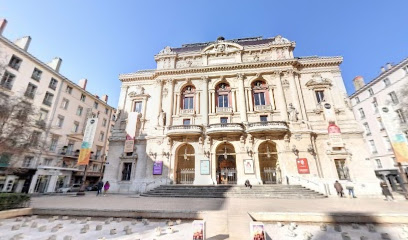
Paroisse Catholique Saint Martin d'Ainay
0.9 km
Discover the architectural beauty and tranquil atmosphere of Paroisse Catholique Saint Martin d'Ainay in Lyon, a must-visit destination for every tourist.
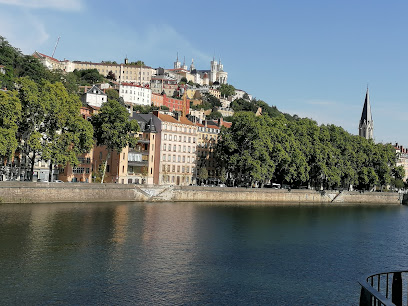
Place Bellecour
1.0 km
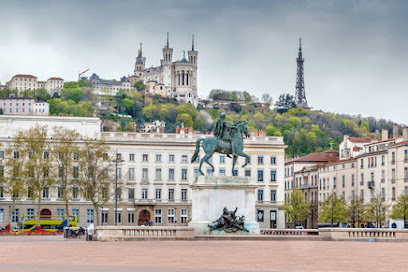
Explore Place Bellecour, a vibrant plaza in Lyon, France, rich in history, surrounded by stunning architecture and lively local culture.
Unmissable attractions to see

FOURVIÈRE
0.0 km
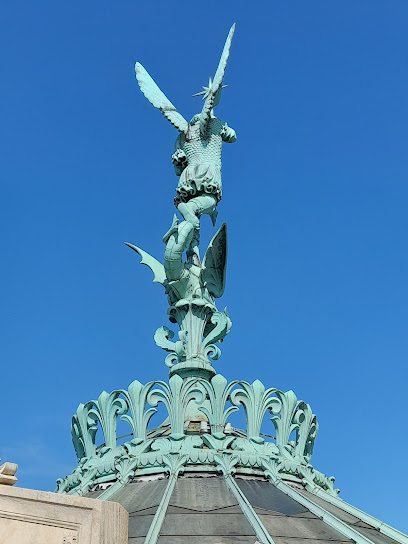
Explore the stunning architecture and breathtaking views from the Basilica of Fourvière, a must-visit spiritual haven in Lyon, France.
Les Nuits de Fourvière
0.1 km
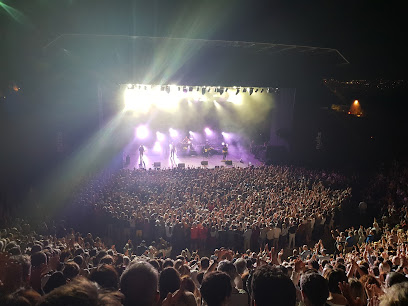
Experience the vibrant cultural tapestry of Lyon at Les Nuits de Fourvière, a festival blending art, music, and history in a breathtaking setting.
Théâtre Gallo Romain
0.1 km
Discover the historic Théatre Gallo Romain in Lyon: A beautifully preserved amphitheater offering a glimpse into ancient Roman entertainment and culture.

Lugdunum Théâtres Romains de Fourviére
0.1 km
Explore the historic Lugdunum Théâtres Romains de Fourvière, a captivating glimpse into Lyon's rich Roman heritage and stunning ancient architecture.
Insula basilicale
0.1 km
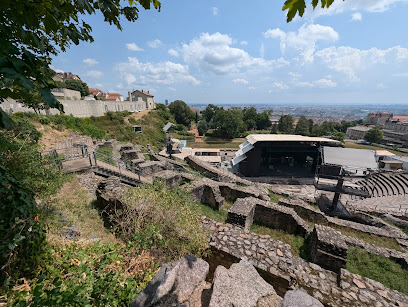
Explore Insula Basilicale, a captivating historical landmark in Lyon, France, showcasing ancient Roman architecture and rich cultural heritage.
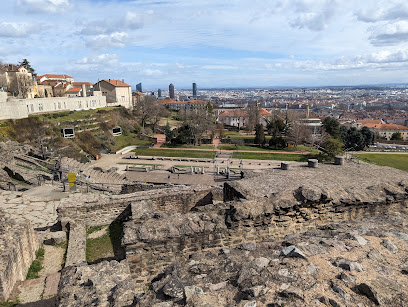
Odeon of Lyon
0.2 km
Discover the ancient glory of the Odeon of Lyon, a well-preserved Roman amphitheater offering a glimpse into the city's rich historical past.
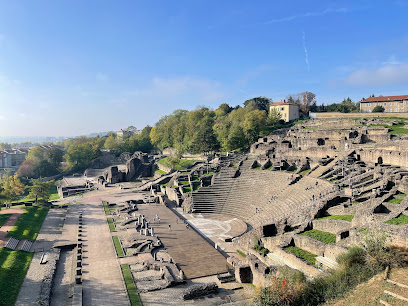
Carré Fourvière
0.2 km
Discover the breathtaking views and rich history at Carré Fourvière, a must-visit destination in Lyon, France, steeped in culture and beauty.
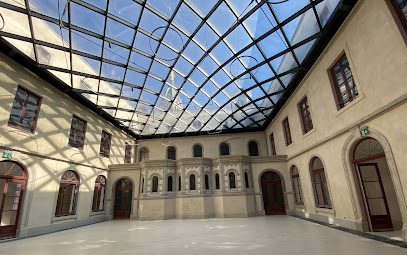
Musée de Fourvière
0.2 km
Explore the rich artistic heritage of Lyon at the Musée de Fourvière, a captivating art museum nestled in the historic Fourvière district.
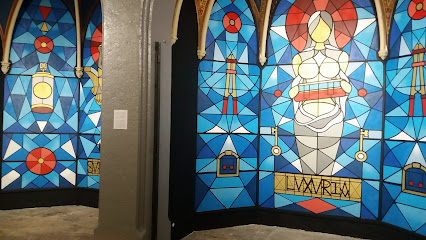
Religious Art Museum of Fourvière
0.2 km
Discover centuries of religious art at the Fourvière Museum, nestled near the iconic basilica, showcasing paintings, sculptures, and textiles that narrate Lyon's spiritual story.
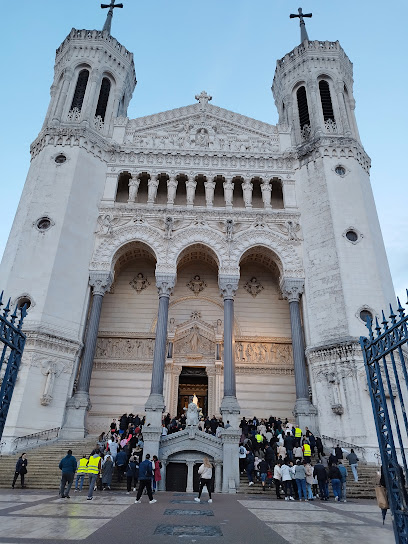
Site Notre-Dame de Fourvière- Fondation Fourvière
0.3 km
Discover the breathtaking architecture and rich history of the Site Notre-Dame de Fourvière overlooking the beautiful city of Lyon.
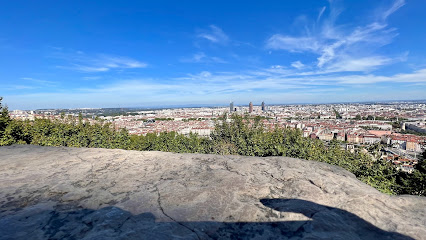
Bulle - Restaurant de Fourvière - Guy Lassausaie
0.3 km
Discover Bulle, a scenic French restaurant in Lyon’s Fourvière offering exquisite cuisine and breathtaking views for a truly memorable dining experience.
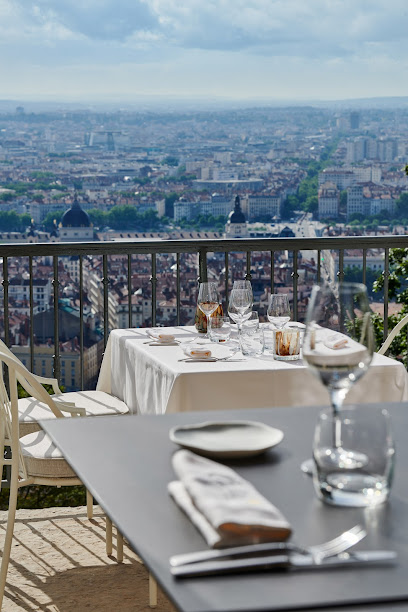
Jardin André Malraux
0.3 km
Discover the tranquil beauty of Jardin André Malraux, a serene garden oasis in the heart of Lyon, perfect for relaxation and exploration.
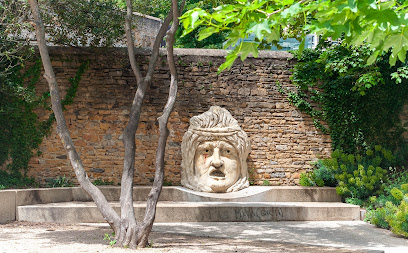
Foundation Fourviere
0.3 km
Explore the stunning Foundation Fourvière in Lyon, a historical and spiritual landmark with breathtaking views and rich cultural heritage.
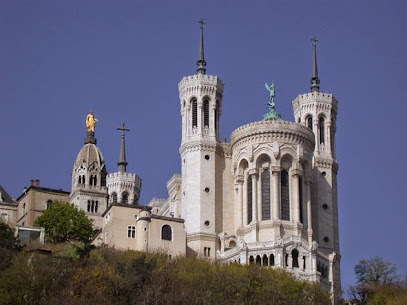
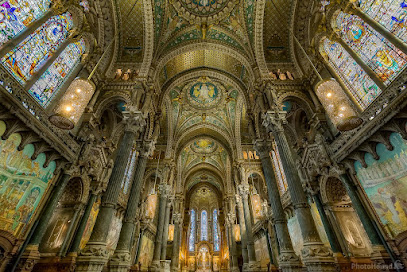
Basilica of Notre Dame of Fourvière
0.3 km
Discover the striking beauty and spiritual significance of the Basilica of Notre Dame of Fourvière, a must-visit landmark in Lyon offering breathtaking views and rich history.
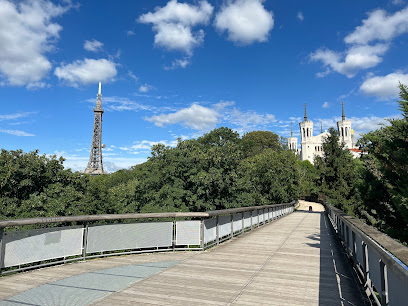
Passerelle des Quatre Vents
0.3 km
Discover the enchanting Passerelle des Quatre Vents in Lyon, a historical landmark that offers stunning views and a glimpse into the city's architectural heritage.
Essential places to dine

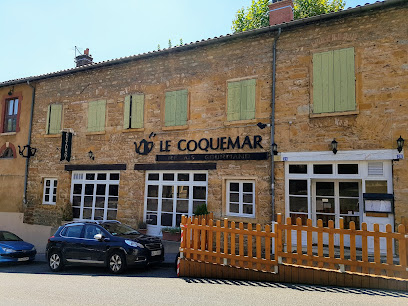
Le Coquemar
0.2 km
Discover authentic French cuisine at Le Coquemar in Lyon - where every dish tells a story of culinary tradition.
La Petite Table des Nuits
0.2 km
Experience authentic French cuisine at La Petite Table des Nuits in Lyon, where delightful flavors and warm hospitality await every visitor.
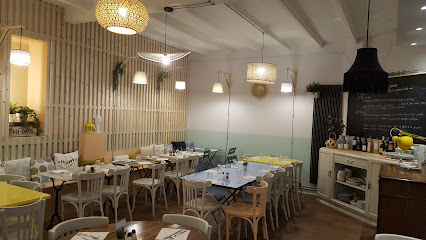
Restaurant Gastronomique Christian Tetedoie
0.3 km
Experience the pinnacle of French fine dining at Restaurant Gastronomique Christian Tetedoie in Lyon, where culinary artistry meets breathtaking views.
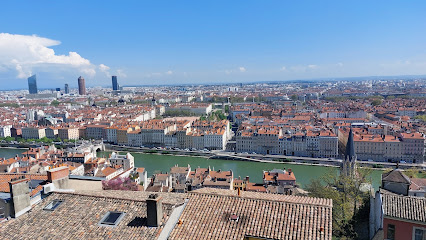
LE ROOFTOP TETEDOIE
0.3 km
Experience gourmet dining at Le Rooftop Tête d'Oie while enjoying stunning views over Lyon's enchanting skyline.
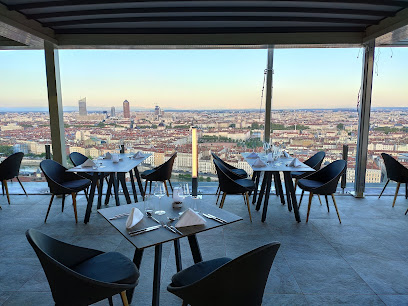
Les Téléphones Restaurant
0.3 km
Experience the epitome of haute French cuisine at Les Téléphones Restaurant in Lyon - where tradition meets innovation in every dish.
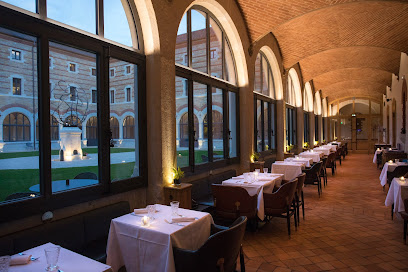
La Salle à Manger Restaurant-Ecole Apprentis d'Auteuil
0.3 km
Experience exquisite French cuisine at La Salle à Manger Restaurant-Ecole in Lyon - where future chefs create culinary masterpieces.
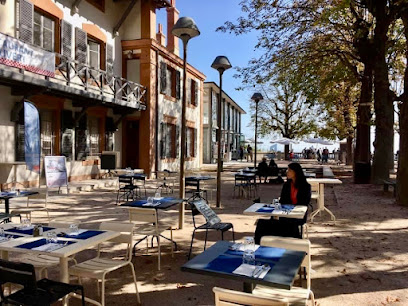
La Sommeliere
0.5 km
Experience the essence of French fine dining at La Sommeliere in Lyon, where tradition meets innovation in every exquisite dish.
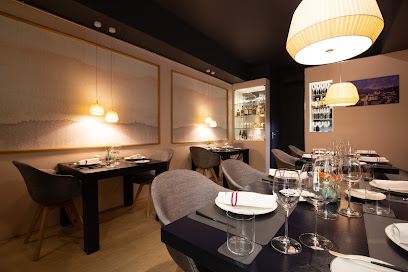
Le Bœuf d'Argent
0.5 km
Experience exquisite French cuisine at Le Bœuf d'Argent in Lyon—where tradition meets innovation in every dish.
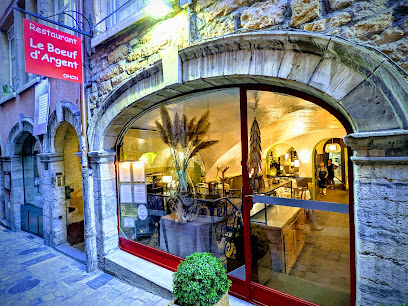
Au 14 Février
0.5 km
Discover modern French cuisine at Au 14 Février in Lyon, where traditional flavors meet innovative culinary artistry for an unforgettable dining experience.
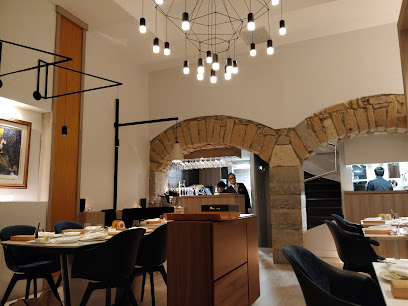
Jérémy Galvan
0.5 km
Experience the pinnacle of French gastronomy at Jérémy Galvan, where exquisite flavors meet artistic presentation in a charming Lyon setting.
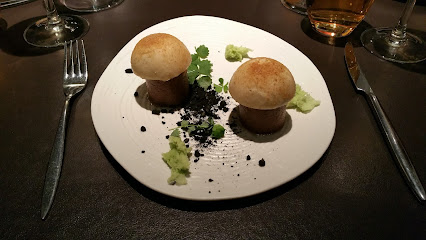
Les Adrets
0.6 km
Experience authentic French cuisine at Les Adrets in Lyon – where culinary tradition meets modern charm.
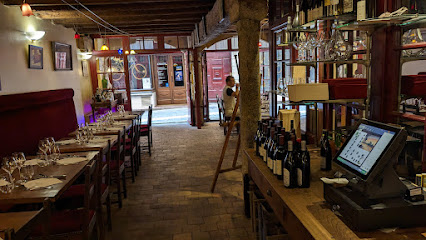
Les Terrasses de Lyon
0.6 km
Discover exquisite French cuisine with breathtaking views at Les Terrasses de Lyon - a fine dining experience not to be missed.
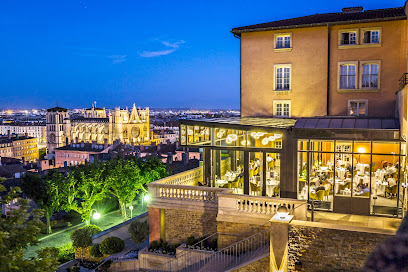
Food Traboule
0.6 km
Discover the flavors of Lyon at Food Traboule – where culinary tradition meets modern creativity in an inviting atmosphere.
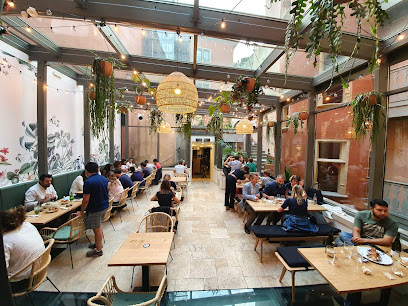
RESTAURANT LE VIEUX LYON
0.6 km
Experience authentic French cuisine at Restaurant Le Vieux Lyon, where tradition meets taste in a charming atmosphere.
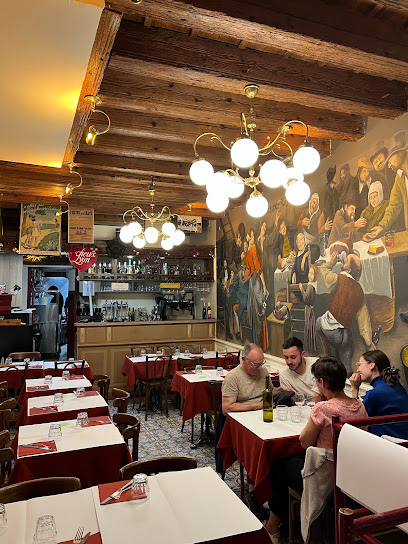
Chez Grand-Mère
0.6 km
Discover authentic French cuisine in Lyon at Chez Grand-Mère - a charming restaurant celebrating local flavors and culinary traditions.
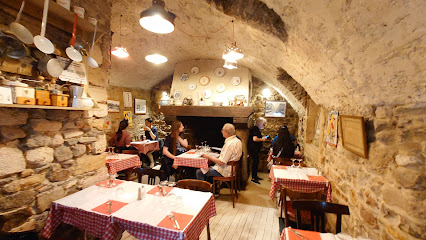
Markets, malls and hidden boutiques

Boutiques De Fourvière
0.4 km
Explore Boutiques De Fourvière in Lyon for a unique selection of religious goods, Christian literature, and thoughtful gift baskets in a serene setting.
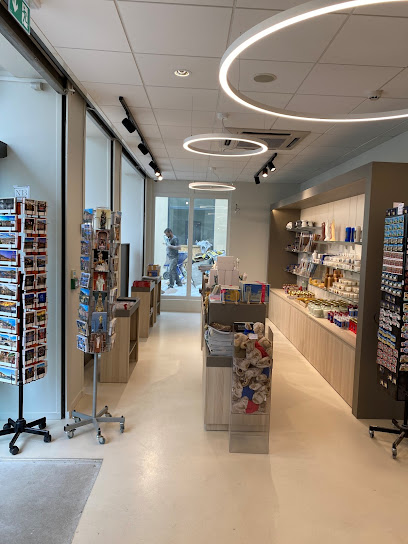
Seek & Find(e)
0.4 km
Explore Seek & Find(e) in Lyon for unique gifts that embody the city's charm and craftsmanship, perfect for memorable souvenirs.
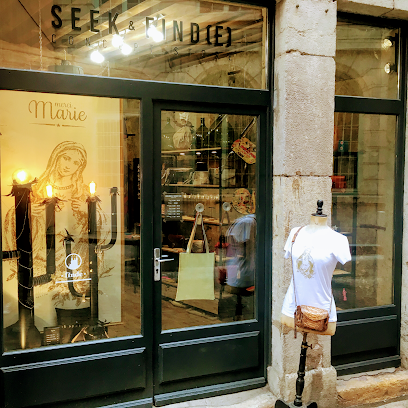
Silk Saint Georges
0.4 km
Explore the exquisite world of silk at Silk Saint Georges in Lyon, where fashion meets history in a charming museum setting.
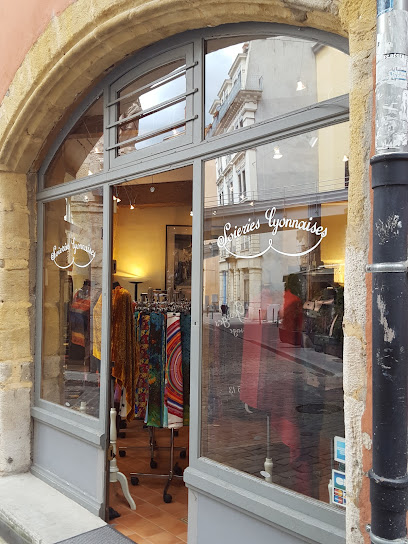
Workshops Marinette
0.5 km
Explore the charm of Workshops Marinette in Lyon, a vintage store offering unique crafts and antiques that reflect the rich artistry of French culture.
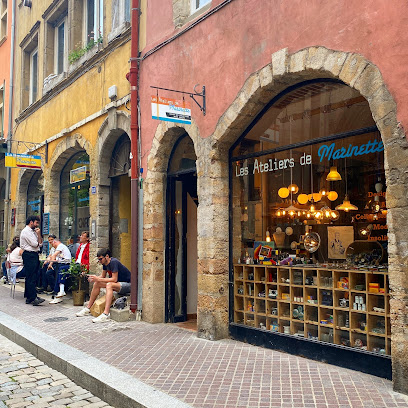
Soierie Saint-Georges
0.6 km
Discover the heart of Lyon's silk weaving tradition at Soierie Saint-Georges, where artistry meets history in every exquisite piece.
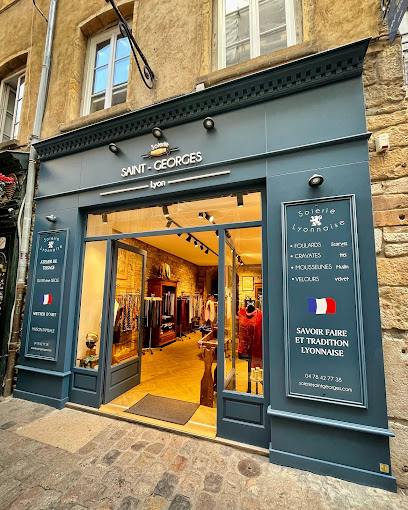
Souvenir de lyon
0.6 km
Discover unique souvenirs, local delicacies, and charming keepsakes at Souvenir de Lyon, the perfect stop for every traveler in Lyon.
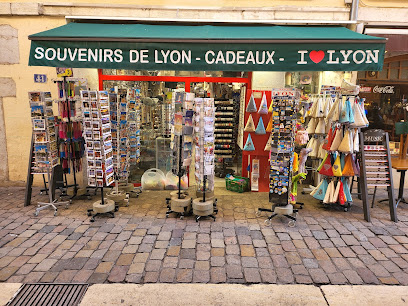
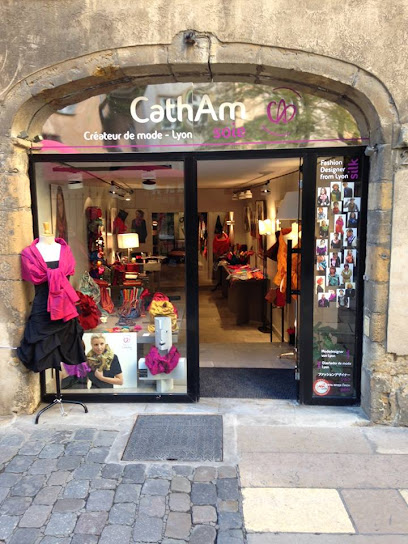
CathAm Soie
0.6 km
Explore unique silk and tweed accessories at CathAm Soie, a charming family-owned boutique in the heart of Lyon, perfect for discerning fashion lovers.
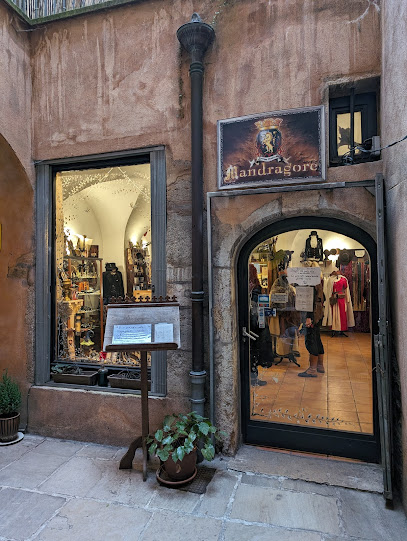
Mandragore
0.6 km
Discover Mandragore, an enchanting gift shop in Lyon, offering unique items from rare books to magical treasures for every traveler.
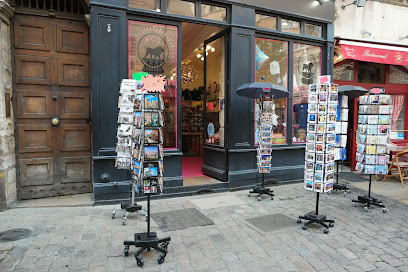
Souvenirs de Lyon. Com
0.6 km
Discover the charm of Lyon through unique souvenirs and local gifts at Souvenirs de Lyon, the perfect place for memorable treasures.
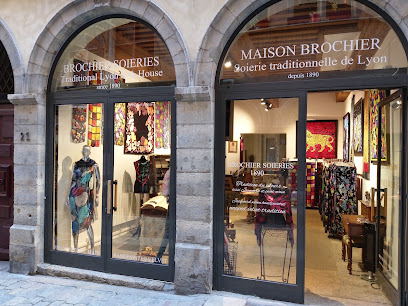
BROCHIER SOIERIES Vieux Lyon
0.6 km
Experience the rich heritage of Lyon's silk-making tradition at Brochier Soieries, where luxury meets culture.
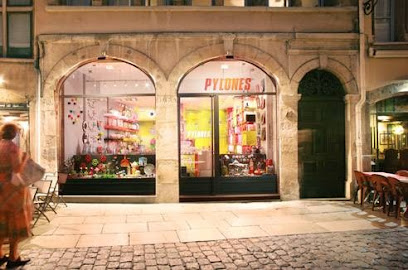
Pylones
0.6 km
Explore Pylones in Lyon for a delightful selection of quirky gifts, stylish accessories, and unique home decor that make perfect souvenirs.
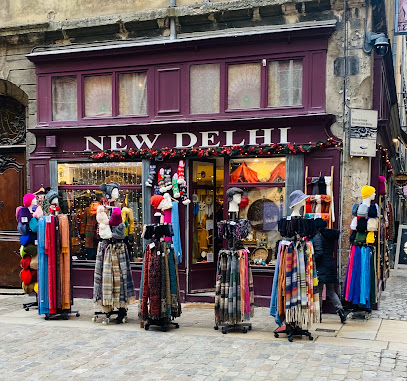
boutique new delhi lyon/ bohéme shop
0.7 km
Discover the unique blend of style and artistry at Bohème Shop in Lyon, a must-visit boutique for fashion lovers.
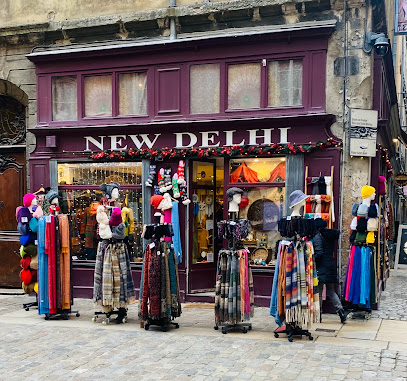
couleurs ethniques by boutique new delhi lyon
0.7 km
Explore the vibrant ethnic fashion at Couleurs Ethniques, a unique boutique in Lyon showcasing men's and women's clothing with cultural flair.
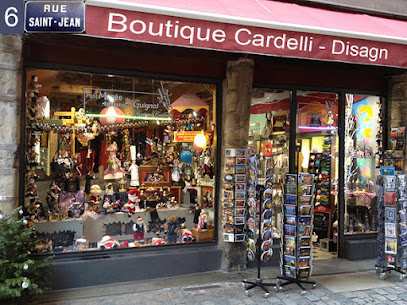
L'univers de Guignol et du Petit Prince - Boutique de souvenirs du Vieux Lyon - Musée
0.7 km
Explore the whimsical world of Guignol and Le Petit Prince at this charming gift shop in the heart of Vieux Lyon.
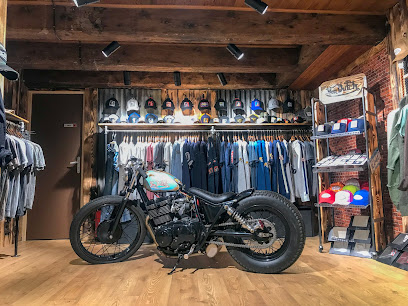
Von Dutch
0.8 km
Discover unique fashion at Von Dutch, a trendy clothing store in Lyon, perfect for stylish tourists seeking quality and flair.
Essential bars & hidden hideouts

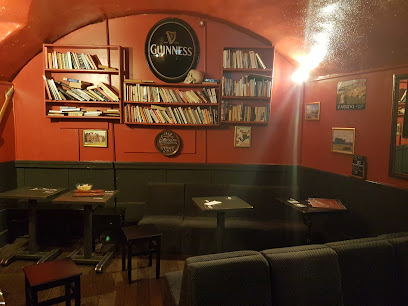
St Andrew's
0.5 km
Discover St Andrew's in Lyon: A lively bar offering cocktails, tapas, and live music for an unforgettable night out.
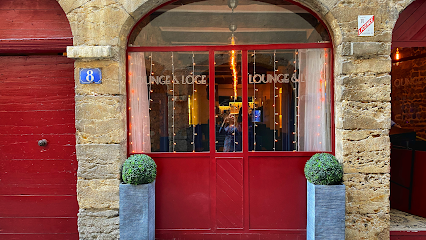
LOUNGE & LOGE
0.5 km
Discover the charm of Lyon at Lounge & Loge, a cozy café and lounge perfect for relaxation and local cuisine.
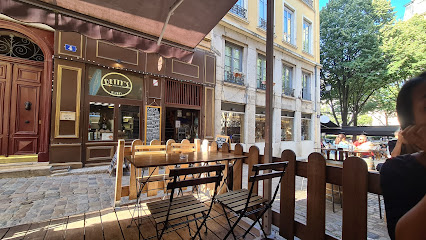
Betty's Bar
0.5 km
Discover Betty's Bar in Lyon, where delicious bagels, gourmet hamburgers, and craft beers create a unique dining experience in a vibrant atmosphere.
Bar De La Colline
0.5 km
Experience the charm of Lyon at Bar De La Colline, where delightful drinks and a cozy atmosphere create the perfect retreat.
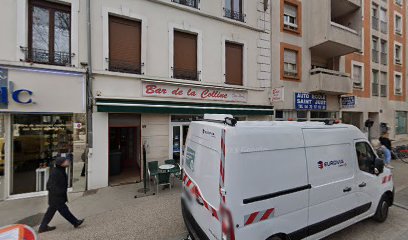
Antidote
0.6 km
Experience the vibrant nightlife at Antidote, a lively bar in Lyon offering live music, sports, and a fantastic selection of beers.
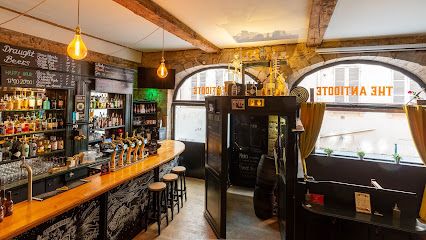
BAR DE BON-SECOURS
0.6 km
Experience the vibrant cocktail culture of Lyon at Bar de Bon-Secours, where expertly crafted drinks meet a lively atmosphere.
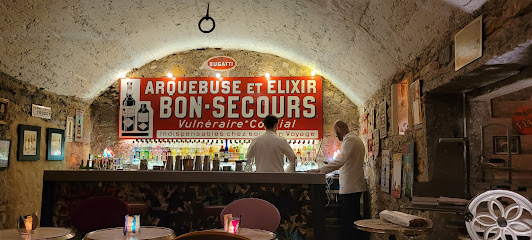
Look Bar
0.7 km
Discover the vibrant atmosphere of Look Bar in Lyon, where vinyl music and unique decor create the perfect backdrop for a memorable night out.
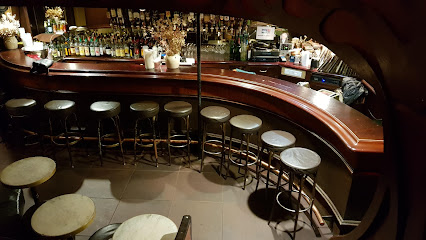
Le Pub Danois
0.7 km
Discover the lively atmosphere of Le Pub Danois in Lyon, where great drinks and local culture come together along the beautiful Rhône River.
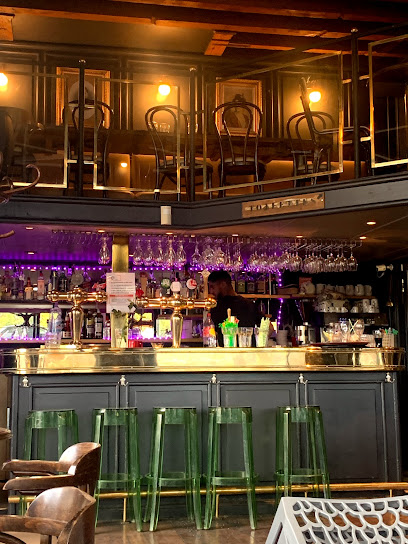
La Fonderie
0.7 km
Discover La Fonderie in Lyon: a cocktail bar offering exquisite drinks and a lively atmosphere by the beautiful Rhône River.
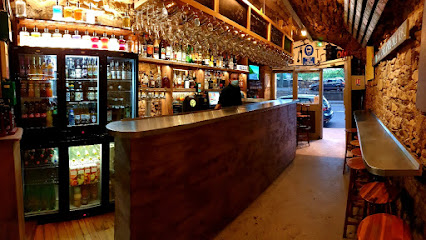
Bar Le Florian, Cocktails & Spirits
0.7 km
Experience the vibrant cocktail culture of Lyon at Bar Le Florian, where expertly crafted drinks meet a lively atmosphere.
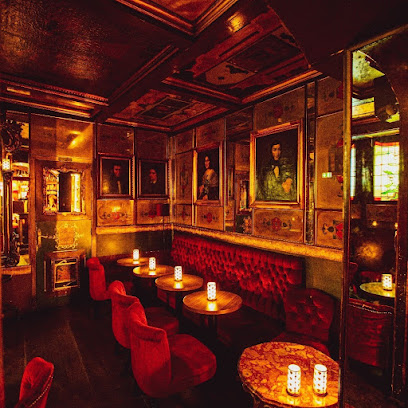
Big Easy - Cocktail Bar & tapas
0.7 km
Discover the vibrant spirit of Lyon at Big Easy, where unique cocktails and delicious tapas create an unforgettable nightlife experience.
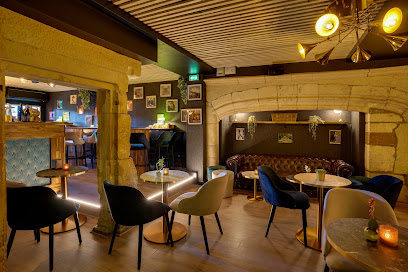
Bar Asso & Apero
0.8 km
Discover Lyon's vibrant bar scene at Bar Asso & Apero, where exquisite drinks meet a lively riverside ambiance.
Black Hole
0.8 km
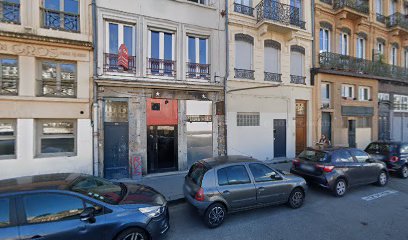
Experience the vibrant nightlife at Black Hole, where craft beers, cocktails, and delicious tapas blend for an unforgettable evening in Lyon.
Cigale
0.8 km
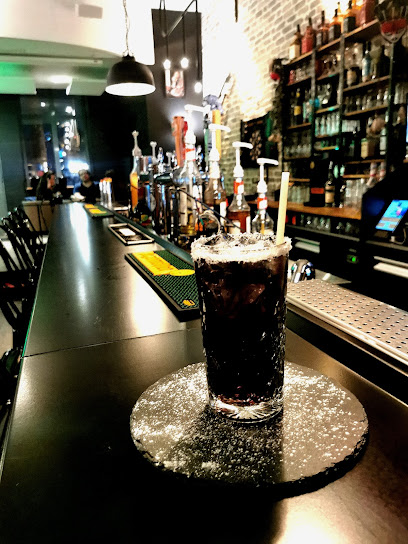
Experience the vibrant nightlife of Lyon at Cigale, a premier cocktail bar known for its creative drinks and lively atmosphere.
Big White
0.8 km
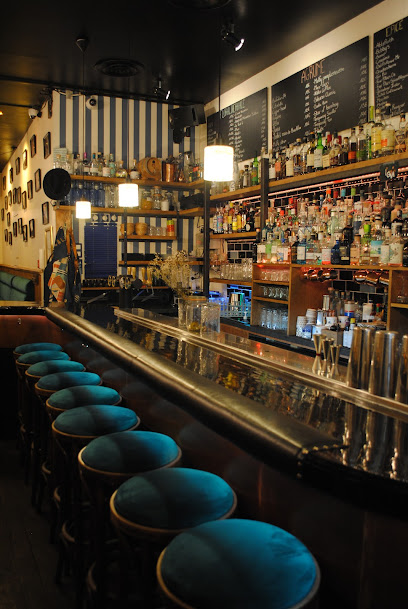
Experience the vibrant nightlife at Big White, a cozy bar in Lyon offering a diverse drink menu and a welcoming atmosphere for all visitors.