

Trouée de Vauban Travel Guide
Free Guide: Discover the Trouée de Vauban in Marseille: a historical landmark revealing the city's industrial past, preservation efforts, and stunning panoramic views near Notre-Dame de la Garde.


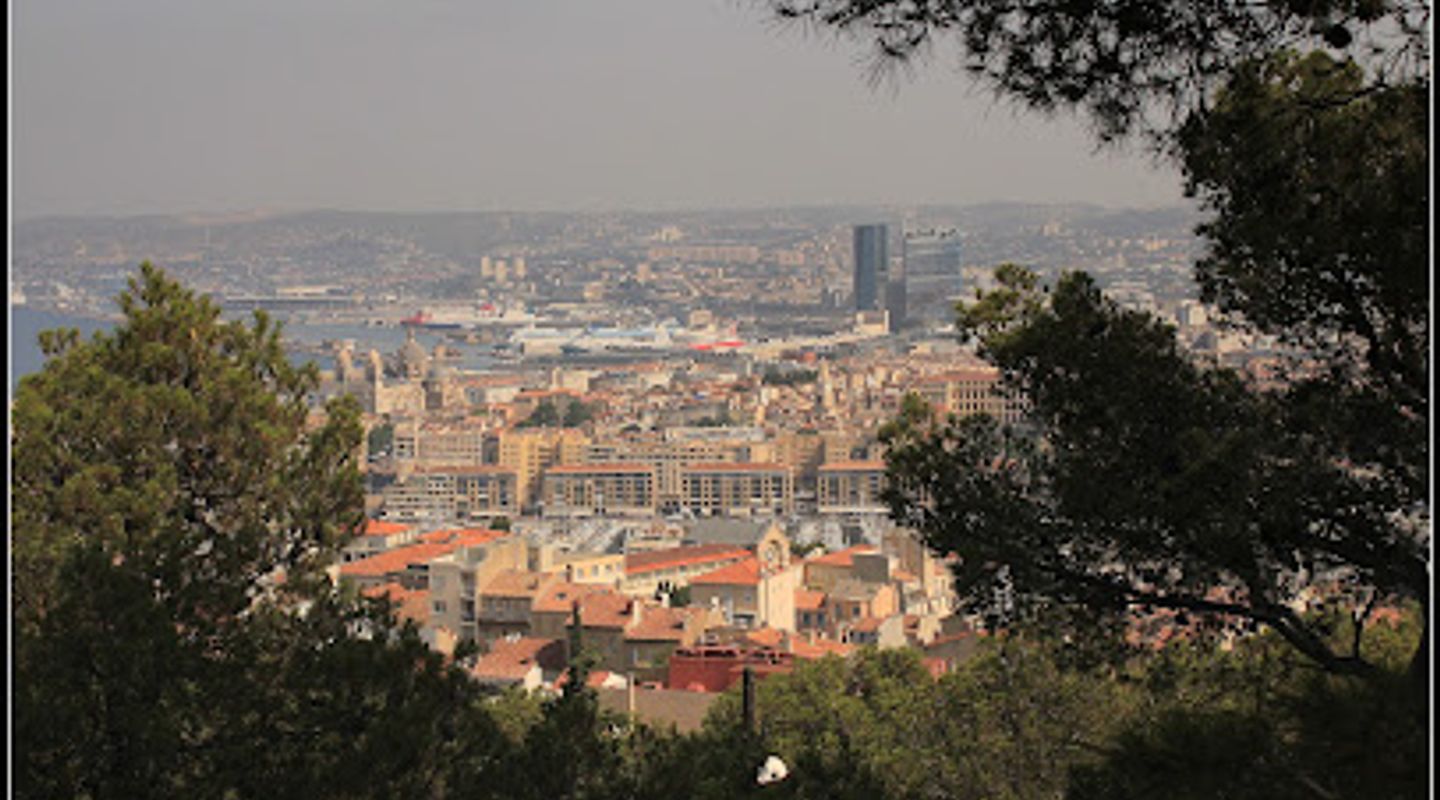
A brief summary of Trouée de Vauban
Discover the Trouée de Vauban in Marseille: a historical landmark revealing the city's industrial past, preservation efforts, and stunning panoramic views near Notre-Dame de la Garde.
The Trouée de Vauban, located in Marseille's 7th arrondissement, offers a unique glimpse into the city's history and its relationship with the iconic Notre-Dame de la Garde basilica. This 'gap' in the landscape is a result of extensive quarrying in the early 20th century, which sparked public outcry and ultimately led to the area's preservation. Today, it serves as a poignant reminder of the tensions between industrial progress and the preservation of natural and cultural heritage. The area provides stunning views and access to the Jardin du Bois Sacré, a green space offering respite and panoramic vistas. While not a conventional tourist attraction, the Trouée de Vauban provides a tangible link to Marseille's past, offering a unique perspective on the city's evolution and the ongoing efforts to balance development with conservation. It's a place for reflection, offering both historical insight and scenic beauty, making it a worthwhile stop for those seeking a deeper understanding of Marseille.
- Address
- 27 Rue du Terrail, 13007 Marseille
Getting there
Public Transport
Walking
Taxi/Ride-Share
Discover more about Trouée de Vauban
Overview
The Trouée de Vauban, nestled in the 7th arrondissement of Marseille, is more than just a geographical location; it's a living testament to the city's complex history, its industrial past, and the enduring spirit of its people. This distinctive 'gap' or 'breach' in the landscape, dramatically carved into the foothills of Notre-Dame de la Garde, tells a story of ambition, exploitation, public outcry, and eventual preservation. In the early 20th century, the area surrounding Notre-Dame de la Garde was subject to extensive quarrying. Pierre Honoré, a local industrialist, began extracting stone from the hillside in 1905, seeking to capitalize on the demand for building materials. As the years passed, the quarry expanded, relentlessly gnawing away at the landscape and threatening the very foundations of the iconic basilica that stood sentinel above. The once-verdant slopes were transformed into a scarred and barren wasteland, raising alarm among Marseille's residents and heritage advocates. The relentless destruction sparked widespread outrage. Citizens and associations united to protest what they saw as an 'abominable act,' demanding an immediate halt to the quarrying operations. Letters of protest were penned, petitions were circulated, and the issue became a cause célèbre in Marseille. Voices like that of Odysse Richemont, author of 'La légende dorée de Notre-Dame de la Garde,' echoed the sentiments of many, decrying the 'hideous wounds' inflicted upon the beloved hill. Finally, in 1919, the French President issued a decree declaring the conservation of the Notre-Dame de la Garde hill as a matter of public interest. While this decree marked a significant victory for preservationists, quarrying activities continued for another three decades before finally ceasing. The scars, however, remained, a stark reminder of the near-destruction of a cherished landmark. The 'Trouée,' as it became known, stands as a physical manifestation of this struggle. It represents the tension between economic progress and the preservation of cultural and natural heritage. Today, the area has been partially reclaimed, with the creation of the Jardin du Bois Sacré (Garden of the Sacred Wood), a green space that offers respite and panoramic views of the city and the Mediterranean Sea. The Jardin du Bois Sacré itself carries historical weight. Some historians believe that the site was once a sacred forest of the Ligures, an ancient people who inhabited the region. Julius Caesar is said to have destroyed this forest in 49 BC to obtain wood. Whether this legend is true or not, the name 'Bois Sacré' evokes a sense of reverence and connection to the land's deep past. Visiting the Trouée de Vauban and the Jardin du Bois Sacré offers a unique perspective on Marseille. It's not merely about admiring scenic views, although those are certainly present. It's about understanding the city's layers of history, its industrial heritage, and the ongoing efforts to balance development with conservation. Walking through the garden, one can reflect on the power of collective action and the importance of safeguarding cultural landmarks for future generations. The area is easily accessible and provides a starting point for exploring other attractions in the vicinity, including the Notre-Dame de la Garde basilica itself. While the Trouée de Vauban may not be as widely known as some of Marseille's other landmarks, it offers a profound and meaningful experience for those willing to delve a little deeper into the city's story. It is a place where the past and present converge, inviting contemplation and a renewed appreciation for the enduring spirit of Marseille.
Evendo Review Centre
 Google
Guest reviews
Explore Trouée de Vauban on the map
A handpicked selection of must-see spots near Trouée de Vauban, mapped for you.
Get your free copy of our complete guide to Trouée de Vauban, delivered straight to you.
Everything on this page, from opening hours and how to get there to Eve’s tips and the best time to go, in one PDF you can read offline, print or share.
Already have an account? Sign in
Your Trouée de Vauban guide is ready.
We'll send it to · Not you? Sign out

Getting your guide ready…
We are putting together a fresh copy of the Trouée de Vauban guide. This can take up to a minute.
This can take a few moments. If your browser asks, choose Allow so the download can start. You'll find the guide in your Downloads folder.
Nothing happened? Download it again
Sorry, the guide is taking longer than usual. Please try again in a minute, or get it by email instead.
Other nearby places you may find interesting
The closest places of the same kind, if this one is not quite what you had in mind.
-
-
-
-
-


Swipe for more places
More to explore near Trouée de Vauban

 Best experiences near Trouée de Vauban
 Best hotels near Trouée de Vauban
 Best landmarks near Trouée de Vauban
 Best attractions near Trouée de Vauban
 Best shops near Trouée de Vauban
 Best restaurants near Trouée de Vauban
 Best bars near Trouée de Vauban
Do you manage this location?
Take control to get all the benefits, like improved information, better appearance, and stronger visibility across AI-powered discovery.
Explore more
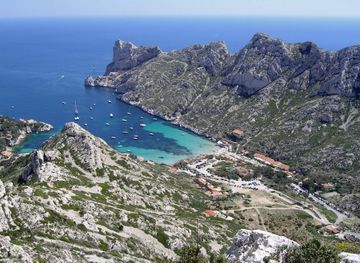
Explore more of Marseille Calanques
Discover the Marseille Calanques, a breathtaking blend of limestone cliffs, turquoise waters, and rich biodiversity along the Mediterranean coast.
Explore Marseille Calanques
Explore more of France
Explore France: A land of romance, history, and unparalleled beauty, from the iconic streets of Paris to the serene landscapes of Provence and the luxury of the French Riviera.
Explore France
