Grottes préhistoriques de Cougnac, Midi Pyrenees Travel Guide
Explore prehistoric art and stunning geological formations at the Grottes de Cougnac, a captivating journey through time in the heart of the Lot region.
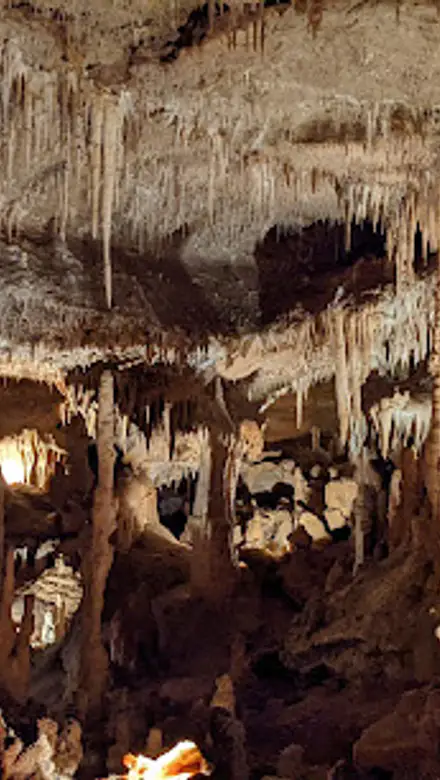
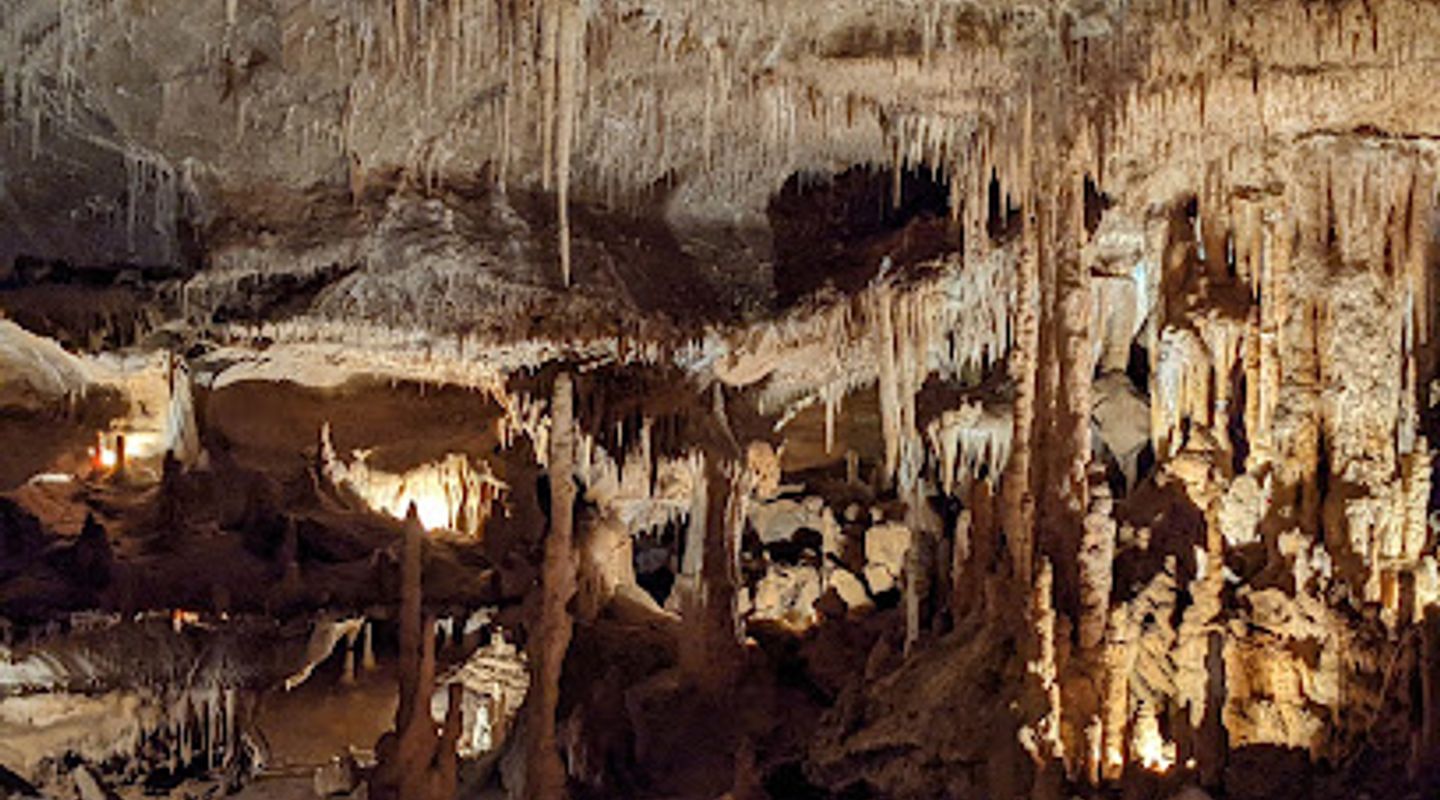
The Grottes de Cougnac, located near Payrignac in the Lot region, offer a unique blend of geological wonder and prehistoric art. Discovered in 1949 and 1952, these caves feature stunning mineral formations, including a 'frozen rain' of stalactites, alongside authentic prehistoric paintings dating back 25,000 years. Visitors can explore depictions of mammoths, ibex, megaloceros, and human figures, providing a fascinating glimpse into the lives and artistic expression of our Upper Paleolithic ancestors. Guided tours enhance the experience, revealing the history, geology, and artistry within these remarkable caves. With a constant temperature of 13°C, a visit to the Grottes de Cougnac is a refreshing and educational adventure suitable for all ages, offering a profound connection to both the natural world and human history.
A brief summary to Grottes préhistoriques de Cougnac
- Grottes de Cougnac, Payrignac, 46300, FR
- Click to display
- Click to display
- Monday 10 am-5:45 pm
- Tuesday 10 am-5:45 pm
- Wednesday 10 am-5:45 pm
- Thursday 10 am-5:45 pm
- Friday 10 am-5:45 pm
- Saturday 10 am-5:45 pm
- Sunday 10 am-5:45 pm

Know before you go
Hi, I'm Eve. Here are a few practical things to know before exploring Grottes préhistoriques de Cougnac.
- Wear warm clothing, as the cave temperature remains a constant 13°C (55°F) year-round.
- Photography is allowed in the mineral cave but prohibited in the prehistoric cave to protect the ancient art.
- Combine your visit with a trip to nearby Gourdon for medieval architecture and panoramic views.
- Arrive 20 minutes before your tour. Reservations are only required for groups of 20 or more.
- Wear comfortable shoes for walking on uneven surfaces inside the caves.
Do you manage this location?
Take control to get all the benefits, like improved information, better appearance, and stronger visibility across AI-powered discovery. Learn more about listing your business on Evendo
Activate your presenceOther nearby places you may find interesting
The closest places of the same kind, if this one is not quite what you had in mind.

Explore Grottes préhistoriques de Cougnac on the Map
A handpicked selection of must-see spots near Grottes préhistoriques de Cougnac, mapped for you.
Unlock the Best of Grottes préhistoriques de Cougnac
Buy tickets
-
No tickets available
Book tours with entry
-
No tours available


Getting There
-
Driving
If driving from Gourdon, take the D704 towards Payrignac. Then, follow the D46, and you'll find the Grottes de Cougnac signposted on your right. Free parking is available on-site. Be aware that parking can be limited during peak season. From Cahors, take the D911 towards Gourdon. After approximately 17 km, take the D46 exit towards Payrignac. Follow the D46 for about 6 km until you reach the Grottes préhistoriques de Cougnac, located on your right.
-
Public Transport
To reach the Grottes de Cougnac via public transport, take a train to Gourdon station. From Gourdon, local buses are available to Payrignac. Check local bus schedules for accurate timings as they may vary. From the Payrignac bus stop, it's approximately a 1 km walk south on the D46 to the caves, located on your left. A single bus fare from Gourdon to Payrignac is approximately €2-€3.
Discover more about Grottes préhistoriques de Cougnac
More to explore near Grottes préhistoriques de Cougnac
-

Best experiences near Grottes préhistoriques de Cougnac
-

Best hotels near Grottes préhistoriques de Cougnac
-

Best landmarks near Grottes préhistoriques de Cougnac
-

Best shops near Grottes préhistoriques de Cougnac
-

Best restaurants near Grottes préhistoriques de Cougnac
-

Best bars near Grottes préhistoriques de Cougnac







Your all‑in‑one travel companion app
Explore expert travel guides, compare and book tours, experiences, hotels, and more—all from the palm of your hand. Download now for seamless trip planning wherever your wanderlust takes you.


Explore More of Midi Pyrenees
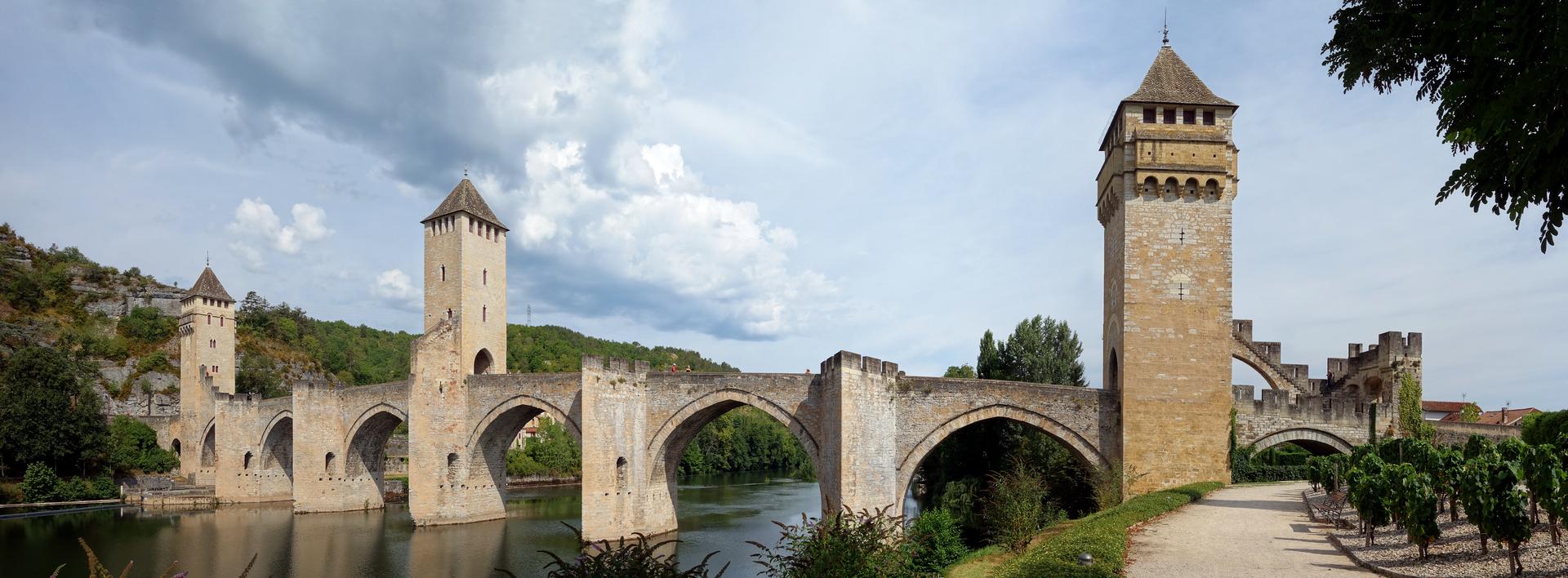
Looking beyond Grottes préhistoriques de Cougnac? Discover Midi Pyrenees for broader travel guides, local hot-spots, and regional highlights.
Explore Midi Pyrenees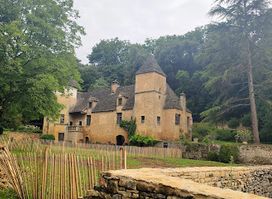
Explore the historical elegance and serene surroundings of Castle Lacypierre, a hidden gem in Saint-Crépin-et-Carlucet, perfect for a memorable getaway.
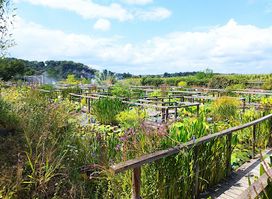
Experience tranquility and beauty at The Water Gardens of Carsac, a stunning park and garden retreat in the heart of Carsac-Aillac, France.