Mont Saint-Michel Panorama
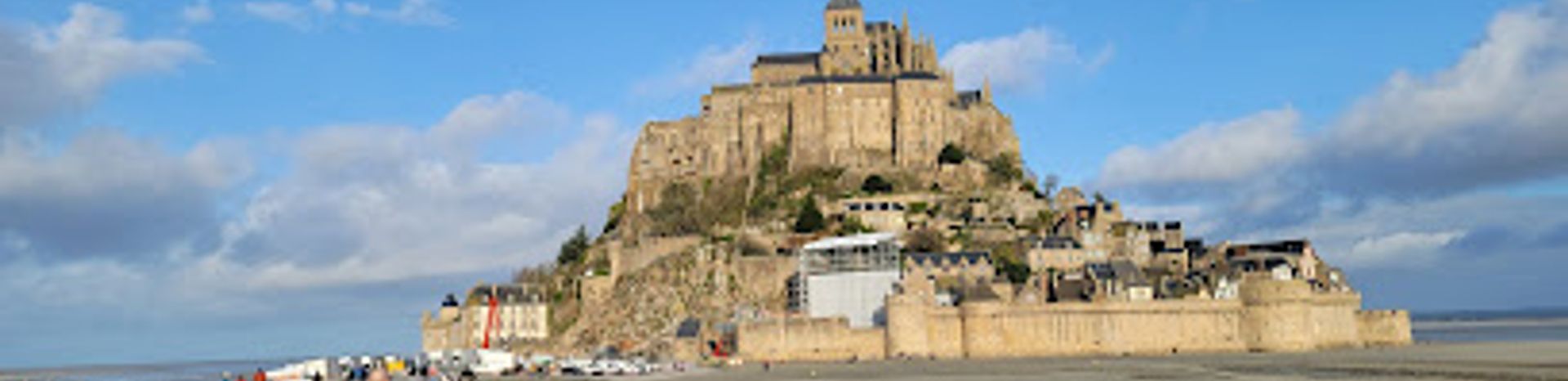
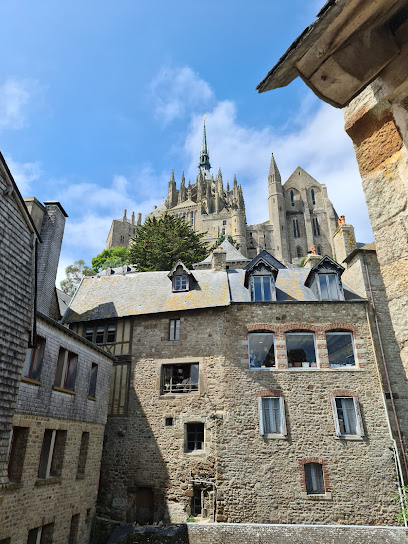
Discover the breathtaking beauty and rich history of Mont Saint-Michel, a UNESCO World Heritage site where a medieval abbey crowns a tidal island in a mesmerizing bay.
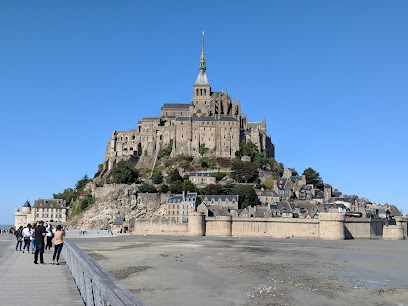
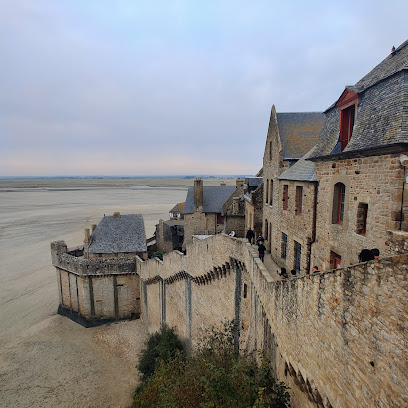
Experience the awe-inspiring panorama of Mont Saint-Michel, a UNESCO World Heritage site rising majestically from a vast bay shared by Normandy and Brittany. This iconic tidal island, topped by a gravity-defying abbey, has captivated imaginations for centuries. Originally known as Mont Tombe, the mount gained prominence in 708 when Archangel Michael appeared to Saint Aubert, inspiring the construction of a sanctuary. A Benedictine abbey followed in 966, transforming the mount into a major pilgrimage center. Today, Mont Saint-Michel continues to draw visitors with its stunning architecture, rich history, and the dramatic spectacle of Europe's highest tides, which sometimes isolate the mount completely. Explore the charming medieval village nestled within the ramparts, and ascend to the abbey for breathtaking views and a glimpse into monastic life. Be sure to check the tide tables to witness Mont Saint-Michel at its most dramatic, surrounded by the sea.
A brief summary to Le Mont Saint Michel panorama
- Mont Saint-Michel, 50170, FR
- Monday 12 am-12 am
- Tuesday 12 am-12 am
- Wednesday 12 am-12 am
- Thursday 12 am-12 am
- Friday 12 am-12 am
- Saturday 12 am-12 am
- Sunday 12 am-12 am
Local tips
- Check tide tables in advance; witnessing Mont Saint-Michel become an island during high tide is an unforgettable experience.
- Visit during the shoulder season (May-June or September-October) to avoid the peak summer crowds and enjoy a more peaceful experience.
- Wear comfortable shoes; the village has cobblestone streets and many steps, especially if you plan to visit the abbey.
- Consider staying overnight on the Mont for a magical experience, exploring the alleys and ramparts after the day-trippers have left.
- Be aware of the shuttle bus schedule from the parking area, as it's the primary mode of transport to the Mont, and plan accordingly.

Getting There
-
Driving
Upon arriving in the Mont Saint-Michel area, follow signs to the designated parking area located approximately 2.5 km from the Mont. Parking fees vary depending on the season: expect to pay around €9.80 during high season (April 1 to September 30) and €6.80 during low season (October 1 to March 31) for a car. Parking is free after 6:30 PM in low and mid-season. From the parking area, a free shuttle bus ('Le Passeur') provides transport to Mont Saint-Michel. The shuttle runs frequently, approximately every 5-15 minutes, and the journey takes about 12 minutes. Alternatively, you can walk to the Mont via a designated path in about 45-50 minutes. Note that access to the Mont itself is free, but the abbey requires a ticket (€13-€16 depending on the time of year).
-
Public Transport
If arriving by train at Pontorson-Mont Saint-Michel station, a shuttle bus or taxi is required for the final leg. A local bus connects the train station to Mont Saint-Michel in approximately 25 minutes, with several round trips per day. However, consider that the cost of the bus may be comparable to the parking fee if arriving by car. From the designated drop-off point near the Tourist Information Centre, free shuttle buses ('Le Passeur') provide transport to Mont Saint-Michel. The shuttle runs frequently, approximately every 5-15 minutes, and the journey takes about 12 minutes. Alternatively, you can walk to the Mont via a designated path in about 45-50 minutes. Note that access to the Mont itself is free, but the abbey requires a ticket (€13-€16 depending on the time of year).
-
Walking
From the Mont Saint-Michel parking area, follow the designated pedestrian paths towards the Mont. The walk takes approximately 45-50 minutes and offers scenic views of the bay. There are three main routes: la Lisière, les Berges du Couesnon, and the central route. Be mindful of the weather conditions and wear appropriate footwear. Upon reaching the base of Mont Saint-Michel, access to the village is free. However, entry to the abbey requires a ticket (€13-€16 depending on the time of year).
Discover more about Le Mont Saint Michel panorama
Iconic landmarks you can’t miss

Rte du Mont Saint-Michel
3.4 km
Explore the stunning Rte du Mont Saint-Michel, a scenic route leading to iconic landscapes and the breathtaking Mont Saint-Michel in Normandy, France.

Malouinière de la Ville Bague
29.0 km
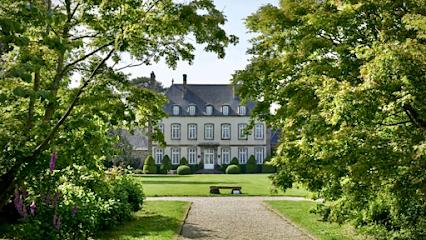
Explore the enchanting Malouinière de la Ville Bague, a historical landmark in Saint-Coulomb that showcases stunning architecture and rich cultural heritage.
Jacques Cartier Museum
32.2 km
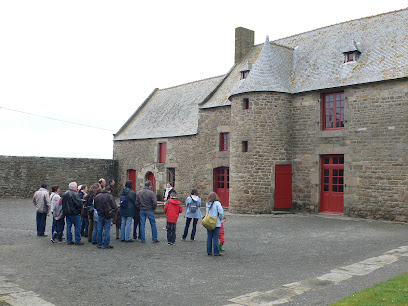
Discover the legacy of Jacques Cartier at this captivating museum in historic Saint-Malo, showcasing the explorer's life and adventures.
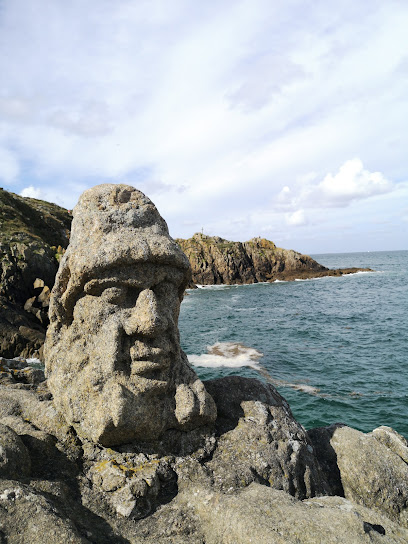
The Sculptured Rocks
32.6 km
Experience the stunning natural beauty of The Sculptured Rocks in Saint-Malo, a perfect combination of art and nature for every traveler.
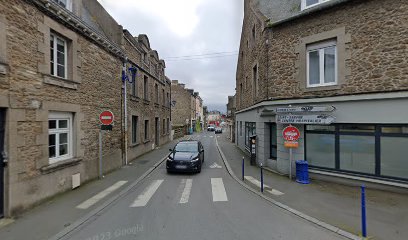
Quartier a visiter a st malo
33.2 km
Explore the historic Quartier a Visiter in Saint-Malo, where charming streets meet breathtaking coastal views and rich maritime heritage.
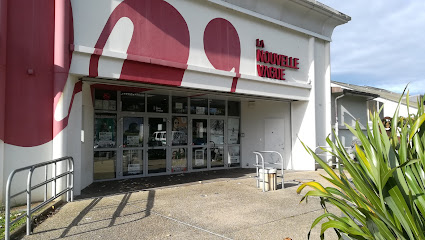
La Nouvelle Vague
33.6 km
Experience the vibrant live music scene at La Nouvelle Vague in Saint-Malo, where every performance creates lasting memories.
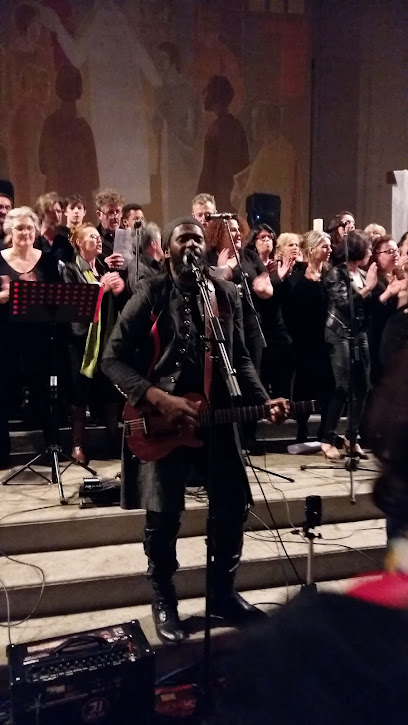
Église Saint-François-Xavier
33.7 km
Explore Église Saint-François-Xavier in Saint-Malo, a serene Catholic church rich in history and architectural beauty, perfect for reflection and discovery.
Grand Aquarium Saint Malo
34.0 km
Explore the depths of marine wonder at the Grand Aquarium Saint Malo, a must-visit attraction showcasing the beauty of ocean life.
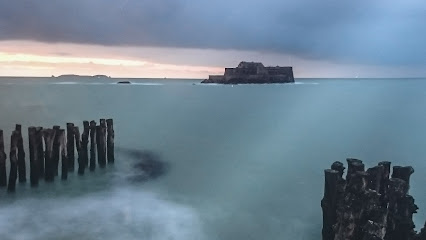
La Houbarderie
34.0 km
Explore the enchanting La Houbarderie in Saint-Malo, a cultural landmark rich in history, art, and stunning coastal views, perfect for every traveler.
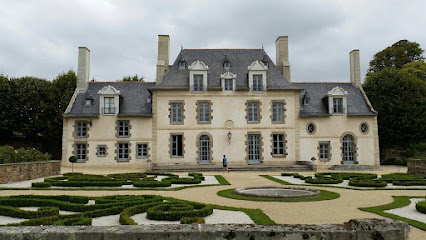
Plage de la Hoguette
34.4 km
Plage de la Hoguette: A serene beach escape near Saint-Malo, perfect for sunbathing, relaxation, and family fun amidst stunning coastal views.
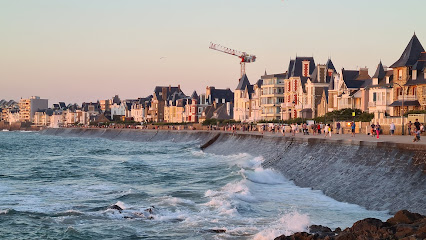
Musée des Terre-Neuvas
34.6 km
Explore the captivating maritime history of Newfoundland's fishing industry at Musée des Terre-Neuvas in Saint-Malo, a must-visit attraction for every traveler.
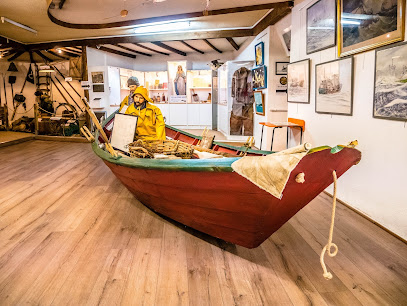
Le Vauban 2-La Grande Passerelle
34.9 km
Discover the charm of Le Vauban 2-La Grande Passerelle, a cozy movie theater in Saint-Malo perfect for film lovers and cultural enthusiasts alike.
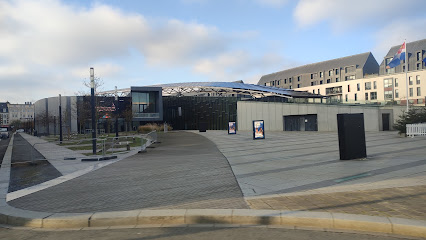
Maison Du Peuple
34.9 km
Experience the rich history and vibrant culture at Maison Du Peuple, a captivating landmark in the heart of Saint-Malo, France.
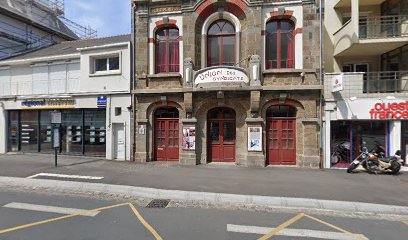
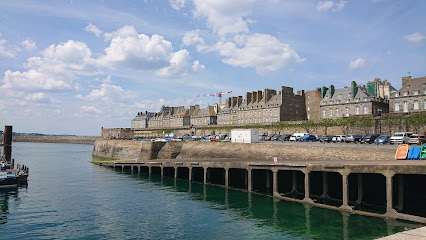
Saint Malo
35.0 km
Explore the rich history and stunning coastal beauty of Saint-Malo, a must-visit destination in Brittany, France.
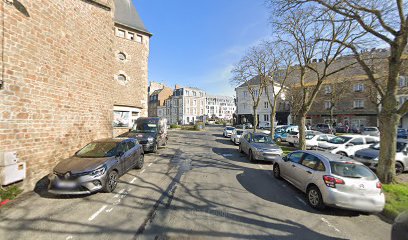
Parking Place de l'Hermine
35.1 km
Experience hassle-free parking at Place de l'Hermine, your gateway to the historic and beautiful Saint-Malo.
Unmissable attractions to see

Las ratas
0.7 km
Discover a whimsical garden escape near Mont Saint-Michel: Las Ratas offers a tranquil retreat with quirky art and a unique, unconventional landscape design.
Tour Gabriel
1.6 km
Explore Tour Gabriel, a stunning tourist attraction on Mont Saint-Michel, offering breathtaking views and rich historical insights for every traveler.
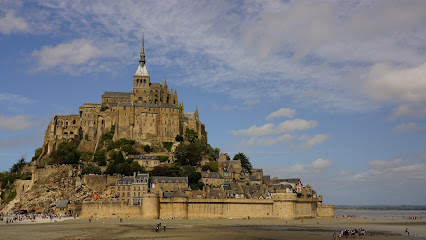
The Center for National Monuments
1.6 km
Explore the rich cultural heritage at The Center for National Monuments, a captivating historic site on the stunning Mont Saint-Michel.
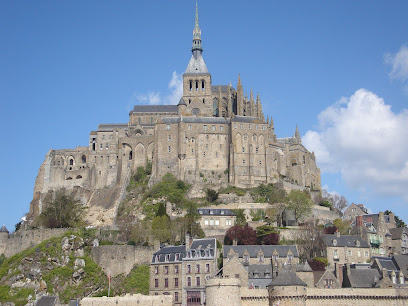
Chapelle du Saint-Aubert
1.6 km
Discover tranquility at Chapelle du Saint-Aubert, a historic chapel on Mont Saint-Michel, rich in culture and breathtaking views.
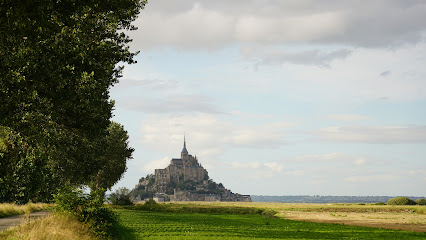
Porte de l'avancée
1.7 km
Experience the rich history and stunning coastal views at Porte de l'avancée, the gateway to the iconic Mont-Saint-Michel in France.
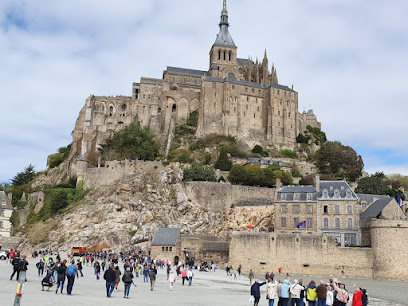
Mont-Saint-Michel Abbey
1.7 km
Experience the breathtaking beauty and rich history of Mont-Saint-Michel Abbey, a UNESCO World Heritage site in France, with stunning architecture and panoramic views.
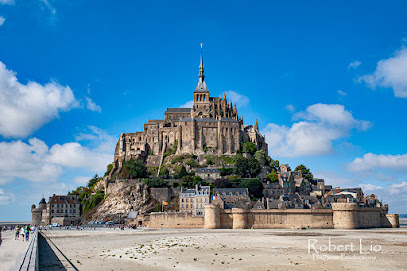
Abbaye du Mont-Saint-Michel
1.7 km
Discover the Abbaye du Mont-Saint-Michel, a breathtaking medieval abbey perched on a tidal island, blending history, architecture, and spirituality in a stunning Normandy setting.
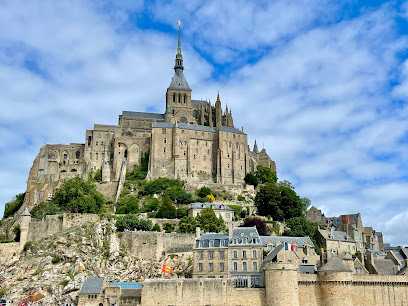
Cloître de l'abbaye du Mont-Saint-Michel
1.7 km
Discover the serene beauty and historical significance of the Cloître de l'Abbaye du Mont-Saint-Michel, a must-see landmark steeped in medieval charm.
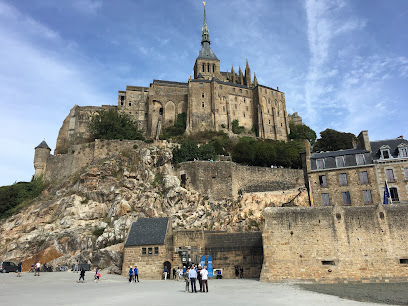
The King's Gate
1.7 km
Step through history at Mont-Saint-Michel's King's Gate, the iconic entrance to a medieval marvel, offering unique souvenirs and local treasures.
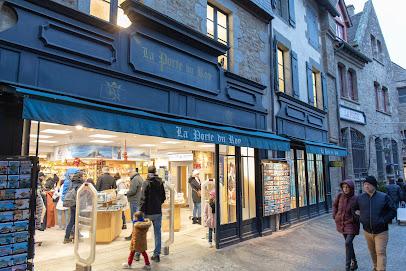
Mont Saint-Michel
1.7 km
Discover the breathtaking beauty and rich history of Mont Saint-Michel, a mesmerizing island commune in Normandy, France, renowned for its stunning abbey and coastal scenery.
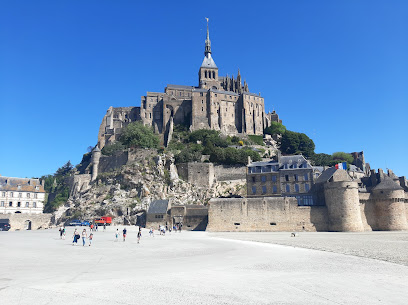
Maison de l'Artichaut
1.8 km
Discover the rich history and charm of Maison de l'Artichaut, a stunning monument in the heart of Mont-Saint-Michel's enchanting streets.
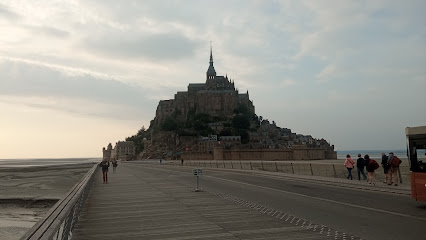
Freedom Tower
1.8 km
Discover Mont Saint-Michel, a UNESCO World Heritage site in Normandy, France, where medieval history, stunning architecture, and breathtaking tides converge to create an unforgettable experience.
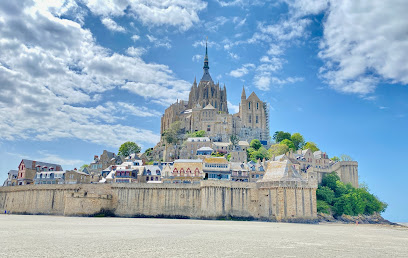
Jardins de la Croix de Jérusalem (Le Mont-Saint-Michel)
1.8 km
Discover a serene escape at Mont-Saint-Michel's Jardins de la Croix de Jérusalem: breathtaking views, tranquil gardens, and a peaceful retreat from the crowds.
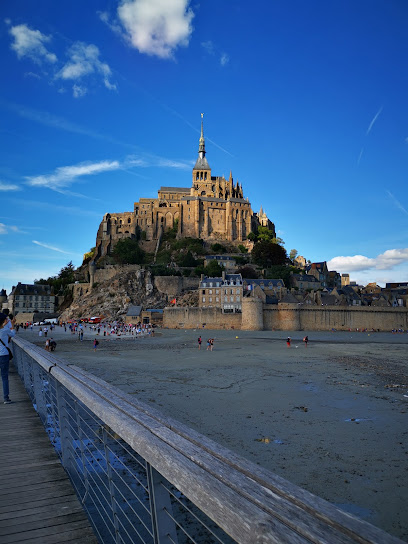
Logis Tiphaine
1.8 km
Discover the captivating history of Mont Saint-Michel at Logis Tiphaine, a museum showcasing the island's evolution, strategic importance, and the lives of its inhabitants through the ages.
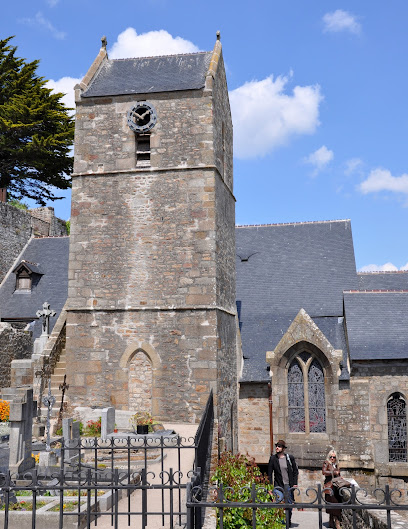
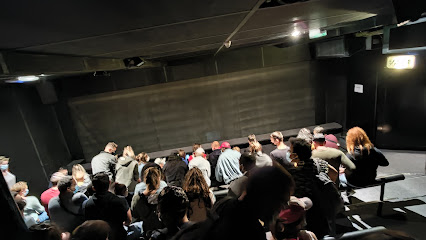
Archéoscope
1.8 km
Explore Archéoscope in Mont-Saint-Michel for an unforgettable journey through the island's rich medieval history and culture.
Essential places to dine

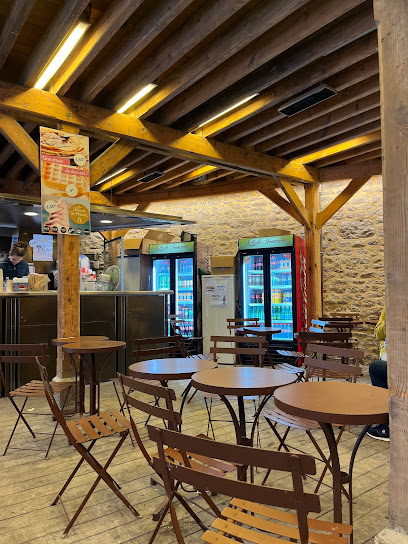
La Terrasse
1.7 km
Discover La Terrasse at Mont Saint-Michel: Enjoy delicious sandwiches with stunning views at this charming eatery amidst historic beauty.
Hotel La Mère Poulard
1.7 km
Indulge in exquisite French cuisine at Hotel La Mère Poulard on Mont-Saint-Michel—where history meets culinary artistry.
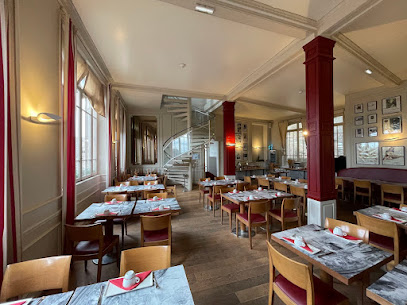
Restaurant La Confiance
1.7 km
Discover exquisite French cuisine at Restaurant La Confiance in Mont Saint-Michel—where tradition meets breathtaking views.
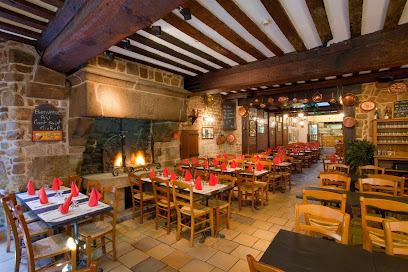
Restaurant Creperie Bar
1.8 km
Experience authentic French crêpes in the enchanting surroundings of Mont Saint-Michel's historic charm.
La Sirène Lochet
1.8 km
Discover authentic Breton cuisine at La Sirène Lochet in Mont Saint-Michel - home of exquisite crêpes and charming ambiance.
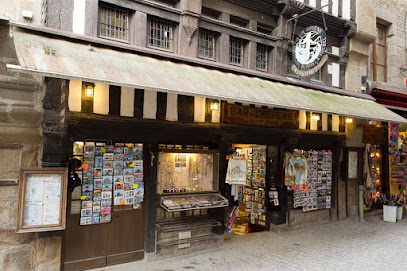
Auberge Saint Pierre
1.8 km
Experience the charm of Mont-Saint-Michel at Auberge Saint Pierre – your gateway to unforgettable adventures and delightful dining.
Le Chapeau Rouge
1.8 km
Discover traditional French flavors at Le Chapeau Rouge, where delightful crepes and a charming atmosphere await in beautiful Mont-Saint-Michel.
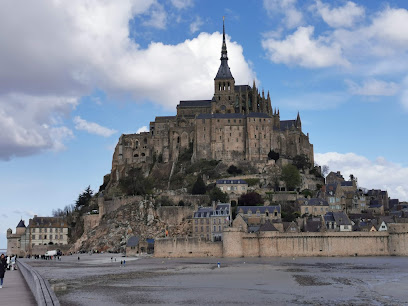
Bar Restaurant Saint Michel
1.8 km
Experience delightful dining at Bar Restaurant Saint Michel with stunning views and local flavors on your visit to Mont Saint-Michel.
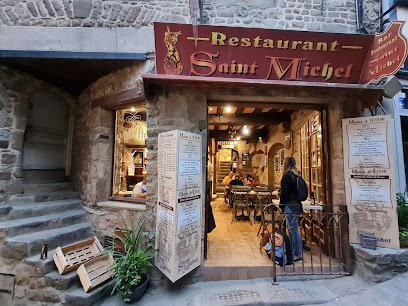
Le Tripot
1.8 km
Discover exquisite French cuisine at Le Tripot in Mont Saint-Michel, where every dish tells a story of tradition and flavor.
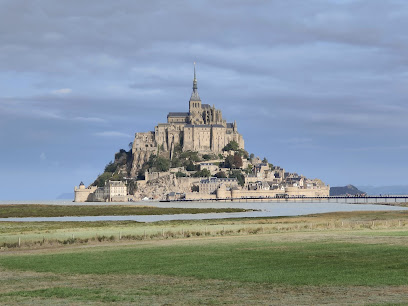
La Cloche
1.8 km
Experience authentic French crêpes at La Cloche in Mont-Saint-Michel, where tradition meets taste amidst stunning historical surroundings.
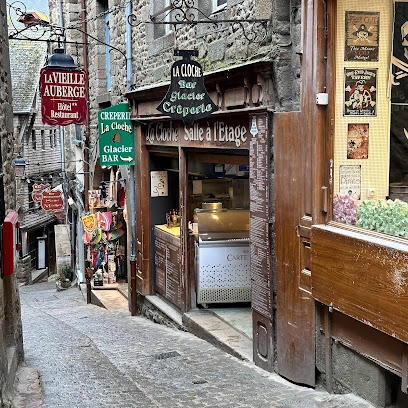
Restaurant Du Guesclin
1.8 km
Experience authentic French cuisine with stunning views at Restaurant Du Guesclin on Mont-Saint-Michel.
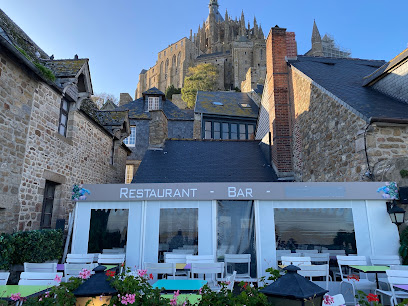
Mont burger
1.8 km
Discover Mont Burger in Mont Saint-Michel – where exquisite burgers meet breathtaking views in France's iconic island commune.
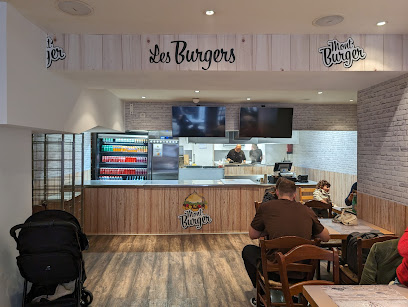
Le Mouton Blanc
1.8 km
Experience authentic French cuisine at Le Mouton Blanc in Mont-Saint-Michel—where tradition meets flavor in a historic setting.
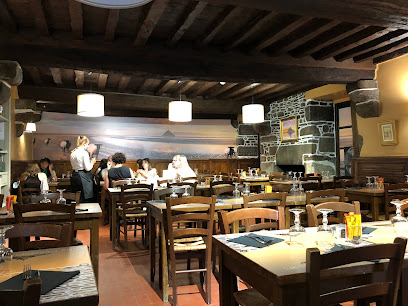
La Vieille Auberge Mont Saint-Michel
1.8 km
Experience traditional French cuisine at La Vieille Auberge Mont Saint-Michel amidst breathtaking historical scenery.
Le Saint Michel Ridel
1.8 km
Experience authentic French cuisine at Le Saint Michel Ridel amidst the stunning backdrop of Mont-Saint-Michel.
Markets, malls and hidden boutiques

Librairie Logis Saint-Pierre
1.7 km
Discover the literary treasures of Librairie Logis Saint-Pierre in Mont-Saint-Michel, where every book tells a story of history and beauty.
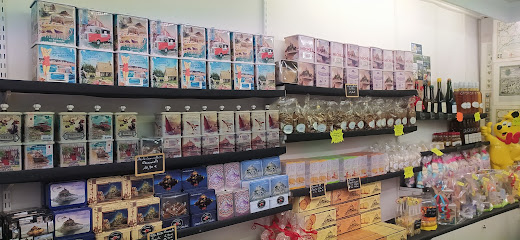
SARL SOLUCA
1.7 km
Explore the charming SARL SOLUCA gift shop in Mont-Saint-Michel for unique souvenirs and local crafts that capture the essence of this iconic destination.
Frammery Maryvonne
1.7 km
Discover unique souvenirs and local crafts at Frammery Maryvonne, a charming gift shop in the heart of Le Mont-Saint-Michel.
Boutique mère poulard
1.8 km
Experience the culinary traditions of Mont Saint-Michel at Boutique Mère Poulard, famous for its legendary omelettes and charming atmosphere.
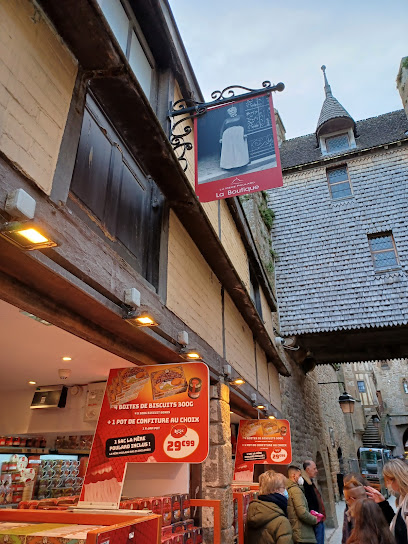
Les Mouettes
1.8 km
Experience the charm of Mont-Saint-Michel at Les Mouettes, your destination for unique gift baskets filled with local delicacies and souvenirs.
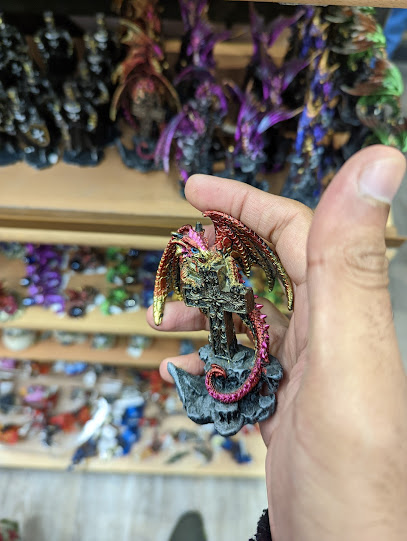
Les Lutins
1.8 km
Discover unique fashion at Les Lutins, a charming clothing store in Mont Saint-Michel, blending style and local culture in a breathtaking setting.
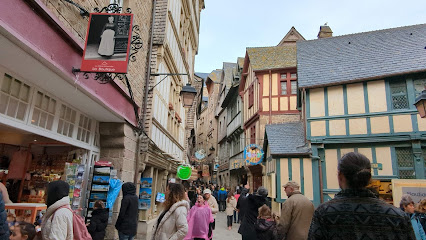
La Belle Normande
1.8 km
Discover the sweet treasures of La Belle Normande in Mont-Saint-Michel, where traditional pastries meet the charm of Normandy.
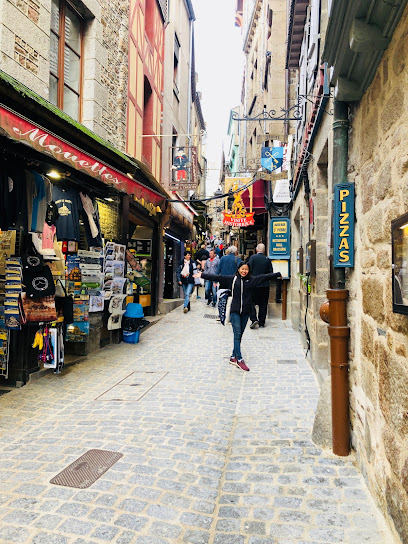
Cheval Blanc
1.8 km
Explore Cheval Blanc in Mont Saint-Michel, a boutique haven offering exquisite local crafts and a taste of French elegance amidst stunning medieval scenery.
Aux 3 Croissants Shop
1.8 km
Discover unique souvenirs and local delicacies at Aux 3 Croissants, a charming gift shop in the heart of Mont Saint-Michel.
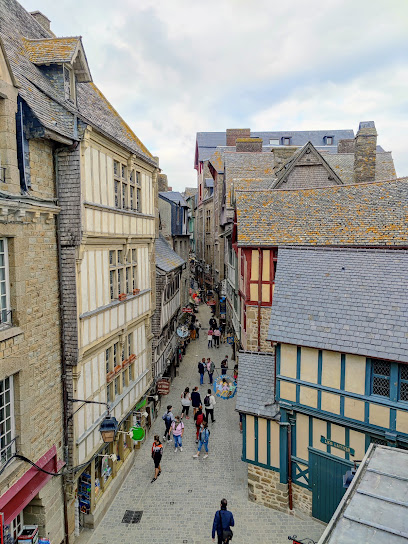
Librairie du Sanctuaire - librairie religieuse du Mont Saint Michel
1.8 km
Explore the serene Librairie du Sanctuaire, a treasure trove of religious books and unique souvenirs on the majestic Mont Saint Michel.
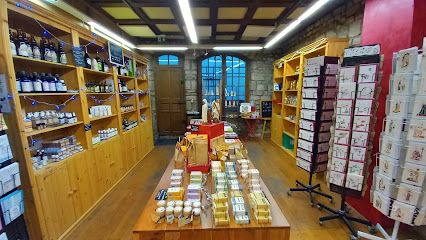
Au Pot de Cuivre
1.8 km
Discover the essence of Mont Saint-Michel at Au Pot de Cuivre, your go-to souvenir store for unique gifts and local treasures.
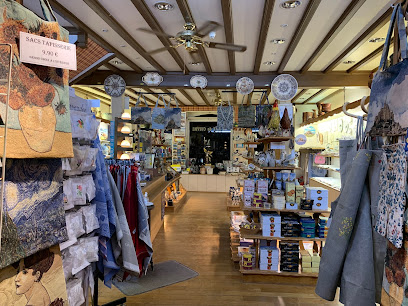
La Fée des Grèves
1.8 km
Discover unique souvenirs at La Fée des Grèves in Mont-Saint-Michel, capturing the essence of this iconic French destination.
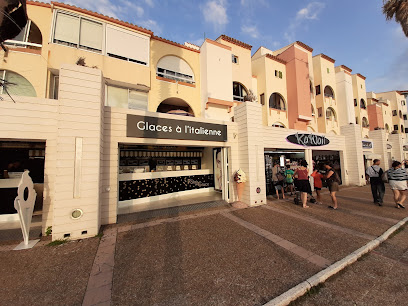
Glace À L'italienne
2.1 km
Experience the enchanting flavors of Glace À L'italienne, an ice cream shop near Mont Saint-Michel, offering artisanal treats perfect for any sweet tooth.
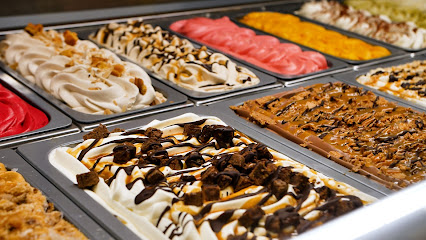
Glaces Moustache Mont-Saint-Michel Artisan Glacier
2.3 km
Savor artisan ice cream with breathtaking views at Glaces Moustache, near Mont-Saint-Michel, a true French delight for all ice cream lovers.
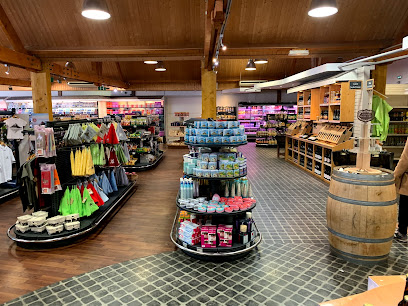
Les Galeries Du Mont-Saint Michel
2.3 km
Explore unique gifts and local treasures at Les Galeries Du Mont-Saint-Michel, the perfect stop for souvenirs near France's iconic landmark.
Essential bars & hidden hideouts

Bar des Amis PMU
3.9 km
Experience the heart of Beauvoir at Bar des Amis PMU, where locals and travelers gather for drinks, snacks, and authentic French charm.
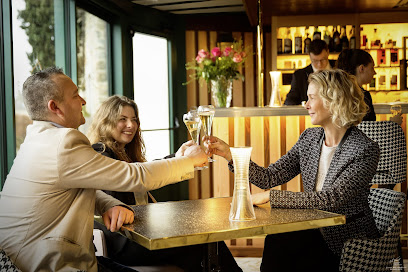
BAR LOUNGE LA ROSERAIE - BEAUVOIR - MONT SAINT-MICHEL
4.2 km
Discover the perfect blend of relaxation and scenic beauty at Bar Lounge La Roseraie, near Mont Saint-Michel.
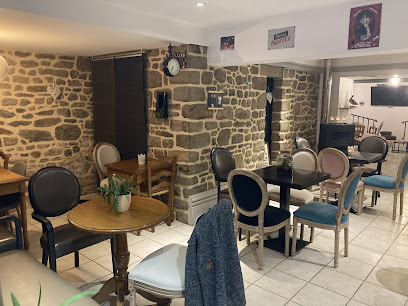
La Pause K’Fée
6.3 km
Experience the cozy charm of La Pause K’Fée, the perfect bar in Roz-sur-Couesnon for relaxation and local flavors.
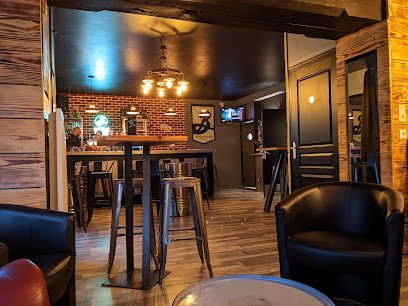
BROOKLYN
8.7 km
Experience the warmth of Brooklyn, a lively beer hall and hamburger restaurant in Pontorson, inviting food enthusiasts to savor exceptional flavors.
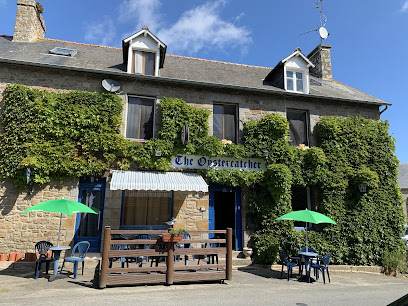
The Oystercatcher Bar
8.8 km
Experience the charm of The Oystercatcher Bar in Saint-Marcan, where great drinks and a cozy atmosphere await every visitor.
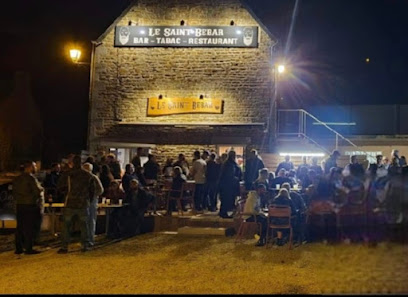
Le saint bebar
10.2 km
Discover the charm of Le Saint Bebar in Saint-Broladre, where delightful drinks meet a welcoming atmosphere for the perfect local experience.
Lance L'eau Bar
18.1 km
Experience vibrant nightlife at Lance L'eau Bar in Dol-de-Bretagne, where excellent drinks and a lively atmosphere await you.
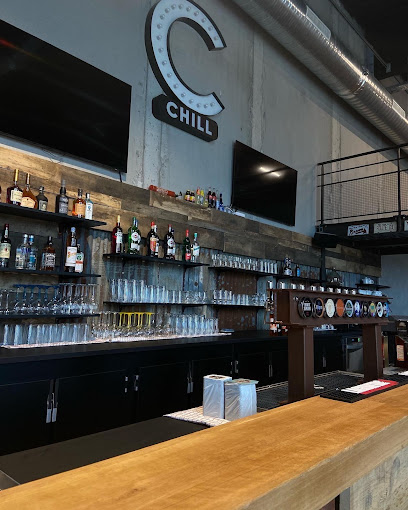
Le Chill
32.3 km
Discover the vibrant atmosphere of Le Chill, a cozy bar in Saint-Malo perfect for unwinding after a day of exploring the stunning coastline.
Le Bercail
33.8 km
Discover the vibrant flavors of Saint-Malo at Le Bercail, where tapas, cocktails, and live music create an unforgettable dining experience.
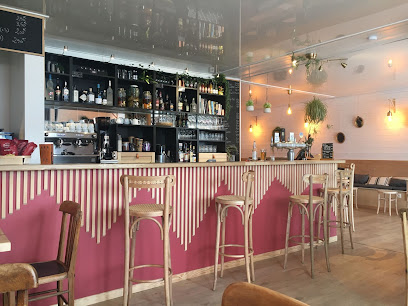
Le Dock
35.4 km
Discover Le Dock in Saint-Malo: A delightful brasserie offering exquisite French cuisine and breathtaking waterfront views.
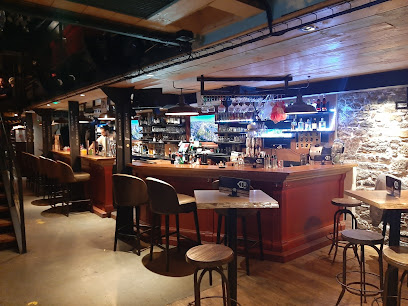
Cunningham's Bar
36.0 km
Discover the vibrant charm of Cunningham's Bar in Saint-Malo, where every sip tells a story and every visit feels like home.
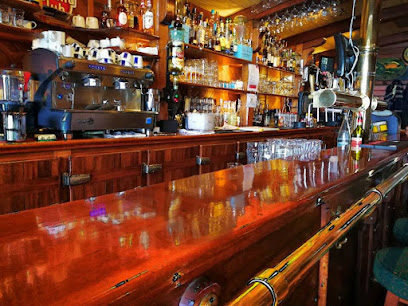
Le Cancalais
36.0 km
Experience the vibrant flavors of Saint-Malo at Le Cancalais, where fresh seafood meets stunning waterfront views in a lively atmosphere.
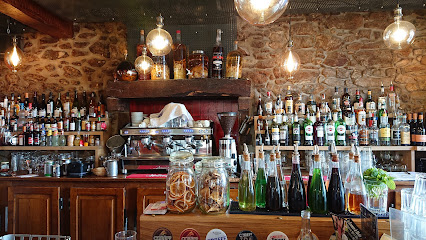
La Fabrique Bar Saint Malo
36.2 km
Discover La Fabrique Bar in Saint-Malo: a lively spot for craft cocktails, local beers, and unforgettable live music experiences.
La Java Café
36.2 km
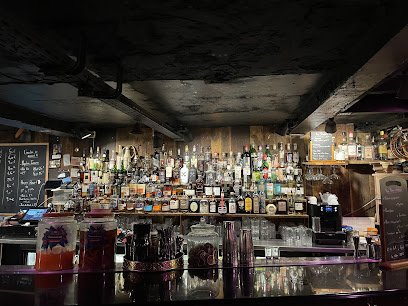
Discover La Java Café in Saint-Malo: A vibrant bar and café offering delicious treats and a unique atmosphere for tourists and locals alike.
L'Equinoxial
36.2 km
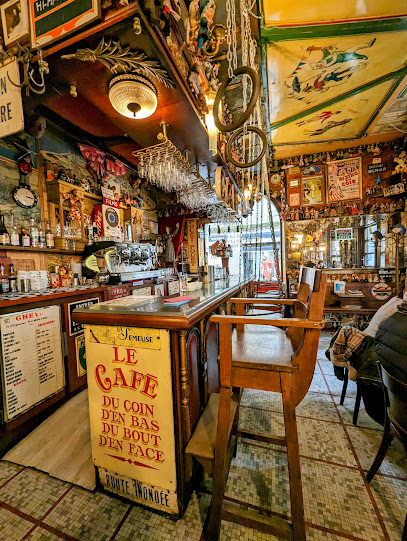
Experience the lively atmosphere of L'Equinoxial in Saint-Malo, where sports, Irish charm, and delicious food come together in a vibrant setting.