Château de Château-l'Évêque: A Bishop's Resplendent Retreat
Discover the Château de Château-l'Évêque: A historic castle blending medieval fortifications with Renaissance elegance, once home to bishops and couturiers.
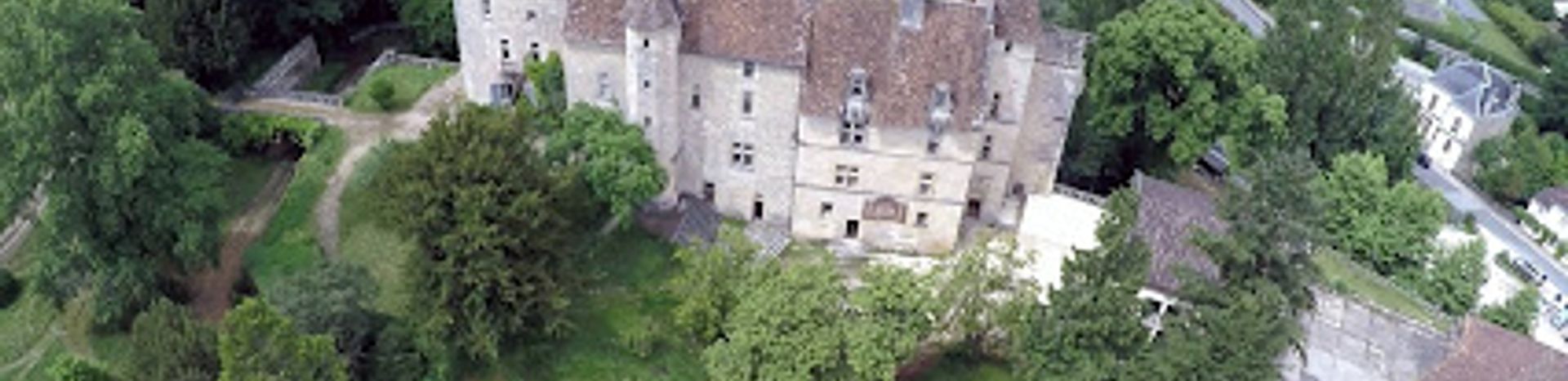
The Château de Château-l'Évêque, dating back to the 10th century, served as the favored residence of the Bishops of Périgueux. Fortified in 1347 and remodeled through the Renaissance, it boasts a rich history and stunning architecture. Today, it is a private residence open for tours, showcasing its tumultuous past and beautiful grounds.
A brief summary to Château de Château-l'Évêque
- 14 Rue du Château, Château-l'Évêque, 24460, FR
- +33621552306
- Visit website
Local tips
- Call ahead to schedule a guided tour with the owner for a more personalized experience.
- Explore the gardens to see the ongoing restoration efforts, including the hydrangeas and English roses.
- Check the official website for seasonal hours and special events.

Getting There
-
Driving
From Périgueux, take the D5 towards Château-l'Évêque. The château is located in the center of the village. Note that there is no private parking at the castle, but public parking is available on the street. Be mindful of local residents when parking. Parking is free.
-
Public Transport
From Périgueux, take the Télobus T14 line, which serves Château-l'Évêque with a taxi on demand service. From the bus stop in Château-l'Évêque, the château is a short walk into the center of the village. Contact Télobus for schedules and booking information. A single ticket should cost around €2.
-
Walking
From the Château-l'Évêque train station, walk north along the D5 (Rue de la Gare), turn left onto Rue du Château. The chateau will be on your left. The walk is approximately 500m and should take less than 10 minutes.
Discover more about Château de Château-l'Évêque
Iconic landmarks you can’t miss

Abri de la Madeleine
41.3 km
Discover prehistoric life at Abri de la Madeleine, a UNESCO World Heritage site in the Vézère Valley, France. Explore ancient art and Magdalenian culture.
Périgord noir
42.4 km
Explore the breathtaking landscapes, rich history, and culinary treasures of Périgord Noir, one of France's most enchanting regions.
Grotte de Font-de-Gaume
43.6 km
Explore a UNESCO World Heritage site featuring original polychrome paintings from the Magdalenian period in one of the last accessible caves.
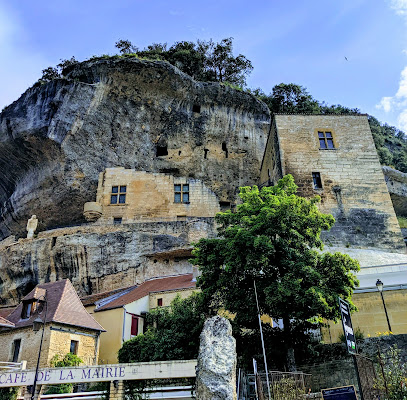
The Regourdou
44.2 km
Explore the ancient wonders of Regourdou in Montignac-Lascaux, where history and nature converge in a breathtaking prehistoric experience.
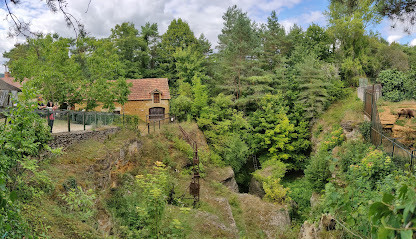
Château de la Mercerie
44.9 km
Discover the enchanting Château de la Mercerie, a historical castle surrounded by beautiful gardens in Magnac-Lavalette-Villars, France.
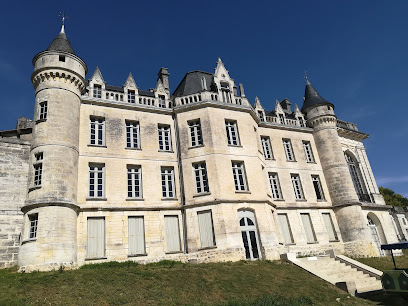
Château Fort de Montbrun
46.5 km
Discover the medieval grandeur of Château Fort de Montbrun in Dournazac, a historic castle with stunning architecture and scenic beauty.
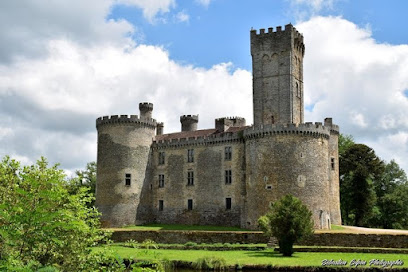
Statue Cyrano de Bergerac
46.8 km
A tribute to Cyrano de Bergerac in his namesake town, symbolizing wit, romance, and the spirit of French literature.
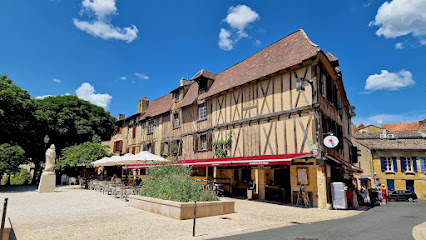
Commarque Castle
47.6 km
Explore the medieval majesty of Commarque Castle, a breathtaking historical site nestled in the stunning landscapes of the Dordogne region.
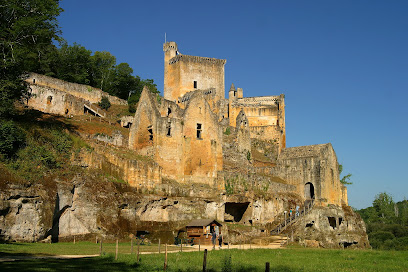
Grottes de Maxange
49.1 km
Discover a subterranean world of rare geological formations at Grottes de Maxange, where eccentric concretions defy gravity in the heart of the Dordogne.
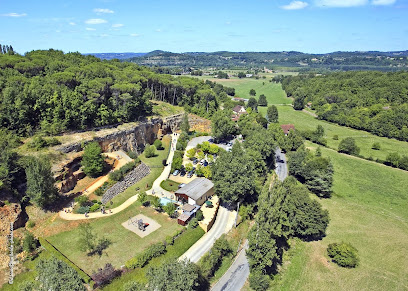
Château de Puymartin
51.8 km
Explore the enchanting Château de Puymartin, a medieval castle in Sarlat-la-Canéda, rich in history and breathtaking views of the Dordogne landscape.
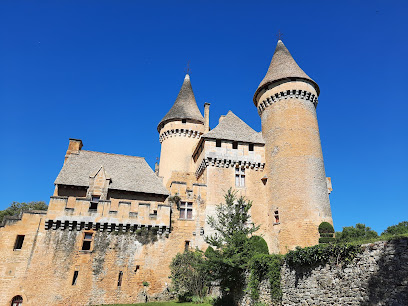
Route Richard Coeur de Lion
57.0 km
Discover medieval castles and historical sites on the Richard the Lionheart Route in France. Explore the rich history and scenic beauty of Limousin.

Source captée de la Charente
57.4 km
Explore the serene beauty of Source captée de la Charente in Chéronnac, a hidden gem perfect for nature lovers and tranquil escapes.
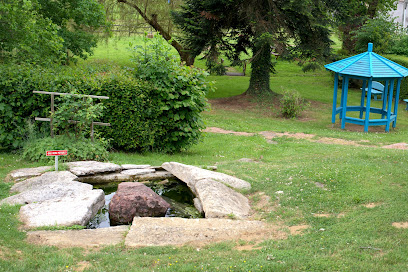
Fontaine Sainte-Marie
57.5 km
Experience the allure of Fontaine Sainte-Marie, a historical landmark in Sarlat-la-Canéda, where history and beauty come together in a serene setting.
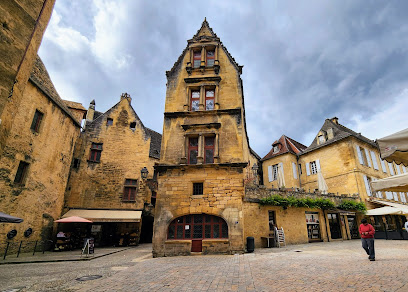
Manor Gisson
57.5 km
Explore the historical elegance of Manor Gisson, a stunning museum in Sarlat-la-Canéda showcasing the rich heritage and culture of the Dordogne region.
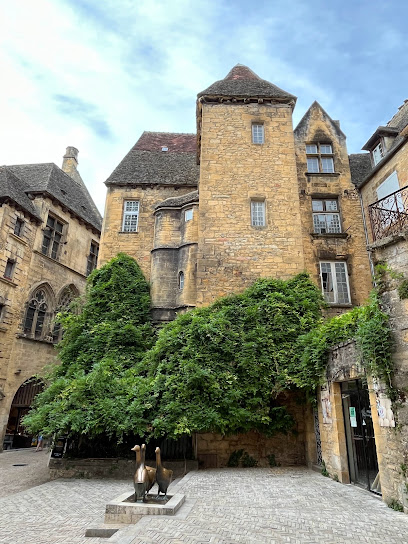
Le Badaud
57.5 km
Meet Le Badaud, Sarlat's iconic bronze sculpture, offering a unique perspective on the historic Place de la Liberté.

Unmissable attractions to see

Parc Gamenson
7.2 km
Explore the serene beauty and cultural charm of Parc Gamenson, a must-visit park in the heart of Périgueux, France.
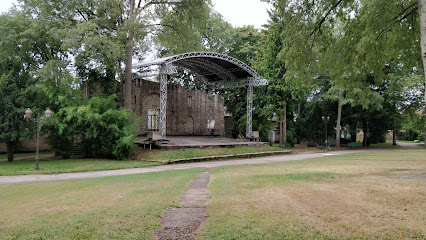
Le Petit train Touristique de Périgueux
7.3 km
Experience the enchanting sights and sounds of Périgueux aboard the charming Petit Train Touristique, a delightful journey through history and beauty.
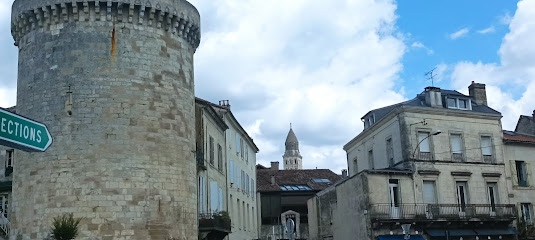
Octroi et rocher de L'Arsault
7.3 km
Experience the stunning natural beauty and rich history of Octroi et Rocher de L'Arsault in Périgueux, a must-visit tourist attraction.
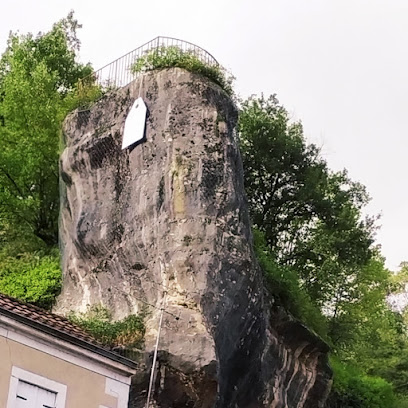
Périgord Museum of Art and Archaeology
7.4 km
Discover the Périgord Museum of Art and Archaeology, where history and culture intertwine in a captivating exploration of the Dordogne's rich past.
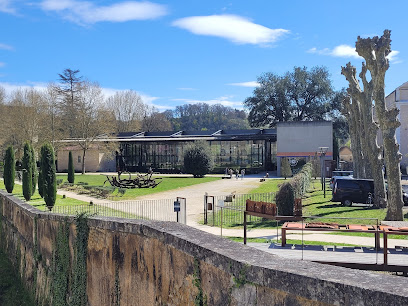
Esplanade du Souvenir
7.4 km
Explore Esplanade du Souvenir in Périgueux, a city park blending tranquility with rich history and vibrant local culture.
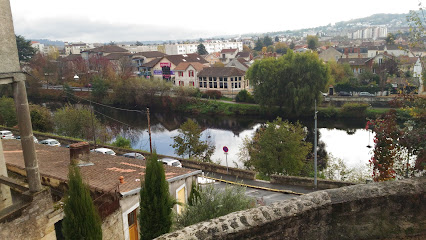
Square des Arènes
7.4 km
Explore the historic Square des Arènes in Périgueux, a serene city park blending nature with remnants of Roman architecture.
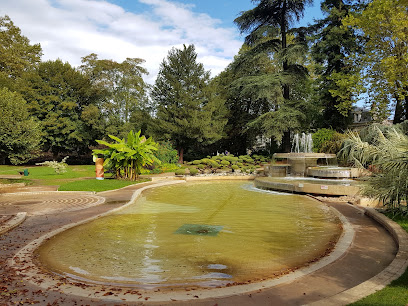
touristique
7.4 km
Explore Halle du Coderc in Périgueux: a vibrant market hall filled with local produce, artisan crafts, and the essence of French culture.
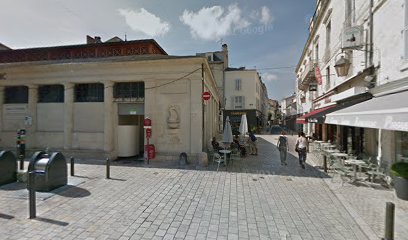
Porte Normande
7.4 km
Explore the historical charm of Porte Normande in Périgueux, a gateway to the past and a symbol of France's architectural heritage.
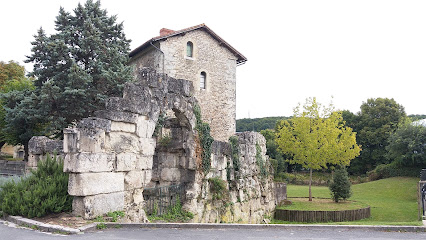
QUARTIER PUY SAINT-FRONT
7.5 km
Explore Quartier Puy Saint-Front, a historic gem in Périgueux with charming streets, stunning architecture, and vibrant local culture.
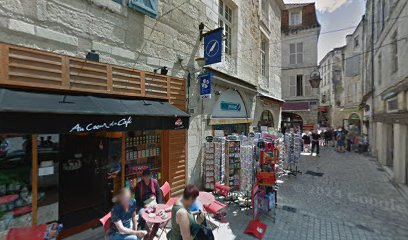
VILLE ANTIQUE
7.5 km
Discover the enchanting VILLE ANTIQUE in Périgueux, a historical landmark that showcases stunning architecture and rich cultural heritage.
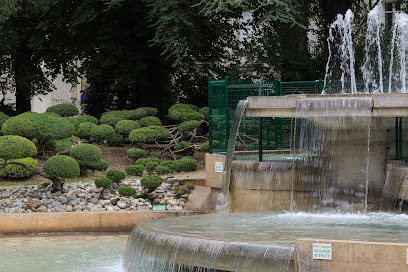
Musée Militaire du Périgord
7.5 km
Uncover the military history of Périgord at the Musée Militaire, a captivating local history and army museum filled with remarkable exhibits.
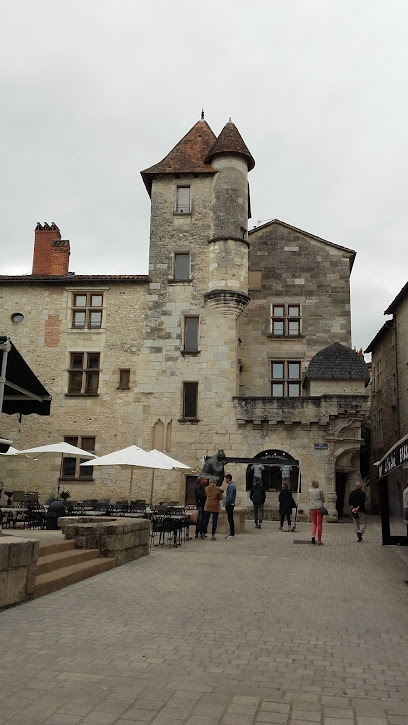
Périgueux Cathedral
7.6 km
Explore the architectural marvel of Périgueux Cathedral, a UNESCO World Heritage site showcasing stunning Romanesque and Byzantine artistry.
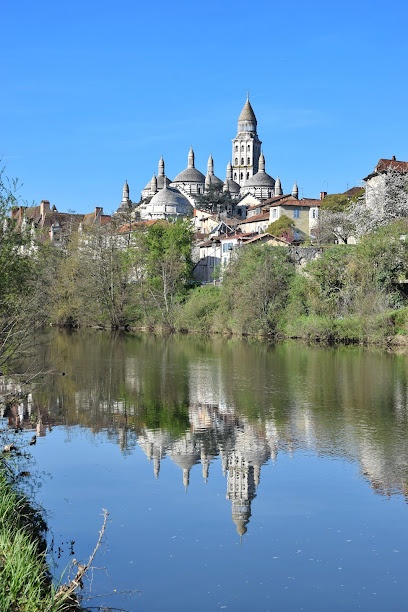
Thouin Garden
7.6 km
Explore the beauty and tranquility of Thouin Garden, a serene park in Périgueux, France, perfect for relaxation and leisurely strolls amidst nature.
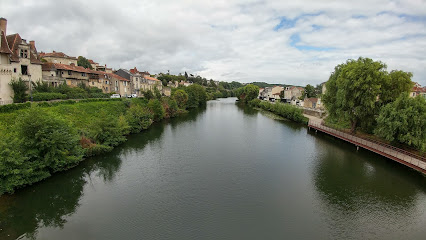
Pont Des Barris
7.6 km
Discover the beauty and history of Pont Des Barris, a stunning bridge in Périgueux, France, perfect for photography and leisurely strolls.
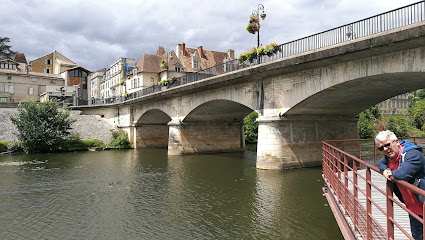
Marché de noël
7.7 km
Experience the magic of Marché de Noël in Bergerac, a festive Christmas market filled with crafts, treats, and holiday cheer.
Essential places to dine

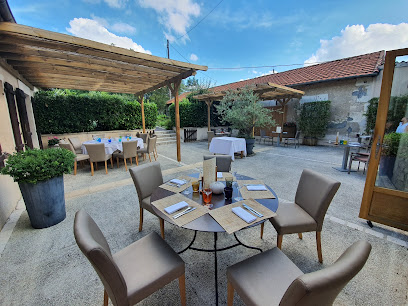
Restaurant gastronomique Périgueux - LA TABLE DU POUYAUD - Restaurant Chef étoilé 5 ans guide Michelin Périgueux -DORDOGNE
6.3 km
Discover Michelin-starred haute French cuisine at La Table du Pouyaud in Périgueux, where culinary artistry meets exquisite flavors.
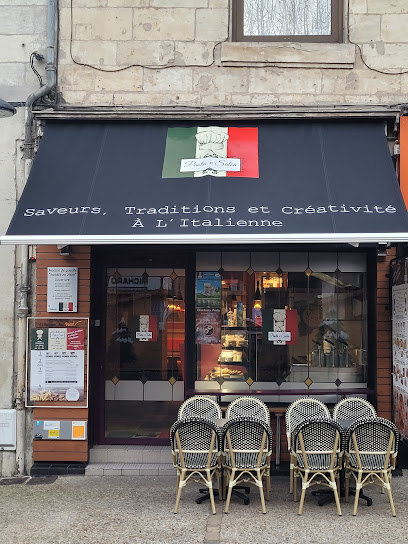
Trattoria Pasta e Salsa
7.3 km
Experience authentic Italian flavors at Trattoria Pasta e Salsa in Périgueux - where every dish tells a story.
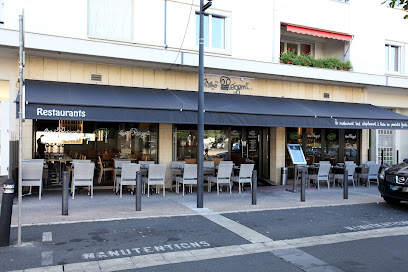
Bistro Régent
7.3 km
Experience authentic French cuisine at Bistro Régent in Périgueux – where every meal is a celebration of culinary tradition.
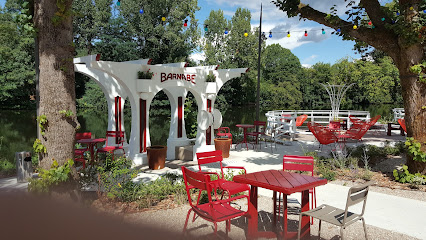
Alfred s'invite à Barnabé
7.9 km
Discover the unique blend of French cuisine and fun at Alfred s'invite à Barnabé, where great food meets vibrant entertainment.
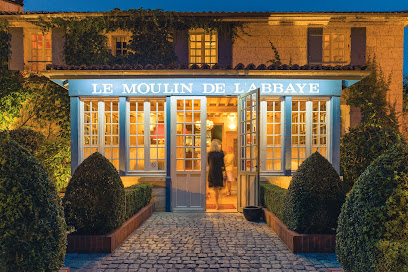
Le Moulin de l'Abbaye
13.4 km
Experience luxury at Le Moulin de l'Abbaye: A historic hotel and restaurant offering exquisite French cuisine in Brantôme en Périgord.
Le Moulin du Roc
16.3 km
Experience unparalleled luxury and exquisite French cuisine at Le Moulin du Roc, a hidden gem in Champagnac-de-Belair.
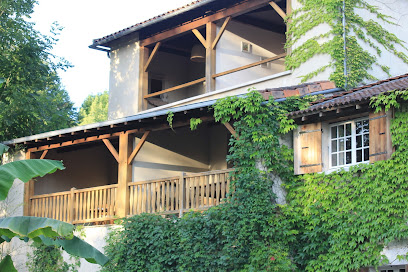
Logis Auberge de la Truffe
16.3 km
Experience exquisite French cuisine and cozy accommodations at Logis Auberge de la Truffe in Sorges-et-Ligueux-en-Périgord.
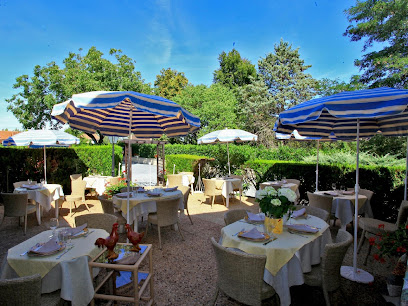
Le Saint Jean
22.8 km
Discover authentic French cuisine at Le Saint Jean in scenic Saint-Jean-de-Côle—where tradition meets culinary excellence.
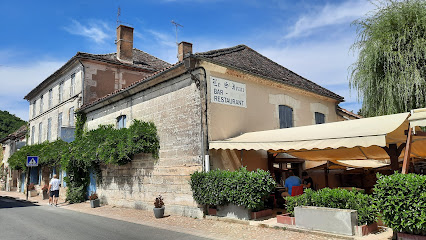
Le temps des mets
22.9 km
Experience authentic French cuisine at Le Temps des Mets in picturesque Saint-Jean-de-Côle - where every meal is a celebration of flavor.
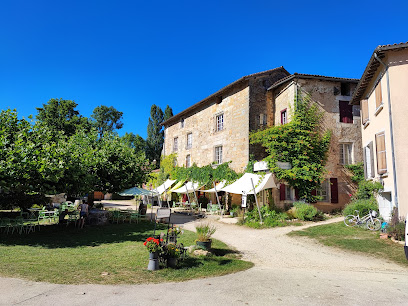
Le Corgnacois
25.2 km
Discover authentic French cuisine in the heart of Corgnac-sur-l'Isle at Le Corgnacois, where every meal tells a story.
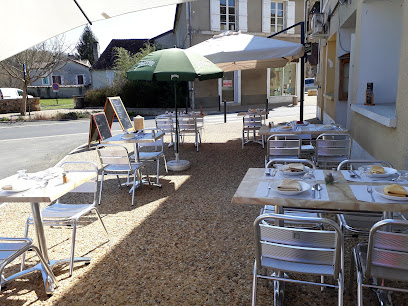
L'escapade des sens
26.6 km
Experience exquisite French dining at L'escapade des sens in Thiviers - where tradition meets innovation in every dish.
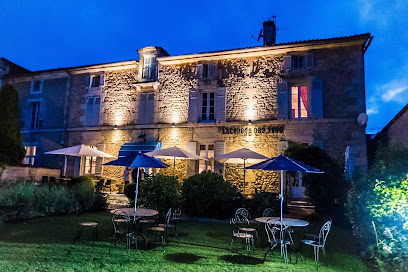
Hôtel de France
27.9 km
Discover exquisite French and Mediterranean cuisine at Hôtel de France, a culinary haven in scenic Saint-Pardoux-la-Rivière.
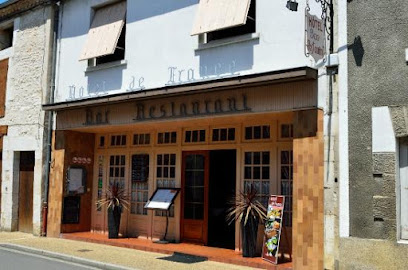
Ferme Sinsac
31.0 km
Discover Ferme Sinsac: A charming vegetarian restaurant and organic farm offering fresh local produce in the beautiful French countryside.
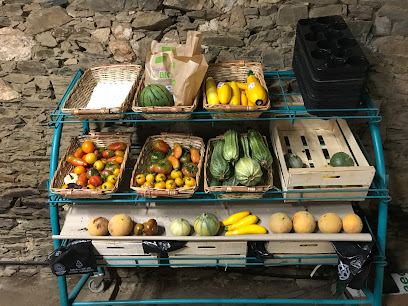
l'assiette troglodyte
31.4 km
Experience authentic French dining in a charming troglodyte setting at L'Assiette Troglodyte in Sourzac.
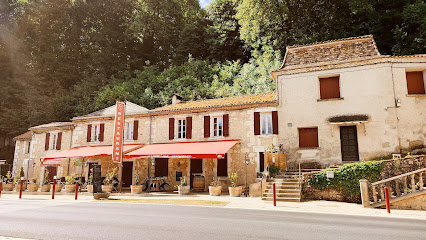
Ferme Auberge Le Grand Coderc
34.6 km
Experience authentic local cuisine and serene countryside living at Ferme Auberge Le Grand Coderc in Saint-Rabier.
Markets, malls and hidden boutiques

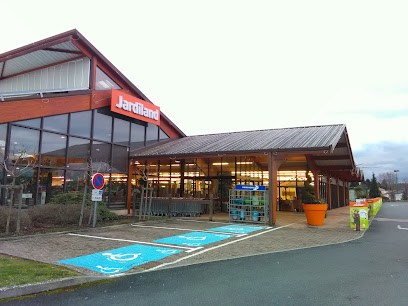
Jardiland
5.6 km
Explore Jardiland in Chancelade, your premier garden center for plants, gardening supplies, and pet products, surrounded by nature's beauty.
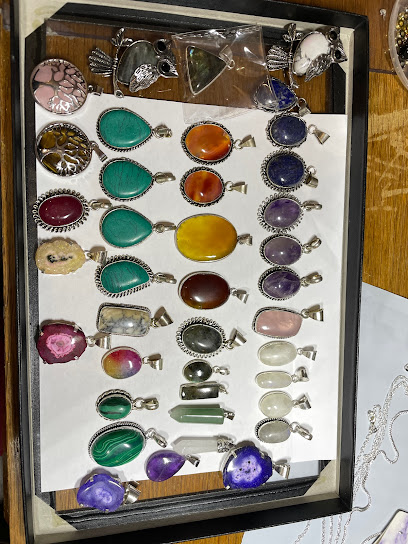
JULIE RAYNAUD
6.1 km
Discover unique gifts and local treasures at Julie Raynaud, a charming gift shop offering exquisite fashion accessories and jewelry.
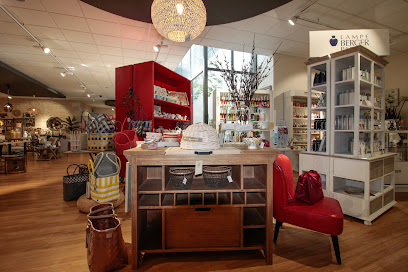
Ambiance Déco
7.3 km
Explore Ambiance Déco in Périgueux for exquisite gifts, unique home goods, and stylish lighting that showcase French design and craftsmanship.
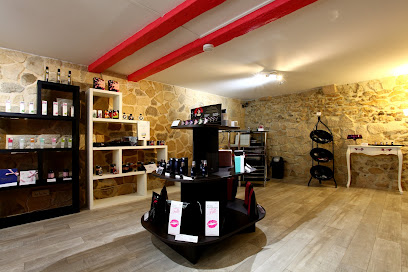
Les Clefs Du Plaisir
7.3 km
Explore Les Clefs Du Plaisir, Périgueux's charming gift shop featuring unique cosmetics, lingerie, and local artisan creations for an unforgettable shopping experience.
UNIQUE
7.3 km
Discover UNIQUE in Périgueux, where fashion meets home goods, offering a delightful shopping experience for every traveler.
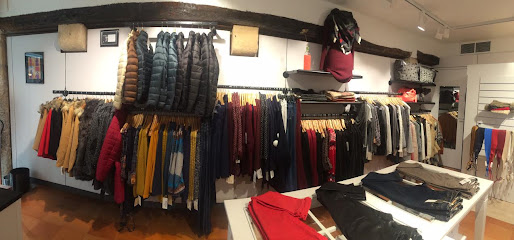
Périgord Tentations Gourmandes
7.4 km
Discover the flavors of Périgueux at Périgord Tentations Gourmandes, a gourmet grocery store and gift shop filled with local delicacies and unique treasures.
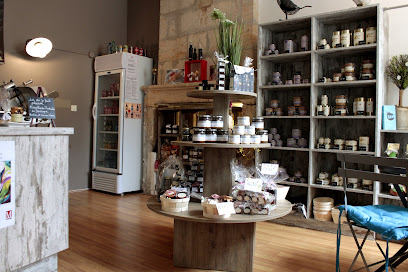
Place Of Geek by POG
7.4 km
Explore a treasure trove of collectibles, board games, and Japanese treats at Place Of Geek, the ultimate stop for enthusiasts in Périgueux!
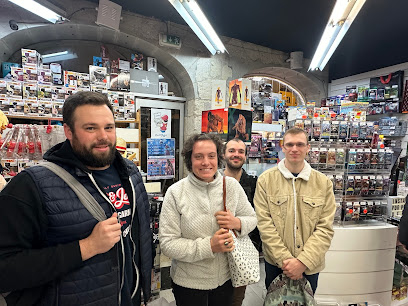
Le Boudoir Déco
7.4 km
Explore the enchanting world of home decor at Le Boudoir Déco, Périgueux's premier gift shop for unique treasures and stylish lighting.
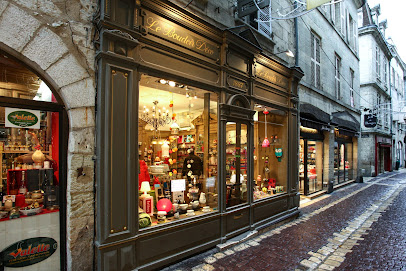
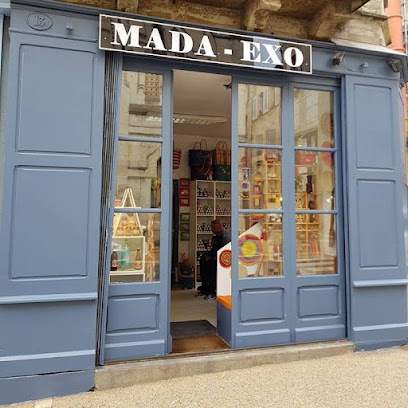
MADA-EXO Madagascar Exotic.
7.4 km
Discover the exotic charm of Madagascar at MADA-EXO, where gourmet groceries and unique handicrafts await in Périgueux.
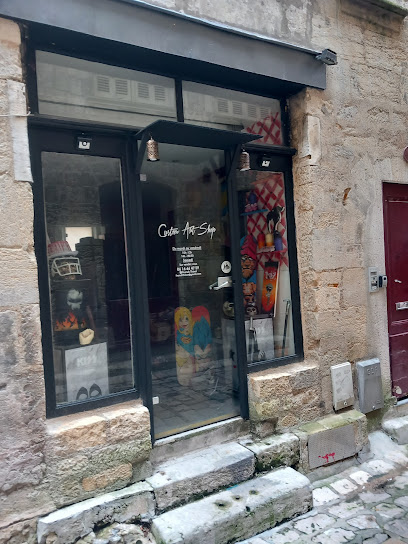
Custom art Shop
7.4 km
Explore the Custom Art Shop in Périgueux for unique gifts and local art, showcasing the region's rich craftsmanship and creativity.
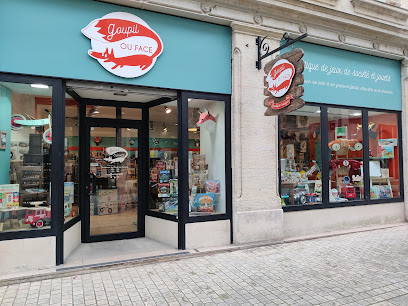
Goupil ou Face
7.4 km
Explore Goupil ou Face in Périgueux, a charming gift shop offering a delightful selection of toys and games for all ages.
MONOPRIX PERIGUEUX
7.5 km
Experience the charm of MONOPRIX Périgueux, a vibrant supermarket with local and international products for all your travel needs.
Mag Presse
7.5 km
Discover unique gifts and local treasures at Mag Presse, a charming shop in the heart of Périgueux, perfect for tourists seeking special souvenirs.
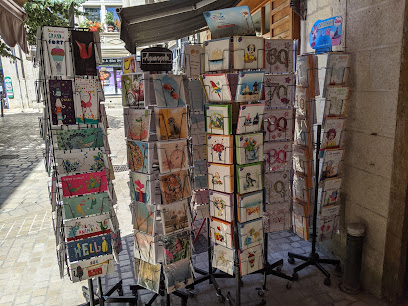
By Armelle - boutique créateur
7.5 km
Explore the artistry of Périgueux at By Armelle, where handcrafted jewelry and bags reflect the beauty of local craftsmanship.
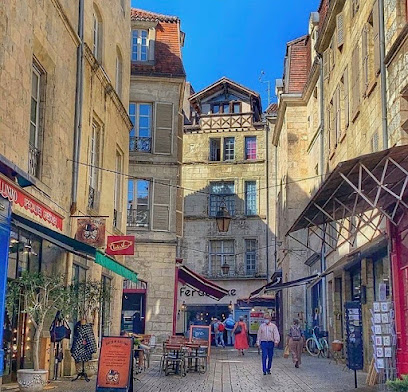
Empreinte
7.5 km
Discover unique gifts and local treasures at Empreinte in Périgueux, a charming gift shop celebrating local artisans and culture.
Essential bars & hidden hideouts

Shelby's Pub
7.3 km
Explore Shelby's Pub in Périgueux: a charming local spot for drinks, music, and a taste of French pub culture.
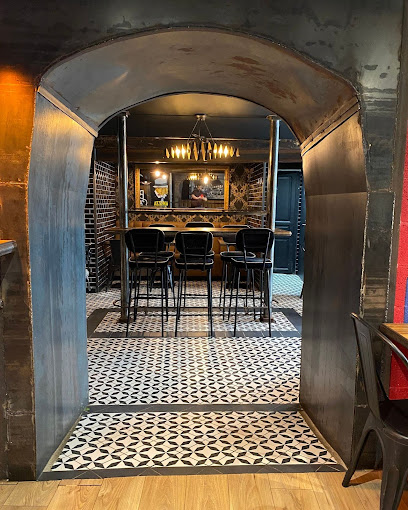
Bar Saint Silain
7.3 km
Discover the vibrant ambiance of Bar Saint Silain in Périgueux, where local flavors meet a charming atmosphere.
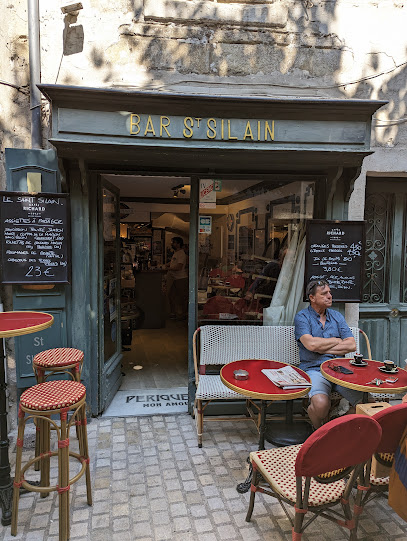
Le Welcome
7.4 km
Discover the cozy charm of Le Welcome, a delightful bar in Périgueux offering a diverse drink selection and a warm atmosphere.
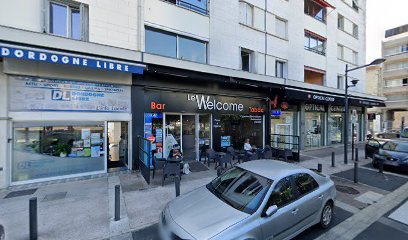
Le Café de la Place Périgueux
7.4 km
Discover Le Café de la Place Périgueux: A charming bar, restaurant, and brewery in the heart of Périgueux offering delightful local flavors and a vibrant atmosphere.
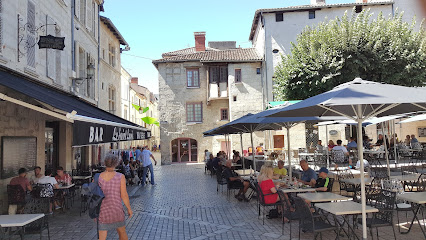
Le QG
7.4 km
Discover the vibrant social scene at Le QG, a popular bar in Périgueux offering a delightful selection of drinks and local charm.
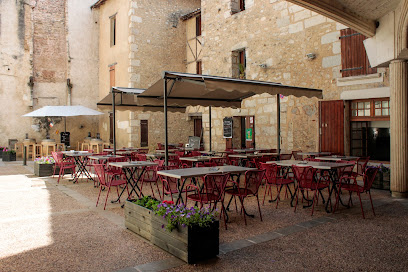
Le Petit caviste by le Tib'
7.4 km
Explore fine wines and delightful pairings at Le Petit Caviste by Le Tib' in the heart of Périgueux, an essential stop for wine lovers.
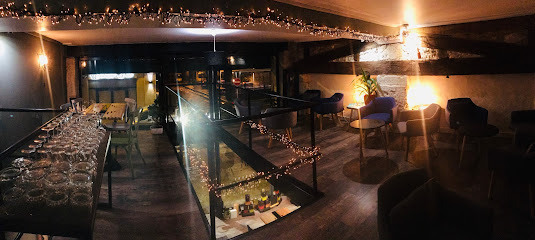
Watson's Pub
7.4 km
Enjoy a delightful mix of brasserie and pub fare at Watson's Pub in Périgueux, where local flavors meet a vibrant atmosphere.
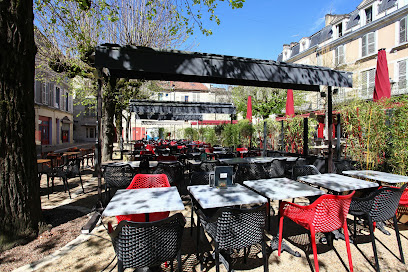
Le 4YM
7.4 km
Discover the vibrant nightlife of Périgueux at Le 4YM, a cozy bar offering an extensive drink menu and a warm atmosphere for relaxation and fun.
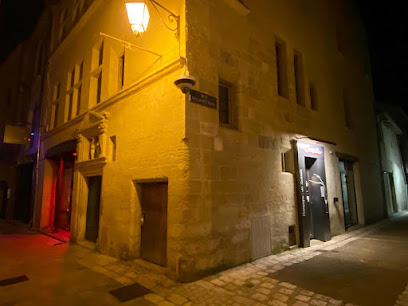
CHEZ MONIQUE
7.4 km
Discover the vibrant atmosphere and exquisite drinks at Chez Monique, the must-visit bar in Périgueux for a taste of local culture.
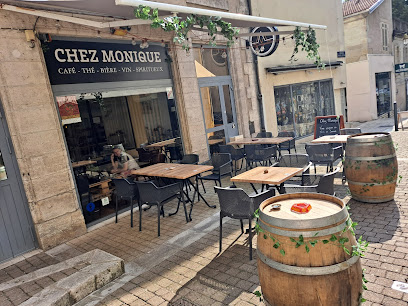
L'Amandine
7.5 km
Discover L'Amandine: A cozy bar in Périgueux offering local drinks and a charming atmosphere perfect for tourists.
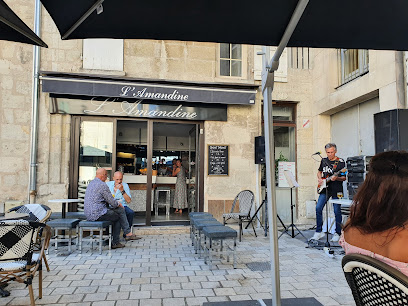
The Silver Owl
7.5 km
Discover The Silver Owl in Périgueux, a cocktail bar and restaurant offering exquisite tapas and creative drinks in a vibrant atmosphere.
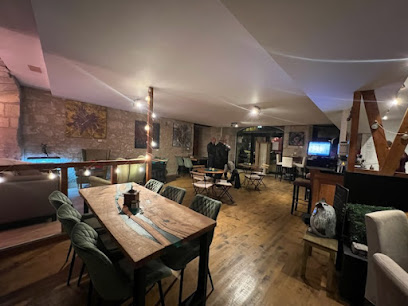
La Clarté du Vin - bar à vin
7.5 km
Discover the best wine and tapas in Périgueux at La Clarté du Vin, your go-to wine bar for an unforgettable tasting experience.
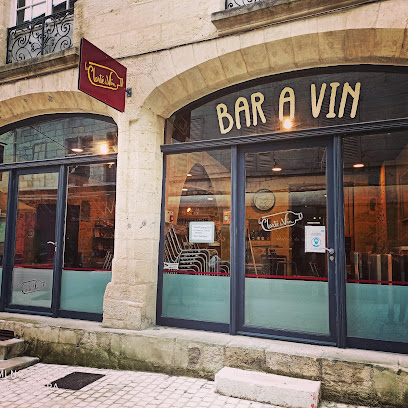
Heilan Coo
7.5 km
Discover Heilan Coo: a vibrant pub in Périgueux, where craft beers and delicious burgers come together in a lively atmosphere for unforgettable nights.
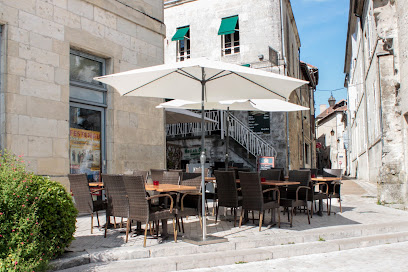
BAM Brasserie Artisanale
8.5 km
BAM Brasserie Artisanale: A delightful brewpub in Périgueux offering artisanal beers and exquisite local cuisine in a charming atmosphere.
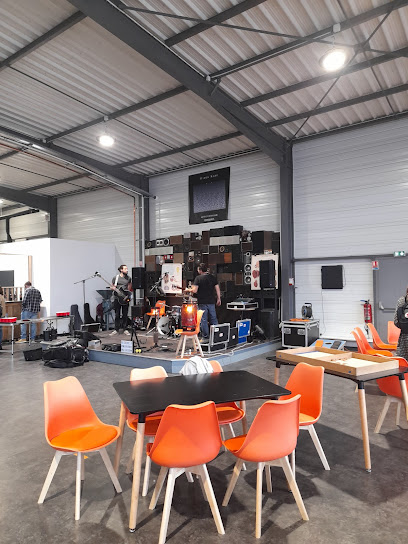
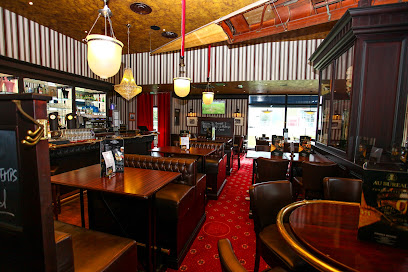
Au Bureau Boulazac
9.2 km
Discover the lively atmosphere and delectable dishes at Au Bureau Boulazac, a perfect blend of bar and restaurant in Boulazac Isle Manoire.
Nightclubs & after hour spots

H-TAG Discothèque - Périgueux
6.8 km
Dive into the electrifying nightlife of Périgueux at H-TAG Discothèque - where the music, dance, and good vibes never stop.

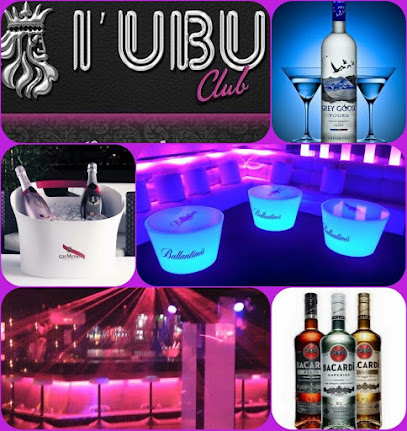
L'Ubu Club - Périgueux
6.9 km
Experience the lively nightlife at L'Ubu Club in Périgueux, where vibrant music and an energetic atmosphere await every party-goer.
La Suite
7.6 km
Discover the electrifying nightlife of La Suite in Périgueux, where unforgettable moments and pulsating beats await every night.
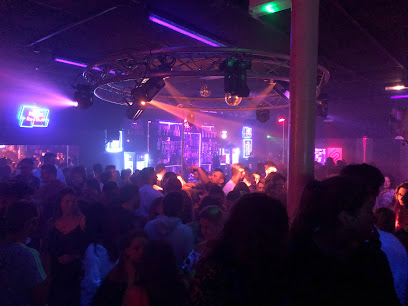
Club Expression
8.0 km
Discover the energetic nightlife of Club Expression in Périgueux, where music, dancing, and vibrant atmosphere create unforgettable experiences.
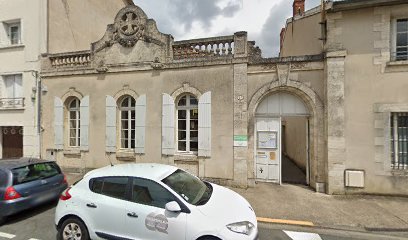
Eden Club - Brantôme en Périgord
20.4 km
Eden Club in Brantôme en Périgord: where vibrant nightlife, electrifying music, and unforgettable dance experiences come together.

Le calin
36.6 km
Experience vibrant nightlife at Le Calin, the premier night club in Saint-Médard-de-Mussidan, where energy meets entertainment.
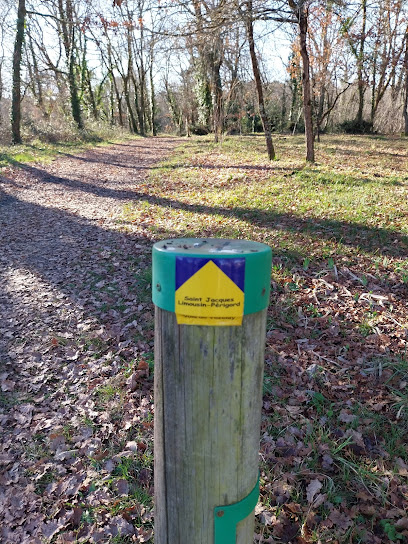
Xaserca
44.4 km
Discover the vibrant nightlife at Xaserca, a lively night club in Le Lardin-Saint-Lazare offering music, dancing, and a fun atmosphere for all.
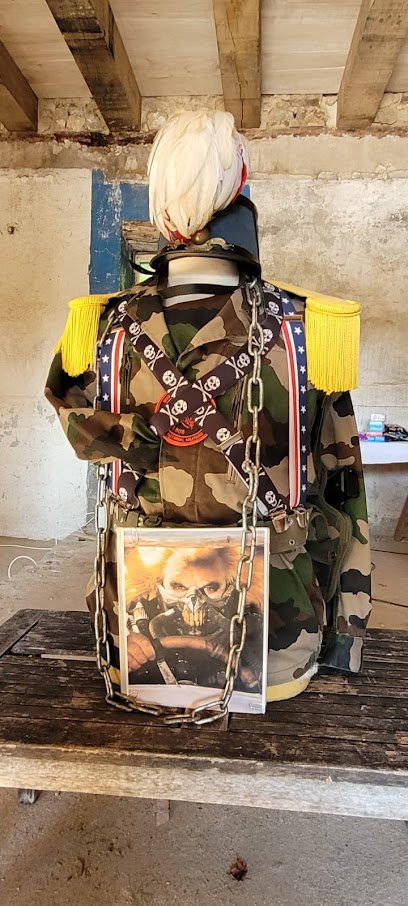
Z'N - Creysse
45.7 km
Discover the electrifying nightlife of Z'N - Creysse, a vibrant disco club where music, dancing, and unforgettable memories await.
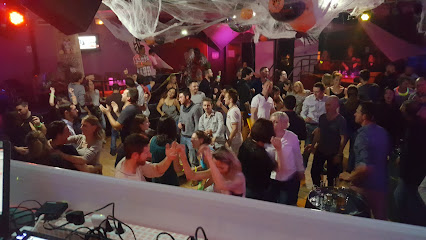
Le Lucky
52.7 km
Unleash your energy at Le Lucky, the vibrant night club in Siorac-en-Périgord, where music meets fun in a delightful atmosphere.
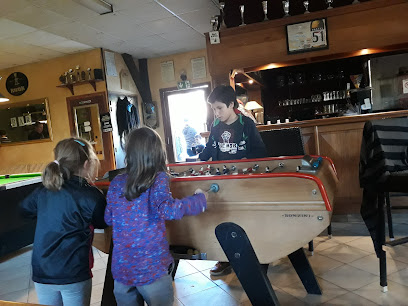
$ CB a!45
57.3 km
Discover the lively nightlife at $ CB a!45, Sarlat-la-Canéda's premier night club for unforgettable experiences and vibrant music.
Le Tropic club
60.0 km
Experience the electrifying nightlife at Le Tropic Club in Angoulême, where vibrant music and dancing create unforgettable memories.
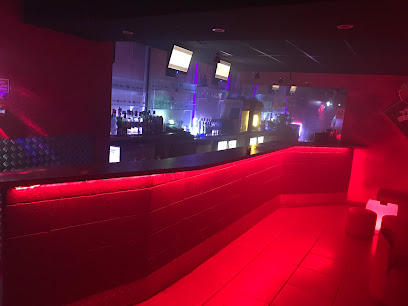
LE CLUB 80
60.0 km
Dive into the energetic nightlife of Angoulême at LE CLUB 80, where music and dance create unforgettable experiences.
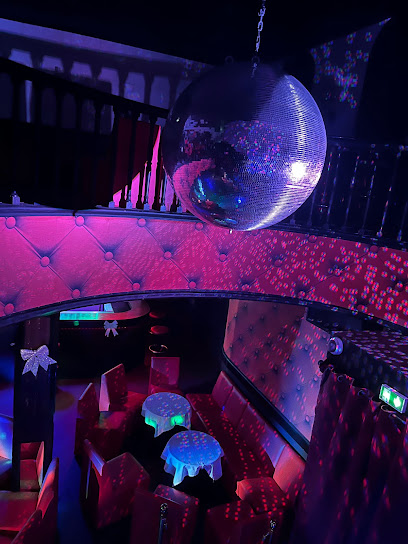
Discothèque le SUN7
61.2 km
Discover the pulsating nightlife of Sarlat-la-Canéda at Discothèque le SUN7, where music and dance create unforgettable memories.
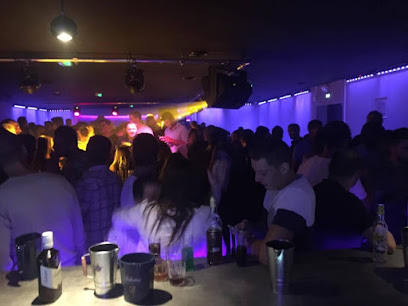
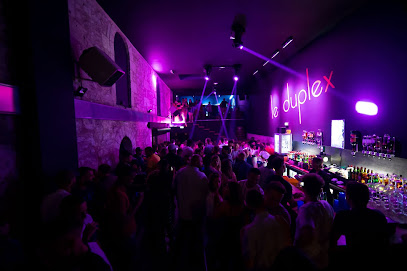
LE DUPLEX
61.2 km
Discover the pulse of Angoulême's nightlife at LE DUPLEX, a premier night club offering an unforgettable night of music and dance.
Majesty Club Limoges
76.6 km
Discover the vibrant nightlife at Majesty Club Limoges, where music, dance, and unforgettable memories await every weekend.