
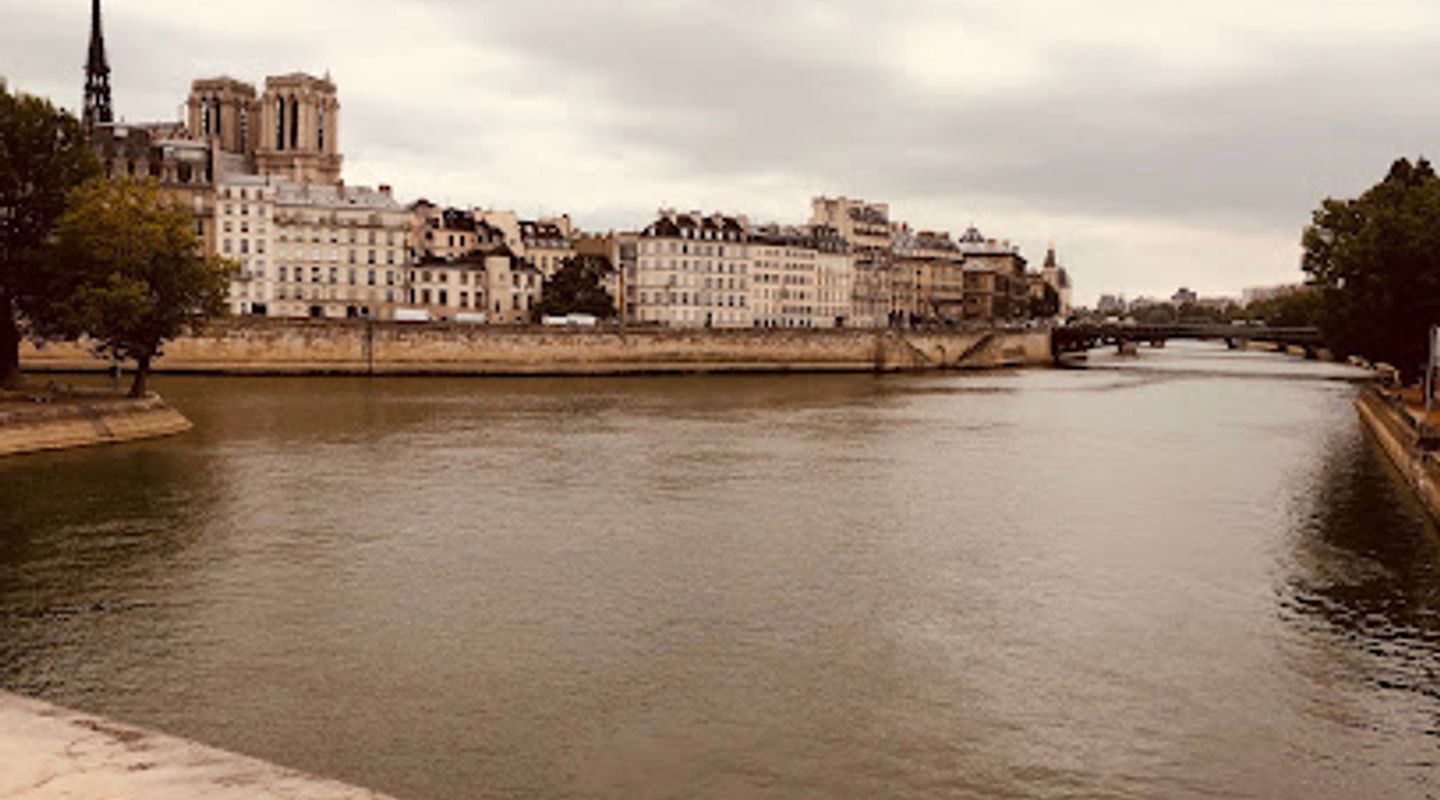
Cathédrale Notre-Dame de Paris, Ile De France Travel Guide
Explore the breathtaking Notre-Dame Cathedral, a masterpiece of Gothic architecture and a symbol of Parisian history and spirituality.
Visit the Notre-Dame Cathedral, a masterpiece of Gothic architecture where history, art, and spirituality converge in the heart of Paris. Marvel at its intricate facades, stunning stained glass, and serene atmosphere as you explore this world-renowned landmark.
A brief summary to Cathédrale Notre-Dame de Paris
- 6 Parvis Notre-Dame - Pl. Jean-Paul II, Paris, 75004, FR
- Click to display
- Click to display

Know before you go
Hi, I'm Eve. Here are a few practical things to know before exploring Cathédrale Notre-Dame de Paris.
- Plan your visit early in the day to avoid crowds and enjoy a quieter experience.
- Don’t miss the chance to walk around the exterior for stunning views of the architectural details.
- Check for any special exhibitions or events that might be happening during your visit.
- Bring a camera; the cathedral is particularly beautiful during golden hour.
- Consider combining your visit with a stroll along the Seine for a complete Parisian experience.
Do you manage this location?
Take control to get all the benefits, like improved information, better appearance, and stronger visibility across AI-powered discovery. Learn more about listing your business on Evendo
Activate your presenceOther nearby places you may find interesting
The closest places of the same kind, if this one is not quite what you had in mind.


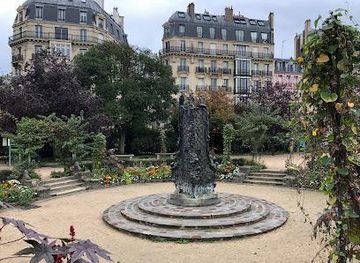
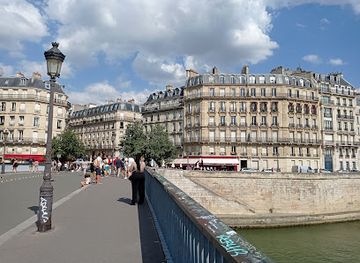

Explore Cathédrale Notre-Dame de Paris on the Map
A handpicked selection of must-see spots near Cathédrale Notre-Dame de Paris, mapped for you.
Unlock the Best of Cathédrale Notre-Dame de Paris
Buy tickets
-
No tickets available
Book tours with entry


Getting There
-
Car
If you are driving, head towards central Paris. Use the A1 or A4 highway to enter Paris. Once in the city, follow signs for the Seine River and then to Île de la Cité. You can park at nearby parking facilities like 'Parking Notre-Dame' or 'Parking de la Cité'. After parking, walk towards 6 Parvis Notre-Dame - Pl. Jean-Paul II, and you will see the majestic Cathédrale Notre-Dame de Paris right in front of you.
-
Metro
To reach Cathédrale Notre-Dame de Paris using the Paris Metro, take Line 4 (the purple line) to the 'Cité' station. When you exit the station, you will find yourself in the heart of Île de la Cité. Simply walk straight for about 5 minutes, and you will arrive at 6 Parvis Notre-Dame - Pl. Jean-Paul II, where the cathedral is located.
-
Bus
If you prefer to travel by bus, take line 21, 24, or 38 to the 'Cité - Notre-Dame' stop. From there, it's just a short walk of about 3 minutes to 6 Parvis Notre-Dame - Pl. Jean-Paul II. Follow the signs towards the cathedral, and you will arrive at this iconic landmark.
-
RER Train
For those coming from outside of Paris, take the RER B or C train to 'Saint-Michel - Notre-Dame' station. Once you arrive, follow the signs to the exit and walk towards the Seine River. Cross the bridge to Île de la Cité, and continue walking for about 5 minutes to reach 6 Parvis Notre-Dame - Pl. Jean-Paul II, where the Cathédrale Notre-Dame de Paris is located.
Discover more about Cathédrale Notre-Dame de Paris
More to explore near Cathédrale Notre-Dame de Paris













Your all‑in‑one travel companion app
Explore expert travel guides, compare and book tours, experiences, hotels, and more—all from the palm of your hand. Download now for seamless trip planning wherever your wanderlust takes you.


Explore More of Ile De France
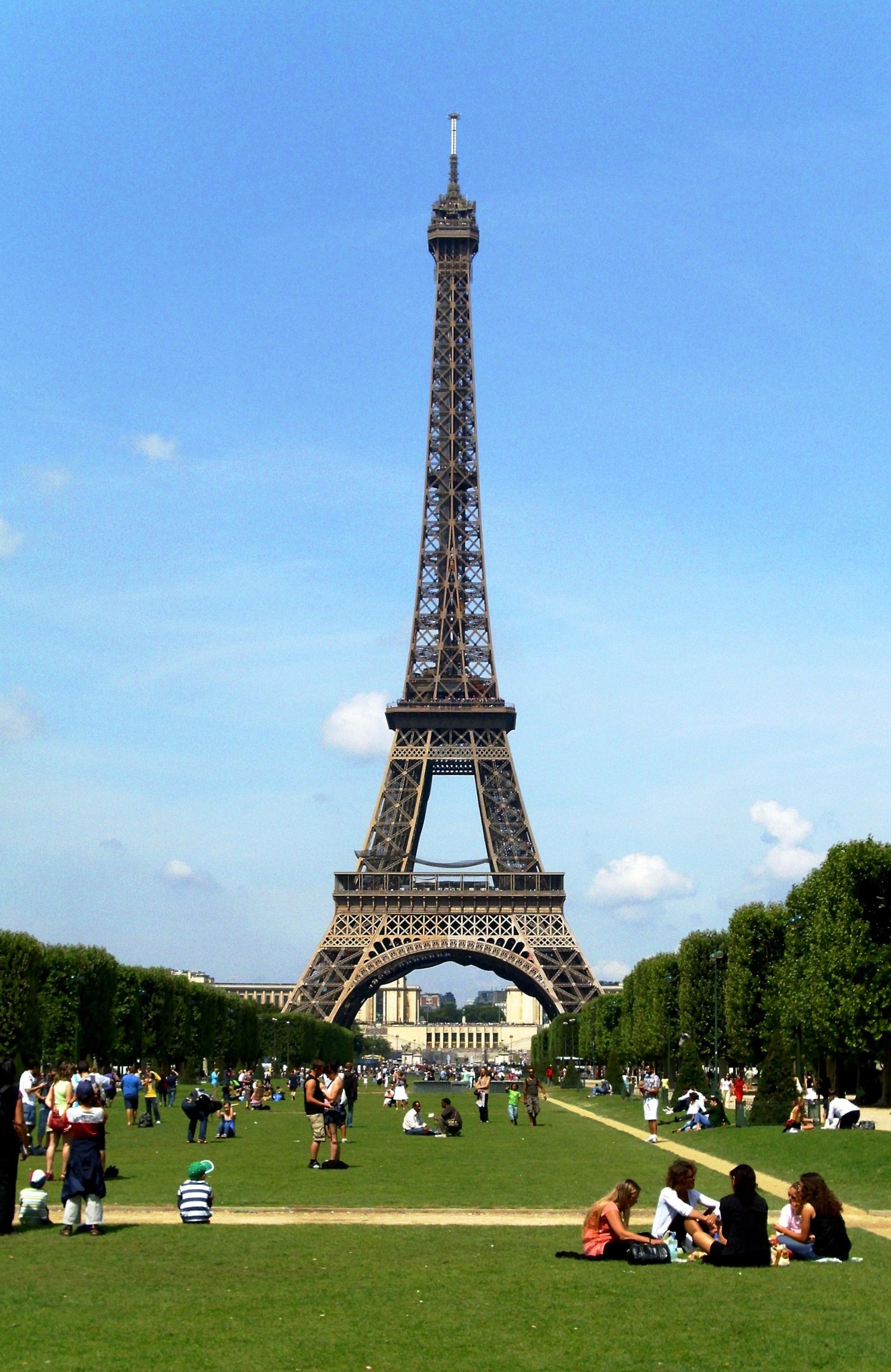
Looking beyond Cathédrale Notre-Dame de Paris? Discover Ile De France for broader travel guides, local hot-spots, and regional highlights.
Explore Ile De France
Experience Parisian history and stunning views from the Pont d'Arcole, a vital link between Île de la Cité and the Right Bank.

Discover the significance of Point Zéro des Routes de France, the starting point of all journeys across France, near the majestic Notre-Dame Cathedral.
