

Crystal Mountains National Park, Gabon Travel Guide
Discover the untouched beauty and biodiversity of Crystal Mountains National Park in Gabon, a paradise for nature lovers and adventure seekers.
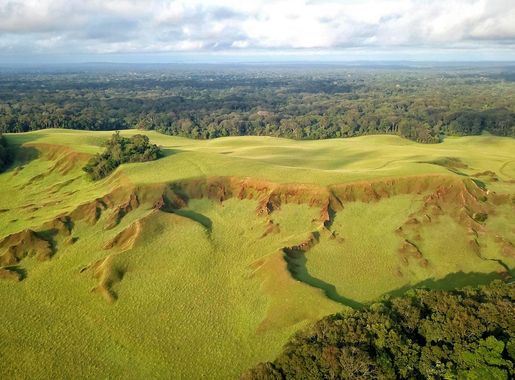
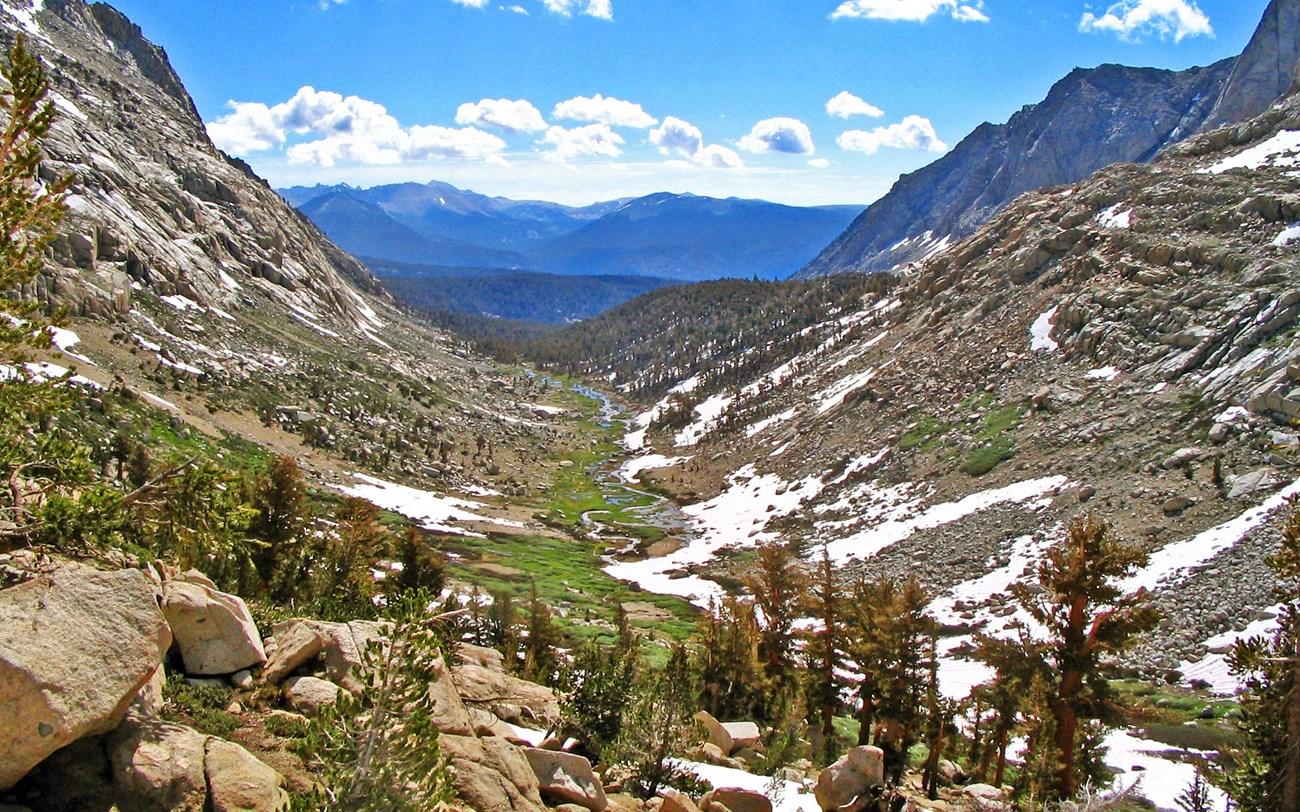
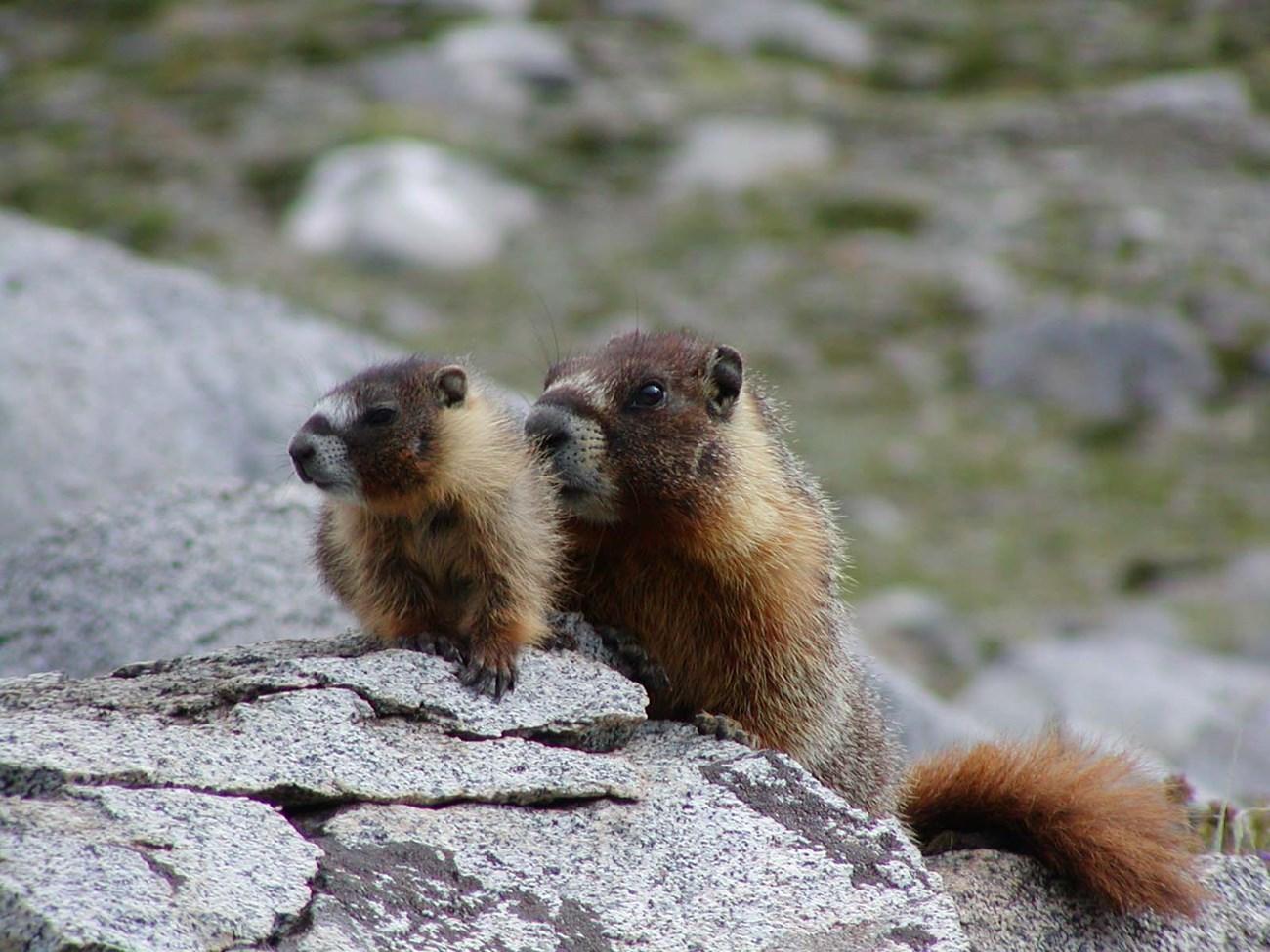
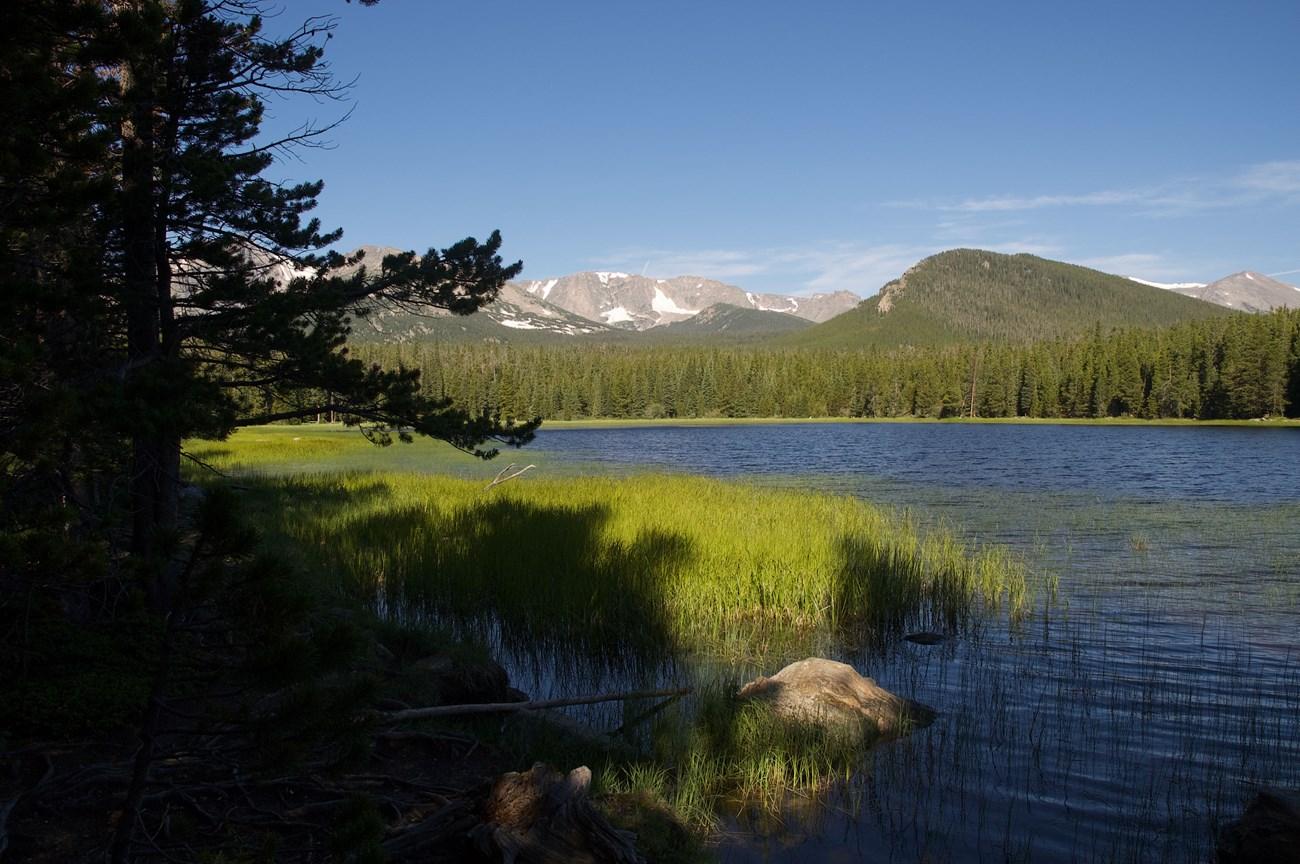
Nestled in the heart of Gabon, Crystal Mountains National Park is a pristine paradise that offers a unique blend of natural beauty and biodiversity. The park is famous for its crystal-clear rivers, dense forests, and mist-covered mountains, making it a haven for nature lovers and adventure seekers alike. Visitors can explore a variety of terrains, from lush valleys to steep cliffs, all teeming with wildlife such as gorillas, elephants, and exotic birds. The park's rich flora and fauna make it a perfect spot for eco-tourism, providing an unspoiled environment for those looking to connect with nature. One of the standout features of Crystal Mountains National Park is its network of hiking trails that cater to all levels of fitness and experience. Whether you're a seasoned trekker or a casual stroller, you'll find paths that lead to breathtaking viewpoints and hidden waterfalls. The park also offers guided tours that delve into the local culture and history, providing a deeper understanding of the area's significance. For those interested in botany, the park is home to a variety of plant species, some of which are endemic to the region. In addition to its natural attractions, Crystal Mountains National Park is a sanctuary for conservation efforts. The park's management works tirelessly to protect its diverse ecosystems and endangered species, making it a model for sustainable tourism. Visitors are encouraged to participate in educational programs and volunteer opportunities to contribute to the park's preservation. With its stunning landscapes and commitment to conservation, Crystal Mountains National Park is not just a destination, but an experience that leaves a lasting impression.

Know before you go
Hi, I'm Eve. Here are a few practical things to know before exploring Crystal Mountains National Park.
- Visit during the dry season (June to September) for the best hiking conditions and wildlife sightings.
- Wear sturdy hiking boots and bring insect repellent to ensure a comfortable trek through the forest.
- Hire a local guide to enhance your experience and learn more about the park's flora, fauna, and cultural significance.
- Carry sufficient water and snacks, as there are limited facilities within the park.
- Respect the park's rules and guidelines to help preserve its natural beauty and support conservation efforts.
Explore Crystal Mountains National Park: Things to Do, Places to Eat, Hotels & More
Handpicked recommendations for top attractions, local dining, accommodations, and more

Best attractions in Crystal Mountains National Park
Top-rated picks
Best Attractions

Crystal Mountains (Africa)
Explore Gabon's Crystal Mountains National Park: A biodiversity hotspot with lush rainforests, diverse wildlife, and stunning scenery.

Crystal Mountain National Park
Discover Gabon's Crystal Mountain National Park: Hike scenic trails, spot unique wildlife, and marvel at sparkling quartz formations in a biodiversity hotspot.

Sharabi Village
Discover Sharabi Village: Immerse yourself in Gabon's culture, explore scenic landscapes, and experience authentic Gabonese hospitality.

Best landmarks in Crystal Mountains National Park
Top-rated picks
Best Landmarks

Crystal Mountain National Park
Discover the untouched beauty of Crystal Mountain National Park, a paradise for nature lovers and adventure seekers in Noya.

Crystal Mountains (Africa)
Explore the stunning Crystal Mountains in Africa, a breathtaking destination for nature lovers and adventure seekers, rich in wildlife and cultural heritage.

Best restaurants in Crystal Mountains National Park
Top-rated picks
Best Restaurants

River Lodge Resort
Discover tranquility at River Lodge Resort in Point Denis - where nature meets luxury amidst breathtaking views.

Crystal Mountain National Park
Explore the breathtaking beauty and diverse wildlife at Crystal Mountain National Park – a true haven for nature lovers.

Crystal Mountains (Africa)
Discover breathtaking views and adventurous trails at Africa's stunning Crystal Mountains – a paradise for nature lovers and thrill-seekers.

Best bars in Crystal Mountains National Park
Top-rated picks
Best Bars

Le Moulin d'Okala
Discover a culinary gem in Libreville at Le Moulin d'Okala, where delightful pastries, pizzas, and ice cream await in a cozy atmosphere.

Marina Social Beach
Experience the vibrant culinary delights of Marina Social Beach in Port-Gentil, where tapas and stunning views create unforgettable moments.

Bodega Mbolo
Discover the vibrant flavors of Bodega Mbolo, a lively bar and restaurant in Libreville, where culinary delights and local culture meet.

L’iroko
Experience the vibrant ambiance and exquisite cuisine at L’iroko, Libreville's top lounge and restaurant for a memorable dining adventure.

Best nightclubs in Crystal Mountains National Park
Top-rated picks
Best Nightclubs

Yoka Sports Bar
Experience the thrill of sports at Yoka Sports Bar in Libreville, where fans unite over great food, drinks, and live action.

Yoka_Lounge
Discover the vibrant nightlife at Yoka Lounge, a chic destination in Libreville known for its extensive drink selection and welcoming atmosphere.

CEYO NIGHTCLUB
Experience the vibrant nightlife at CEYO Nightclub in Libreville, where music, dancing, and unforgettable memories await you.

Insomnia
Discover the vibrant nightlife of Libreville at Insomnia Night Club, where music, dance, and culture collide in an unforgettable experience.

Best shops in Crystal Mountains National Park
Top-rated picks
Best Shops

Village des Artisans
Explore the artistic soul of Libreville at Village des Artisans, where unique handicrafts and local culture come together in a vibrant marketplace.

Cecado Glass
Explore local flavors and fresh produce at Cecado Glass, a vibrant supermarket in Libreville offering a unique taste of Gabonese culture.

LES CHOCOLATS GABONAIS DE JULIE
Explore the sweet side of Gabon at Les Chocolats Gabonais de Julie, where artisanal chocolates and gourmet delights await every visitor.

Les petits pots de l'Ogooué
Discover the authentic taste of Gabon at Les Petits Pots de l'Ogooué, where local delicacies meet artisanal craftsmanship in Libreville.

Explore Crystal Mountains National Park on the Map
A handpicked selection of must-see spots in Crystal Mountains National Park, mapped for you.
Crystal Mountains National Park Essentials
-
Crystal Mountains National Park is located in the northeastern part of Gabon. The nearest major city is Libreville, which is home to Léon-Mba International Airport (LBV). From Libreville, you can take a domestic flight to Mitzic, the closest town to the park. Alternatively, you can drive from Libreville to Mitzic, which takes approximately 5-6 hours. From Mitzic, you can hire a local guide or take a taxi to the park entrance.
-
Within Crystal Mountains National Park, transportation options are limited. Most visitors explore the park on foot or by hiring local guides who can arrange for 4x4 vehicles. It's advisable to have a sturdy vehicle if you plan to drive, as the roads can be rough and challenging. Public transportation is sparse, so renting a car or hiring a guide is the most convenient way to navigate the park.
-
The official currency in Gabon is the Central African CFA Franc (XAF). While major hotels and some restaurants in larger cities may accept credit cards, it's essential to carry cash, especially in rural areas and within the park. ATMs are available in Libreville and Mitzic, but it's wise to withdraw sufficient cash before heading to the park.
-
Crystal Mountains National Park is generally safe for tourists, but it is important to take standard precautions. Avoid walking alone at night and keep your valuables secure. While there are no specific high-crime areas targeting tourists within the park, it's always best to stay vigilant. In larger towns and cities, be cautious of pickpocketing and petty theft.
-
In case of emergency, dial 1730 for police assistance and 1300 for medical emergencies. The nearest medical facilities are located in Mitzic and Libreville, so it's essential to have travel insurance that covers medical emergencies. For minor health issues, carry a basic first aid kit and any necessary medications.
-
Fashion: Do wear lightweight, breathable clothing and sturdy walking shoes. Avoid wearing bright colors that may disturb wildlife. Religion: Do respect local customs and traditions, especially when visiting nearby villages. Public Transport: Do be polite and patient when using local transportation. Don't expect punctuality. Greetings: Do greet people with a handshake or a nod. Eating & Drinking: Do try local dishes and be respectful of local dining customs. Don't refuse food or drink offerings, as it is considered impolite.
-
To experience Crystal Mountains National Park like a local, spend time with local guides who can share their knowledge of the area's flora and fauna. Visit local villages to learn about the culture and traditions of the people living near the park. Participate in eco-tourism activities such as bird watching and guided hikes to fully appreciate the park's natural beauty. Don't miss the opportunity to try local cuisine and engage with the friendly residents who are often eager to share their stories and experiences.
When is the best time to visit Crystal Mountains National Park?
Useful Local Phrases for Crystal Mountains National Park
You don't need to speak the language perfectly. Even learning a few simple words can make conversations warmer—and locals usually appreciate the effort.
— Eve

Here are the phrases I use most often in Crystal Mountains National Park. Try a few—you'll be surprised how far they go! 😊
❤️
-
- HelloMbolo
[mboh-loh] - GoodbyeOngoni
[ohn-goh-nee] - YesWe
[weh] - NoTe
[teh] - Please/You're welcomeNyumbu
[nyoom-boo] - Thank youMvondo
[m-von-doh] - Excuse me/SorryMema
[meh-mah] - How are you?Ongu nza?
[ohn-goo n-zah] - Fine. And you?Nza mbele. Ngu?
[nzah mbeh-leh. ngoo?] - Do you speak English?Ongu nloko na mvet?
[ohn-goo n-loh-koh nah m-veh-t] - I don't understandAha, ndombe ngone
[ah-hah, ndohm-beh n-goh-neh]
- HelloMbolo
-
- I'd like to see the menu, pleaseNdomeka kio kwa, nyumbu
[n-doh-meh-kah kee-oh kwah, nyoom-boo] - I don't eat meatAha, ndomeka kio mbiye
[ah-hah, n-doh-meh-kah kee-oh m-bee-yeh] - Cheers!Ewele!
[eh-weh-leh] - I would like to pay, pleaseNdomeka ko lipa, nyumbu
[n-doh-meh-kah koh lee-pah, nyoom-boo]
- I'd like to see the menu, pleaseNdomeka kio kwa, nyumbu
-
- Help!Eyi!
[eh-yee] - Go away!Longa!
[lohn-gah] - Call the Police!Ndomeka kio liwa polisi!
[n-doh-meh-kah kee-oh lee-wah poh-lee-see] - Call a doctor!Ndomeka kio liwa dokoteli!
[n-doh-meh-kah kee-oh lee-wah doh-koh-teh-lee] - I'm lostNdomeka kio mbele
[n-doh-meh-kah kee-oh mbeh-leh] - I'm illNdomeka kio matsinga
[n-doh-meh-kah kee-oh maht-seen-gah]
- Help!Eyi!
-
- I'd like to buy...Ndomeka longa...
[n-doh-meh-kah lohn-gah] - I'm just lookingNdomeka kio nloko
[n-doh-meh-kah kee-oh n-loh-koh] - How much is it?Ki ngayi?
[kee ngah-yee] - That's too expensiveAha, ki nloko na mayi
[ah-hah, kee n-loh-koh nah mah-yee] - Can you lower the price?Ongu mbele na londi ki?
[ohn-goo mbeh-leh nah lohn-dee kee]
- I'd like to buy...Ndomeka longa...
-
- What time is it?Kio nza?
[kee-oh nzah] - It's one o'clockNza ya kimo
[nzah yah kee-moh] - Half past (10)Kio nza ya ke ndu
[kee-oh nzah yah keh ndoo] - MorningMandila
[mahn-dee-lah] - AfternoonMalamu
[mah-lah-moo] - EveningMongombe
[mohn-gohm-beh] - YesterdayNkanda
[n-kahn-dah] - TodayNza
[nzah] - TomorrowKimo
[kee-moh] - 1Mokè
[moh-keh] - 2Mibè
[mee-beh] - 3Mitatu
[mee-tah-too] - 4Mine
[mee-neh] - 5Miyi
[mee-yee] - 6Misanji
[mee-sahn-jee] - 7Mitete
[mee-teh-teh] - 8Miboka
[mee-boh-kah] - 9Mikenda
[mee-ken-dah] - 10Mikumi
[mee-koo-mee]
- What time is it?Kio nza?
-
- Where's a/the...?Kio nloko ya...?
[kee-oh n-loh-koh yah] - What's the address?Kio nloko ya adrese?
[kee-oh n-loh-koh yah ah-dreh-seh] - Can you show me (on the map)?Ongu mbele nloko (na kati)?
[ohn-goo mbeh-leh n-loh-koh nah kah-tee] - When's the next (bus)?Kio nza ya busi ke ndu?
[kee-oh nzah yah boo-see keh ndoo] - A ticket (to ....)Kio ya tikiti (ka ....)
[kee-oh yah tee-kee-tee kah]
- Where's a/the...?Kio nloko ya...?
History of Crystal Mountains National Park
-
The Crystal Mountains, also known as Monts de Cristal, are part of the ancient geological formations that span across Central Africa. These mountains are primarily composed of Precambrian rock formations, which are estimated to be over 2 billion years old. The unique geology has contributed to the rich biodiversity and the spectacular landscapes that define the park today.
-
Long before the arrival of European explorers, the Crystal Mountains were home to several indigenous groups, including the Fang and Bakota peoples. These communities lived in harmony with the natural environment, relying on the forests for food, shelter, and medicine. Their deep understanding of the land has been passed down through generations and remains integral to the local culture.
-
The first documented European exploration of the Crystal Mountains occurred in the late 19th century during the Scramble for Africa. French explorers and colonialists mapped the region and began exploiting its natural resources. Gabon became a French colony in 1885, and the Crystal Mountains area was subjected to colonial administration, significantly altering the traditional way of life for indigenous peoples.
-
Crystal Mountains National Park was established in 2002 as part of Gabon's ambitious initiative to preserve its natural heritage. The park covers approximately 1,200 square kilometers and is one of 13 national parks created under the leadership of President Omar Bongo Ondimba. The establishment aimed to protect the region's unique biodiversity, including rare and endemic species, while promoting sustainable tourism and scientific research.
-
The Crystal Mountains are renowned for their rich biodiversity, which includes a variety of ecosystems ranging from tropical rainforests to montane forests. The park is home to numerous species of plants, birds, mammals, and reptiles, some of which are not found anywhere else in the world. Notable species include the African forest elephant, western lowland gorilla, and several endemic bird species. The park's ecological significance has made it a focal point for conservation efforts.
-
The Crystal Mountains continue to hold significant cultural and spiritual importance for the local communities. Traditional practices and festivals celebrate the connection between the people and the natural environment. Modern initiatives within the park aim to integrate local knowledge with conservation efforts, ensuring that the cultural heritage is preserved alongside natural resources. The park has become a symbol of national pride and a testament to Gabon's commitment to environmental stewardship.
Neighbouring destination travel guides
Browse our curated selection of top destinations, scenic points, and must-visit spots in the area.




Your all‑in‑one travel companion app
Explore expert travel guides, compare and book tours, experiences, hotels, and more—all from the palm of your hand. Download now for seamless trip planning wherever your wanderlust takes you.


Explore More of Crystal Mountains Region

Looking beyond Crystal Mountains National Park? Discover Crystal Mountains Region for broader travel guides, local hot-spots, and regional highlights.
Explore Crystal Mountains RegionExplore More of Gabon
Looking beyond Crystal Mountains National Park? Discover Gabon for broader travel guides, local hot-spots, and regional highlights.
Explore GabonCrystal Mountains National Park in Photos
Browse through our photo collection highlighting the charm and character of the destination.




Crystal Mountains National Park: Gabon's Hidden Gem
Nestled in the heart of Gabon, Crystal Mountains National Park is a pristine paradise that offers a unique blend of natural beauty and biodiversity. The park is famous for its crystal-clear rivers, dense forests, and mist-covered mountains, making it a haven for nature lovers and adventure seekers alike. Visitors can explore a variety of terrains, from lush valleys to steep cliffs, all teeming with wildlife such as gorillas, elephants, and exotic birds. The park's rich flora and fauna make it a perfect spot for eco-tourism, providing an unspoiled environment for those looking to connect with nature. One of the standout features of Crystal Mountains National Park is its network of hiking trails that cater to all levels of fitness and experience. Whether you're a seasoned trekker or a casual stroller, you'll find paths that lead to breathtaking viewpoints and hidden waterfalls. The park also offers guided tours that delve into the local culture and history, providing a deeper understanding of the area's significance. For those interested in botany, the park is home to a variety of plant species, some of which are endemic to the region. In addition to its natural attractions, Crystal Mountains National Park is a sanctuary for conservation efforts. The park's management works tirelessly to protect its diverse ecosystems and endangered species, making it a model for sustainable tourism. Visitors are encouraged to participate in educational programs and volunteer opportunities to contribute to the park's preservation. With its stunning landscapes and commitment to conservation, Crystal Mountains National Park is not just a destination, but an experience that leaves a lasting impression.