

Lobe Waterfalls Travel Guide - Free Web & App
Your ultimate guide to Lobe Waterfalls. Discover top landmarks, proposed trips, and local tips. Free on the web or via the Evendo companion app.


Lobe Waterfalls in Cameroon cascade into the Atlantic near Kribi, offering river scenery, rainforest, boat trips and insight into coastal heritage.
River, Rainforest and Ocean
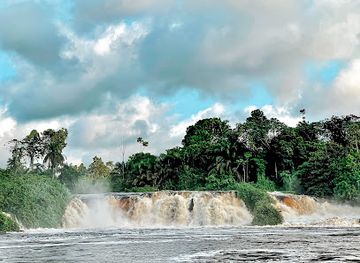
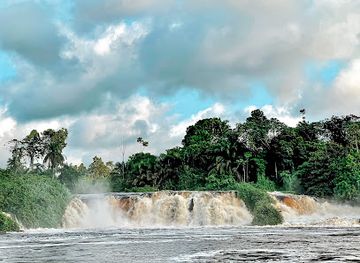
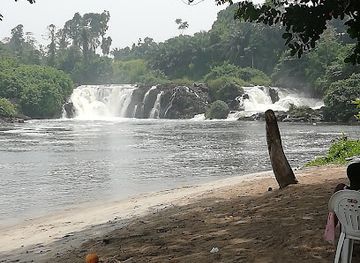
Lobe Waterfalls is one of Cameroon’s most distinctive natural attractions: the Lobe River descends over a series of low falls and rapids before reaching the Atlantic Ocean near the coastal town of Kribi. The site lies south of Kribi, close to Grand Batanga, in a humid landscape of broad river channels, tropical vegetation and sandy coastal scenery. Rather than a single vertical cascade, Lobe is a meeting of freshwater and ocean, with the river spreading across rocky ledges before flowing towards the shore.Read more about Lobe Waterfalls
A Coastal Landscape with Local Character
Visiting the Falls
When is the best time to visit Lobe Waterfalls?
Best: January–March · 30–31°C| Month | High (°C) | Rainfall (mm) |
|---|---|---|
| January (best) | 30 | 100 |
| February (best) | 30 | 110 |
| March (best) | 31 | 120 |
| April | 30 | 130 |
| May | 30 | 140 |
| June | 29 | 150 |
| July | 29 | 160 |
| August | 29 | 170 |
| September | 29 | 180 |
| October | 30 | 190 |
| November | 30 | 200 |
| December | 30 | 210 |
Getting to and around Lobe Waterfalls
How to get there
Transportation
Best attractions in Lobe Waterfalls
The central attraction is the Lobe River itself, where a succession of rocky cascades and rapids flows towards the Atlantic Ocean near Kribi. Visitors can observe the falls from the riverbank or, when locally arranged and conditions permit, approach by boat for a different perspective on the channels and low ledges. The surrounding landscape combines humid coastal forest, broad river scenery and the open shoreline around Grand Batanga. Lobe is often visited as part of a wider Kribi excursion that includes the town’s beaches and nearby coastal settlements, although these lie outside the waterfall site itself. The river mouth offers a particularly distinctive setting, with freshwater, forest and ocean assembled within one compact coastal landscape. Guided visits can add context about local ecology, fishing and the cultural importance of the region, while the area around the falls remains relatively lightly developed compared with Kribi.
-
Chutes de la Lobé
Explore Chutes de la Lobé, an enchanting waterfall in Cameroon where the Lobé River meets the Atlantic Ocean amidst breathtaking natural beauty.
-
Kribi beach
Experience the beauty of Kribi Beach, a coastal gem in Cameroon known for its stunning sunsets, vibrant culture, and thrilling water activities.
-
 Hotel
HotelHotel Lobe
Experience the beauty of Kribi at Hotel Lobe, a serene retreat near the majestic Lobe Falls, blending comfort and nature for an unforgettable stay.


Best landmarks in Lobe Waterfalls
Lobe Waterfalls is itself the defining landmark: a series of river cascades descending over rocky ledges before the Lobe River reaches the Atlantic. Its significance lies in this unusual physical relationship between inland freshwater and open ocean, rather than in monumental architecture or a single high plunge. The riverbanks, forested surroundings and nearby Grand Batanga coastline form a connected natural landscape that gives the site its character. Kribi’s beaches, although outside the waterfall area, are important nearby coastal reference points for visitors using the town as a base. The wider region also carries cultural significance through its long association with forest communities, including Bagyeli people, whose knowledge of the coastal rainforest is part of the area’s human heritage. Visitors should treat the river, shoreline and community spaces as living environments rather than simply scenic backdrops.
-
Hotel
Hôtel Ilomba
Experience Kribi's coastal charm at Hôtel Ilomba: beachfront bliss, exquisite dining, and easy access to local wonders.
-
Restaurant
Le Plaisir du Gout
Experience the flavors of Cameroon at Le Plaisir du Gout in Kribi, where fresh seafood, delicious pizzas, and a stunning seaside setting await!
-
Waterfall
Chutes de la LOBE
Experience the unique Chutes de la Lobé in Cameroon, where a stunning waterfall meets the Atlantic Ocean, offering natural beauty and cultural richness.
-
River
Lobe River
Experience the natural wonder of Cameroon's Lobe River, where majestic waterfalls meet the Atlantic Ocean in a stunning coastal landscape.
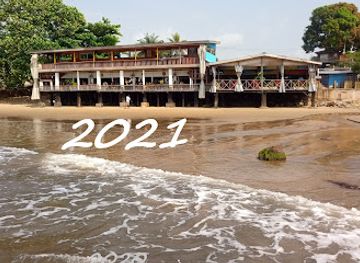

Explore Lobe Waterfalls on the map
Plan your trip on one map. See where the top attractions, landmarks, restaurants and hotels are, and book hotels and experiences in a few clicks.
Best hotels in Lobe Waterfalls
Best restaurants in Lobe Waterfalls
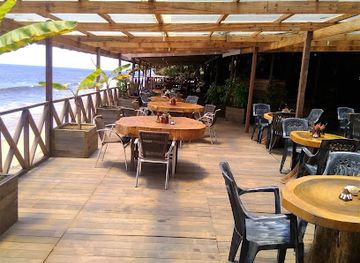
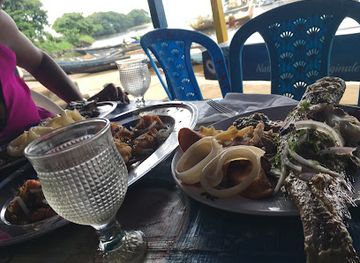
Lobe Waterfalls has limited dining infrastructure, so visitors normally eat in Kribi or arrange refreshments before travelling south. Kribi’s food culture reflects its position on Cameroon’s Atlantic coast, with fish and seafood commonly available alongside plantains, cassava, rice, seasonal vegetables and richly seasoned sauces. Small restaurants, hotel dining rooms and informal local eateries provide the main choice, while beachside and roadside venues may offer grilled fish or other simple meals depending on the day. Around the falls, food stalls and locally arranged meals should not be assumed, and visitors should clarify arrangements with a guide or driver before departure. Bottled water and snacks are practical additions to a day excursion, particularly when combining Lobe with beaches or villages beyond the town. Local dining is generally informal, and menus, payment options and opening patterns can vary.
-
Restaurant
Le Plaisir du Gout
Experience delectable pizzas and authentic Cameroonian cuisine at Le Plaisir du Gout in beautiful Kribi.
-
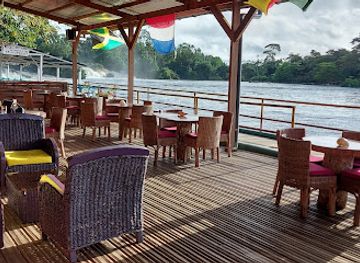
Restaurant
Le Debarcadère
Discover authentic Cameroonian cuisine at Le Debarcadère in Kribi – where ocean views meet delicious flavors.
-
Restaurant
Pieds dans l'Eau
Experience exquisite local flavors and breathtaking ocean views at Pieds dans l'Eau in Kribi, Cameroon - a must-visit dining destination.
-
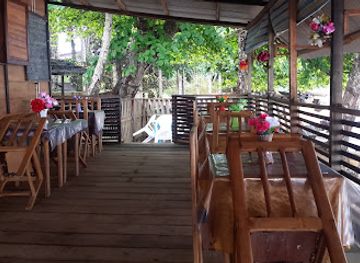
Restaurant
Roots
Discover Roots Restaurant: A Culinary Oasis Near Chutes de la Lobé in Kribi Offering Exquisite Local Flavors and Scenic Views.
Best bars in Lobe Waterfalls
Lobe Waterfalls itself has no established nightlife scene; after a visit, most travellers return to Kribi for the evening. Kribi offers a quieter coastal atmosphere built around hotel bars, informal drinking spots and restaurants rather than a concentrated nightclub district. Evenings may involve local beer, soft drinks, music and conversation, with activity varying according to season, day of the week and the individual venue. Some accommodation providers can advise on current options, but visitors should not expect the scale or late-night variety of Cameroon’s larger cities. In villages and rural areas near the falls, evening entertainment is primarily community-based and should not be observed or photographed without invitation. Transport back to Kribi should be arranged in daylight where possible, as rural roads and facilities are limited after dark.
-
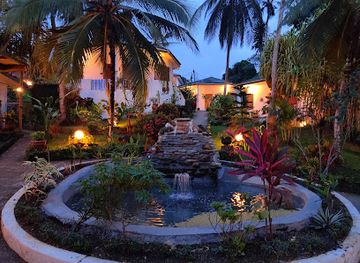
Bar
Hôtel Ilomba
Experience the perfect blend of relaxation and culinary delights at Hôtel Ilomba, your tropical retreat in Kribi.
-
Restaurant
Le Plaisir du Gout
Experience the best of Kribi's culinary scene at Le Plaisir du Gout, where traditional flavors meet pizza perfection in a vibrant atmosphere.
-
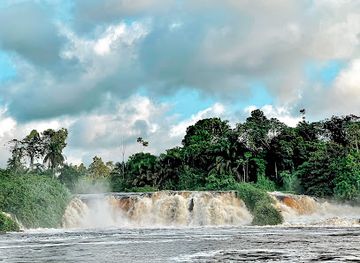
Tourist attraction
Chutes de la LOBE
Explore the breathtaking beauty of Chutes de la LOBE, where the Lobé River meets the Atlantic Ocean in a stunning natural spectacle.
-
Restaurant
Le Debarcadère
Savor the flavors of Cameroon at Le Debarcadère, a delightful restaurant in Kribi featuring fresh seafood and local cuisine in a vibrant setting.

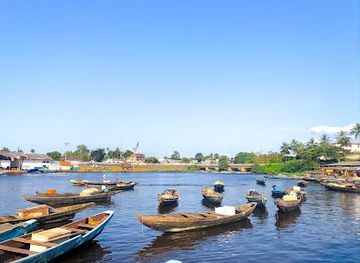
Best shops in Lobe Waterfalls
Shopping at Lobe Waterfalls is limited, with no substantial retail district or permanent market associated with the site. Visitors normally buy necessities, snacks and locally made products in Kribi before or after their excursion. In and around the town, small shops, market stalls and informal vendors may offer fresh produce, food items, drinks, simple clothing and craft goods, while locally produced carvings, woven articles or other handmade objects may appear through community or tourism networks. Availability and provenance vary, so buyers should ask questions and avoid purchasing objects made from protected wildlife, rare timber or other environmentally sensitive materials. Kribi is also the more practical place for travel supplies and outdoor essentials. Purchases from legitimate local producers and artisans can support the regional economy when made respectfully and without pressuring individuals to sell culturally significant items.
-
Hotel
Hôtel Ilomba
Discover the blend of comfort and adventure at Hôtel Ilomba, your serene escape in the heart of Kribi's coastal paradise.
-
Restaurant
Le Plaisir du Gout
Experience the delightful fusion of traditional Cameroonian flavors and exquisite pizzas at Le Plaisir du Gout in Kribi.
-
Tourist attraction
Chutes de la LOBE
Experience the breathtaking beauty of Chutes de la LOBE, where the LOBE River meets the Atlantic Ocean in a stunning display of nature's power.
-
River
Lobe River
Experience the enchanting beauty and tranquility of the Lobe River in Cameroon, a hidden gem for nature lovers and adventure seekers.
Get your free copy of our complete guide to Lobe Waterfalls, delivered straight to you.
Everything on this page, from attractions and restaurants to essentials and local phrases, in one PDF you can read offline, print or share.
Already have an account? Sign in
Your Lobe Waterfalls guide is ready.
We'll send it to · Not you? Sign out

Getting your guide ready…
We are putting together a fresh copy of the Lobe Waterfalls guide. This can take up to a minute.
This can take a few moments. If your browser asks, choose Allow so the download can start. You'll find the guide in your Downloads folder.
Nothing happened? Download it again
Sorry, the guide is taking longer than usual. Please try again in a minute, or get it by email instead.
Lobe Waterfalls essentials
Currency and Payment
Safety
Emergency Situations
Do's and Don'ts
Local Tips
From Eve
Local phrases worth knowing
You don't need to get them perfect. A few words go a long way, and locals appreciate the effort.
Basics
| English | Local | Say it |
|---|---|---|
| Hello | Mbolo | [m-boh-loh] |
| Goodbye | Adieu | [ah-dyuh] |
| Yes | Eh | [eh] |
| No | Tchou | [ch-oo] |
| Please/You're welcome | S'il vous plaît | [seel voo pleh] |
| Thank you | Merci | [mehr-see] |
| Excuse me/Sorry | Pardon | [pahr-dohn] |
| How are you? | Comment ça va? | [koh-mohn sah vah] |
| Fine. And you? | Bien. Et toi? | [byen. ay twah] |
| Do you speak English? | Parlez-vous anglais? | [pahr-leh voo ahng-glay] |
| I don't understand | Je ne comprends pas | [zhuh nuh kohm-prahnd pah] |
Eating & Drinking
| English | Local | Say it |
|---|---|---|
| I'd like to see the menu, please | Je voudrais voir le menu, s'il vous plaît | [zhuh voo-dray vwar luh meh-noo, seel voo pleh] |
| I don't eat meat | Je ne mange pas de viande | [zhuh nuh mahnj pah duh vyand] |
| Cheers! | Santé! | [sahn-tay] |
| I would like to pay, please | Je voudrais payer, s'il vous plaît | [zhuh voo-dray pay-yay, seel voo pleh] |
Emergencies
| English | Local | Say it |
|---|---|---|
| Help! | Au secours! | [oh suh-koor] |
| Go away! | Allez-vous en! | [ah-lay vooz ahn] |
| Call the Police! | Appelez la police! | [ah-peh-lay lah poh-leece] |
| Call a doctor! | Appelez un médecin! | [ah-peh-lay uh may-duh-sahn] |
| I'm lost | Je suis perdu | [zhuh swee pair-doo] |
| I'm ill | Je suis malade | [zhuh swee mah-lahd] |
Shopping
| English | Local | Say it |
|---|---|---|
| I'd like to buy... | Je voudrais acheter... | [zhuh voo-dray zah-shay] |
| I'm just looking | Je regarde juste | [zhuh ruh-gahrd zhoo-st] |
| How much is it? | Combien ça coûte? | [kohm-byen sah koot] |
| That's too expensive | C'est trop cher | [say troh shay] |
| Can you lower the price? | Pouvez-vous baisser le prix? | [poo-veh voo beh-say luh pree] |
Time & Numbers
| English | Local | Say it |
|---|---|---|
| What time is it? | Quelle heure est-il? | [kell er ay-teel] |
| It's one o'clock | Il est une heure | [eel ay oon er] |
| Half past (10) | Dix heures et demi | [dee-ss air eht meh-lee] |
| Morning | Matin | [mah-tahn] |
| Afternoon | Après-midi | [ah-pray mee-dee] |
| Evening | Soir | [swah] |
| Yesterday | Hier | [yehr] |
| Today | Aujourd'hui | [oh-zhoor-dwee] |
| Tomorrow | Demain | [duh-mahn] |
| 1 | Un | [uhn] |
| 2 | Deux | [duh] |
| 3 | Trois | [twah] |
| 4 | Quatre | [kah-truh] |
| 5 | Cinq | [sank] |
| 6 | Six | [sees] |
| 7 | Sept | [sept] |
| 8 | Huit | [weet] |
| 9 | Neuf | [nurf] |
| 10 | Dix | [deece] |
Transport & Directions
| English | Local | Say it |
|---|---|---|
| Where's a/the...? | Où se trouve le/la...? | [oo suh troov luh/lah] |
| What's the address? | Quelle est l'adresse? | [kell ay lah-dress] |
| Can you show me (on the map)? | Pouvez-vous me montrer (sur la carte)? | [poo-veh voo muh mohn-tray (soor lah kart)] |
| When's the next (bus)? | Quand est le prochain (bus)? | [kahn ay luh proh-shahn (boos)] |
| A ticket (to ....) | Un billet (pour ....) | [uhn bee-yay (poor)] |
History of Lobe Waterfalls
A River Shaped by Coastal Geology
Lobe Waterfalls belongs to the coastal landscape of southern Cameroon, where rivers descend from the forested interior towards the Gulf of Guinea. The falls are created by the Lobe River passing over resistant rocky ledges before continuing towards the Atlantic. This geological setting is best understood on a natural timescale rather than as a human historical event: erosion, seasonal flow and the river’s route have gradually shaped the channels, rapids and cascades visible today.
Forest Communities and River Knowledge
The territory around Kribi has long been used and inhabited by forest and coastal communities, including Bagyeli Indigenous communities whose traditional knowledge is closely connected with the rainforest environment. Rivers such as the Lobe have served as practical routes through a difficult landscape and as sources of food, materials and local environmental knowledge. The cultural history of the falls is therefore inseparable from the wider relationship between people, forest and water in southern Cameroon, even though the site itself has not developed as a large historic settlement.
Kribi and the Growth of Coastal Travel
The development of Kribi as a coastal town and port increased the visibility of nearby natural features, including Lobe Waterfalls. Roads linking Kribi with other parts of Cameroon made excursions to the falls more practical, while the town’s beaches and coastal setting encouraged a modest tourism economy. Lobe became known less as an industrial or urban site than as a natural attraction experienced alongside Kribi’s shoreline, villages and forest landscapes.
Tourism and Environmental Responsibility
Modern visits to Lobe Waterfalls centre on scenery, river excursions and the close relationship between the cascade and the Atlantic shore. Small-scale tourism has brought guides, boat services and local commercial opportunities, but visitor infrastructure remains limited at the falls themselves. Responsible tourism is particularly important in this setting: visitors should respect river conditions, avoid littering, seek permission for photography and ensure that cultural encounters with local communities are arranged in a respectful and mutually beneficial way.
Lobe Waterfalls in Photos
Browse through our photo collection highlighting the charm and character of the destination.
Cities in Lobe Waterfalls
The towns and cities of Lobe Waterfalls, and the easiest places to base yourself.

Swipe for more cities
Neighbouring destination travel guides
The closest destinations to Lobe Waterfalls, if you have time for more than one.
-

-

-

-

-


Swipe for more destinations
Explore more

Explore more of Coastal Region
Explore Cameroon’s Littoral Region through Douala’s port culture, Sawa cuisine, rainforest waterways, wetlands and the green Moungo highlands.
Explore Coastal Region
Explore more of Cameroon
Discover Cameroon: A Land of Diverse Landscapes, Rich Cultural Heritage, and Unforgettable Adventures in the Heart of Africa.
Explore Cameroon