

Free Crystal Mountains Region Travel Guide & Mobile App
Explore Crystal Mountains Region with free travel guides. Discover regional history, expert tips, proposed trips, and audio guides on web or mobile app.


Explore Gabon’s Crystal Mountains for rainforest trails, wildlife habitats, waterfalls and guided journeys from Libreville into protected forest.
Read more about Crystal Mountains Region
When is the best time to visit Crystal Mountains Region?
Best: March, October–November · 23–25°C| Month | High (°C) | Rainfall (mm) |
|---|---|---|
| January | 21 | 101 |
| February | 22 | 86 |
| March (best) | 23 | 95 |
| April | 23 | 111 |
| May | 25 | 120 |
| June | 25 | 131 |
| July | 26 | 140 |
| August | 27 | 131 |
| September | 26 | 120 |
| October (best) | 25 | 111 |
| November (best) | 23 | 101 |
| December | 22 | 91 |
Getting to and around Crystal Mountains Region
How to get there
Transportation
Destinations in Crystal Mountains Region
Resorts, valleys and scenic spots worth a trip of their own.

Swipe for more destinations
Best attractions in Crystal Mountains Region
The principal attraction of the Crystal Mountains Region is its protected rainforest rather than a dense collection of built visitor sites. Monts de Cristal National Park offers guided walks through lowland and upland forest, where streams, rocky slopes, large trees, orchids, fungi and birdlife provide the main focus. Wildlife observation is possible but unpredictable; primates, forest elephants and signs of other mammals are part of the ecological experience rather than guaranteed encounters. The region’s waterfalls, clear waterways and forested valleys are best approached with local guidance, since access tracks and trails can be seasonal. Birdwatching and botanical observation are particularly suited to visitors willing to move quietly and spend time in one area. Rural communities and small settlements add a human dimension, although visitors should arrange cultural visits through local contacts rather than arriving unannounced. The two sections of the national park present different access challenges and ecological settings, so an itinerary should be built around one practical base rather than trying to cross the entire region quickly. There are few conventional family attractions, museums or formal entertainment venues inside the forest; the appeal lies in conservation, landscape and guided outdoor travel.
-
National park
Crystal Mountain National Park
Discover the geological wonders and scenic beauty of Crystal Mountain National Park in Noya, Georgia. A haven for nature and history enthusiasts.
-
Mountain peak
Crystal Mountains (Africa)
Explore Gabon's Crystal Mountains: a biodiversity hotspot with lush rainforests, unique wildlife, and stunning waterfalls. An ecotourist's paradise.

Best landmarks in Crystal Mountains Region
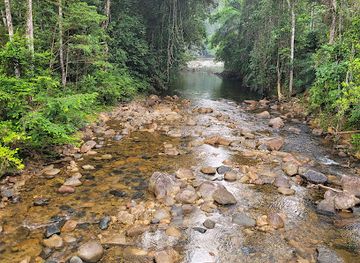
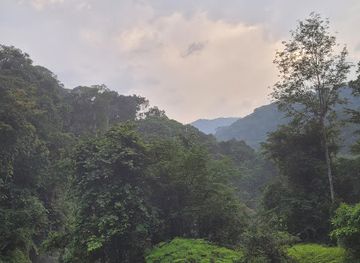
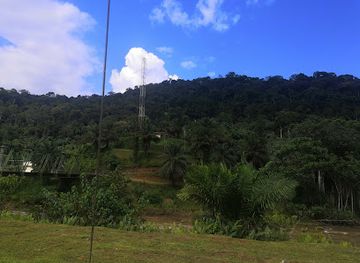
The most important landmark in the Crystal Mountains Region is Monts de Cristal National Park, whose protected forested ridges and valleys define the area’s identity. Unlike a castle or cathedral, the park is a living geographical landmark: its crystalline uplands, streams and rainforest form a visible transition between the coastal lowlands around Libreville and the more elevated interior. The park’s northern and southern sectors are separated geographically and should not be treated as a single compact sightseeing site. Forest waterfalls and rocky river courses provide memorable natural reference points, but their names, access routes and visiting arrangements are best confirmed locally because not all are developed or consistently accessible. The wider hills and dense canopy are themselves significant, especially where clearings reveal the contrast between cultivated land, rural roads and protected forest. Nearby villages, bridges and road viewpoints may be useful orientation points, but they are working places rather than formal monuments. The region’s landmark value rests on ecological integrity, geology and the survival of a substantial rainforest landscape close to Gabon’s capital.
-
National park
Crystal Mountain National Park
Experience the breathtaking landscapes and rich biodiversity of Crystal Mountain National Park, Gabon's hidden gem for nature lovers and adventurers.
-
Mountain peak
Crystal Mountains (Africa)
Explore the breathtaking Crystal Mountains of Africa, where stunning views and thrilling outdoor adventures await every traveler.
Explore Crystal Mountains Region on the map
Plan your trip on one map. See where the top cities, national parks and sights are, and book hotels and experiences in a few clicks.
Best hotels in Crystal Mountains Region
Best restaurants in Crystal Mountains Region
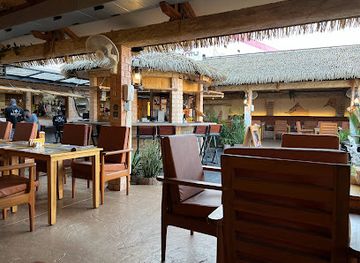
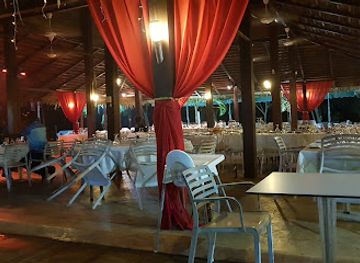
Dining in the Crystal Mountains Region is generally simple, local and closely dependent on what can be supplied to rural settlements and forest camps. Visitors should expect planned provisions, rice, plantain, cassava, vegetables, sauces and grilled or stewed foods rather than a developed restaurant circuit. Fish may feature near rivers and transport corridors, while chicken and other readily available proteins are common; bushmeat should not be requested, particularly in or near protected areas. In villages, small eateries and roadside stalls may provide basic meals when operating, but availability and hygiene standards vary, so organised trips should confirm food arrangements in advance. Libreville is the best place to arrange supplies and experience Gabonese cuisine in a wider range of settings, including restaurants serving traditional Central African dishes and contemporary interpretations. Bottled or treated water is advisable, and visitors should carry snacks for long road journeys. Local guides can explain ingredients and customs, but travellers should avoid assuming that every forest community offers the same food traditions.
-
Restaurant
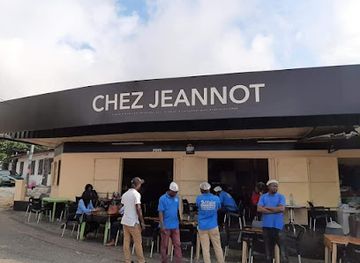
Chez Jeannot
Experience authentic Gabonese cuisine at Chez Jeannot in Libreville - where delicious flavors meet warm hospitality.
-
Pizza
BANTU Restaurant – Restaurant – Bar – Pizzeria
Discover BANTU Restaurant in Libreville - where delicious pizza meets vibrant nightlife in an inviting atmosphere.
-
French
Beach Club
Discover the fusion of French elegance and African flavors at Beach Club in Libreville - a culinary gem by the ocean.
-
Restaurant
Lamaia Lounge Bar & Restaurant
Discover exquisite French cuisine and vibrant nightlife at Lamaia Lounge Bar & Restaurant in Libreville.
Best bars in Crystal Mountains Region
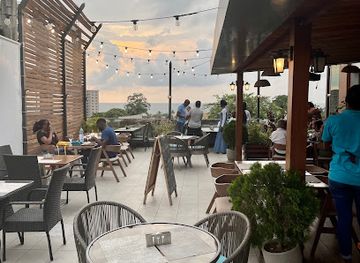
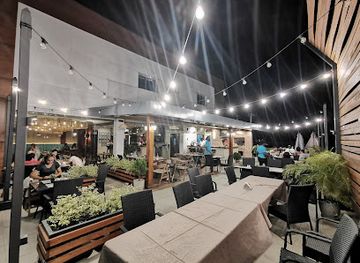
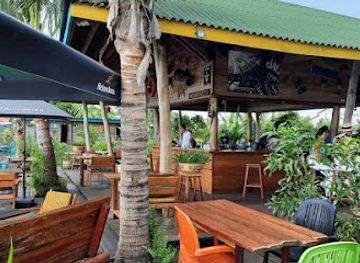
Nightlife in the Crystal Mountains Region is limited and generally centres on conversation, music and simple drinks at small local bars or guesthouse compounds rather than dedicated clubs. Rural settlements may have informal evening venues, but opening arrangements, stock and atmosphere are variable, and services can be seasonal. After dark in or near the forest, the more relevant experience is listening to nocturnal wildlife from a safe camp or accommodation area under guide supervision, not venturing onto trails independently. Libreville, outside the region, offers Gabon’s broadest choice of bars, live music and nightlife and is the practical place for a more substantial evening scene before or after a forest journey. Visitors should drink responsibly, avoid driving after drinking and respect community quiet hours. An evening in the Crystal Mountains is usually organised around an early start, weather conditions and conservation rules rather than late-night entertainment.
-
 Hotel
HotelRadisson Blu Okoume Palace Hotel, Libreville
Discover the luxury and comfort of Radisson Blu Okoume Palace Hotel, a premier hotel in Libreville offering stunning views and exceptional amenities.
-
Hotel
La Baie des Tortues Luth Hotel
Discover the ultimate retreat at La Baie des Tortues Luth Hotel, where luxury meets nature in the heart of Parc National de Pongara.
-
Restaurant
Lamaia Lounge Bar & Restaurant
Experience the flavors of French cuisine at Lamaia Lounge Bar & Restaurant, a must-visit culinary destination in Libreville.
-
Tapas Bar
Marina Social Beach
Discover the delightful tapas at Marina Social Beach, a coastal gem in Port-Gentil, offering stunning views and a vibrant atmosphere.
Best nightclubs in Crystal Mountains Region
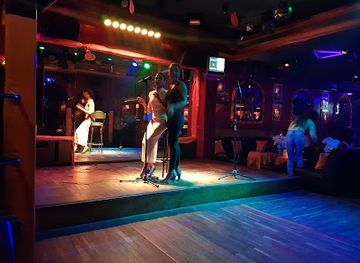
Nightlife in the Crystal Mountains Region is limited and generally centres on conversation, music and simple drinks at small local bars or guesthouse compounds rather than dedicated clubs. Rural settlements may have informal evening venues, but opening arrangements, stock and atmosphere are variable, and services can be seasonal. After dark in or near the forest, the more relevant experience is listening to nocturnal wildlife from a safe camp or accommodation area under guide supervision, not venturing onto trails independently. Libreville, outside the region, offers Gabon’s broadest choice of bars, live music and nightlife and is the practical place for a more substantial evening scene before or after a forest journey. Visitors should drink responsibly, avoid driving after drinking and respect community quiet hours. An evening in the Crystal Mountains is usually organised around an early start, weather conditions and conservation rules rather than late-night entertainment.
-
Night club
Cotton Club
Experience the electrifying nightlife of Cotton Club in Libreville, where music, dance, and vibrant culture come together for an unforgettable night.
-
Night club
CEYO NIGHTCLUB
Immerse yourself in the vibrant nightlife of Libreville at CEYO Nightclub, where music, dancing, and excitement come together.
-
Night club
Boomerang Night Club
Immerse yourself in the lively atmosphere of Boomerang Night Club, a premier nightlife destination in Libreville, Gabon.
-
Night club
L'Oxy Snack Bar Et Nightclub
Experience the vibrant nightlife of Libreville at L'Oxy Snack Bar Et Nightclub, where delicious snacks meet electrifying dance beats.

Best shops in Crystal Mountains Region
Shopping in the Crystal Mountains Region is modest and practical. Small rural shops and roadside stalls may sell drinks, basic food, household goods and locally produced crops, but stock is irregular and there is no major shopping district within the forest area. Visitors should buy specialist equipment, medicines, insect repellent, batteries and most provisions in Libreville before travelling. In villages, modest purchases from local producers can support communities when transactions are respectful and prices are agreed clearly. Gabonese crafts, including carved wooden objects, woven goods and decorative items, are more readily found in larger urban markets and specialist outlets than at remote park approaches; buyers should ask about provenance and avoid products made from protected wildlife or rare timber. Regional food products can make useful souvenirs, but transport and customs rules should be considered. The most valuable purchase connected with the Crystal Mountains is often a locally arranged guiding or community service, provided the provider is legitimate and the terms are transparent.
-
Shopping mall
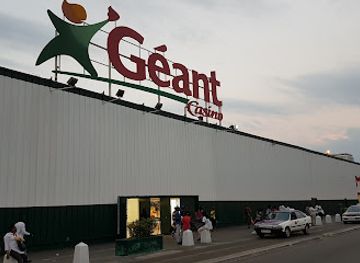
Géant Casino (Mbolo)
Explore the vibrant shopping and dining experience at Géant Casino (Mbolo), the heart of Libreville's retail scene.
-
International airport
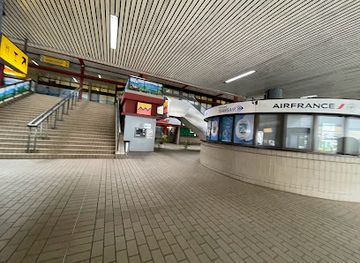
Léon-Mba Libreville International Airport
Experience the seamless transition into Gabon at Léon-Mba Libreville International Airport, offering modern amenities and local charm.
-
Supermarket
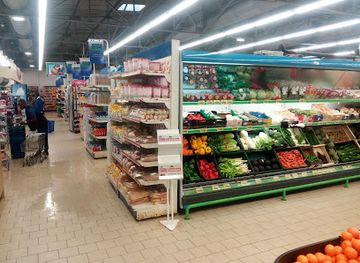
Maxi Ckdo Akanda
Discover local flavors and everyday essentials at Maxi Ckdo Akanda, a vibrant supermarket in Akanda, perfect for tourists.
-
Handicraft
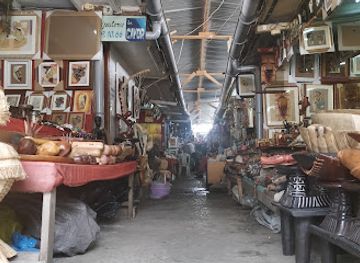
Village des Artisans
Discover the essence of Gabonese culture at Village des Artisans, where local craftsmanship meets vibrant artistry in Libreville.
Get your free copy of our complete guide to Crystal Mountains Region, delivered straight to you.
Everything on this page, from attractions and restaurants to essentials and local phrases, in one PDF you can read offline, print or share.
Already have an account? Sign in
Your Crystal Mountains Region guide is ready.
We'll send it to · Not you? Sign out

Getting your guide ready…
We are putting together a fresh copy of the Crystal Mountains Region guide. This can take up to a minute.
This can take a few moments. If your browser asks, choose Allow so the download can start. You'll find the guide in your Downloads folder.
Nothing happened? Download it again
Sorry, the guide is taking longer than usual. Please try again in a minute, or get it by email instead.
Crystal Mountains Region essentials
Currency and Payment
Safety
Emergency Situations
Do's and Don'ts
Local Tips
From Eve
Local phrases worth knowing
You don't need to get them perfect. A few words go a long way, and locals appreciate the effort.
Basics
| English | Local | Say it |
|---|---|---|
| Hello | Hiya | [hai-ya] |
| Goodbye | See ya | [see ya] |
| Yes | Yup | [yuhp] |
| No | Nah | [nah] |
| Please/You're welcome | Sure thing | [shur thing] |
| Thank you | Thanks a lot | [thanks a lot] |
| Excuse me/Sorry | Pardon me | [pardon me] |
| How are you? | How's it going? | [how's it going] |
| Fine. And you? | Good, and you? | [good, and you] |
| Do you speak English? | Do ya speak English? | [do ya speak English] |
| I don't understand | I ain't gettin' it | [i ain't gettin' it] |
Eating & Drinking
| English | Local | Say it |
|---|---|---|
| I'd like to see the menu, please | Can I see the menu? | [can I see the menu] |
| I don't eat meat | I'm a vegetarian | [I'm a vegetarian] |
| Cheers! | Bottoms up! | [bottoms up] |
| I would like to pay, please | Can I get the check? | [can I get the check] |
Emergencies
| English | Local | Say it |
|---|---|---|
| Help! | Somebody help! | [somebody help] |
| Go away! | Leave me alone! | [leave me alone] |
| Call the Police! | Get the cops! | [get the cops] |
| Call a doctor! | Get a doctor! | [get a doctor] |
| I'm lost | I'm turned around | [I'm turned around] |
| I'm ill | I'm not feeling well | [I'm not feeling well] |
Shopping
| English | Local | Say it |
|---|---|---|
| I'd like to buy... | I'm looking to buy... | [I'm looking to buy] |
| I'm just looking | Just browsing | [just browsing] |
| How much is it? | What's the price? | [what's the price] |
| That's too expensive | That's way too pricey | [that's way too pricey] |
| Can you lower the price? | Can you give me a better deal? | [can you give me a better deal] |
Time & Numbers
| English | Local | Say it |
|---|---|---|
| What time is it? | What time we got? | [what time we got] |
| It's one o'clock | It's one | [it's one] |
| Half past (10) | Half past ten | [half past ten] |
| Morning | Morning | [morning] |
| Afternoon | Afternoon | [afternoon] |
| Evening | Evening | [evening] |
| Yesterday | Yesterday | [yesterday] |
| Today | Today | [today] |
| Tomorrow | Tomorrow | [tomorrow] |
| 1 | One | [one] |
| 2 | Two | [two] |
| 3 | Three | [three] |
| 4 | Four | [four] |
| 5 | Five | [five] |
| 6 | Six | [six] |
| 7 | Seven | [seven] |
| 8 | Eight | [eight] |
| 9 | Nine | [nine] |
| 10 | Ten | [ten] |
Transport & Directions
| English | Local | Say it |
|---|---|---|
| Where's a/the...? | Where's the...? | [where's the] |
| What's the address? | What's the addy? | [what's the addy] |
| Can you show me (on the map)? | Can you point it out? | [can you point it out] |
| When's the next (bus)? | When's the next bus? | [when's the next bus] |
| A ticket (to ....) | A ticket to... | [a ticket to] |
History of Crystal Mountains Region
Ancient Forest Landscapes and Early Communities
The Crystal Mountains form part of the ancient geological and ecological foundations of Gabon’s north-western rainforest. Human communities have used these forests and their surrounding rivers for generations, relying on shifting cultivation, hunting, fishing and gathered products while maintaining routes between settlements. Archaeological evidence in Gabon is unevenly recorded, so the region is better understood through its long continuity of forest-based settlement than through a large collection of monumental ancient sites. Local knowledge remains essential to interpreting paths, waterways and useful plants.
Fang and Coastal Cultural Networks
Several cultural communities have shaped the human geography around the Crystal Mountains, including Fang-speaking populations in the northern and inland areas and other communities linked to the Estuaire region. Political identities and settlement patterns changed over time through migration, marriage, trade and contact along forest routes. These networks connected upland villages with the coast and with wider Central African exchange systems. Contemporary visitors should avoid treating the region as culturally uniform: languages, histories and local relationships differ from one community and province to another.
European Contact and French Colonial Rule
European contact expanded along the Gabonese coast and inland waterways during the nineteenth century, followed by the consolidation of French colonial administration. The Crystal Mountains were not transformed into a major colonial urban centre, but the surrounding forests became connected to systems of mapping, taxation, labour and forest extraction. Colonial boundaries and transport routes influenced later provincial administration, while mission and trading activity affected communities unevenly. Many modern roads and administrative relationships in the area have roots in this period, although the forest itself remained difficult to penetrate.
Timber, Roads and the Modern Gabonese State
After Gabon became independent in 1960, timber remained an important part of the national economy, and roads linking Libreville with inland settlements increased access to forest areas. Economic development brought employment and transport connections but also raised questions about habitat loss, logging practices and the rights of communities dependent on forest resources. The Crystal Mountains’ proximity to the capital made these tensions especially visible: valuable forest landscapes lay close to expanding infrastructure and national development priorities.
Creation of Monts de Cristal National Park
Monts de Cristal National Park was established in 2002 as part of Gabon’s major expansion of protected areas. Its northern and southern sectors conserve rainforest with distinct elevations, soils, waterways and plant communities. The park reflects a shift towards recognising biodiversity conservation as a national responsibility and an international concern. Protection has not removed the region’s human presence or practical challenges: access, customary use, enforcement, scientific research and responsible tourism continue to shape how the landscape is managed.
Conservation and Research in the Twenty-First Century
The Crystal Mountains have gained attention from conservationists and researchers because their forests contain high biodiversity and lie relatively close to Libreville. Current priorities include protecting habitat, improving knowledge of species and maintaining ecological links between forest blocks. Tourism remains comparatively small-scale, which limits facilities but can reduce pressure when visits are carefully managed. The region’s modern history is therefore increasingly defined by the effort to balance local livelihoods, national development, scientific work and the long-term protection of rainforest ecosystems.
Crystal Mountains Region in Photos
Browse through our photo collection highlighting the charm and character of the destination.
Neighbouring regions of Crystal Mountains Region
The closest regions to Crystal Mountains Region, if you have time for more than one.
-

-

-

-

-


Swipe for more regions
Explore more
Explore more of Gabon
Gabon: Discover Africa's untouched paradise with pristine beaches, diverse wildlife, and rich cultural heritage.
Explore Gabon