
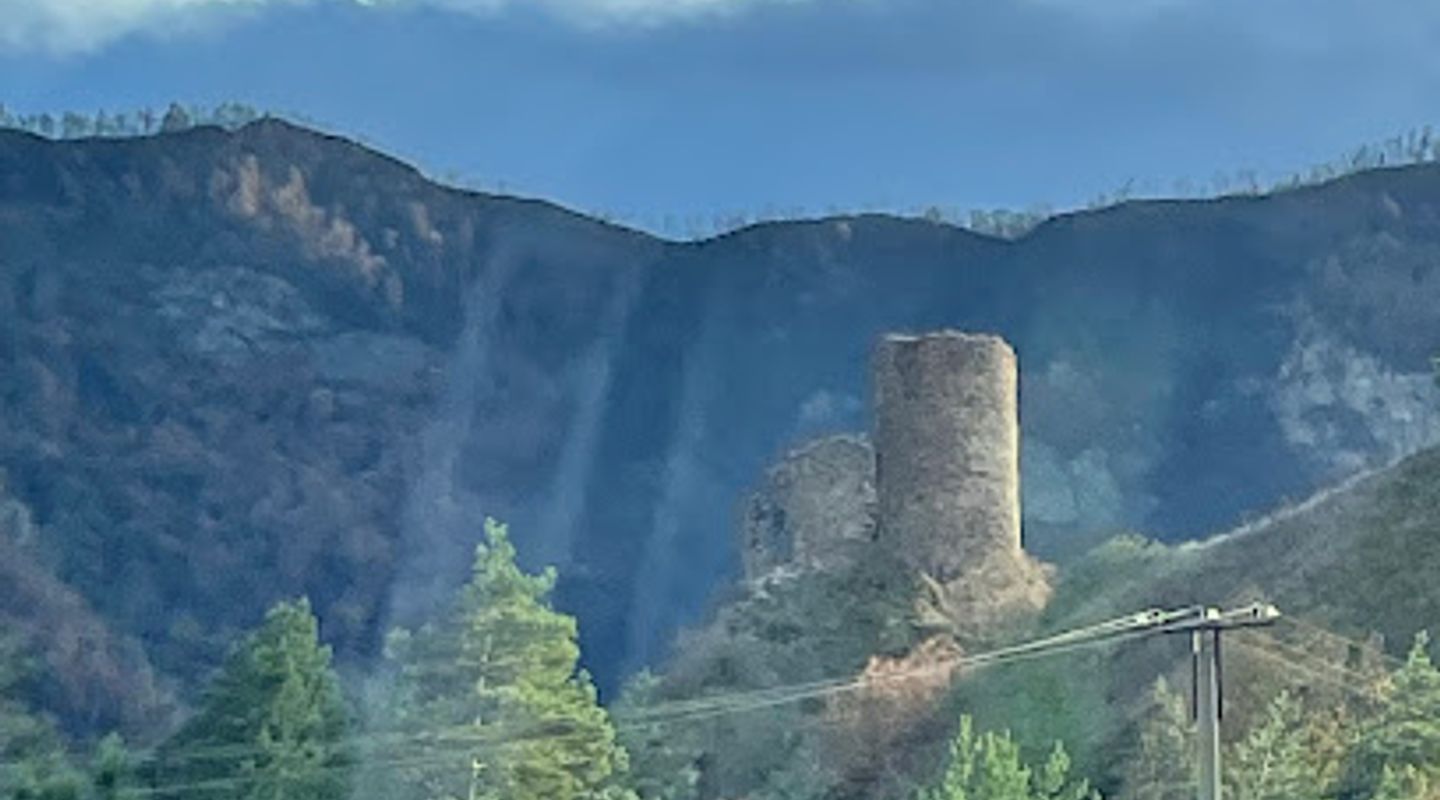
Slesis Cixe, Akhaltsikhe Travel Guide
Explore the medieval Slesis Cixe fortress in Georgia, offering stunning views and a glimpse into the region's rich history and strategic past.
Slesis Cixe is a medieval fortress located in the Samtskhe–Javakheti region of Georgia. Consisting of a ruined castle and a well-preserved tower, it stands guard over the southern approaches to Georgia through the Borjomi valley. Its history is obscure, but architectural features suggest it was built in the High Middle Ages.
A brief summary to Slesis Cixe
- P6X4+5M9, Khashuri-Akhaltsikhe-Vale, Tiseli, GE

Know before you go
Hi, I'm Eve. Here are a few practical things to know before exploring Slesis Cixe.
- Wear comfortable shoes for exploring the uneven terrain of the fortress.
- Bring water and snacks, as there are no facilities available at the site.
- Visit during daylight hours to fully appreciate the views and explore the ruins safely.
Do you manage this location?
Take control to get all the benefits, like improved information, better appearance, and stronger visibility across AI-powered discovery. Learn more about listing your business on Evendo
Activate your presenceOther nearby places you may find interesting
The closest places of the same kind, if this one is not quite what you had in mind.
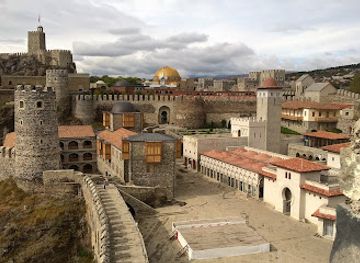
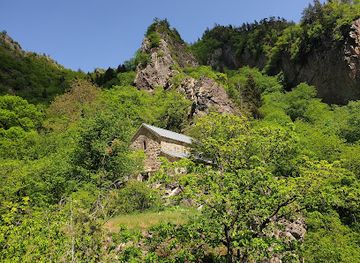
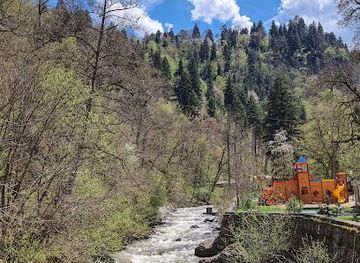
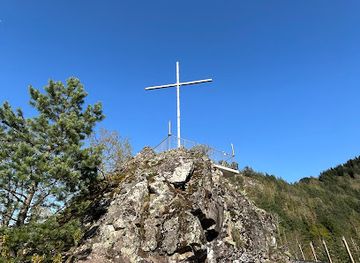
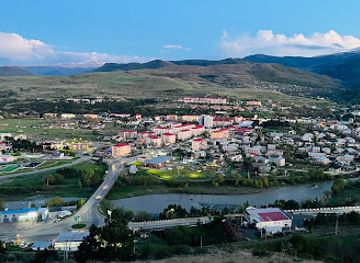
Explore Slesis Cixe on the Map
A handpicked selection of must-see spots near Slesis Cixe, mapped for you.
Getting There
-
Walking
From the main road near Tiseli, the fortress is accessible via a moderately challenging uphill walk. The path is unpaved and can be rocky in places. The walk takes approximately 20-30 minutes, offering scenic views of the surrounding countryside. Ensure you have sturdy footwear.
-
Taxi/Car
Taxis or private cars can take you closer to the base of the hill upon which the fortress stands. However, the road is unpaved for the final section, so a vehicle with good clearance is recommended. From where the road ends, it's a 10-15 minute walk to the fortress. A taxi from Akhaltsikhe would cost approximately 15-20 GEL.
Discover more about Slesis Cixe













Your all‑in‑one travel companion app
Explore expert travel guides, compare and book tours, experiences, hotels, and more—all from the palm of your hand. Download now for seamless trip planning wherever your wanderlust takes you.


Explore More of Akhaltsikhe
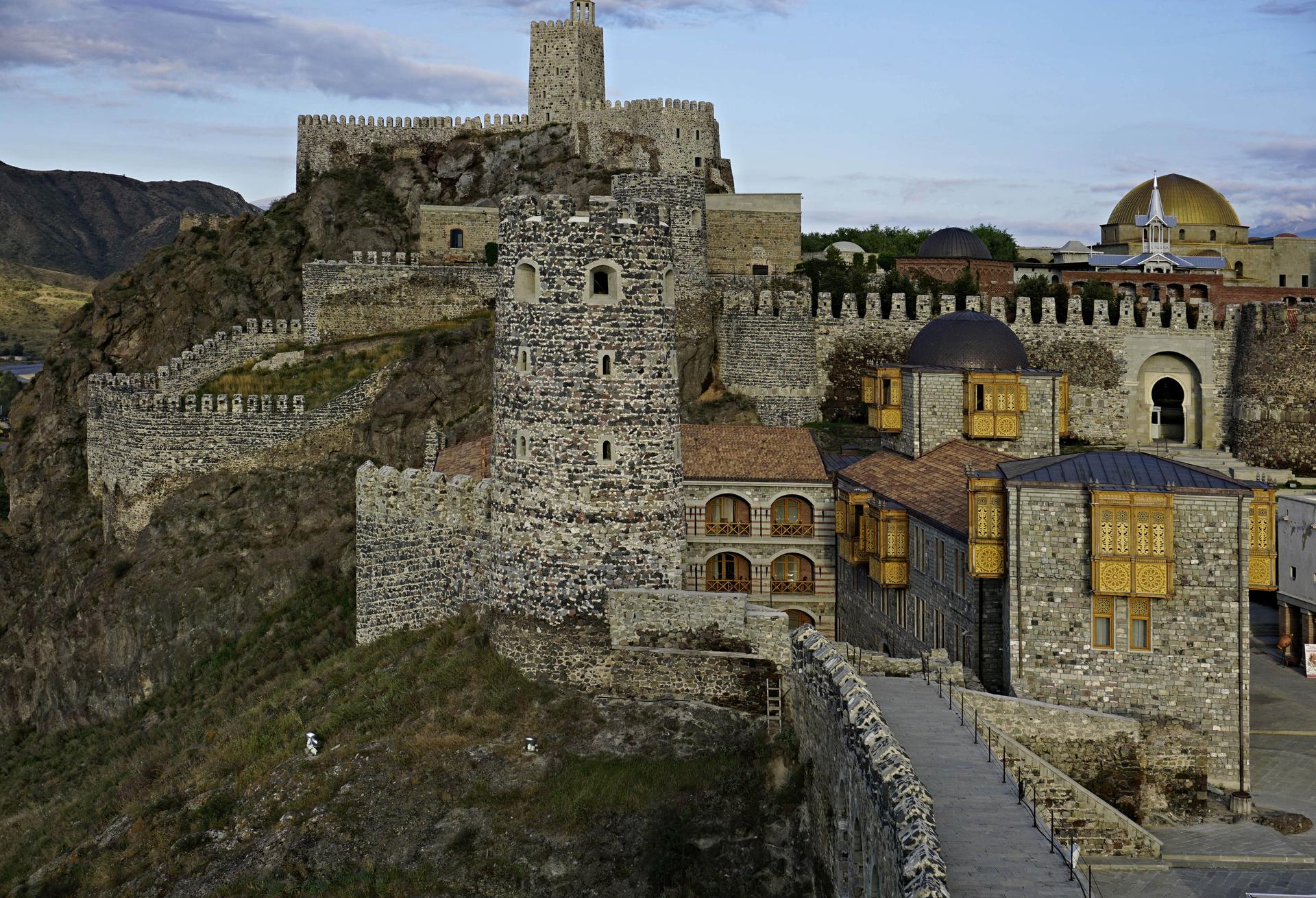
Looking beyond Slesis Cixe? Discover Akhaltsikhe for broader travel guides, local hot-spots, and regional highlights.
Explore Akhaltsikhe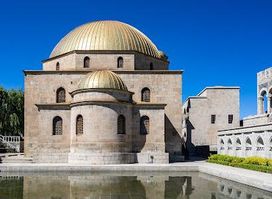
Explore the historic Rabati Castle in Akhaltsikhe, Georgia: a blend of Georgian, Ottoman, and Russian cultures in a beautifully restored fortress.

Experience rural Georgian hospitality at Zauka's Ranch in the heart of Kvabiskhevi, a gateway to the Borjomi Valley's natural beauty.
