

Akhaltsikhe, Georgia Travel Guide
Explore Akhaltsikhe: A blend of history, culture, and natural beauty in Southern Georgia. Discover medieval castles, ancient cave cities, and lush landscapes.
Nestled in the picturesque Samtskhe-Javakheti region, Akhaltsikhe is a charming city brimming with history and culture. The city is known for its well-preserved Rabati Castle, a medieval fortress that has stood the test of time. The castle complex includes a mosque, a synagogue, and a Christian church, showcasing the city's diverse religious heritage. Wander through its cobblestone streets, and you'll feel as though you've stepped back in time. Beyond the historic castle, Akhaltsikhe offers a wealth of natural beauty. The surrounding landscape is dotted with lush forests, rolling hills, and pristine rivers. It's a haven for outdoor enthusiasts who enjoy hiking, bird watching, and exploring nature. Don't miss the nearby Borjomi-Kharagauli National Park, one of the largest protected areas in the country, where you can immerse yourself in Georgia's breathtaking landscapes. Akhaltsikhe is also a gateway to some of Georgia's most fascinating historical sites. The ancient cave city of Vardzia, carved into the cliffs by King Tamar in the 12th century, is just a short drive away. This UNESCO World Heritage site is a must-visit for anyone interested in Georgian history and architecture. Additionally, the thermal springs of Borjomi, known for their healing properties, are within easy reach, making for a perfect day trip.

Know before you go
Hi, I'm Eve. Here are a few practical things to know before exploring Akhaltsikhe.
- Visit Rabati Castle early in the morning to avoid crowds and enjoy the serene atmosphere.
- Wear comfortable shoes for exploring the cobblestone streets and uneven terrain of historical sites.
- Take a day trip to Vardzia; it's best to hire a local guide for a richer experience.
- Don't forget to pack a swimsuit for a relaxing dip in the thermal springs of Borjomi.
- Try local Georgian dishes at traditional restaurants; khinkali and khachapuri are must-tries.
Explore Akhaltsikhe: Things to Do, Places to Eat, Hotels & More
Handpicked recommendations for top attractions, local dining, accommodations, and more

Best attractions in Akhaltsikhe
Top-rated picks
Best Attractions

Borjomi Central Park
Discover natural mineral springs, family fun, and scenic beauty in the heart of Georgia's beloved spa town.

Akhaltsikhe (Rabati) Castle
Explore the historic Rabati Castle in Akhaltsikhe, Georgia: a blend of Georgian, Ottoman, and Russian cultures in a beautifully restored fortress.

Khertvisi Fortress
Explore Khertvisi Fortress, an ancient Georgian stronghold offering panoramic views and a journey through centuries of history.

Borjomi Sulfur Pools
Relax and rejuvenate in the naturally heated, mineral-rich waters of Borjomi's historic Sulfur Pools, nestled in the heart of Georgia's spa town.

Best landmarks in Akhaltsikhe
Top-rated picks
Best Landmarks
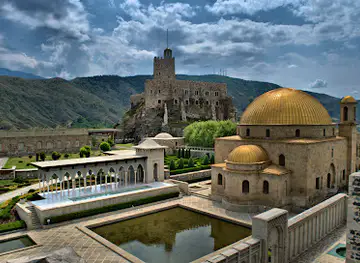
Akhaltsikhe (Rabati) Castle
Discover the rich history and stunning architecture of Akhaltsikhe Castle, a cultural gem in Georgia's picturesque landscapes.

Sapara Monastery
Discover the timeless beauty and serene spirituality of Sapara Monastery, a historical treasure nestled in the hills of Georgia.
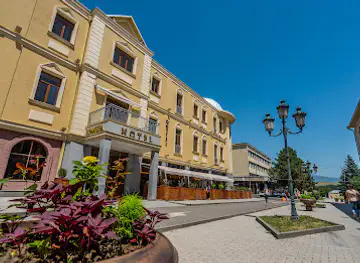
LOMSIA
Discover the perfect blend of comfort and local charm at LOMSIA Hotel, your gateway to exploring the rich history of Akhaltsikhe, Georgia.

Saghighino
Discover the flavors of Georgia at Saghighino, a delightful restaurant in Akhaltsikhe known for its warm atmosphere and diverse menu.

Best restaurants in Akhaltsikhe
Top-rated picks
Best Restaurants

Restaurant Mimino
Discover authentic Georgian flavors at Restaurant Mimino in Akhaltsikhe – where culinary tradition meets warm hospitality.

Saghighino
Experience authentic Georgian cuisine at Saghighino in Akhaltsikhe - where every meal is a celebration of local flavors.

Emigranti
Savor the essence of Georgia at Emigranti, where traditional flavors meet warm hospitality in Tsnisi's charming atmosphere.

Old Rabati
Discover Old Rabati: A captivating blend of history and culture nestled in Akhaltsikhe's enchanting landscape.

Best bars in Akhaltsikhe
Top-rated picks
Best Bars

Restaurant Mimino
Experience the rich flavors of Georgian cuisine at Restaurant Mimino in Akhaltsikhe, where tradition meets taste in a cozy setting.

Saghighino
Experience the rich flavors of Georgian cuisine at Saghighino, a cozy restaurant in Akhaltsikhe known for its welcoming atmosphere and delicious dishes.

Old Rabati
Explore the historical richness and culinary delights of Old Rabati, a captivating destination in Akhaltsikhe, Georgia.

Dubli
Experience authentic Georgian cuisine in a warm, inviting atmosphere at Dubli Restaurant in Akhaltsikhe.

Best nightclubs in Akhaltsikhe
Top-rated picks
Best Nightclubs

Lager Bräu
Experience the rich flavors of Georgian craft beer at Lager Bräu in Akhaltsikhe, where tradition meets taste in a welcoming brewpub atmosphere.

sl company
Explore the sweet side of Akhaltsikhe with a visit to this charming dessert shop, where every bite is a taste of happiness.

Yard
Discover the delightful Yard Café in Akhaltsikhe, where Georgian flavors meet warm hospitality in a cozy atmosphere.

Best shops in Akhaltsikhe
Top-rated picks
Best Shops

Alpha Market
Discover shopping, dining, and vibrant local culture at Alpha Market in Akhaltsikhe – a must-visit mall for every traveler.

Okey Supermarket
Explore Okey Supermarket in Akhaltsikhe for local delicacies, fresh produce, and a taste of Georgian culture in one vibrant shopping experience.

სპარი
Discover the flavors of Georgia at Spiri Grocery Store in Akhaltsikhe, where local produce and culinary traditions come together for an unforgettable experience.

RABBIT HUB
Discover the flavors of Akhaltsikhe at Rabbit Hub, a delightful farm shop offering fresh produce and local specialties.

Explore Akhaltsikhe on the Map
A handpicked selection of must-see spots in Akhaltsikhe, mapped for you.
Akhaltsikhe Essentials
-
Akhaltsikhe is located in the Samtskhe-Javakheti region of Georgia. The nearest major city is Tbilisi, approximately 200 kilometers away. You can reach Akhaltsikhe by taking a bus or marshrutka (minibus) from Tbilisi's Didube Bus Station, which typically takes about 3 to 4 hours. Alternatively, you can hire a private taxi or rent a car for a more comfortable journey. For those coming from Batumi, the travel time is around 3 hours by car.
-
Akhaltsikhe is a relatively small town, making it easy to explore on foot. However, taxis are available and affordable for longer trips within the town. Local buses and marshrutkas connect Akhaltsikhe with nearby villages and cities. Renting a car can be a convenient option for those looking to explore the surrounding areas at their own pace.
-
The official currency in Georgia is the Georgian Lari (GEL). Credit cards are accepted in most hotels, restaurants, and larger shops, but it is advisable to carry some cash, especially in smaller establishments and rural areas. ATMs are widely available in Akhaltsikhe, so withdrawing cash should not be an issue.
-
Akhaltsikhe is generally a safe destination for tourists. However, like any travel destination, it is advisable to take standard precautions. Avoid walking alone at night in unfamiliar areas and keep an eye on your belongings in crowded places. There are no specific high-crime areas targeting tourists, but staying vigilant and aware of your surroundings is always a good practice.
-
In case of an emergency, dial 112 for immediate assistance. The local police station and medical facilities are available in Akhaltsikhe. It is highly recommended to have travel insurance that covers medical emergencies. For minor health issues, there are several pharmacies in the town where you can purchase over-the-counter medications.
-
Fashion: Do dress modestly, especially when visiting religious sites. Avoid wearing overly revealing clothing. Religion: Do respect local customs and traditions. Always cover your head when entering churches and monasteries. Public Transport: Do be respectful and give up your seat to elderly passengers. Don't eat or drink on public transport. Greetings: Do greet people with a handshake. A slight bow of the head is also a sign of respect. Eating & Drinking: Do try local delicacies and accept food offerings graciously. Don't refuse hospitality, as it is considered impolite.
-
To experience Akhaltsikhe like a local, visit the local markets where you can buy fresh produce and traditional Georgian goods. Engage with locals, who are often friendly and willing to share stories about the town's history and culture. Don't miss visiting Rabati Castle, which offers a glimpse into the region’s past. For a unique experience, explore the nearby Vardzia cave monastery, a remarkable historical site.
When is the best time to visit Akhaltsikhe?
Useful Local Phrases for Akhaltsikhe
You don't need to speak the language perfectly. Even learning a few simple words can make conversations warmer—and locals usually appreciate the effort.
— Eve

Here are the phrases I use most often in Akhaltsikhe. Try a few—you'll be surprised how far they go! 😊
❤️
-
- Helloგამარჯობა
[gamardzhoba] - Goodbyeნახვამდი
[nakhvamdi] - Yesდიახ
[diakh] - Noარა
[ara] - Please/You're welcomeგთხოვ
[gtkhov] - Thank youმადლობა
[madloba] - Excuse me/Sorryბალი კარგად
[bali kargadi] - How are you?როგორ ხარ?
[rogor khar?] - Fine. And you?კარგად. შენ?
[kargad. shen?] - Do you speak English?იტალიურად ლაპარაკობ?
[italiurad laparakob?] - I don't understandვერ გაიგებ
[ver gaigeb]
- Helloგამარჯობა
-
- I'd like to see the menu, pleaseგთხოვ მენიუს ნახო
[gtkhov menus nakhvo] - I don't eat meatმე არ ჭიქი
[me ar chiki] - Cheers!გაუმარჯოს!
[gaumardzhos] - I would like to pay, pleaseგთხოვ გადასახდე
[gtkhov gadasakhtde]
- I'd like to see the menu, pleaseგთხოვ მენიუს ნახო
-
- Help!დამეხმარეთ!
[damekhmaret] - Go away!წადი შენ!
[tsadi shen] - Call the Police!პოლიციას მოუწოდე!
[politsias moutsode] - Call a doctor!ექიმს მოუწოდე!
[ekhims moutsode] - I'm lostშემავალი ვარ
[shemavali var] - I'm illვავადებ
[vavadeb]
- Help!დამეხმარეთ!
-
- I'd like to buy...მე მინდა ყიდვა...
[me minda qidva...] - I'm just lookingმე მხოლოდ მიყურებ
[me mkholod miqureb] - How much is it?რამდენია?
[ramdenia?] - That's too expensiveეს ძალიან მაღალია
[es dzalian magalia] - Can you lower the price?შეიძლება ფასს დაფარო?
[sheizleba pass daparo?]
- I'd like to buy...მე მინდა ყიდვა...
-
- What time is it?რა დროა?
[ra droa?] - It's one o'clockერთი საათია
[erti saatia] - Half past (10)ახუთის ნახას
[akhutisis nakhasa] - Morningდილი
[dili] - Afternoonსაღამო
[saghamo] - Eveningსაღამო
[saghamo] - Yesterdayგუშინ
[gushin] - Todayდღეს
[dges] - Tomorrowხვალ
[khval] - 1ერთი
[erti] - 2ორი
[ori] - 3სამი
[sami] - 4ოთხი
[otkhi] - 5ხუთი
[khuti] - 6ექვსი
[ekvsi] - 7შვიდი
[shvidi] - 8რვა
[rva] - 9ცხრა
[tskhra] - 10ათი
[ati]
- What time is it?რა დროა?
-
- Where's a/the...?სად არის...
[sad aris...] - What's the address?რა მისამართია?
[ra misamartiia?] - Can you show me (on the map)?შეიძლება მაჩვენოს (რუკაზე)?
[sheizleba machvenos (rukaze)?] - When's the next (bus)?როდესაც შემდეგი მანქანაა?
[rodesats shemdegi mankanaa?] - A ticket (to ....)ბილეთი (სადაც ...)
[bilieti (sadats ...)]
- Where's a/the...?სად არის...
History of Akhaltsikhe
-
Akhaltsikhe, which means 'New Fortress' in Georgian, has a rich history that dates back to at least the 9th century. Originally a small settlement, it grew in importance due to its strategic location on trade routes between the Byzantine Empire and the Middle East.
-
One of the most significant landmarks in Akhaltsikhe is the Rabati Fortress. Built initially in the 9th century, it has undergone numerous renovations and expansions, particularly during the Ottoman period in the 16th century. The fortress complex includes a mosque, a church, a synagogue, and a castle, reflecting the diverse cultural history of the region.
-
In the 16th century, Akhaltsikhe came under Ottoman control, which lasted for nearly 300 years. During this period, the city became a significant administrative and military hub. The Ottomans expanded the Rabati Fortress and built numerous public buildings, including baths and caravanserais.
-
In the early 19th century, following the Russo-Turkish War (1828-1829), Akhaltsikhe was ceded to the Russian Empire. The city's strategic importance continued under Russian rule, and it became a center for Russian military operations in the Caucasus.
-
During the Soviet era, Akhaltsikhe underwent significant changes. It became part of the Georgian SSR, and its infrastructure was modernized. The Soviet government undertook industrial development projects and built new educational and cultural institutions in the city.
-
Today, Akhaltsikhe is a vibrant city that blends its ancient past with modern development. The Rabati Fortress has been extensively restored and serves as a major tourist attraction. The city celebrates its diverse cultural heritage through festivals, museums, and public events, attracting visitors from around the world.
Travel experiences inspired by this city


Cities near Akhaltsikhe
The closest cities to Akhaltsikhe, if you have time for more than one stop.


Your all‑in‑one travel companion app
Explore expert travel guides, compare and book tours, experiences, hotels, and more—all from the palm of your hand. Download now for seamless trip planning wherever your wanderlust takes you.


Akhaltsikhe in Photos
Browse through our photo collection highlighting the charm and character of the destination.






Akhaltsikhe: The Jewel of Southern Georgia
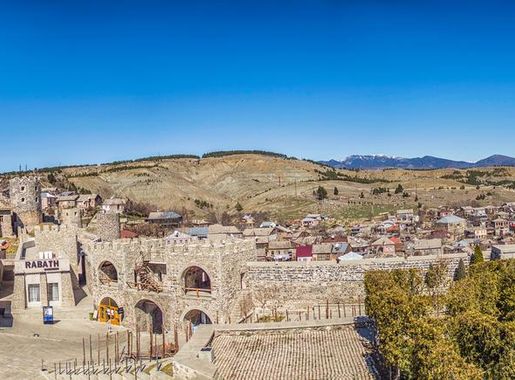
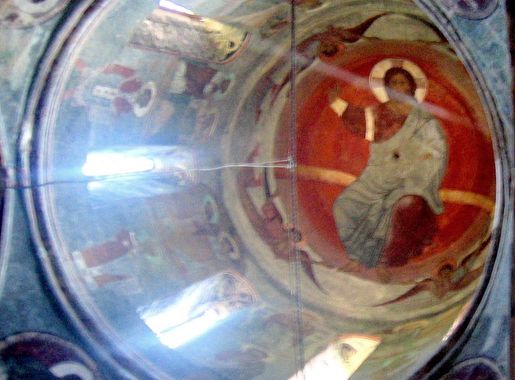
Nestled in the picturesque Samtskhe-Javakheti region, Akhaltsikhe is a charming city brimming with history and culture. The city is known for its well-preserved Rabati Castle, a medieval fortress that has stood the test of time. The castle complex includes a mosque, a synagogue, and a Christian church, showcasing the city's diverse religious heritage. Wander through its cobblestone streets, and you'll feel as though you've stepped back in time. Beyond the historic castle, Akhaltsikhe offers a wealth of natural beauty. The surrounding landscape is dotted with lush forests, rolling hills, and pristine rivers. It's a haven for outdoor enthusiasts who enjoy hiking, bird watching, and exploring nature. Don't miss the nearby Borjomi-Kharagauli National Park, one of the largest protected areas in the country, where you can immerse yourself in Georgia's breathtaking landscapes. Akhaltsikhe is also a gateway to some of Georgia's most fascinating historical sites. The ancient cave city of Vardzia, carved into the cliffs by King Tamar in the 12th century, is just a short drive away. This UNESCO World Heritage site is a must-visit for anyone interested in Georgian history and architecture. Additionally, the thermal springs of Borjomi, known for their healing properties, are within easy reach, making for a perfect day trip.
Explore More of Georgia

Looking beyond Akhaltsikhe? Discover Georgia for broader travel guides, local hot-spots, and regional highlights.
Explore Georgia