Dzudzuana Cave: A Journey into Prehistoric Textile Production
Explore Dzudzuana Cave: Uncover the origins of textile production and early human life in this ancient Georgian site.
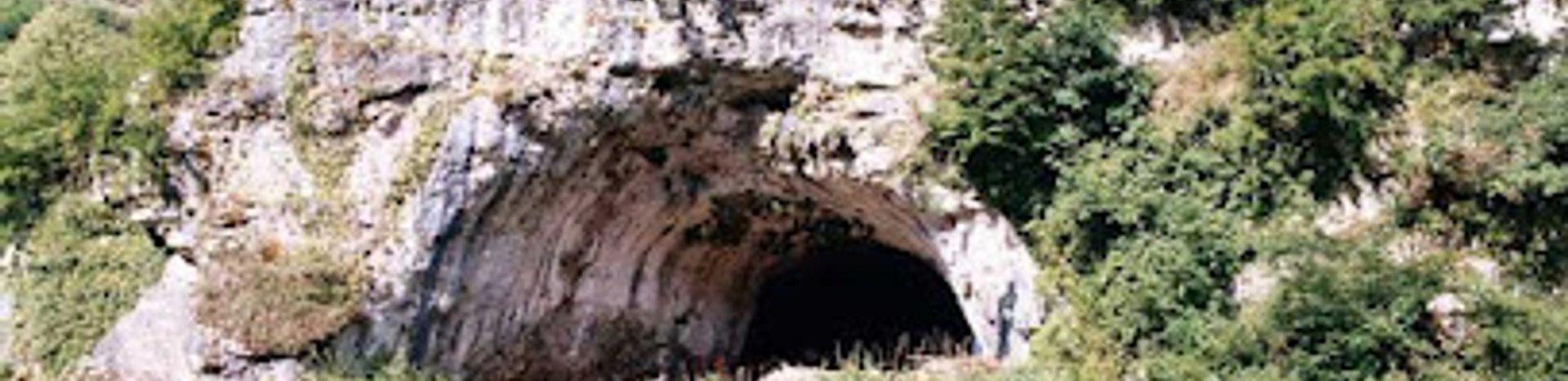
Dzudzuana Cave, near Mghvimevi, Georgia, is an important archaeological site where the world's oldest dyed flax fibers were discovered, dating back 36,000 years. This cave provides insights into early human life and textile technology during the Upper Paleolithic period.
A brief summary to Dzudzuana Cave
- 8849+F5, Mghvimevi, GE

Know before you go
Hi, I'm Eve. Here are a few practical things to know before exploring Dzudzuana Cave.
- Wear comfortable shoes as the cave pathways can be uneven and slippery.
- Bring a flashlight or headlamp to explore the darker areas of the cave.
- Check the opening hours before your visit, as they may vary seasonally.
- Consider joining a guided tour for a more informative experience about the cave's history.
- Don't forget your camera to capture the stunning rock formations and your adventure !
Do you manage this location?
Take control to get all the benefits, like improved information, better appearance, and stronger visibility across AI-powered discovery. Learn more
Activate your presence

Getting There
-
Walking
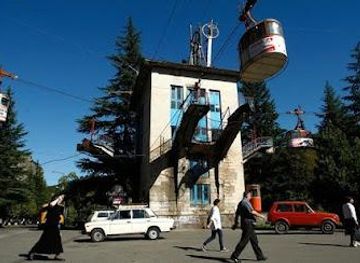
If you are in Mghvimevi village, you can walk to Dzudzuana Cave. Start from the village center and head east, following the road signs. The walk is approximately 2 kilometers and takes about 30 minutes. The path is mostly uphill, so wear comfortable shoes and bring water.
-
Public Transport
From Chiatura, take a marshrutka (minibus) towards Mghvimevi. Marshrutkas typically depart from the main bus station in Chiatura. The fare is approximately 2 GEL per person. Once in Mghvimevi, walk roughly 2 kilometers to Dzudzuana Cave, following the signs or asking locals for directions.
Discover more about Dzudzuana Cave
Explore the best of what Dzudzuana Cave has to offer















More about Imereti
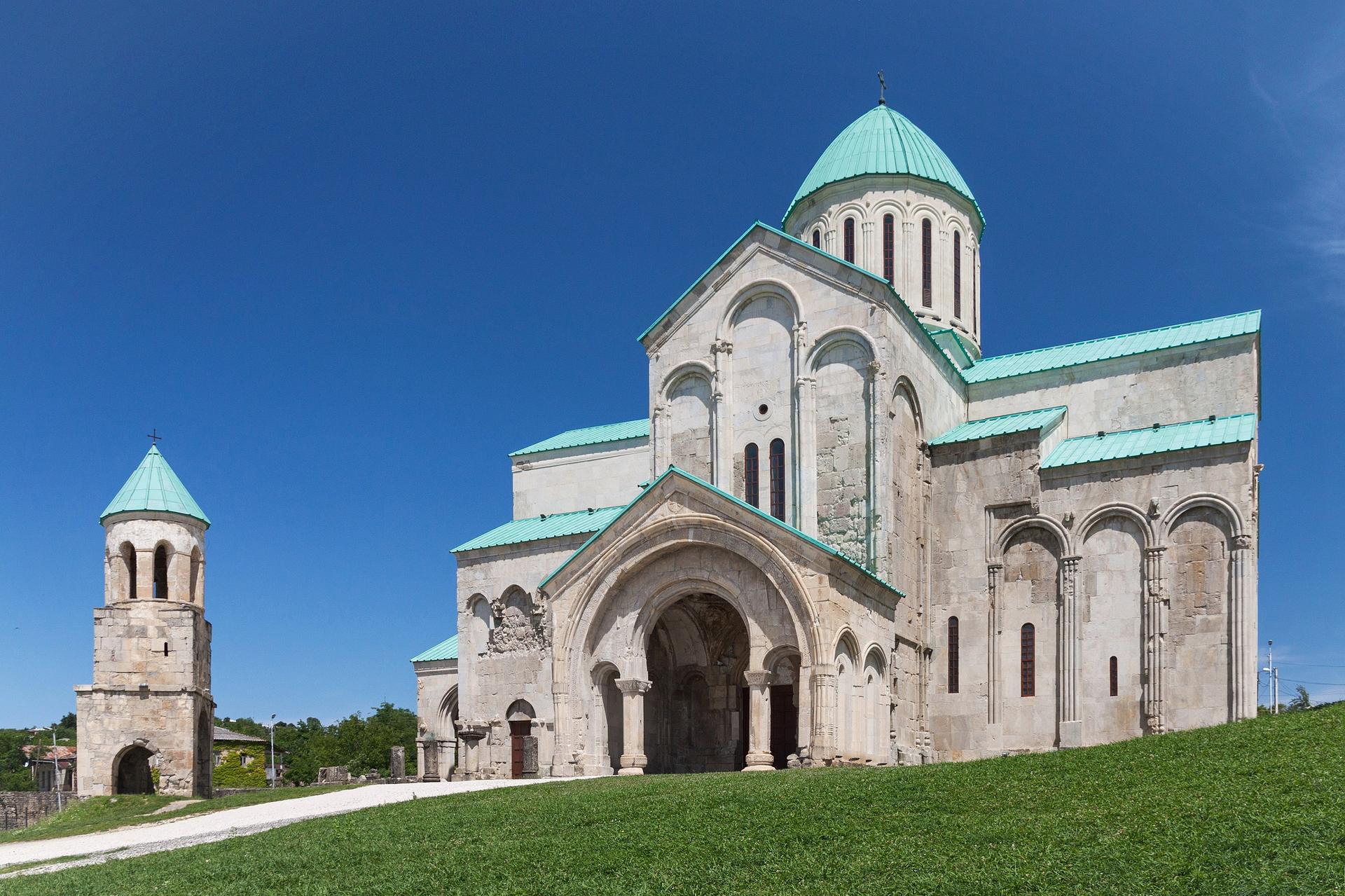
Discover Imereti: Where Georgia’s breathtaking landscapes, ancient history, and rich culinary traditions come together in perfect harmony.
Tell me more about Imereti