

Free Samegrelo-Zemo Svaneti Travel Guide & Mobile App
Explore Samegrelo-Zemo Svaneti with free travel guides. Discover regional history, expert tips, proposed trips, and audio guides on web or mobile app.


Explore Samegrelo-Zemo Svaneti for Colchian heritage, Black Sea wetlands, Svan towers, mountain villages and Caucasus hiking around Mestia.
Read more about Samegrelo-Zemo Svaneti
When is the best time to visit Samegrelo-Zemo Svaneti?
Best: May–June, September · 24–29°C| Month | High (°C) | Rainfall (mm) |
|---|---|---|
| January | 8 | 120 |
| February | 10 | 110 |
| March | 14 | 130 |
| April | 19 | 120 |
| May (best) | 24 | 110 |
| June (best) | 29 | 100 |
| July | 32 | 90 |
| August | 31 | 100 |
| September (best) | 26 | 110 |
| October | 19 | 130 |
| November | 13 | 140 |
| December | 9 | 150 |
Getting to and around Samegrelo-Zemo Svaneti
How to get there
Transportation
Top city travel guides in Samegrelo-Zemo Svaneti
The cities of Samegrelo-Zemo Svaneti, and the easiest places to base yourself.

Swipe for more cities
Destinations in Samegrelo-Zemo Svaneti
Resorts, valleys and scenic spots worth a trip of their own.

Swipe for more destinations
Best attractions in Samegrelo-Zemo Svaneti
Samegrelo-Zemo Svaneti’s attractions range from humid lowland nature to high Caucasus trekking. In Samegrelo, Martvili Canyon offers a walk through limestone scenery shaped by the Abasha River, while Nokalakevi combines substantial archaeological remains with a wooded river setting. Zugdidi’s Dadiani Palace and its collections provide an introduction to the region’s princely history, and Poti gives access to the bird-rich wetlands and waterways of Kolkheti National Park. The Black Sea shore around Anaklia adds beaches, open estuary landscapes and a slower coastal atmosphere. Upper Svaneti is centred on Mestia, where museums, tower houses, mountain viewpoints and walking routes make the town a practical base. Day hikes lead towards Koruldi Lakes, Mazeri and Shdugra Waterfall, while longer journeys reach the historic villages of Ushguli and the valleys beneath Mount Shkhara. In winter, Hatsvali and Tetnuldi offer skiing and snow-based recreation. The region’s appeal lies in this progression from archaeological and wetland landscapes to living mountain settlements, rather than in a single concentrated cluster of sights.
-
National park
Martvili Canyon
Discover Martvili Canyon: Explore turquoise waters, stunning waterfalls, and lush landscapes in Georgia's breathtaking Samegrelo region.
-
Amusement park
Miniature Park
Explore Georgia's iconic landmarks in miniature form at Shekvetili's captivating park, showcasing the nation's rich cultural heritage and architectural wonders.
-
Art museum
Dadiani Palace Museum
Explore the opulent Dadiani Palace Museum in Zugdidi, a treasure trove of Georgian history, art, and European connections.
-
Park
Poti Central Park
Discover Poti Central Park: A historic green space offering tranquility and cultural landmarks in the heart of Poti, Georgia.


Best landmarks in Samegrelo-Zemo Svaneti
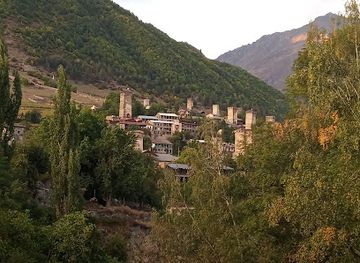
The Dadiani Palace in Zugdidi is Samegrelo’s leading dynastic landmark, associated with the rulers of the former principality and set within a historic garden landscape. Nokalakevi’s fortified walls and gates mark the site of ancient Archaeopolis, linking the modern region to the kingdoms and rivalries of late antique western Georgia. In the highlands, Mestia’s stone defensive towers are the defining architectural symbols of Svaneti; their height, compact construction and relationship to neighbouring homes reflect a settlement system shaped by mountain society. The tower villages of Ushguli, including Chazhashi, form one of the most recognisable historic landscapes in the region, set beneath some of the highest Caucasus peaks. The Enguri Dam is a very different landmark: a major Soviet-era engineering structure that transformed the valley and remains closely connected with Georgia’s electricity infrastructure. Along the coast, Poti’s port and lighthouse-related maritime setting express the region’s modern Black Sea role, while the broad Enguri estuary provides a natural counterpoint to the steep, enclosed valleys farther north.
-
Visitor center
Okatse Canyon Visitor Centre
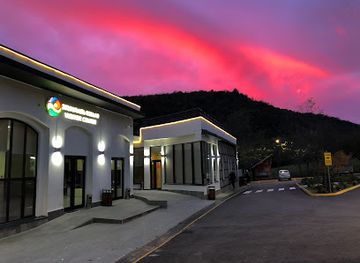
Discover the breathtaking beauty of Okatse Canyon Visitor Centre, an eco-tourism gem in Georgia offering stunning views and unforgettable adventures.
-
 Cathedral
Bagrati Cathedral
Explore the stunning Bagrati Cathedral, a UNESCO World Heritage site in Kutaisi, showcasing Georgia's rich history and breathtaking architecture.
-
National park
Martvili Canyon
Explore the breathtaking beauty of Martvili Canyon, a national park in Georgia, with stunning landscapes, waterfalls, and adventure activities.
-
Park
Shekvetili Dendrological Park
Experience the lush beauty of Shekvetili Dendrological Park, a tranquil haven showcasing Georgia's diverse flora and wildlife.


Explore Samegrelo-Zemo Svaneti on the map
Plan your trip on one map. See where the top cities, national parks and sights are, and book hotels and experiences in a few clicks.
Best hotels in Samegrelo-Zemo Svaneti
Best restaurants in Samegrelo-Zemo Svaneti
Dining in Samegrelo-Zemo Svaneti reflects the sharp divide between the warm western lowlands and the high mountain valleys. Samegrelo is known for assertively flavoured food, often using walnuts, herbs and chilli; dishes such as elarji, a cheese-rich cornmeal preparation, and gebzhalia, a cheese dish with mint, are regional specialities worth seeking in family restaurants and homes. Zugdidi and other lowland towns offer Georgian cafés, bakeries, markets and restaurants serving produce from the surrounding agricultural plain. In Upper Svaneti, guesthouse meals are central to the travel experience, with hearty breads, potatoes, cheese, meat and beans suited to a colder climate. Kubdari, a spiced meat-filled bread associated with Svaneti, is widely encountered, while Svan salt is a valued local seasoning rather than a single fixed recipe. Poti and the coastal districts provide fish and straightforward Georgian dining, although the region is not defined by a formal seafood cuisine. Menus, service and payment options can be limited in remote villages, so advance arrangements at guesthouses are often useful.
-
Georgian
Cafe Laila
Experience authentic Georgian cuisine at Cafe Laila in Mestia, where warm hospitality meets breathtaking mountain views.
-
Restaurant
Vichnashi
Discover authentic Georgian flavors at Vichnashi in Mestia - a must-visit restaurant for food lovers seeking local culinary delights.
-
Restaurant
Lushnu Qor Restaurant Beer Garden
Discover authentic Georgian flavors at Lushnu Qor Restaurant Beer Garden in Mestia – where great food meets breathtaking views.
-
Restaurant
Sunseti
Experience authentic Georgian cuisine at Sunseti in Mestia - where every dish tells a story against stunning mountain backdrops.


Best bars in Samegrelo-Zemo Svaneti
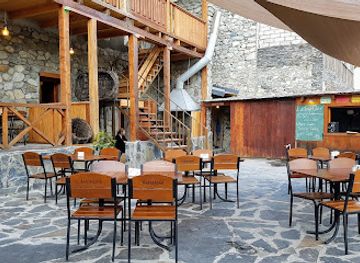
Nightlife in Samegrelo-Zemo Svaneti is generally social and food-centred rather than club-oriented. Zugdidi and Poti have the broadest choice of cafés, wine bars, restaurants and informal evening venues, with Poti adding a modest port-city and coastal atmosphere. In Mestia, evenings usually revolve around guesthouse dining, Georgian wine, small bars and occasional live music rather than a large nightclub scene. Mountain resorts and villages may become busier during ski and summer trekking seasons, but opening arrangements are seasonal and limited compared with Georgia’s larger cities. Traditional supra meals can extend late through conversation, toasts and music, although visitors should regard participation as an invitation rather than an obligation. Local wines, chacha and beer are available, but alcohol is not necessary to engage with the region’s evening culture; cafés, walks through illuminated town centres and shared meals provide quieter alternatives.
-
Pub
Hoegaarden-Kutaisi
Discover the heart of Kutaisi at Hoegaarden-Kutaisi, where local flavors and vibrant socializing come together in a lively pub atmosphere.
-
Restaurant
Lushnu Qor Restaurant Beer Garden
Experience the authentic flavors of Georgia at Lushnu Qor Restaurant Beer Garden in Mestia, where delicious food meets stunning mountain views.
-
Restaurant
Sunseti
Discover the flavors of Georgia at Sunseti, a culinary gem in Mestia with stunning views and a delightful dining experience.
-
Bar
Dissident
Discover the vibrant atmosphere at Dissident, a bar, café, and hookah lounge in Mestia, perfect for relaxation after exploring the Svaneti region.



Best nightclubs in Samegrelo-Zemo Svaneti
Nightlife in Samegrelo-Zemo Svaneti is generally social and food-centred rather than club-oriented. Zugdidi and Poti have the broadest choice of cafés, wine bars, restaurants and informal evening venues, with Poti adding a modest port-city and coastal atmosphere. In Mestia, evenings usually revolve around guesthouse dining, Georgian wine, small bars and occasional live music rather than a large nightclub scene. Mountain resorts and villages may become busier during ski and summer trekking seasons, but opening arrangements are seasonal and limited compared with Georgia’s larger cities. Traditional supra meals can extend late through conversation, toasts and music, although visitors should regard participation as an invitation rather than an obligation. Local wines, chacha and beer are available, but alcohol is not necessary to engage with the region’s evening culture; cafés, walks through illuminated town centres and shared meals provide quieter alternatives.
-
Bar
Pub & Cinema DEDE
Discover the perfect blend of cinema and bar experience at Pub & Cinema DEDE in the heart of Mestia, where films and drinks collide in a cozy atmosphere.
-
Bar
Reggae bar
Experience the vibrant rhythms of Reggae Bar in Anaklia, where live music and refreshing cocktails create the ultimate tropical escape.
-
Night club
Bude
Unwind at Bude, Kutaisi's hottest night club, where epic DJs and vibrant energy create unforgettable nightlife experiences.
-
Disco club
Reflector Club
Dive into the electrifying nightlife of Kutaisi at Reflector Club, where vibrant music and stylish ambiance create unforgettable moments.


Best shops in Samegrelo-Zemo Svaneti
Shopping in Samegrelo-Zemo Svaneti is strongest in market towns and through direct purchases from producers rather than in large retail districts. Zugdidi’s markets and central shops are useful for fruit, herbs, nuts, cheese, churchkhela and other Georgian provisions, while Poti offers everyday shopping with a more maritime, lowland character. In Mestia and the surrounding villages, visitors commonly look for Svan salt, locally made preserves, honey, woollen goods, felt work and small craft items, although quality and availability vary between sellers. Handmade souvenirs linked to Svaneti’s tower architecture, traditional textiles and regional food make more meaningful purchases than generic imported merchandise. Rural guesthouses may sell homemade products or arrange introductions to local producers. Carry cash in smaller denominations when visiting markets and villages, and remember that regional foods such as cheese, meat products or honey may be subject to restrictions when taking them across international borders.
-
National park
Martvili Canyon
Explore Martvili Canyon, a national park in Georgia, where stunning landscapes, tranquil waters, and thrilling adventures await every traveler.
-
National museum
Svaneti Museum of History and Ethnography
Explore the Svaneti Museum: A journey through the unique history and heritage of Svaneti, showcasing artifacts and traditions of the region.
-
Toy store
ვიშლისთი - wishlist
Explore Wishlist in Zugdidi, Georgia, where joy and imagination come together in a delightful toy store experience for all ages.
-
Shopping mall
Jeo Demo
Experience shopping, dining, and entertainment at Jeo Demo Shopping Mall in Tsalenjikha, Georgia – a vibrant hub for tourists and locals alike.


Get your free copy of our complete guide to Samegrelo-Zemo Svaneti, delivered straight to you.
Everything on this page, from attractions and restaurants to essentials and local phrases, in one PDF you can read offline, print or share.
Already have an account? Sign in
Your Samegrelo-Zemo Svaneti guide is ready.
We'll send it to · Not you? Sign out

Getting your guide ready…
We are putting together a fresh copy of the Samegrelo-Zemo Svaneti guide. This can take up to a minute.
This can take a few moments. If your browser asks, choose Allow so the download can start. You'll find the guide in your Downloads folder.
Nothing happened? Download it again
Sorry, the guide is taking longer than usual. Please try again in a minute, or get it by email instead.
Samegrelo-Zemo Svaneti essentials
Currency and Payment
Safety
Emergency Situations
Do's and Don'ts
Local Tips
From Eve
Local phrases worth knowing
You don't need to get them perfect. A few words go a long way, and locals appreciate the effort.
Basics
| English | Local | Say it |
|---|---|---|
| Hello | გამარჯობა | [gamarjoba] |
| Goodbye | ნახვამდის | [nakhvamdis] |
| Yes | კი | [ki] |
| No | არა | [ara] |
| Please/You're welcome | გთხოვთ | [gkhtovt] |
| Thank you | მადლობა | [madloba] |
| Excuse me/Sorry | ბოდიშით | [bodishit] |
| How are you? | როგორ ხარ? | [rogor khar?] |
| Fine. And you? | კარგად. შენ? | [kargad. shen?] |
| Do you speak English? | ინგლისურად საუბრობ? | [inglisurad saubrobi?] |
| I don't understand | ვერ ვიგებ | [ver vigeb] |
Eating & Drinking
| English | Local | Say it |
|---|---|---|
| I'd like to see the menu, please | მინდოდა მენიუს ნახვა, გთხოვთ | [mindoda menyus nakhva, gkhtovt] |
| I don't eat meat | ხორცი არ ვჭამ | [khorts'i ar vch'am] |
| Cheers! | ჭამა! | [ch'ama!] |
| I would like to pay, please | მინდოდა გადახდა, გთხოვთ | [mindoda gadakhda, gkhtovt] |
Emergencies
| English | Local | Say it |
|---|---|---|
| Help! | დახმარება! | [dakhmareba!] |
| Go away! | წადი! | [ts'adi!] |
| Call the Police! | გამოსწიეთ პოლიცია! | [gamosits'iet politsia!] |
| Call a doctor! | გამოსწიეთ ექიმი! | [gamosits'iet eqimi!] |
| I'm lost | დავიკარგე | [daviqarge] |
| I'm ill | მინდა, რომ ცუდად ვარ | [minda, rom ts'udad var] |
Shopping
| English | Local | Say it |
|---|---|---|
| I'd like to buy... | მინდოდა ვიყიდო... | [mindoda viqido...] |
| I'm just looking | მხოლოდ ვათვალიერებ | [mkholod vatvaliereb] |
| How much is it? | რამდენი ღირს? | [ramdeni ghirs?] |
| That's too expensive | ეს ძალიან ძვირი არის | [es dzalian dzviri aris] |
| Can you lower the price? | გთხოვთ, ფასები შეამცირეთ | [gkhtovt, fasebi sheamts'iret] |
Time & Numbers
| English | Local | Say it |
|---|---|---|
| What time is it? | რა დროა? | [ra droa?] |
| It's one o'clock | ერთი საათია | [erti saatia] |
| Half past (10) | ნახევარი (10) | [nakhavari (10)] |
| Morning | დილა | [dila] |
| Afternoon | ظهر | [zghir] |
| Evening | საღამო | [saghamo] |
| Yesterday | გუშინ | [gushin] |
| Today | დღეს | [dghes] |
| Tomorrow | ხვალ | [khval] |
| 1 | ერთი | [erti] |
| 2 | ორი | [ori] |
| 3 | სამი | [sami] |
| 4 | ოთხი | [otkhi] |
| 5 | ხუთი | [khuti] |
| 6 | ექვსი | [ekvsi] |
| 7 | შვიდი | [shvidi] |
| 8 | რვა | [rvya] |
| 9 | ცხრა | [tskhrva] |
| 10 | ათი | [ati] |
Transport & Directions
| English | Local | Say it |
|---|---|---|
| Where's a/the...? | სად არის ...? | [sad aris ...?] |
| What's the address? | რა მისამართია? | [ra misamar'tia?] |
| Can you show me (on the map)? | შეგიძლიათ მაჩვენოთ (ქნაზე)? | [shegidzliat mach'enot (q'naze)?] |
| When's the next (bus)? | როდის მოდის შემდეგი (ავტობუსი)? | [rodis modis shemdeg (avtobusi)?] |
| A ticket (to ....) | ბილეთი (....) | [bileti (....)] |
History of Samegrelo-Zemo Svaneti
Colchis and the Ancient Western Georgian Coast
The lowlands of modern Samegrelo formed part of the ancient Colchian world, a landscape of river plains, forests and Black Sea ports linked to wider trade networks. Greek writers described Colchis in connection with the eastern Black Sea, while archaeological evidence records long-standing settlements, metalworking and exchange. The region’s later identity developed through interaction between local communities and larger powers rather than through a single uninterrupted state. Its position between the Caucasus, the Black Sea and the interior made western Georgia commercially valuable and politically contested from antiquity onwards.
Egrisi and the Late Antique Kingdom of Lazica
From roughly the fourth to the seventh centuries, much of western Georgia was associated with Egrisi, also known in Byzantine sources as Lazica. Nokalakevi, identified with the ancient city of Archaeopolis, was a major fortified centre on the Tekhuri River and preserves walls, gates, baths and other remains. Egrisi stood between the Byzantine and Sasanian spheres, making western Georgia a theatre of diplomacy and conflict. The fortifications and archaeological layers at Nokalakevi provide some of the clearest physical evidence of this period within Samegrelo-Zemo Svaneti.
Christianisation and Medieval Svaneti
Christianity became deeply established in western Georgia during late antiquity and the medieval period, leaving a legacy of small stone churches, murals and religious art. In Upper Svaneti, isolated valleys developed distinctive forms of ecclesiastical architecture and painting, often combining local building traditions with wider Georgian influences. The highland communities retained considerable autonomy because of their terrain, while towers and fortified domestic buildings reflected both social organisation and the practical demands of mountain life. Historic settlements such as Ushguli and the villages around Mestia preserve this layered medieval landscape.
The Dadiani Principality
From the late medieval period until the nineteenth century, the Dadiani dynasty governed Samegrelo, known historically as Odishi or Mingrelia, with Zugdidi as its principal centre. The principality maintained complex relationships with the kings of Georgia, the Ottoman Empire and neighbouring powers. The Dadiani court supported religious institutions, diplomacy and collecting, and its former palace in Zugdidi remains the region’s most important dynastic heritage site. The family’s political role declined as the Russian Empire expanded into western Georgia, but its cultural and architectural legacy remains central to Samegrelo’s historical identity.
Russian Rule and the End of Regional Autonomy
The Russian Empire absorbed the western Georgian principalities during the nineteenth century, ending the Dadiani political order and bringing Samegrelo and Svaneti into a new imperial administration. Roads, military routes and administrative links increasingly connected the region to the wider Caucasus, although highland Svan communities remained difficult to govern. Imperial rule also altered elite life, landholding and trade. The period created institutions and transport connections that later states expanded, while leaving unresolved tensions between central authority and the customary autonomy of remote mountain communities.
Ports, Railways and Soviet Transformation
During the late imperial and Soviet periods, transport and industry reshaped the lowlands. Poti developed as a significant Black Sea port and railway terminus, while agriculture, tea cultivation and processing became important across the humid western Georgian plain. Soviet planning brought new roads, public buildings and industrial infrastructure, including major hydroelectric works on the Enguri. These developments connected Samegrelo more closely to the rest of Georgia but also changed settlement patterns and local economies. In the mountain districts, seasonal migration, improved roads and tourism gradually supplemented older pastoral livelihoods.
Enguri Hydropower and Contemporary Svaneti
The Enguri hydroelectric project, developed during the Soviet era and centred on the Enguri Dam, became one of Georgia’s most significant engineering enterprises. Its reservoir and associated infrastructure altered the upper valley while supplying electricity far beyond the immediate area. Since Georgia’s independence, Upper Svaneti has increasingly attracted visitors for its towers, highland villages, skiing and trekking. Tourism has brought improved accommodation and services, but the region continues to balance conservation, road access, mountain hazards and the protection of living cultural traditions.
Samegrelo-Zemo Svaneti in Photos
Browse through our photo collection highlighting the charm and character of the destination.
Neighbouring regions of Samegrelo-Zemo Svaneti
The closest regions to Samegrelo-Zemo Svaneti, if you have time for more than one.
-

-

-

-

-


Swipe for more regions
Explore more

Explore more of Georgia
Discover Georgia: A vibrant mix of ancient history, stunning landscapes, and warm hospitality at the crossroads of Europe and Asia.
Explore Georgia