

Free Guria Travel Guide & Mobile App
Explore Guria with free travel guides. Discover regional history, expert tips, proposed trips, and audio guides on web or mobile app.


Explore Guria in western Georgia for Black Sea beaches, tea country, historic churches, village cuisine and cool mountain resorts.
Read more about Guria
When is the best time to visit Guria?
Best: June–July, September · 26–30°C| Month | High (°C) | Rainfall (mm) |
|---|---|---|
| January | 9 | 121 |
| February | 9 | 110 |
| March | 14 | 100 |
| April | 17 | 91 |
| May | 22 | 81 |
| June (best) | 27 | 70 |
| July (best) | 30 | 61 |
| August | 30 | 70 |
| September (best) | 26 | 81 |
| October | 20 | 91 |
| November | 13 | 100 |
| December | 10 | 111 |
Getting to and around Guria
How to get there
Transportation
Best attractions in Guria
Guria's attractions range from the Black Sea shore to high mountain meadows. Ureki is known for its dark magnetic sand, while nearby Shekvetili combines a broad beach with the Dendrological Park and other family-oriented leisure facilities. Inland, Ozurgeti provides museums, cafés and access to the region's historic villages, including Likhauri, Achi and Jumati, where churches and monastic traditions reveal Guria's medieval past. The tea-growing countryside around Ozurgeti and Chokhatauri is best appreciated through a local guide, guesthouse or small producer, since plantations and processing facilities vary in accessibility. Nabeghlavi is associated with mineral water and a wooded resort setting, while Bakhmaro offers cool air, coniferous forests and mountain walking during the warmer season. Gomismta, high above the foothills, is valued for open views and summer cottages. The Supsa valley, rural roads and agricultural villages add a slower cultural dimension, with local food, home gardens and family hospitality often forming part of the experience. Conditions and services are seasonal, especially in the highlands, so visitors should plan excursions with weather and road access in mind.
-
National park
Mtirala National Park
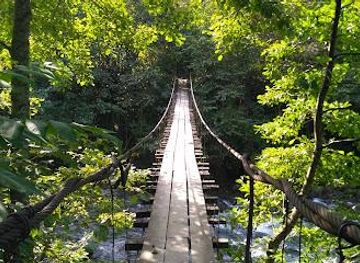
Explore Mtirala National Park: A lush Georgian paradise with hiking, waterfalls, and unique biodiversity, just a short trip from Batumi.
-
Georgian
Barbarestan
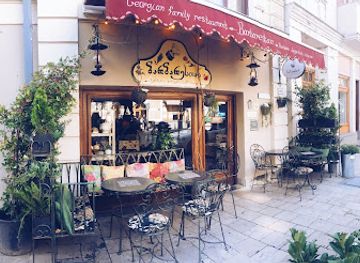
Experience 19th-century Georgian cuisine brought to life at Barbarestan, Tbilisi. A culinary journey through history and flavor.
-
Park
Shekvetili Dendrological Park פארק בוטני
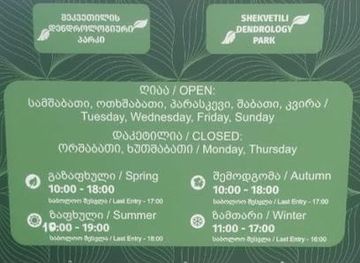
Explore a world of flora and fauna at Shekvetili Dendrological Park, a Black Sea oasis of biodiversity and natural beauty.
-
Park
Gomismta
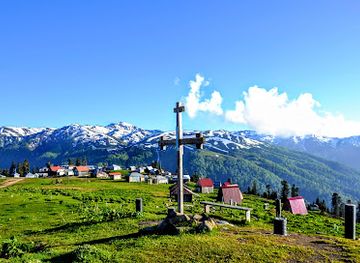
Escape to Gomismta, the 'Resort in Clouds' in Georgia's Guria region, for breathtaking views, pure mountain air, and an off-grid alpine experience.
Best landmarks in Guria
The Church of the Nativity at Likhauri is one of Guria's most significant historic religious buildings, standing near a medieval fortress site and reflecting the region's long connection with the Gurieli principality. Achi Church, in a wooded setting near Ozurgeti, is noted for its medieval architecture and religious importance, while Jumati Monastery occupies a prominent place in Guria's ecclesiastical history. Ozurgeti's urban landmarks are more modest but include institutions and streets shaped by its role as the region's administrative centre. On the coast, Ureki's dark magnetic sands form a natural landmark closely associated with Guria's seaside identity, and the wide beaches around Shekvetili create a contrasting open horizon. Inland, the forested slopes and highland pastures of Bakhmaro and Gomismta are geographical landmarks as much as recreational destinations, marking the transition from humid lowland agriculture to the Lesser Caucasus. The Supsa River and its valley provide another defining natural feature, linking villages, farmland and transport routes between the interior and the Black Sea.
-
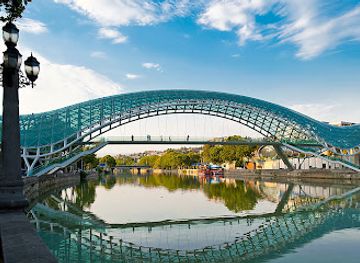
Bridge
Bridge of Peace
Discover Tbilisi's architectural gem, the Bridge of Peace, where modern design meets Georgian heritage, offering breathtaking views and cultural significance.
-
Tourist attraction
Batumi Piazza Square
Experience the vibrant culture and stunning architecture of Batumi Piazza Square, a must-visit destination in Georgia's coastal gem.
-
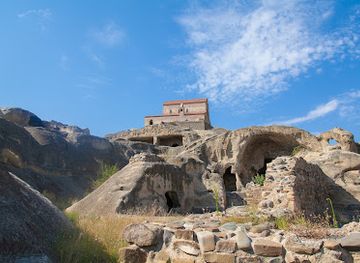
Historical landmark
Uplistsikhe
Discover the ancient rock-hewn town of Uplistsikhe in Georgia, a UNESCO World Heritage site rich in history and breathtaking views.
-
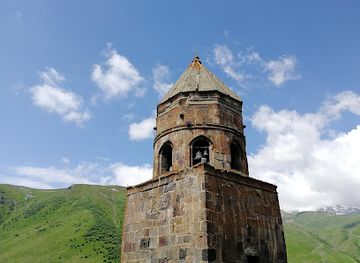
Orthodox church
Gergeti Trinity Church
Explore the breathtaking Gergeti Trinity Church, a stunning Orthodox gem amidst the Caucasus Mountains, rich in history and scenic beauty.
Explore Guria on the map
Plan your trip on one map. See where the top cities, national parks and sights are, and book hotels and experiences in a few clicks.
Best hotels in Guria
Best restaurants in Guria
Gurian food belongs to the broader culinary tradition of western Georgia but has several recognisable local expressions. The region's best-known speciality is Gurian khachapuri, a crescent-shaped cheese bread traditionally containing boiled egg; it is particularly associated with festive meals and winter celebrations. Corn-based dishes, beans, walnuts, fresh herbs, cheese, citrus, hazelnuts and seasonal vegetables reflect the warm, damp climate and household agriculture. In coastal areas, restaurants may serve Black Sea fish alongside Georgian staples, while inland guesthouses often offer home-cooked meals, locally made wine and chacha. Ozurgeti has the widest choice of cafés, bakeries and restaurants, but rural accommodation can provide a more direct introduction to Gurian cooking when arranged in advance. Markets and small shops are useful for fruit, churchkhela, nuts and regional produce. Tea remains an important part of Guria's identity, and tastings or visits to small producers may be available, although the extent of commercial access changes from place to place.
-
Georgian
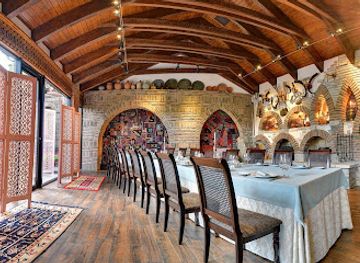
Ethno Tsiskvili
Savor authentic Georgian flavors at Ethno Tsiskvili, Tbilisi's cherished destination for traditional cuisine and cultural experiences.
-
Georgian
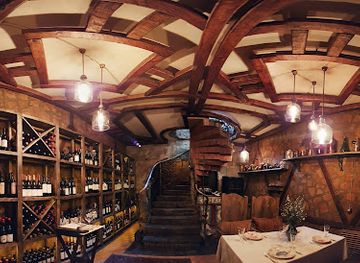
Barbarestan
Experience authentic Georgian cuisine at Barbarestan in Tbilisi – where tradition meets modernity in every delicious bite.
-
Restaurant
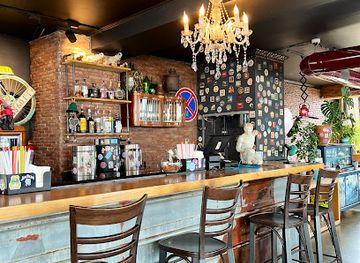
Drunk Cherry Restaurant
Discover the flavors of Georgia at Drunk Cherry Restaurant in Gudauri - where every meal is a celebration of local culture.
-
Seafood
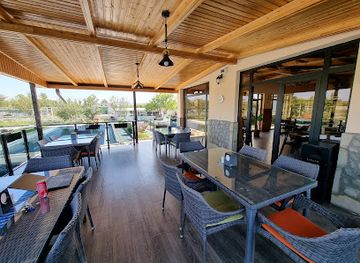
Restaurant Fish House
Experience the best seafood in Gori at Fish House - where fresh flavors meet Georgian culinary traditions.
Best bars in Guria
Guria is not a major clubbing destination, and evening life is mainly centred on family restaurants, cafés, hotel terraces and traditional pubs or wine spaces. Ozurgeti has the region's most consistent choice of places for a relaxed drink or meal, while Ureki and Shekvetili become busier in the summer season, when seaside accommodation and restaurants stay active later. In rural villages and mountain resorts, evenings are quieter and often revolve around guesthouse dinners, conversation, Georgian wine and local music rather than formal nightlife. Visitors may encounter live music or festive gatherings, but these should be treated as occasional rather than guaranteed events. Bakhmaro and Gomismta are particularly seasonal, with a limited evening offer outside their main period. Drink responsibly, especially when travelling on mountain roads, and remember that hospitality does not require accepting every toast at a supra.
-
Pub
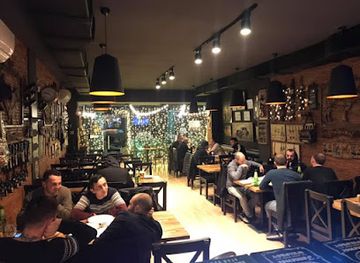
,,Beer House'' Pub-Restaurant
Discover the lively Beer House Pub-Restaurant in Poti, where local flavors and vibrant atmosphere come together for a memorable dining experience.
-
Restaurant
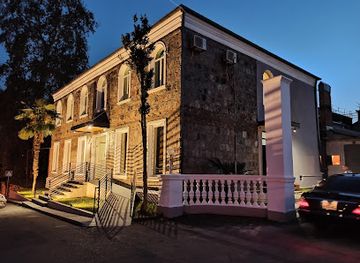
Tonusi
Discover Tonusi, Ozurgeti's premier restaurant offering authentic Georgian cuisine and a warm, inviting atmosphere for all occasions.
-
Bar
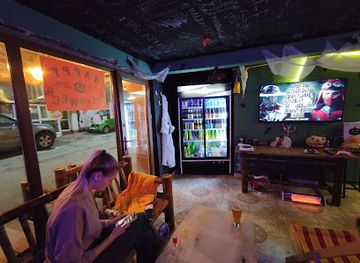
Piano Bar
Experience the vibrant nightlife of Kobuleti at Piano Bar, where live music meets delightful cocktails by the Black Sea.
-
Pub
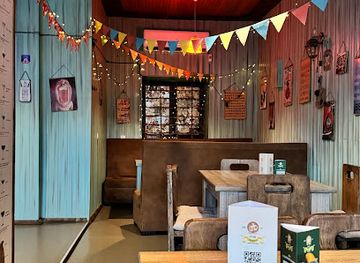
Terrace Pub
Experience the vibrant local culture at Terrace Pub, a cozy spot in Ozurgeti offering delicious food, refreshing drinks, and a welcoming atmosphere.
Best nightclubs in Guria
Guria is not a major clubbing destination, and evening life is mainly centred on family restaurants, cafés, hotel terraces and traditional pubs or wine spaces. Ozurgeti has the region's most consistent choice of places for a relaxed drink or meal, while Ureki and Shekvetili become busier in the summer season, when seaside accommodation and restaurants stay active later. In rural villages and mountain resorts, evenings are quieter and often revolve around guesthouse dinners, conversation, Georgian wine and local music rather than formal nightlife. Visitors may encounter live music or festive gatherings, but these should be treated as occasional rather than guaranteed events. Bakhmaro and Gomismta are particularly seasonal, with a limited evening offer outside their main period. Drink responsibly, especially when travelling on mountain roads, and remember that hospitality does not require accepting every toast at a supra.
-
Adult entertainment club
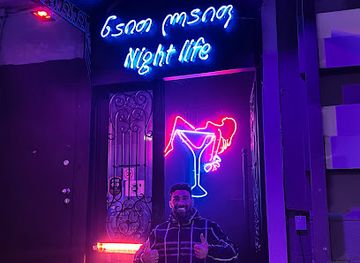
Night Life
Discover Tbilisi's lively nightlife at this adult entertainment club, where unforgettable experiences and vibrant disco beats await every night.
-
Night club
Night Office
Experience the pulse of Tbilisi’s nightlife at Night Office, a vibrant nightclub in the heart of Old Tbilisi offering unforgettable nights of music and dance.
-
Night club
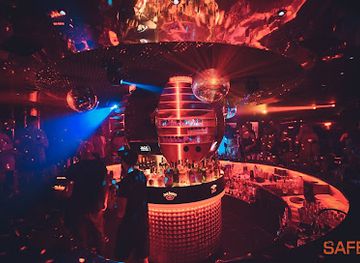
Safe Night Club
Discover the electrifying nightlife at Safe Night Club in Old Tbilisi, where great music and vibrant atmosphere await every night.
-
Night club
Mtkvarze
Discover Tbilisi's vibrant nightlife at Mtkvarze, a top-rated nightclub featuring electrifying music and a lively atmosphere.
Best shops in Guria
Shopping in Guria is primarily local and practical rather than centred on large retail complexes. Ozurgeti offers the broadest selection of supermarkets, small independent shops, bakeries and market stalls, while Lanchkhuti and Chokhatauri serve their surrounding agricultural districts. Visitors can look for Gurian tea, hazelnuts, citrus products, churchkhela, honey, preserves and bottles of local wine or chacha, subject to transport and customs rules when taking food or alcohol abroad. Small markets are useful for seasonal fruit, vegetables and herbs, although their opening patterns can vary. Craft purchases are more likely to come from guesthouses, village producers or occasional local fairs than from a dedicated souvenir quarter; ceramics, woven items and food products make more meaningful regional mementoes than generic imports. Coastal resorts have seasonal kiosks and holiday shops, particularly in Ureki and Shekvetili, but serious retail shopping is better handled in larger Georgian cities outside the region.
-
Electronics store
Modern
Explore the latest in technology at Modern, Ozurgeti's top electronics store, offering a diverse selection of gadgets and exceptional service.
-
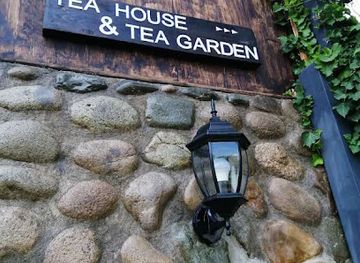
Tea house
Taba -Tea House & Tea Garden
Experience the tranquil charm of Taba - Tea House & Tea Garden, where exquisite teas and a serene atmosphere await your discovery.
-
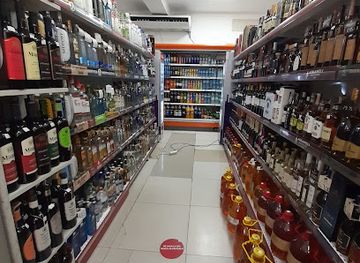
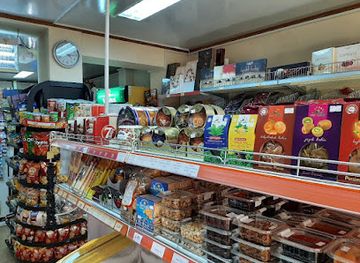
Supermarket
ჭანუყვაძეების Marketi ნეპტუნი
Explore the flavors of Georgia at ჭანუყვაძეების Marketi ნეპტუნი, a vibrant supermarket in Ozurgeti showcasing local delights and fresh produce.
-
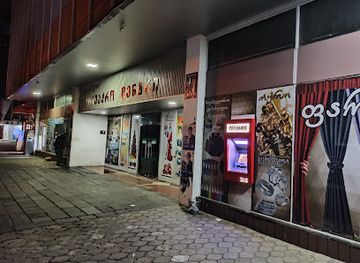
Shopping mall
Imedi
Discover the vibrant Imedi Shopping Mall in Ozurgeti, where shopping meets culture in a delightful experience for every traveler.
Get your free copy of our complete guide to Guria, delivered straight to you.
Everything on this page, from attractions and restaurants to essentials and local phrases, in one PDF you can read offline, print or share.
Already have an account? Sign in
Your Guria guide is ready.
We'll send it to · Not you? Sign out

Getting your guide ready…
We are putting together a fresh copy of the Guria guide. This can take up to a minute.
This can take a few moments. If your browser asks, choose Allow so the download can start. You'll find the guide in your Downloads folder.
Nothing happened? Download it again
Sorry, the guide is taking longer than usual. Please try again in a minute, or get it by email instead.
Guria essentials
Currency and Payment
Safety
Emergency Situations
Do's and Don'ts
Local Tips
From Eve
Local phrases worth knowing
You don't need to get them perfect. A few words go a long way, and locals appreciate the effort.
Basics
| English | Local | Say it |
|---|---|---|
| Hello | Hey | [Hey] |
| Goodbye | See ya | [See ya] |
| Yes | Yep | [Yep] |
| No | Nope | [Nope] |
| Please/You're welcome | No problem | [No problem] |
| Thank you | Thanks | [Thanks] |
| Excuse me/Sorry | Sorry | [Sorry] |
| How are you? | How ya doin'? | [How ya doin'?] |
| Fine. And you? | Good. And you? | [Good. And you?] |
| Do you speak English? | You speak English? | [You speak English?] |
| I don't understand | I don't get it | [I don't get it] |
Eating & Drinking
| English | Local | Say it |
|---|---|---|
| I'd like to see the menu, please | Can I see the menu? | [Can I see the menu?] |
| I don't eat meat | I'm a vegetarian | [I'm a vegetarian] |
| Cheers! | Cheers! | [Cheers!] |
| I would like to pay, please | Can I get the check? | [Can I get the check?] |
Emergencies
| English | Local | Say it |
|---|---|---|
| Help! | Help! | [Help!] |
| Go away! | Leave me alone! | [Leave me alone!] |
| Call the Police! | Call the cops! | [Call the cops!] |
| Call a doctor! | Get me a doctor! | [Get me a doctor!] |
| I'm lost | I'm lost | [I'm lost] |
| I'm ill | I'm not feeling well | [I'm not feeling well] |
Shopping
| English | Local | Say it |
|---|---|---|
| I'd like to buy... | I wanna buy... | [I wanna buy...] |
| I'm just looking | Just browsing | [Just browsing] |
| How much is it? | What’s the price? | [What’s the price?] |
| That's too expensive | That's too pricey | [That's too pricey] |
| Can you lower the price? | Can you give me a deal? | [Can you give me a deal?] |
Time & Numbers
| English | Local | Say it |
|---|---|---|
| What time is it? | What time is it? | [What time is it?] |
| It's one o'clock | It's one o'clock | [It's one o'clock] |
| Half past (10) | Half past ten | [Half past ten] |
| Morning | Morning | [Morning] |
| Afternoon | Afternoon | [Afternoon] |
| Evening | Evening | [Evening] |
| Yesterday | Yesterday | [Yesterday] |
| Today | Today | [Today] |
| Tomorrow | Tomorrow | [Tomorrow] |
| 1 | One | [One] |
| 2 | Two | [Two] |
| 3 | Three | [Three] |
| 4 | Four | [Four] |
| 5 | Five | [Five] |
| 6 | Six | [Six] |
| 7 | Seven | [Seven] |
| 8 | Eight | [Eight] |
| 9 | Nine | [Nine] |
| 10 | Ten | [Ten] |
Transport & Directions
| English | Local | Say it |
|---|---|---|
| Where's a/the...? | Where's the ...? | [Where's the ...?] |
| What's the address? | What's the address? | [What's the address?] |
| Can you show me (on the map)? | Can you show me on the map? | [Can you show me on the map?] |
| When's the next (bus)? | When's the next bus? | [When's the next bus?] |
| A ticket (to ....) | A ticket to ... | [A ticket to ...] |
History of Guria
Colchis and the Ancient Western Georgian World
Guria formed part of the wider cultural landscape of ancient Colchis, the kingdom associated with the eastern Black Sea and western Georgia. Fertile river valleys, access to the coast and links across the surrounding lowlands encouraged settlement and exchange, although the ancient political boundaries do not correspond neatly to the modern region. Archaeological evidence across western Georgia points to long traditions of agriculture, metalworking and maritime contact. Guria's later history grew from this western Georgian foundation, shaped by the interaction of local communities with Greek, Roman, Byzantine and other powers connected to the Black Sea.
Christianity and Medieval Guria
Christianity became a defining force in western Georgia from late antiquity onwards, and Guria's churches preserve evidence of the region's medieval religious culture. Rural sanctuaries at Achi and Likhauri, along with the monastery complex at Jumati, reflect changing architectural and artistic traditions and the importance of local ecclesiastical centres. The region's valleys and passes connected settlements to the broader Georgian kingdoms, while fortified sites protected communities and routes. Many surviving buildings were altered or repaired over centuries, so their value lies both in their architecture and in the continuous religious traditions associated with them.
The Gurieli Principality
From the late medieval period, Guria was governed by the Gurieli dynasty, whose rulers held the title of princes and played an important role in the politics of western Georgia. The principality occupied a strategically exposed position between the Black Sea, neighbouring western Georgian states and the Ottoman sphere of influence. Courts, churches and fortifications supported the authority of the dynasty, while local nobles and religious institutions managed estates and communities. Ozurgeti and the surrounding historic settlements retain traces of this period, even though political control shifted repeatedly before Guria was incorporated into the Russian Empire.
Russian Annexation and Imperial Transformation
Guria entered the Russian imperial system during the nineteenth century as Russian influence expanded across western Georgia. The change brought new administrative structures, military roads and commercial connections, while also altering the balance of local aristocratic and religious authority. The region remained predominantly agricultural, producing crops suited to its warm, wet climate and maintaining strong village networks. Imperial rule also tied Guria more closely to the Black Sea ports and wider markets. These developments laid foundations for later transport expansion and the commercial cultivation of tea and other subtropical products.
The 1905 Gurian Republic
Guria became one of the most politically active parts of the Russian Empire during the upheavals of 1905. Peasant communities organised local committees, resisted imperial officials and developed forms of self-government in a movement often described as the Gurian Republic. The uprising was shaped by land, taxation and political grievances as well as wider revolutionary ideas, and it was eventually suppressed by imperial forces. Its significance extends beyond the region: the episode demonstrated the organisational strength of Gurian villages and remains an important chapter in the social and political history of Georgia.
Soviet Tea and Agricultural Modernisation
During the Soviet period, Guria became one of Georgia's important tea-growing areas. Plantations spread across the humid foothills, and processing facilities, collective farms and transport links reshaped rural employment and settlement. Tea joined longstanding crops such as maize, citrus and grapes, giving the region a distinctive agricultural economy. Production declined sharply after the collapse of the Soviet Union, when markets and farming structures were disrupted, but abandoned terraces and surviving plantations still mark the landscape. Recent interest in small-scale tea production has revived a connection that remains central to Guria's modern identity.
Post-Soviet Guria and Regional Tourism
Since Georgia's independence, Guria has combined traditional village agriculture with a gradual expansion of domestic and international tourism. The Black Sea resorts of Ureki and Shekvetili attract summer visitors, while Bakhmaro and Gomismta appeal to travellers seeking cooler mountain landscapes. Family guesthouses, local food and interest in tea, wine and rural heritage have created new opportunities, although the region remains less urbanised than Georgia's major tourist centres. Contemporary Guria is therefore shaped by both continuity and change: long-established hospitality and farming coexist with renewed attention to cultural landscapes and seasonal travel.
Guria in Photos
Browse through our photo collection highlighting the charm and character of the destination.
Neighbouring regions of Guria
The closest regions to Guria, if you have time for more than one.
-

-

-

-

-


Swipe for more regions
Explore more

Explore more of Georgia
Discover Georgia: A vibrant mix of ancient history, stunning landscapes, and warm hospitality at the crossroads of Europe and Asia.
Explore Georgia