

Free Abkhazia Travel Guide & Mobile App
Explore Abkhazia with free travel guides. Discover regional history, expert tips, proposed trips, and audio guides on web or mobile app.


Abkhazia combines Black Sea resorts, Caucasus valleys, subtropical landscapes and complex Georgian history, but access and legal conditions require careful planning.
Read more about Abkhazia
When is the best time to visit Abkhazia?
Best: May–June, September · 22–26°C| Month | High (°C) | Rainfall (mm) |
|---|---|---|
| January | 8 | 76 |
| February | 10 | 70 |
| March | 13 | 81 |
| April | 18 | 86 |
| May (best) | 22 | 90 |
| June (best) | 26 | 95 |
| July | 29 | 101 |
| August | 28 | 96 |
| September (best) | 24 | 90 |
| October | 18 | 86 |
| November | 12 | 80 |
| December | 8 | 76 |
Getting to and around Abkhazia
How to get there
Transportation
Best attractions in Abkhazia
Abkhazia's attractions range from subtropical Black Sea resorts to steep Caucasus landscapes. Sukhumi offers a seafront setting, the Abkhazian State Museum, the Sukhumi Botanical Garden and reminders of the city's long and disrupted history. Gagra is associated with resort architecture, coastal parks and views towards the foothills, while New Athos brings together a monastery complex, the New Athos Cave and dramatic limestone scenery. Inland, Lake Ritsa is the best-known natural destination, reached through wooded gorges and mountain roads; waterfalls, rivers and karst formations provide additional interest for visitors with suitable local guidance. The region also contains medieval churches, fortifications, archaeological remains and former Soviet sanatoria, although some sites are poorly maintained or difficult to access. Beaches and promenades are most developed near the larger coastal settlements, while the interior is better suited to cautious excursions, photography and nature observation than independent touring. Because transport, safety arrangements and opening conditions can change, attractions should be checked locally rather than treated as a conventional, fully serviced tourism circuit.
-
Tourist attraction
New Athos Cave ახალი ათონის მღვიმე
Explore the depths of Abkhazia's New Athos Cave: a stunning subterranean world of stalactites, lakes, and a unique cave railway.
-
Monastery
New Athos Monastery
Discover Abkhazia's spiritual heart: a majestic monastery blending Byzantine and Russian architecture with serene natural beauty.
-
Botanical garden
Sokhumi Botanical Garden
Discover a diverse collection of flora at one of the oldest botanical gardens in the Caucasus, a peaceful escape in the heart of Sokhumi.
-
Castle
Anacopia Fortress
Explore the ancient Anacopia Fortress in Abkhazia: History, stunning views, and medieval architecture await!


Best landmarks in Abkhazia
Sukhumi's seafront and harbour form the most recognisable urban landscape in Abkhazia, with the promenade, palm trees and surviving historic buildings reflecting the city's long role as a Black Sea port and resort. The Sukhumi Fortress, associated with successive ancient and medieval settlements, stands near the modern city centre, although its remains are fragmentary. In New Athos, the nineteenth-century monastery complex is a major religious and architectural landmark set beneath wooded mountains, while the nearby cave system illustrates the area's extensive karst geology. Gagra's early twentieth-century resort architecture and coastal park evoke the imperial and Soviet development of the shoreline. Beyond the towns, Lake Ritsa is the region's defining natural landmark: a deep mountain lake surrounded by forests and high Caucasus ridges. Medieval churches and fortifications in rural districts add historical depth, but access and preservation vary, and some sites require local guidance or prior permission.
-
Tourist attraction
New Athos Cave ახალი ათონის მღვიმე
Discover the mesmerizing beauty of New Athos Cave, a natural wonder in Georgia filled with stunning formations and rich history.
-
Monastery
New Athos Monastery
Explore the New Athos Monastery, a stunning blend of spirituality and natural beauty in Akhali Atoni, Georgia, perfect for travelers seeking tranquility and history.
-
Botanical garden
Sokhumi Botanical Garden
Explore the enchanting Sokhumi Botanical Garden, a lush haven of biodiversity and tranquility in Georgia, perfect for nature lovers and leisurely strolls.
-
Castle
Anacopia Fortress
Discover the majestic Anacopia Fortress in New Athos, a historical gem offering stunning views and a step back into medieval times.


Explore Abkhazia on the map
Plan your trip on one map. See where the top cities, national parks and sights are, and book hotels and experiences in a few clicks.
Best hotels in Abkhazia
Best restaurants in Abkhazia
Abkhazian food draws on western Caucasian, Black Sea and wider eastern European traditions. Meals commonly feature walnuts, herbs, beans, aubergines, fresh vegetables, grilled meat, dairy products and corn-based staples, with adjika providing a hot, aromatic accompaniment to many dishes. Abysta, a firm cornmeal preparation, is associated with Abkhaz cuisine, while local tables may also include khachapuri, soups, salads, smoked or grilled meats and fish from the Black Sea region. Sukhumi, Gagra and New Athos have the broadest choice of cafés, canteens and family-run restaurants, whereas rural dining is more dependent on private hosts and seasonal produce. Citrus, tea and other subtropical crops reflect the coastal climate, and walnuts and mountain honey are common regional products. Russian is prevalent in menus and service, and payment is usually in roubles; visitors should confirm ingredients, prices and payment methods before ordering.
-
Restaurant
Restaurant Gagra
Discover Restaurant Gagra: A culinary gem offering fresh seafood and local dishes with stunning coastal views.
-
 Hotel
Leon
Discover luxury and authentic Georgian cuisine at Leon Hotel in Sokhumi – your perfect getaway in Georgia's beautiful coastal city.
-
Cafe
Cafe Besedka
Experience the perfect blend of local flavors and cozy ambiance at Café Besedka in Gagra.
-
Restaurant
Restaurant «Mill»
Discover exceptional local cuisine and delightful pastries at Restaurant 'Mill', your culinary oasis in Gagra.


Best bars in Abkhazia
Evening life is concentrated in Sukhumi and the coastal resort towns rather than spread evenly across the region. Seafront cafés, restaurants, hotel bars and traditional-style establishments provide the main options, with activity increasing during the summer holiday period. Gagra has a resort-oriented evening atmosphere, while Sukhumi offers more year-round social life, including live music and casual cafés, though the scene is modest by the standards of a major Black Sea city. Smaller settlements generally become quiet after dinner, and rural areas are centred on guesthouses or private meals rather than formal nightlife. Seasonal entertainment can change from year to year, so current local information is more reliable than old listings. Visitors should remember that local transport may be limited late at night and that alcohol is not an essential part of experiencing Abkhaz culture.
-
Restaurant
Restaurant Gagra
Discover the culinary delights of Gagra at Restaurant Gagra, where local flavors meet international cuisine in a stunning setting.
-
Cafe
Cafe Besedka
Discover the flavors of Georgia at Cafe Besedka in Gagra, where local cuisine meets cozy ambiance for an unforgettable dining experience.
-
Restaurant
Amra Restaurant
Discover the heart of Georgian cuisine at Amra Restaurant in Sokhumi, where taste meets tradition in a cozy setting.
-
Bar
WILD
Experience the vibrant nightlife of Kutaisi at WILD, a modern bar offering exceptional drinks and a lively atmosphere.


Best nightclubs in Abkhazia
Evening life is concentrated in Sukhumi and the coastal resort towns rather than spread evenly across the region. Seafront cafés, restaurants, hotel bars and traditional-style establishments provide the main options, with activity increasing during the summer holiday period. Gagra has a resort-oriented evening atmosphere, while Sukhumi offers more year-round social life, including live music and casual cafés, though the scene is modest by the standards of a major Black Sea city. Smaller settlements generally become quiet after dinner, and rural areas are centred on guesthouses or private meals rather than formal nightlife. Seasonal entertainment can change from year to year, so current local information is more reliable than old listings. Visitors should remember that local transport may be limited late at night and that alcohol is not an essential part of experiencing Abkhaz culture.
-
Adult entertainment club
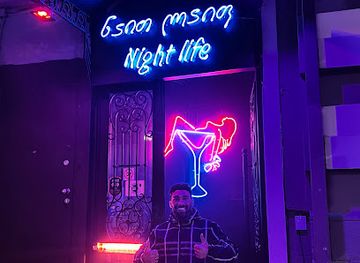
Night Life
Unveil the thrilling nightlife of Tbilisi with its vibrant clubs and unique entertainment options, perfect for an unforgettable evening.
-
Night club
Moon Night Club Batumi
Dive into Batumi's nightlife at Moon Night Club, where electrifying music meets a vibrant atmosphere for an unforgettable evening.
-
Bar
Reggae bar
Experience the vibrant rhythms and lively atmosphere of the Reggae Bar in Anaklia, where good music and great company await every visitor.
-
Night club
Bude
Experience the vibrant nightlife of Kutaisi at Bude, a lively night club with great music and delicious drinks.


Best shops in Abkhazia
Shopping in Abkhazia is practical and locally oriented, with the greatest choice in Sukhumi, Gagra and New Athos. Markets and small food shops offer seasonal citrus, tea, walnuts, honey, dried fruit, spices, preserves and other products associated with the subtropical coast and mountain villages. Visitors may also find local wine, although production, labelling and export rules should be checked before carrying bottles across borders. Informal stalls and small independent shops are more characteristic than large shopping centres, while resort towns sell beachwear, souvenirs and everyday goods. Crafts, woven items and decorative objects may appear in local markets, but provenance and quality vary; do not buy antiquities, archaeological material or objects that may have been removed from historic sites. The Russian rouble is the usual payment currency, and cash remains especially useful away from the main coastal centres.
-
Supermarket
Modinakhe Market
Discover the charm of local culture at Modinakhe Market, Sachkhere's vibrant supermarket filled with fresh produce and Georgian delicacies.
-
Grocery store
სმარტი / Smart
Explore the authentic tastes of Georgia at Smart Grocery Store in Sachkhere, where fresh ingredients and local specialties await.
-
Gift shop
ArtStudio KatrinGuskova
Explore ArtStudio KatrinGuskova in Sokhumi for unique handmade gifts and local art that embodies the spirit of Georgian creativity and culture.
-
Building materials store
BESO
Explore BESO in Sachkhere for an authentic experience in building materials and Georgian craftsmanship, perfect for DIY enthusiasts.


Get your free copy of our complete guide to Abkhazia, delivered straight to you.
Everything on this page, from attractions and restaurants to essentials and local phrases, in one PDF you can read offline, print or share.
Already have an account? Sign in
Your Abkhazia guide is ready.
We'll send it to · Not you? Sign out

Getting your guide ready…
We are putting together a fresh copy of the Abkhazia guide. This can take up to a minute.
This can take a few moments. If your browser asks, choose Allow so the download can start. You'll find the guide in your Downloads folder.
Nothing happened? Download it again
Sorry, the guide is taking longer than usual. Please try again in a minute, or get it by email instead.
Abkhazia essentials
Currency and Payment
Safety
Emergency Situations
Do's and Don'ts
Local Tips
From Eve
Local phrases worth knowing
You don't need to get them perfect. A few words go a long way, and locals appreciate the effort.
Basics
| English | Local | Say it |
|---|---|---|
| Hello | Салам | [Salam] |
| Goodbye | Дабра | [Dabra] |
| Yes | Да | [Da] |
| No | Нет | [Net] |
| Please/You're welcome | Пожалуйста | [Pozhaluysta] |
| Thank you | Спасибо | [Spasibo] |
| Excuse me/Sorry | Извините | [Izvinite] |
| How are you? | Как дела? | [Kak dela?] |
| Fine. And you? | Хорошо. А ты? | [Khorosho. A ty?] |
| Do you speak English? | Вы говорите по-английски? | [Vy govorite po-angliyski?] |
| I don't understand | Я не понимаю | [Ya ne ponimayu] |
Eating & Drinking
| English | Local | Say it |
|---|---|---|
| I'd like to see the menu, please | Я бы хотел увидеть меню, пожалуйста | [Ya by khotel uvidet menyu, pozhaluysta] |
| I don't eat meat | Я не ем мясо | [Ya ne yem myaso] |
| Cheers! | На здоровье! | [Na zdorov'ye!] |
| I would like to pay, please | Я бы хотел заплатить, пожалуйста | [Ya by khotel zaplatit, pozhaluysta] |
Emergencies
| English | Local | Say it |
|---|---|---|
| Help! | Помогите! | [Pomogite!] |
| Go away! | Уходите! | [Ukhodite!] |
| Call the Police! | Вызовите полицию! | [Vyzovite politsiyu!] |
| Call a doctor! | Вызовите врача! | [Vyzovite vracha!] |
| I'm lost | Я потерялся | [Ya poteryalsya] |
| I'm ill | Я болен | [Ya bolen] |
Shopping
| English | Local | Say it |
|---|---|---|
| I'd like to buy... | Я бы хотел купить... | [Ya by khotel kupit...] |
| I'm just looking | Я просто смотрю | [Ya prosto smotryu] |
| How much is it? | Сколько это стоит? | [Skol'ko eto stoit?] |
| That's too expensive | Это слишком дорого | [Eto slishkom dorogo] |
| Can you lower the price? | Можете снизить цену? | [Mozhete snizit' tsenu?] |
Time & Numbers
| English | Local | Say it |
|---|---|---|
| What time is it? | Который час? | [Kotoryy chas?] |
| It's one o'clock | Один час | [Odin chas] |
| Half past (10) | Половина (десятого) | [Polovina (desyatogo)] |
| Morning | Утро | [Utro] |
| Afternoon | День | [Den'] |
| Evening | Вечер | [Vecher] |
| Yesterday | Вчера | [Vchera] |
| Today | Сегодня | [Segodnya] |
| Tomorrow | Завтра | [Zavtra] |
| 1 | Один | [Odin] |
| 2 | Два | [Dva] |
| 3 | Три | [Tri] |
| 4 | Четыре | [Chetyre] |
| 5 | Пять | [Pyat'] |
| 6 | Шесть | [Shest'] |
| 7 | Семь | [Syem'] |
| 8 | Восемь | [Vosem'] |
| 9 | Девять | [Dyev'yat'] |
| 10 | Десять | [Deysyat'] |
Transport & Directions
| English | Local | Say it |
|---|---|---|
| Where's a/the...? | Где находится...? | [Gde nakhoditsya...?] |
| What's the address? | Какой адрес? | [Kakoy adres?] |
| Can you show me (on the map)? | Можете показать мне (на карте)? | [Mozhete pokazat' mne (na karte)?] |
| When's the next (bus)? | Когда следующий (автобус)? | [Kogda sleduyushchiy (avtobus)?] |
| A ticket (to ....) | Билет (в....) | [Bilet (v....)] |
History of Abkhazia
Ancient Colchis and the Black Sea Coast
The territory of Abkhazia formed part of the wider eastern Black Sea world associated in antiquity with Colchis and later with kingdoms and coastal communities influenced by Greek, Roman and Byzantine trade. Harbours and settlements connected the coast with maritime routes, while mountain valleys supported agriculture, pastoralism and local exchange. Archaeological remains, including fortifications, churches and settlement sites, testify to repeated cultural contact rather than a single uninterrupted political identity. The coastal position brought commerce and outside influence, but the difficult Caucasus terrain also enabled local communities to retain distinctive languages and traditions.
Medieval Abkhazia and Georgian Kingdoms
During the medieval period, Abkhazian rulers and neighbouring Georgian dynasties were closely connected through changing alliances, marriages, religious institutions and political structures. The medieval Kingdom of Abkhazia expanded its influence eastwards before developments in the tenth century contributed to the formation of a larger Georgian kingdom. Christianity became deeply established, and churches and monasteries were built across the region. The legacy of this period is visible in ecclesiastical architecture and inscriptions, although modern political narratives often interpret the shared medieval past differently.
Ottoman and Russian Expansion
From the sixteenth century, Ottoman influence grew along parts of the eastern Black Sea, while local rulers balanced relationships with larger powers in the Caucasus. The Russian Empire expanded into the region during the nineteenth century and incorporated Abkhazia after conflicts and treaties reshaped western Georgia. War, population displacement and administrative change followed. The nineteenth century also brought new military roads, settlements and imperial infrastructure, while the demographic composition of the territory was altered by migration, deportation and the arrival of communities from elsewhere in the empire.
Soviet Abkhazia and Resort Development
After the Russian Revolution and the establishment of Soviet rule in the Caucasus, Abkhazia was incorporated into the Soviet system in changing constitutional forms before becoming an autonomous republic within the Georgian Soviet Socialist Republic. Soviet authorities developed the Black Sea coast as a resort zone, especially around Gagra, Sukhumi and New Athos. Sanatoria, promenades, parks and transport links transformed the coastal economy. Agriculture, tea, citrus cultivation and subtropical horticulture also expanded, while Sukhumi became an important educational and scientific centre.
The War of 1992–93
As the Soviet Union dissolved, conflict broke out between Georgian government forces and Abkhaz forces supported by fighters and assistance from across the North Caucasus and Russia. The war of 1992–93 caused extensive destruction, mass displacement and severe human suffering. Georgian forces withdrew from most of the territory, while the conflict left deep and competing memories among Abkhaz, Georgian and other communities. The unresolved political status established after the war has shaped movement, property questions, cultural heritage and international engagement ever since.
The 2008 War and Contemporary Status
Following escalating tensions in the wider Georgian conflict zones, the Russo-Georgian war of August 2008 further transformed Abkhazia's security and diplomatic position. Russia subsequently recognised Abkhazia as an independent state, followed by a small number of other countries, while Georgia and most of the international community continue to regard it as part of Georgia. Russian military and economic involvement remains central to the territory's external relations. The result is a politically isolated destination where travel procedures, legal authority and consular access differ sharply from those in government-controlled Georgia.
Abkhazia in Photos
Browse through our photo collection highlighting the charm and character of the destination.
Neighbouring regions of Abkhazia
The closest regions to Abkhazia, if you have time for more than one.
-

-

-

-

-


Swipe for more regions
Explore more

Explore more of Georgia
Discover Georgia: A vibrant mix of ancient history, stunning landscapes, and warm hospitality at the crossroads of Europe and Asia.
Explore Georgia