

Free Adjara Travel Guide & Mobile App
Explore Adjara with free travel guides. Discover regional history, expert tips, proposed trips, and audio guides on web or mobile app.


Explore Adjara for Batumi's Black Sea culture, Roman heritage, subtropical gardens, mountain villages, forests and distinctive Adjarian cuisine.
Read more about Adjara
When is the best time to visit Adjara?
Best: May–June, September · 24–28°C| Month | High (°C) | Rainfall (mm) |
|---|---|---|
| January | 10 | 170 |
| February | 11 | 140 |
| March | 15 | 120 |
| April | 19 | 110 |
| May (best) | 24 | 100 |
| June (best) | 28 | 90 |
| July | 30 | 80 |
| August | 30 | 90 |
| September (best) | 26 | 100 |
| October | 20 | 120 |
| November | 14 | 130 |
| December | 10 | 150 |
Getting to and around Adjara
How to get there
Transportation
Best attractions in Adjara
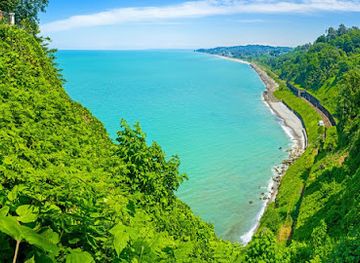
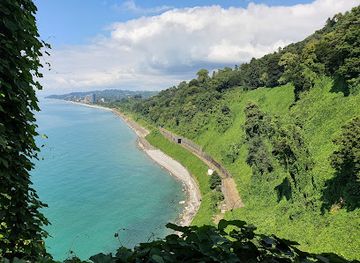
Adjara's attractions range from Batumi's seafront parks, museums and contemporary architecture to forests, waterfalls and historic villages inland. The Gonio-Apsaros Fortress offers the region's clearest Roman-era monument, while the Batumi Botanical Garden combines coastal views with plant collections spread across a steep, humid landscape. Nature travellers can explore the protected forests of Mtirala and Machakhela national parks, subject to local trail conditions and guidance. The Acharistsqali valley leads towards Makhuntseti Waterfall, stone bridges and the mountain towns of Keda, Shuakhevi and Khulo. Kobuleti Protected Areas provide a contrasting wetland and coastal environment north of Batumi. In winter, Goderdzi is a centre for snow-based recreation in the highlands, while warmer months favour hiking, village stays and scenic drives. The region's appeal lies in the proximity of very different environments: a sophisticated Black Sea city, subtropical gardens, historic frontier sites and sparsely settled mountain country.
-
Tourist attraction
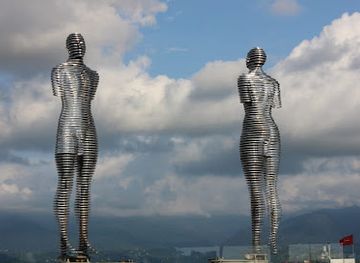
Ali & Nino Statue
Experience the enchanting Ali & Nino statue in Batumi, a symbol of eternal love and cultural harmony on the Black Sea coast.
-
Botanical garden
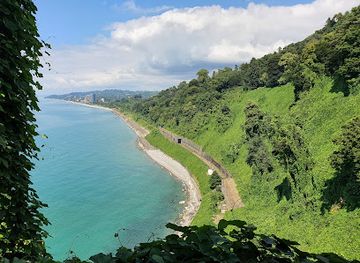
Batumi Botanical Garden
Discover a world of plants and stunning Black Sea views at Batumi's enchanting Botanical Garden.
-
Tourist attraction
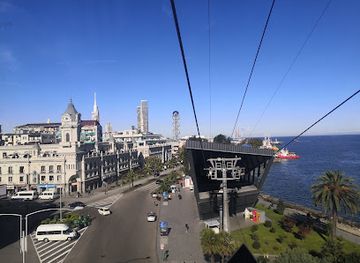
Argo Cable Car
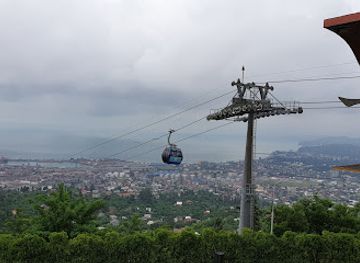
Experience Batumi from above with a scenic cable car ride to panoramic views, cultural attractions, and dining at the Argo complex.
-
Park
6 May Park
Escape to Batumi's 6 May Park: a historic green oasis with a lake, zoo, dolphinarium, and tranquil atmosphere for all ages.
Best landmarks in Adjara
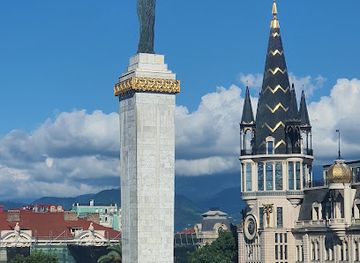
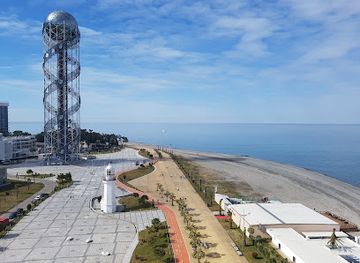
The massive stone walls of Gonio-Apsaros Fortress are Adjara's most important ancient landmark, enclosing the remains of the Roman frontier settlement near the Turkish border. In Batumi, the Alphabet Tower and the moving Ali and Nino sculpture have become prominent modern symbols of the city, while the historic streets around the port preserve evidence of its nineteenth-century commercial expansion. The Batumi Boulevard provides a long civic seafront landscape of gardens, monuments and public spaces rather than a single historic structure. Inland, the arched stone bridge at Makhuntseti reflects the engineering of older valley routes, and the waterfall beside it has become a recognisable natural feature. In the highlands, dispersed mosques, churches, wooden homes and mountain villages convey Adjara's mixed religious and architectural heritage more effectively than monumental urban buildings.
-
Tourist attraction
Ali & Nino Statue
Discover the Ali & Nino Statue in Batumi, a captivating symbol of love and unity, beautifully merging art with the stunning Black Sea backdrop.
-
Botanical garden
Batumi Botanical Garden
Discover the breathtaking beauty of Batumi Botanical Garden, a lush paradise offering diverse plant species and stunning views of the Black Sea.
-
Park
Batumi Boulevard
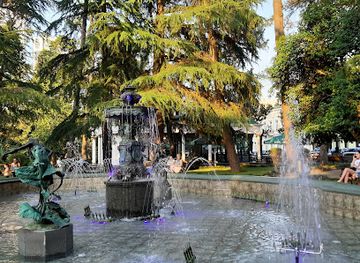
Discover the charm of Batumi Boulevard, where art meets nature along the stunning Black Sea coast, perfect for relaxation and cultural exploration.
-
Tourist attraction
Argo Cable Car
Discover the breathtaking views of Batumi and the Black Sea from the Argo Cable Car, a must-see attraction for every traveler.
Explore Adjara on the map
Plan your trip on one map. See where the top cities, national parks and sights are, and book hotels and experiences in a few clicks.
Best hotels in Adjara
Best restaurants in Adjara
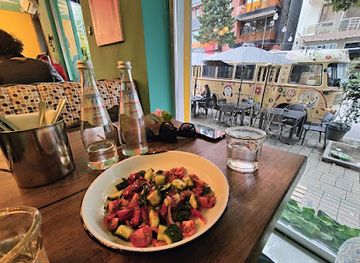
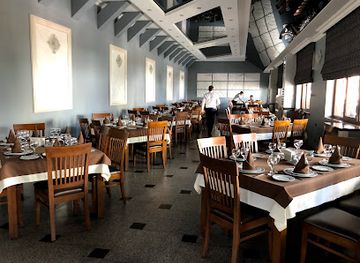
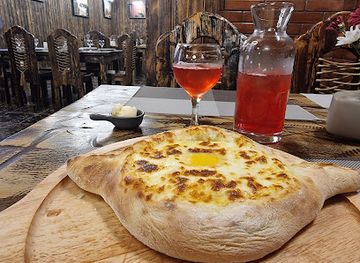
Adjara has one of Georgia's most recognisable regional cuisines, centred on Adjarian khachapuri: a boat-shaped bread filled with cheese and finished with egg and butter. Local tables may also feature borano, a rich cheese dish, and sinori, made with layers of pastry and dairy, alongside grilled meats, beans, fresh herbs and seasonal vegetables. Batumi offers the widest choice, from traditional Georgian dining rooms and bakeries to modern restaurants, cafés and Black Sea fish venues. In Kobuleti and other coastal settlements, fish and seafood are natural choices, while mountain guesthouses often serve homemade dairy products, breads, preserves and locally sourced dishes. Tea, citrus fruit, hazelnuts and other subtropical produce reflect Adjara's climate. Markets and small food shops are useful for churchkhela, fruit, cheese and regional snacks, although availability changes with the season.
-
Cafe
Freeduchio
Experience the best vegetarian delights at Freeduchio in Batumi—where every meal is crafted with love and local flavors.
-
Georgian
Tavaduri
Experience authentic Georgian flavors at Tavaduri in Batumi – home to exquisite khinkali and traditional dishes crafted with love.
-
Georgian
Pirosmani
Experience authentic Georgian flavors at Pirosmani in Batumi – home to delicious khinkali and warm hospitality.
-
Tourist attraction
Batumi Alphabet Tower
Discover Batumi Alphabet Tower: A stunning tribute to Georgia's unique script with panoramic views over Batumi's beautiful coastline.
Best bars in Adjara
Batumi has Adjara's most developed evening scene, with seafront cafés, wine bars, hotel lounges, restaurants, live music venues and a selection of late-night clubs, particularly during the warmer tourist season. The city's nightlife is more varied and extended than that of the mountain districts, where evenings generally centre on family hospitality, restaurants, small cafés and traditional village guesthouses. Kobuleti also has seasonal restaurants and bars along its coastal strip, though the atmosphere is typically more relaxed than Batumi's. Georgian wine is widely available, and local beer and chacha may appear alongside international drinks. Visitors should check current arrangements for individual venues, as opening patterns and seasonal activity change. In rural areas, plan transport home in advance rather than assuming late public services.
-
Georgian
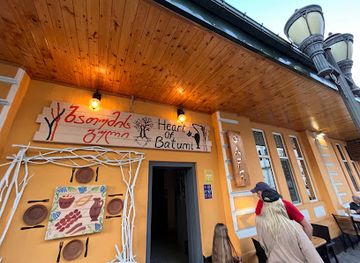
Heart of Batumi
Experience authentic Georgian cuisine at the Heart of Batumi, where every dish tells a story of tradition and culture in a warm, inviting atmosphere.
-
Bar
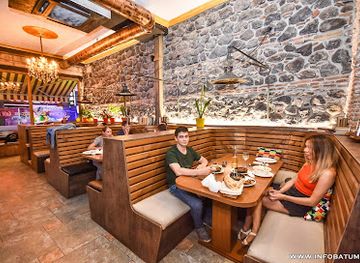
Cafe Adjara Old House RestoBar
Experience the authentic taste of Georgian cuisine at Cafe Adjara Old House RestoBar, a vibrant bar and restaurant in Batumi.
-
Bar
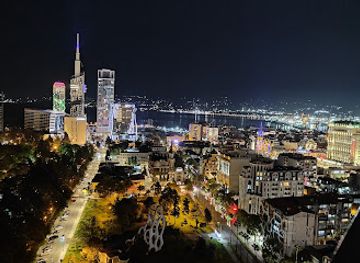
360 Sky Bar
Discover the heights of Batumi’s nightlife at 360 Sky Bar, where stunning views and delectable dining create unforgettable experiences.
-
Restaurant
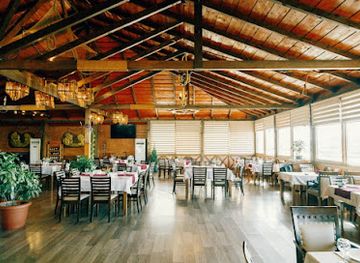
Black Sea - Fish Restaurant in Batumi
Experience the best of Batumi's seafood at the Black Sea Fish Restaurant, where fresh flavors meet stunning coastal views.
Best nightclubs in Adjara
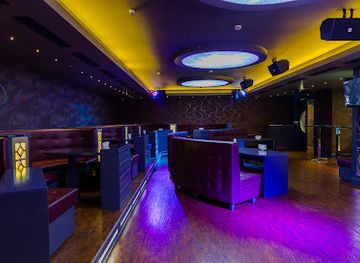
Batumi has Adjara's most developed evening scene, with seafront cafés, wine bars, hotel lounges, restaurants, live music venues and a selection of late-night clubs, particularly during the warmer tourist season. The city's nightlife is more varied and extended than that of the mountain districts, where evenings generally centre on family hospitality, restaurants, small cafés and traditional village guesthouses. Kobuleti also has seasonal restaurants and bars along its coastal strip, though the atmosphere is typically more relaxed than Batumi's. Georgian wine is widely available, and local beer and chacha may appear alongside international drinks. Visitors should check current arrangements for individual venues, as opening patterns and seasonal activity change. In rural areas, plan transport home in advance rather than assuming late public services.
-
Night club
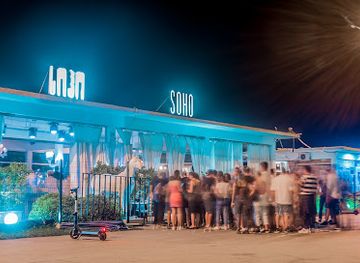
SOHO Batumi
Discover the pulse of Batumi at SOHO Batumi, a premier nightclub known for its vibrant atmosphere and electrifying music that keeps the party alive.
-
Karaoke bar
Rai Karaoke & Lounge Club
Experience the vibrant nightlife of Batumi at Rai Karaoke & Lounge Club, where karaoke, cocktails, and live music create unforgettable memories.
-
Lounge
Jasmine Lounge Bar
Experience the vibrant nightlife and exquisite drinks at Jasmine Lounge Bar, the perfect spot to unwind in Batumi.
-
Beach pavillion
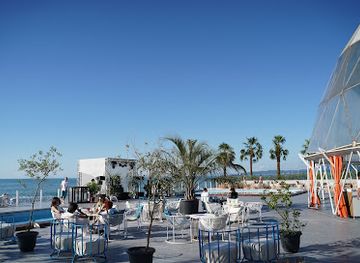
Sphere • სფერო
Experience the perfect blend of beach relaxation and vibrant nightlife at Sphere, Batumi's premier coastal pavilion.

Best shops in Adjara
Batumi provides Adjara's broadest shopping choice, with modern retail, supermarkets, independent boutiques, bookshops, food stores and long-established market areas. The city's central streets are useful for Georgian wine, churchkhela, spices, tea, preserves, honey and packaged hazelnuts, while small galleries and craft shops may stock ceramics, textiles and jewellery. Kobuleti and the larger inland towns have more modest high streets and seasonal stalls, with shopping focused on practical goods and local produce rather than international luxury brands. Farmers' markets offer the most direct connection with the region's subtropical agriculture, including citrus fruit, herbs and seasonal vegetables. In mountain districts, guesthouses and village producers may sell cheese, honey, dried fruit and preserves, but availability is informal and variable. When buying crafts or food products, ask about ingredients and transport restrictions, especially for liquids and animal products.
-
Shopping mall
Batumi Mall
Discover Batumi Mall: Your ultimate shopping destination in Georgia offering fashion, dining, and entertainment all in one place.
-
Market
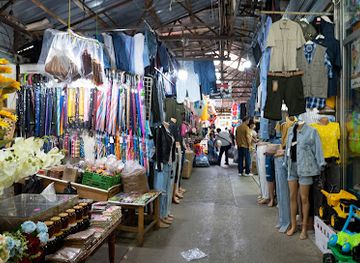
Hopa Bazar
Explore Hopa Bazar in Batumi for a vibrant market experience filled with local products, culture, and delicious Georgian cuisine.
-
Department store
Metro City Forum AVM
Explore Batumi's Metro City Forum AVM for shopping, dining, and fun in a vibrant atmosphere ideal for families and tourists.
-
Clothing store
LC Waikiki
Discover stylish clothing and accessories for the whole family at LC Waikiki in Batumi, where quality meets affordability.

Get your free copy of our complete guide to Adjara, delivered straight to you.
Everything on this page, from attractions and restaurants to essentials and local phrases, in one PDF you can read offline, print or share.
Already have an account? Sign in
Your Adjara guide is ready.
We'll send it to · Not you? Sign out

Getting your guide ready…
We are putting together a fresh copy of the Adjara guide. This can take up to a minute.
This can take a few moments. If your browser asks, choose Allow so the download can start. You'll find the guide in your Downloads folder.
Nothing happened? Download it again
Sorry, the guide is taking longer than usual. Please try again in a minute, or get it by email instead.
Adjara essentials
Currency and Payment
Safety
Emergency Situations
Do's and Don'ts
Local Tips
From Eve
Local phrases worth knowing
You don't need to get them perfect. A few words go a long way, and locals appreciate the effort.
Basics
| English | Local | Say it |
|---|---|---|
| Hello | Hello | [Hello] |
| Goodbye | Goodbye | [Goodbye] |
| Yes | Yes | [Yes] |
| No | No | [No] |
| Please/You're welcome | Please/You're welcome | [Please/You're welcome] |
| Thank you | Thank you | [Thank you] |
| Excuse me/Sorry | Excuse me/Sorry | [Excuse me/Sorry] |
| How are you? | How are you? | [How are you?] |
| Fine. And you? | Fine. And you? | [Fine. And you?] |
| Do you speak English? | Do you speak English? | [Do you speak English?] |
| I don't understand | I don't understand | [I don't understand] |
Eating & Drinking
| English | Local | Say it |
|---|---|---|
| I'd like to see the menu, please | I'd like to see the menu, please | [I'd like to see the menu, please] |
| I don't eat meat | I don't eat meat | [I don't eat meat] |
| Cheers! | Cheers! | [Cheers!] |
| I would like to pay, please | I would like to pay, please | [I would like to pay, please] |
Emergencies
| English | Local | Say it |
|---|---|---|
| Help! | Help! | [Help!] |
| Go away! | Go away! | [Go away!] |
| Call the Police! | Call the Police! | [Call the Police!] |
| Call a doctor! | Call a doctor! | [Call a doctor!] |
| I'm lost | I'm lost | [I'm lost] |
| I'm ill | I'm ill | [I'm ill] |
Shopping
| English | Local | Say it |
|---|---|---|
| I'd like to buy... | I'd like to buy... | [I'd like to buy...] |
| I'm just looking | I'm just looking | [I'm just looking] |
| How much is it? | How much is it? | [How much is it?] |
| That's too expensive | That's too expensive | [That's too expensive] |
| Can you lower the price? | Can you lower the price? | [Can you lower the price?] |
Time & Numbers
| English | Local | Say it |
|---|---|---|
| What time is it? | What time is it? | [What time is it?] |
| It's one o'clock | It's one o'clock | [It's one o'clock] |
| Half past (10) | Half past (10) | [Half past (10)] |
| Morning | Morning | [Morning] |
| Afternoon | Afternoon | [Afternoon] |
| Evening | Evening | [Evening] |
| Yesterday | Yesterday | [Yesterday] |
| Today | Today | [Today] |
| Tomorrow | Tomorrow | [Tomorrow] |
| 1 | 1 | [1] |
| 2 | 2 | [2] |
| 3 | 3 | [3] |
| 4 | 4 | [4] |
| 5 | 5 | [5] |
| 6 | 6 | [6] |
| 7 | 7 | [7] |
| 8 | 8 | [8] |
| 9 | 9 | [9] |
| 10 | 10 | [10] |
Transport & Directions
| English | Local | Say it |
|---|---|---|
| Where's a/the...? | Where's a/the...? | [Where's a/the...?] |
| What's the address? | What's the address? | [What's the address?] |
| Can you show me (on the map)? | Can you show me (on the map)? | [Can you show me (on the map)?] |
| When's the next (bus)? | When's the next (bus)? | [When's the next (bus)?] |
| A ticket (to ....) | A ticket (to ....) | [A ticket (to ....)] |
History of Adjara
Colchian and Early Coastal Settlements
Adjara formed part of the wider cultural world of ancient Colchis, the western Georgian land associated in Greek tradition with the Black Sea and the story of the Argonauts. Coastal and river settlements benefited from contact with Greek colonists and maritime traders, while the interior was shaped by mountain communities and routes across the Lesser Caucasus. Archaeological evidence from western Georgia indicates long-established farming, metalworking and exchange networks. Although the political boundaries of the ancient period were fluid, Adjara's position between the Black Sea coast and inland Caucasian routes made it a strategically important meeting place from an early date.
Gonio-Apsaros and Roman Frontier Rule
The fortress at Gonio, known in antiquity as Apsaros, became one of the most important fortified settlements on this section of the eastern Black Sea. Roman forces used it to control coastal communications and the route towards the interior, and the surviving walls preserve the scale of that military presence. The site later remained significant under Byzantine and other regional powers. Its location near the modern Turkish border makes Gonio a tangible reminder that Adjara has long stood at the intersection of Black Sea commerce, imperial competition and Caucasian political networks.
Medieval Georgian Kingdoms and Christian Heritage
During the medieval period, Adjara was linked to the Georgian kingdoms and principalities that developed across western Georgia. Fortified settlements, churches and routes through the mountain valleys connected the coast with inland communities, while local rulers balanced coastal trade with the autonomy of highland districts. Christianity had an established presence in the region, although later centuries brought major religious and political changes. The medieval heritage of Adjara is often more dispersed than in Georgia's eastern heartlands, surviving in archaeological remains, village churches, bridges and the continued importance of old valley routes.
Ottoman Influence and the Islamisation of Adjara
From the sixteenth century, Ottoman influence expanded across southwestern Georgia and became especially important in Adjara. The region was incorporated into the Ottoman administrative and commercial sphere, and parts of the population gradually adopted Islam while retaining Georgian language and many local cultural practices. Mosques, village traditions and family histories reflect this layered past. Adjara's religious landscape remains varied today, with Muslim and Orthodox Christian communities forming an important part of the region's identity rather than representing a simple break between Georgian and Ottoman history.
Russian Rule and the Growth of Batumi
Following the Russo-Turkish War of 1877–78, Batumi and surrounding territory were incorporated into the Russian Empire. Batumi developed rapidly as a port and commercial centre, helped by railway connections and the export of oil from the wider Caucasus. European merchants, engineers and investors contributed to the city's cosmopolitan character, while new warehouses, streets and civic buildings reshaped the waterfront settlement. This period established many of the economic and architectural foundations of modern Batumi and tied Adjara more closely to regional industrial and international trade networks.
The Democratic Republic and Soviet Transformation
After the Russian Revolution, Batumi and Adjara passed through a period of political uncertainty before becoming part of the Democratic Republic of Georgia in 1918 and subsequently the Soviet Georgian system. In 1921, Adjara was constituted as an autonomous region within Soviet Georgia, a status associated with its distinctive religious and historical circumstances. Soviet policies expanded industry, transport, education and resort development, while also altering rural life and the coastline. Batumi's port and seaside tourism acquired a new role within the planned economy of the Soviet Union.
Post-Soviet Autonomy and Contemporary Adjara
Since Georgia regained independence in 1991, Adjara has experienced political tensions, economic change and substantial investment in Batumi's port, tourism infrastructure and urban landscape. The region's autonomous status remains part of Georgia's constitutional framework, while local identity continues to draw on Georgian, Black Sea, Muslim, Christian, Ottoman and Soviet legacies. Batumi's high-rise development contrasts with the slower pace of the mountain districts, where agriculture, remittances, forestry and seasonal tourism remain important. Conservation in protected areas has also strengthened Adjara's profile as a destination for nature and cultural travel.
Adjara in Photos
Browse through our photo collection highlighting the charm and character of the destination.
Neighbouring regions of Adjara
The closest regions to Adjara, if you have time for more than one.
-

-

-

-

-


Swipe for more regions
Explore more

Explore more of Georgia
Discover Georgia: A vibrant mix of ancient history, stunning landscapes, and warm hospitality at the crossroads of Europe and Asia.
Explore Georgia