

Free Sighnaghi Travel Guide & Mobile App
Plan your Sighnaghi trip with Evendo. Get free guides to top attractions, restaurants, hotels, and bars. Web access or download the mobile app.


Sighnaghi, Georgia, pairs hilltop streets and historic walls with Kakheti wine, Alazani Valley views, Georgian food and the nearby Bodbe Monastery.
A Town Above the Alazani Valley
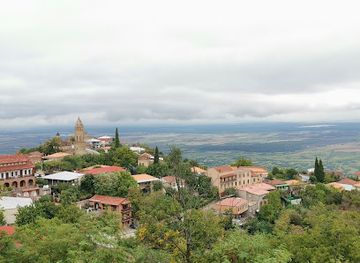
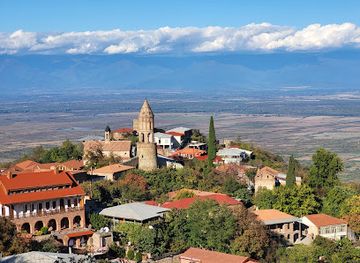
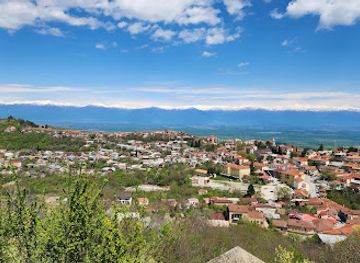
Sighnaghi rises on a wooded ridge in Georgia’s eastern Kakheti region, where cobbled lanes, pastel-coloured houses and distant Caucasus peaks create one of the country’s most recognisable townscapes. Its elevated position looks across the broad Alazani Valley, a landscape shaped by vineyards, orchards and centuries of wine-making. The town is small enough to explore on foot, yet its compact streets open repeatedly onto viewpoints, churches, terraces and fragments of defensive architecture.Read more about Sighnaghi
Heritage Behind the Walls
Wine, Art and Rural Landscapes
When is the best time to visit Sighnaghi?
Best: May–June, September · 23–28°C| Month | High (°C) | Rainfall (mm) |
|---|---|---|
| January | 7 | 50 |
| February | 7 | 40 |
| March | 13 | 40 |
| April | 18 | 60 |
| May (best) | 23 | 70 |
| June (best) | 28 | 70 |
| July | 31 | 70 |
| August | 31 | 70 |
| September (best) | 26 | 60 |
| October | 20 | 60 |
| November | 13 | 50 |
| December | 9 | 50 |
Getting to and around Sighnaghi
How to get there
Transportation
Best attractions in Sighnaghi
Sighnaghi’s principal attraction is the historic town itself, where cobbled lanes, carved wooden balconies and restored façades lead towards the surviving defensive wall. Walking along accessible sections of the wall reveals watchtowers, valley panoramas and a vivid sense of the settlement’s strategic position. The Sighnaghi Museum brings together archaeological and ethnographic material from Kakheti with Georgian artworks, including paintings associated with Niko Pirosmani. Central streets open onto small squares, Orthodox churches and viewpoints across vineyards and the Alazani plain. Just outside town, Bodbe Monastery offers a quieter visit centred on Georgia’s Christian heritage and the traditions surrounding Saint Nino. Wine cellars and family-run tasting rooms provide an opportunity to encounter Kakheti’s qvevri tradition, while the surrounding villages and vineyards make the town a natural starting point for exploring the region by car or organised excursion.
-
Cathedral
Bodbe's St. Nino's Convent Cathedral
Discover the serene Bodbe Monastery near Sighnaghi, a sacred pilgrimage site honoring St. Nino with stunning views of the Alazani Valley.
5 min drive · 1.7 km from city centre
-
Local history museum
Sighnagi National Museum
Discover Georgian history and art at Sighnaghi National Museum, a cultural gem in the heart of the 'City of Love'.
1 min walk · 0.1 km from city centre
-
Restaurant
Pheasant's Tears Winery
Experience Georgia's ancient winemaking traditions at Pheasant's Tears Winery in Sighnaghi, where passion, culture, and exquisite wines intertwine.
5 min walk · 0.4 km from city centre
-
Tourist attraction
Sighnaghi Fountain
A tranquil landmark in Sighnaghi's heart, the fountain offers artistry and a serene ambiance in Georgia's "City of Love."
2 min walk · 0.2 km from city centre


Best landmarks in Sighnaghi
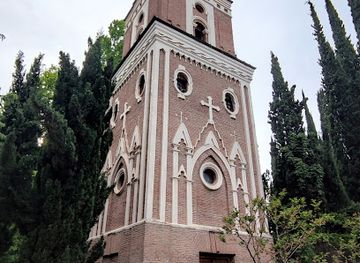
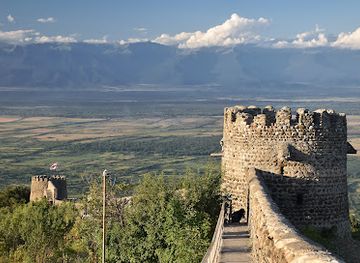
Sighnaghi’s defensive wall is its defining landmark, an eighteenth-century fortification associated with the reign of Erekle II and built to protect the town and surrounding communities. Remaining towers and gateways trace the ridge and demonstrate how geography was incorporated into Kakheti’s military architecture. The Sighnaghi Museum occupies a significant civic role as a repository of regional archaeology, ethnography and Georgian art, linking the town’s historic setting with the wider culture of eastern Georgia. Within the old town, churches and traditional houses with timber balconies add domestic and religious layers to the streetscape. Bodbe Monastery, outside Sighnaghi, is the area’s most important religious landmark, associated with Saint Nino and set among gardens and wooded slopes above the valley. Together these places express the town’s defensive, spiritual and artistic identity.
-
Cathedral
Bodbe's St. Nino's Convent Cathedral
Bodbe's St. Nino's Convent Cathedral in Sighnaghi: A historical pilgrimage site with breathtaking views and serene gardens, perfect for reflection and exploration.
5 min drive · 1.7 km from city centre
-
Historical landmark
Sighnaghi Wall
Explore the historic Sighnaghi Wall, a stunning landmark offering breathtaking views of the Alazani Valley and rich cultural heritage in Georgia.
6 min walk · 0.5 km from city centre
-
Local history museum
Sighnagi National Museum
Experience the captivating history and vibrant culture at the Sighnagi National Museum in Georgia's picturesque town of Sighnaghi.
1 min walk · 0.1 km from city centre
-
Georgian
The Terrace Signagi
Explore the authentic flavors of Georgia at The Terrace Signagi, where every meal is a celebration of culinary tradition and breathtaking views.
8 min walk · 0.7 km from city centre
Explore Sighnaghi on the map
Plan your Sighnaghi trip on one map. See where the top attractions, landmarks, restaurants, bars and hotels are, find what's near where you're staying, and book hotels and experiences in a few clicks.
Best hotels in Sighnaghi
Best restaurants in Sighnaghi
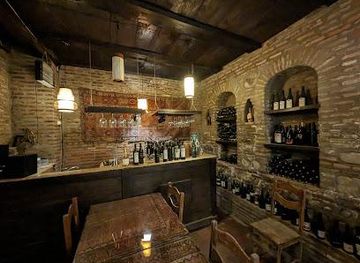
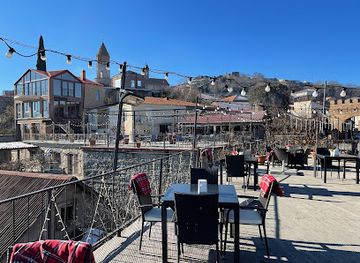
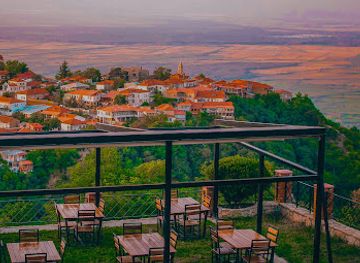
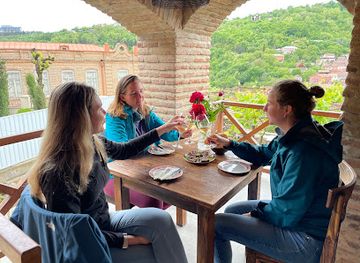
Sighnaghi’s restaurants and guesthouses introduce visitors to Kakheti’s generous table culture, where meals may include khachapuri, khinkali, mtsvadi grilled meat, lobio, pkhali, fresh salads, cheeses and bread served with local wine. Kakhetian cooking is closely tied to the region’s farming landscape, with grapes, walnuts, herbs, meat and seasonal fruit appearing in both home-style dishes and restaurant menus. Particular regional specialities include Kakhetian-style pork dishes and churchkhela, the candle-shaped sweet made by coating nuts in thickened grape juice. Dining is generally relaxed, with terraces and balconies taking advantage of the valley views, while family wineries and guesthouses may offer supra-style meals by arrangement. Menus vary between establishments, so traditional food is often best understood through several modest shared plates rather than a formal progression.
-
Restaurant
Balcony Sighnaghi
Discover exquisite Georgian cuisine with breathtaking views at Balcony Sighnaghi in the heart of Sighnaghi.
6 min walk · 0.4 km from city centre
-
Georgian
Amo Signagi / ამო სიღნაღი
Discover authentic Georgian flavors at Amo Signagi in Sighnaghi, where every dish celebrates culinary heritage amidst stunning landscapes.
9 min walk · 0.7 km from city centre
-
Georgian
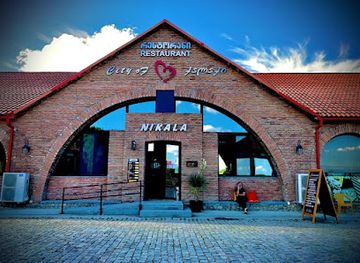
Restaurant Nikala რესტორანი ნიკალა
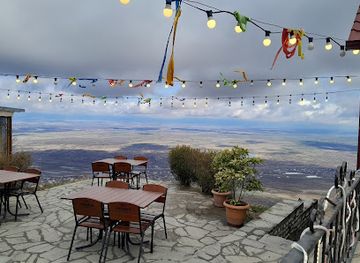
Discover authentic Georgian flavors at Restaurant Nikala in Sighnaghi – where tradition meets taste amidst breathtaking views.
3 min walk · 0.3 km from city centre
-
Georgian
Shio' s Restaurant
Experience authentic Georgian cuisine in Sighnaghi at Shio's Restaurant – where tradition meets flavor amidst stunning scenery.
9 min walk · 0.7 km from city centre
Best bars in Sighnaghi
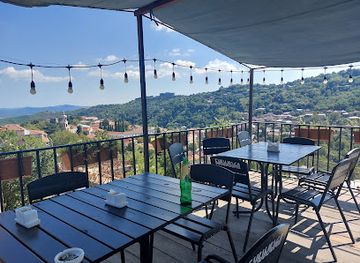
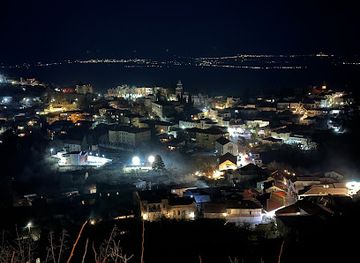
Sighnaghi has a restrained evening scene shaped more by wine, food and conversation than by nightclubs. Restaurants, guesthouse terraces and small wine bars provide places to sample Kakhetian vintages, including wines made in qvevri, while illuminated streets and viewpoints create a pleasant setting for a late walk. Entertainment is usually intimate and seasonal rather than organised around large venues: a local gathering may include Georgian toasts, traditional singing or informal music, particularly where a guesthouse hosts a supra. The town’s small scale means that nightlife options are limited and many visitors spend evenings dining, tasting wine or looking across the darkened Alazani Valley. Those seeking loud clubs or extensive late-night programming will find greater choice in Tbilisi, not in Sighnaghi.
-
Restaurant
Balcony Sighnaghi
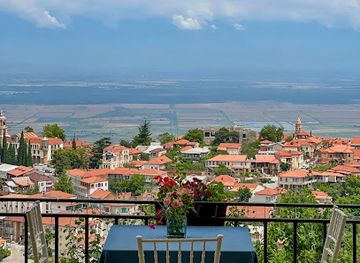
Experience the flavors of Georgia at Balcony Sighnaghi, where exquisite cuisine meets breathtaking views in the heart of Sighnaghi.
6 min walk · 0.4 km from city centre
-
Georgian
The Terrace Signagi
Experience the authentic flavors of Georgian cuisine amidst breathtaking views at The Terrace Signagi in the heart of Sighnaghi.
8 min walk · 0.7 km from city centre
-
Georgian
Restaurant Nikala რესტორანი ნიკალა
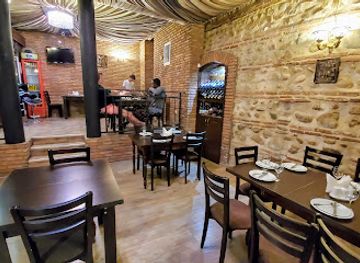
Experience the heart of Georgian cuisine at Restaurant Nikala in Sighnaghi, where tradition meets stunning views.
3 min walk · 0.3 km from city centre
-
Georgian
Amo Signagi / ამო სიღნაღი
Experience the essence of Georgian cuisine at Amo Signagi, a charming restaurant in Sighnaghi with breathtaking views and authentic flavors.
9 min walk · 0.7 km from city centre

Best nightclubs in Sighnaghi
Sighnaghi has a restrained evening scene shaped more by wine, food and conversation than by nightclubs. Restaurants, guesthouse terraces and small wine bars provide places to sample Kakhetian vintages, including wines made in qvevri, while illuminated streets and viewpoints create a pleasant setting for a late walk. Entertainment is usually intimate and seasonal rather than organised around large venues: a local gathering may include Georgian toasts, traditional singing or informal music, particularly where a guesthouse hosts a supra. The town’s small scale means that nightlife options are limited and many visitors spend evenings dining, tasting wine or looking across the darkened Alazani Valley. Those seeking loud clubs or extensive late-night programming will find greater choice in Tbilisi, not in Sighnaghi.
-
Georgian
The Terrace Signagi
Experience the best of Georgian cuisine at The Terrace Signagi with breathtaking views in Sighnaghi, where tradition meets taste.
8 min walk · 0.7 km from city centre
-
Georgian
Restaurant Nikala რესტორანი ნიკალა
Savor authentic Georgian flavors and breathtaking views at Restaurant Nikala in charming Sighnaghi.
3 min walk · 0.3 km from city centre
-
Georgian
Shio' s Restaurant
Experience the authentic taste of Georgian cuisine at Shio's Restaurant, a culinary gem in Sighnaghi, perfect for food lovers.
9 min walk · 0.7 km from city centre
-
Restaurant
Kerovani Winery
Experience the essence of Georgian wine culture at Kerovani Winery in Sighnaghi, where exquisite wines and stunning views await.
2 min walk · 0.2 km from city centre

Best shops in Sighnaghi
Shopping in Sighnaghi is centred on small independent outlets, local producers and market-style stalls rather than large retail centres. Visitors can find Kakhetian wine, churchkhela, preserves, honey, dried fruit, spices and other grape- and orchard-based products, often sold through wineries, guesthouses or specialist shops. Georgian handicrafts may include woven goods, ceramics, felt work, woodwork and small art pieces, although selection varies between sellers and seasons. The old streets are suited to browsing, with locally made souvenirs often displayed alongside food and drink rather than in a separate commercial district. Shoppers should distinguish bottled or labelled wine held for travel from informal homemade products, and packaging requirements may matter when carrying food or wine abroad. Bargaining is not a universal expectation, particularly in established shops, so ask politely before negotiating.
-
Cafe
ChikChiki Cafe • ჭიკჭიკი კაფე
Discover the flavors of Georgia at ChikChiki Cafe in Sighnaghi, where delightful cuisine meets vibrant live music for an unforgettable experience.
1 min walk · 0.1 km from city centre
-
Winery
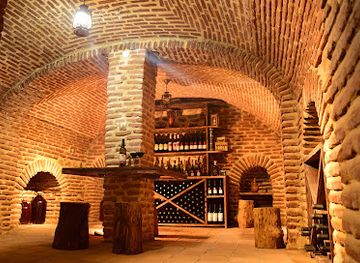
Gio's Wine Cellar
Discover the rich flavors of Georgian wines at Gio's Wine Cellar in Sighnaghi, where tradition meets breathtaking views.
4 min walk · 0.3 km from city centre
-
Handicraft
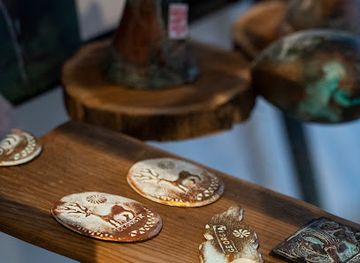
Shina Bodbe • შინა ბოდბე
Explore Shina Bodbe in Sighnaghi for authentic Georgian handicrafts and unique souvenirs that celebrate local artistry and culture.
1 min walk · 0.1 km from city centre
-
Wine store
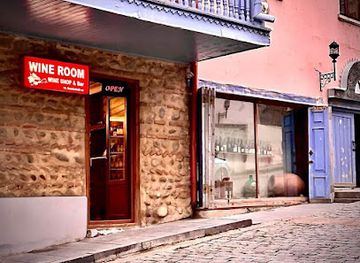
Wine Room in Sighnaghi
Discover the rich flavors of Georgian wines at the enchanting Wine Room in Sighnaghi, a paradise for wine lovers in a stunning location.
5 min walk · 0.4 km from city centre
Get your free copy of our complete guide to Sighnaghi, delivered straight to you.
Everything on this page, from attractions and restaurants to essentials and local phrases, in one PDF you can read offline, print or share.
Already have an account? Sign in
Your Sighnaghi guide is ready.
We'll send it to · Not you? Sign out

Getting your guide ready…
We are putting together a fresh copy of the Sighnaghi guide. This can take up to a minute.
This can take a few moments. If your browser asks, choose Allow so the download can start. You'll find the guide in your Downloads folder.
Nothing happened? Download it again
Sorry, the guide is taking longer than usual. Please try again in a minute, or get it by email instead.
Sighnaghi essentials
Currency and Payment
Safety
Emergency Situations
Do's and Don'ts
Local Tips
From Eve
Local phrases worth knowing
You don't need to get them perfect. A few words go a long way, and locals appreciate the effort.
Basics
| English | Local | Say it |
|---|---|---|
| Hello | გამარჯობა | [gam-ar-jo-ba] |
| Goodbye | ნახვამდი | [na-khvam-di] |
| Yes | კი | [ki] |
| No | არა | [ara] |
| Please/You're welcome | გთხოვთ | [gt-kho-vot] |
| Thank you | მადლობა | [mad-lo-ba] |
| Excuse me/Sorry | შემცველი ვარ | [she-mts-ve-li var] |
| How are you? | როგორ ხარ? | [ro-gor khar?] |
| Fine. And you? | კარგად. შენ? | [kar-gad. shen?] |
| Do you speak English? | იცი ინგლისურად? | [its-i ing-li-su-ra-d?] |
| I don't understand | ვერ გაიგებ | [ver ga-i-ge-b] |
Eating & Drinking
| English | Local | Say it |
|---|---|---|
| I'd like to see the menu, please | გთხოვთ მენიუ ნახოთ | [gt-kho-vot me-ni-u na-khot] |
| I don't eat meat | მე ხორი არ ვჭამ | [me kho-ri ar vcham] |
| Cheers! | გადასახევ! | [ga-da-sa-khev] |
| I would like to pay, please | გთხოვთ გადავახდო | [gt-kho-vot ga-da-va-khdo] |
Emergencies
| English | Local | Say it |
|---|---|---|
| Help! | დახმარება! | [da-khma-re-ba] |
| Go away! | წვერ! | [ts-ver] |
| Call the Police! | პოლიციას დაურთეთ! | [po-li-tsia-s da-u-rte-t] |
| Call a doctor! | ექიმს დაურთეთ! | [e-kim-s da-u-rte-t] |
| I'm lost | დავაკარგებ | [da-va-kar-ge-b] |
| I'm ill | მე ავადმყოფი ვარ | [me av-ad-my-o-fi var] |
Shopping
| English | Local | Say it |
|---|---|---|
| I'd like to buy... | გთხოვთ შევიძინოთ... | [gt-kho-vot she-vi-dzi-not] |
| I'm just looking | მხოლოდ ნახევ | [mkho-lo-dna-khev] |
| How much is it? | რამდენი არის? | [ra-mde-ni a-ris?] |
| That's too expensive | ეს ძალიან მაღალია | [es dza-li-a-ni ma-gha-li-a] |
| Can you lower the price? | შეგიზრდეთ ფასს? | [she-gizr-de-tfas?] |
Time & Numbers
| English | Local | Say it |
|---|---|---|
| What time is it? | რა საათია? | [ra sa-a-tia?] |
| It's one o'clock | ერთი საათია | [er-ti sa-a-tia] |
| Half past (10) | ათის ორი ნახაზე | [a-tis ori na-kha-ze] |
| Morning | დილი | [di-li] |
| Afternoon | საღამო | [sa-gha-mo] |
| Evening | საღამო | [sa-gha-mo] |
| Yesterday | გუშინ | [gu-shin] |
| Today | დღეს | [dges] |
| Tomorrow | ხვალ | [kh-val] |
| 1 | 1 | [1] |
| 2 | 2 | [2] |
| 3 | 3 | [3] |
| 4 | 4 | [4] |
| 5 | 5 | [5] |
| 6 | 6 | [6] |
| 7 | 7 | [7] |
| 8 | 8 | [8] |
| 9 | 9 | [9] |
| 10 | 10 | [10] |
Transport & Directions
| English | Local | Say it |
|---|---|---|
| Where's a/the...? | სადაა...? | [sa-da-a...?] |
| What's the address? | რა მისამართია? | [ra mi-sa-ma-ri-tia?] |
| Can you show me (on the map)? | შეგიმატებთ (რუკაზე)? | [she-gi-ma-teb-t (ru-ka-ze)?] |
| When's the next (bus)? | როდის არის შემდეგი (ავტობუსი)? | [ro-dis a-ris she-mde-gi (av-to-bu-si)?] |
| A ticket (to ....) | ბილეთი (....ში) | [bi-le-ti (....shi)] |
History of Sighnaghi
Early Kakhetian Settlement
The ridge occupied by Sighnaghi belongs to a wider historical landscape shaped by Kakheti’s farming villages, vineyards and routes across eastern Georgia. Archaeological evidence from the surrounding region points to long-established settlement and wine-making traditions, while the valley supported agriculture and movement between the towns and fortresses of Kakheti. Sighnaghi’s precise early origins are less clearly documented than its later development, but its position above the Alazani Valley gave the site strategic as well as agricultural importance. The nearby Bodbe monastery, associated with Saint Nino and the Christianisation of Georgia in the fourth century, adds an important religious layer to the area’s history.
Kakheti Under Persian Pressure
For centuries, Kakheti occupied a vulnerable position between Georgian kingdoms and powerful states to the east, particularly Safavid and later Persian rulers. Raids, invasions and shifting political control affected the valley’s settlements, agriculture and population. Local fortifications were therefore not simply military monuments but part of the defensive network that protected communities and trade routes. The region retained a strong Georgian identity despite repeated disruption, and its churches, aristocratic estates and wine culture continued to shape local life. Sighnaghi’s later fortifications should be understood against this broader history of frontier insecurity rather than as an isolated urban project.
Erekle II and the Fortified Town
Sighnaghi was substantially developed and fortified in the eighteenth century under King Erekle II, the ruler who sought to strengthen eastern Georgia against external attack. A substantial defensive wall, towers and gates enclosed the settlement and helped make it a refuge for nearby communities. The surviving wall system, extending across the ridge and incorporating elevated watchpoints, remains the clearest physical expression of this period. Erekle II’s efforts formed part of a wider attempt to consolidate the eastern Georgian kingdom of Kartli-Kakheti, although the kingdom continued to face severe military pressure from Persia and other regional powers.
Russian Annexation and Imperial Change
In 1801, the Russian Empire annexed the Kingdom of Kartli-Kakheti, bringing Kakheti and Sighnaghi into a new imperial administrative order. The town’s strategic military role gradually became less central as Russian authority reorganised roads, institutions and local governance. Commercial life continued to depend on agriculture and wine, while Sighnaghi remained connected to the villages and estates of the Alazani Valley. The period also brought architectural and administrative influences associated with the Russian Empire, adding layers to a town whose appearance already reflected Georgian defensive and domestic traditions.
Soviet Period and Georgian Renewal
During the Soviet period, Sighnaghi functioned as a small regional centre within Georgia, while collective agriculture and state-managed production reshaped the surrounding countryside. Religious institutions were constrained, as elsewhere in Soviet Georgia, although local traditions and the physical remains of the old town endured. After Georgia regained independence in 1991, Sighnaghi became increasingly prominent as a cultural and tourism destination in Kakheti. Restoration of streets, façades and sections of the historic environment helped reveal its defensive heritage and encouraged renewed interest in regional wine, rural hospitality, Georgian art and the nearby Bodbe Monastery.
Sighnaghi in Photos
Browse through our photo collection highlighting the charm and character of the destination.
Cities near Sighnaghi
The closest cities to Sighnaghi, if you have time for more than one stop.
-

-

-

-

-


Swipe for more cities
Explore more

Explore more of Georgia
Discover Georgia: A vibrant mix of ancient history, stunning landscapes, and warm hospitality at the crossroads of Europe and Asia.
Explore Georgia