Fort Flémalle: A Bastion of History
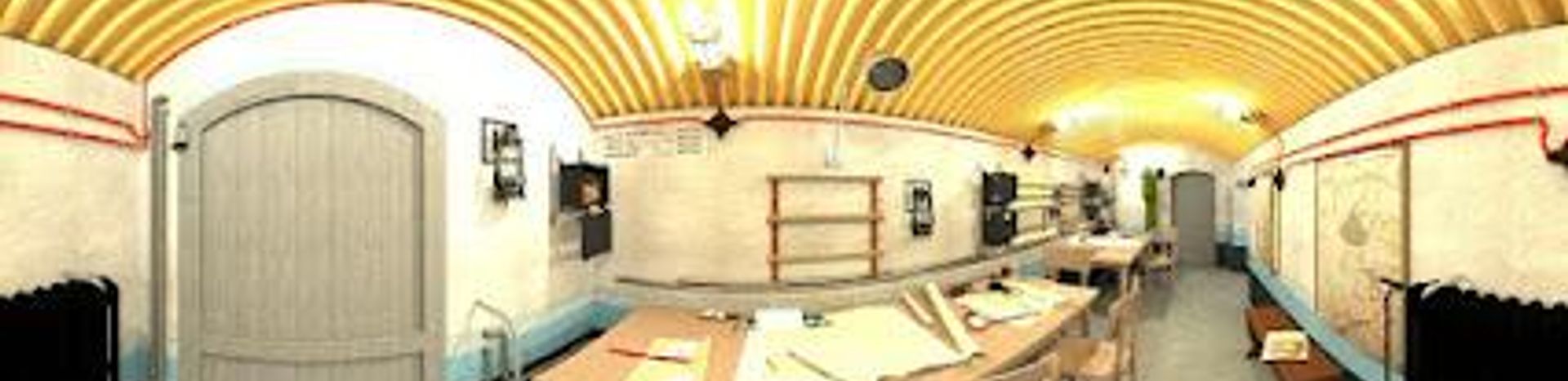
Explore Fort Flémalle: a historic fortress near Liège, where you can discover Belgium's military past through immersive tours and virtual reality experiences.
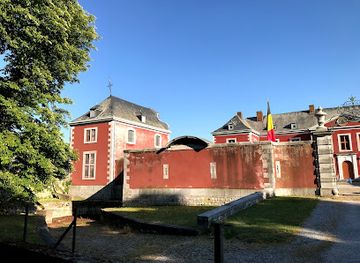
Fort Flémalle, constructed between 1888 and 1892, is one of the twelve forts that formed the fortified position of Liège, Belgium. Built entirely of unreinforced concrete, it faced heavy bombardment during both World Wars and now serves as a museum, offering visitors a glimpse into its strategic importance and the lives of the soldiers stationed there.
A brief summary to Fort Flémalle
- Av. du Fort, Flemalle, Flémalle-Haute, 4400, BE
- Click to display
- Click to display

Know before you go
Hi, I'm Eve. Here are a few practical things to know before exploring Fort Flémalle.
- Wear comfortable shoes and warm clothing, as the fort can be chilly and requires some walking to explore.
- Check the fort's website for the latest information on opening hours and special events, as opening days are limited.
- Consider joining a guided tour for deeper insights into the fort's history and architecture.
Do you manage this location?
Take control to get all the benefits, like improved information, better appearance, and stronger visibility across AI-powered discovery. Learn more
Activate your presence

Getting There
-
Public Transport
From Liège-Guillemins station, take a train to Flémalle-Haute. From Flémalle-Haute station, take bus number 10 towards Flémalle and get off at the 'Fort' stop. The fort will be directly in front of you. A single bus fare is approximately €3.
-
Taxi
From the center of Liège, a taxi to Fort Flémalle will cost approximately €35-€45 and take around 15 minutes. Ride-sharing services like Bolt are also available.
-
Driving
From Liège, follow the N90 towards Flémalle. The fort is located on Av. du Fort, 4400 Flémalle. Parking is available at the fort, but it can be limited. Parking is free in Flémalle, but the duration is limited to two hours on the Grand'Route between 8 AM and 6 PM from Monday to Friday.
Discover more about Fort Flémalle
Explore the best of what Fort Flémalle has to offer













More about Rhineland
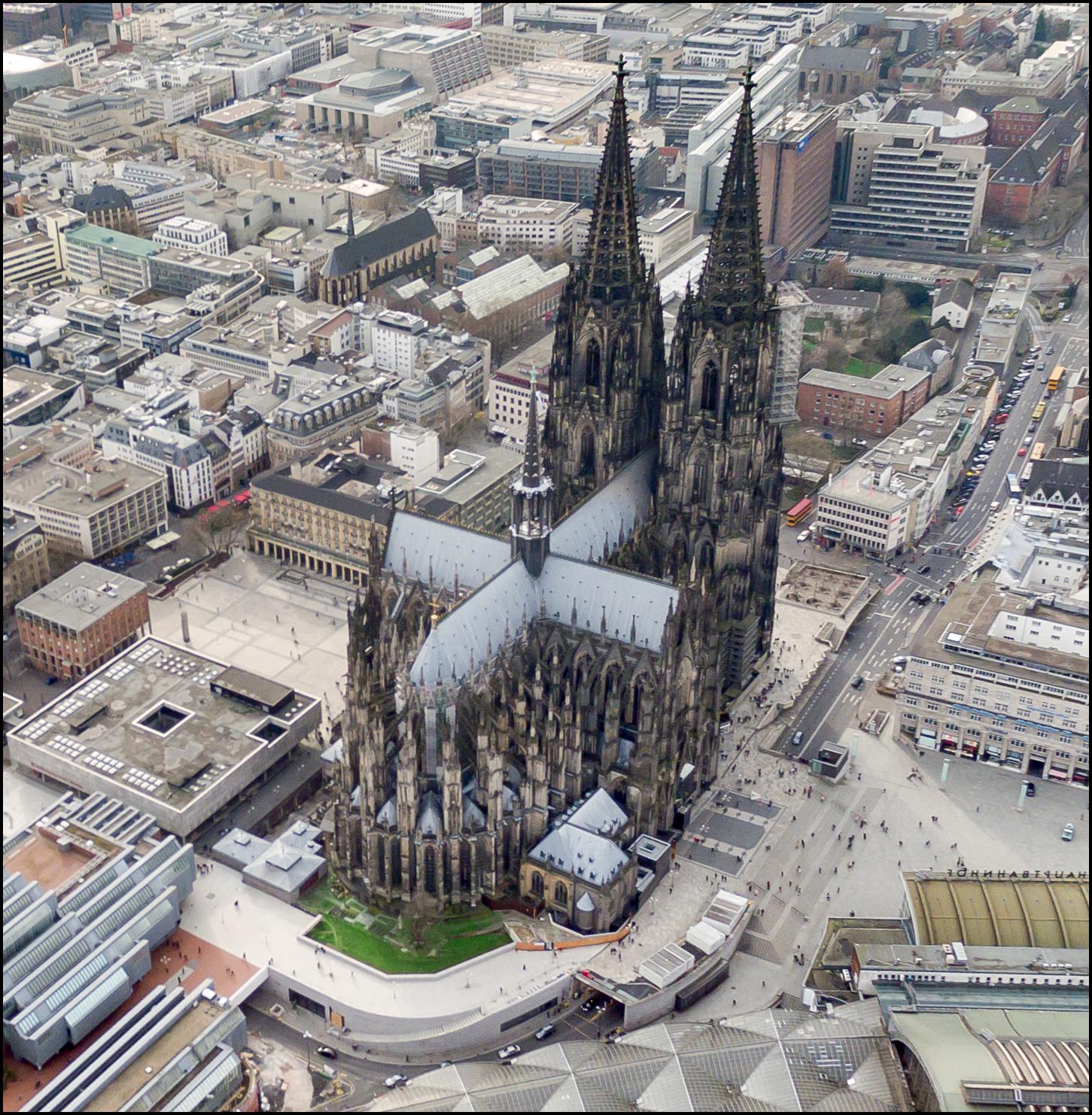
Discover the enchanting Rhineland with its majestic castles, vibrant cities, and scenic vineyards along the breathtaking Rhine River in Germany.
Tell me more about Rhineland