

Free Rhineland Travel Guide & Mobile App
Explore Rhineland with free travel guides. Discover regional history, expert tips, proposed trips, and audio guides on web or mobile app.


Discover the enchanting Rhineland with its majestic castles, vibrant cities, and scenic vineyards along the breathtaking Rhine River in Germany.
Read more about Rhineland
When is the best time to visit Rhineland?
Best: June–August · 22–24°C| Month | High (°C) | Rainfall (mm) |
|---|---|---|
| January | 5 | 45 |
| February | 6 | 40 |
| March | 10 | 45 |
| April | 14 | 45 |
| May | 19 | 60 |
| June (best) | 22 | 70 |
| July (best) | 24 | 75 |
| August (best) | 23 | 70 |
| September | 20 | 60 |
| October | 15 | 50 |
| November | 9 | 55 |
| December | 5 | 50 |
Getting to and around Rhineland
How to get there
Transportation
Top city travel guides in Rhineland
The cities of Rhineland, and the easiest places to base yourself.
-

-

-

-

-

-


Swipe for more cities
Destinations in Rhineland
Resorts, valleys and scenic spots worth a trip of their own.
-

-

-

-

-


Swipe for more destinations
Best attractions in Rhineland
Rhineland in Germany is a treasure trove of historical and natural beauty that promises an unforgettable experience. Visitors can explore the enchanting Rhine Valley, where medieval castles like Marksburg and Burg Eltz stand proudly atop scenic hills, offering panoramic views of the winding Rhine River below. The region's charming towns, such as Bacharach and Koblenz, are dotted with half-timbered houses, cobblestone streets, and inviting wine taverns that serve the finest Riesling. For history enthusiasts, the Roman ruins of Trier, Germany's oldest city, and the impressive Cologne Cathedral, a UNESCO World Heritage Site, offer fascinating glimpses into the past. Nature lovers will revel in the picturesque landscapes of the Eifel and Hunsrück mountains, perfect for hiking, cycling, and exploring breathtaking viewpoints. Festivals, such as the Rhine in Flames, illuminate the riverbanks with spectacular firework displays, adding to the region's vibrant cultural tapestry.
-
Monument
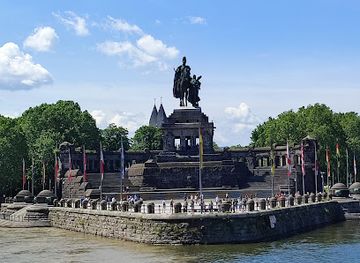
Deutsches Eck
Explore Deutsches Eck in Koblenz, where the Rhine and Moselle rivers meet, featuring the majestic Kaiser Wilhelm I statue and scenic views.
-
Castle
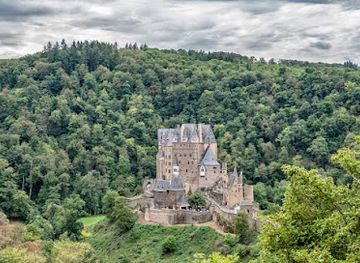
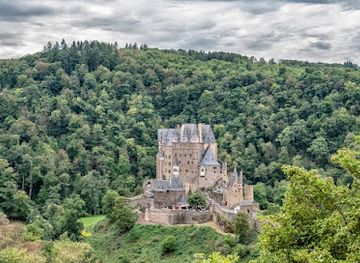
Eltz Castle
Explore the fairytale charm of Eltz Castle, a stunning medieval fortress nestled in the scenic hills of Germany's Moselle Valley.
-
Castle
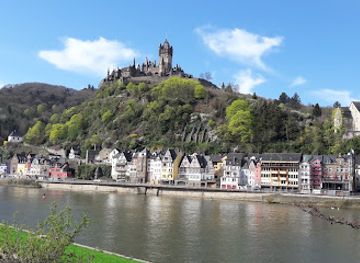
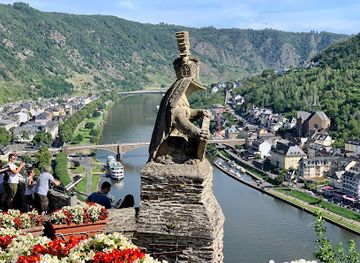
Cochem Castle
Discover Cochem Castle, a stunning historical landmark offering breathtaking views of the Moselle River and a glimpse into medieval architecture.
-
Fortress
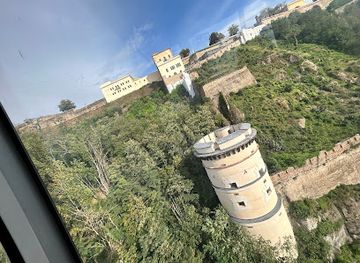
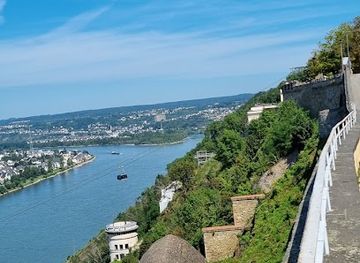
Ehrenbreitstein Fortress
Explore the historical grandeur of Ehrenbreitstein Fortress, a cultural beacon overlooking Koblenz, rich in history and stunning views.

Best landmarks in Rhineland
The Rhineland in Germany offers a mesmerizing blend of natural beauty and historical grandeur, perfect for any traveler seeking an unforgettable experience. Visitors can explore the iconic Cologne Cathedral, a Gothic masterpiece towering over the Rhine River, or stroll through the charming streets of Heidelberg with its ancient university and romantic castle ruins. The enchanting Lorelei Rock, steeped in legend, provides breathtaking views of the Rhine Gorge, a UNESCO World Heritage site dotted with picturesque villages and vineyards. For history enthusiasts, the Roman city of Trier boasts well-preserved ruins, including the awe-inspiring Porta Nigra. Alongside these landmarks, the scenic Moselle Valley invites wine lovers to savor world-class Riesling while cruising through its idyllic landscapes.
-
Monument
Deutsches Eck
Explore Deutsches Eck, a stunning monument at the confluence of the Rhine and Moselle, showcasing Germany's rich history and breathtaking views.
-
Castle
Eltz Castle
Experience the charm of Eltz Castle, a historical gem in the heart of Germany, surrounded by breathtaking landscapes and rich heritage.
-
Castle
Cochem Castle
Cochem Castle: A captivating blend of history, stunning architecture, and breathtaking views atop the Moselle River.
-
Fortress
Ehrenbreitstein Fortress
Discover the historic Ehrenbreitstein Fortress in Koblenz, a UNESCO World Heritage site with breathtaking views and rich cultural experiences.
Explore Rhineland on the map
Plan your trip on one map. See where the top cities, national parks and sights are, and book hotels and experiences in a few clicks.
Best hotels in Rhineland
Best restaurants in Rhineland
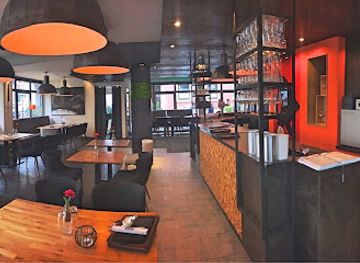
The dining scene in the Rhineland is a feast for the senses, offering an exquisite blend of traditional German fare and innovative culinary delights, all set against the backdrop of picturesque landscapes and historic towns. Visitors can expect hearty regional specialties like Sauerbraten, a succulent pot roast often served with tangy red cabbage and potato dumplings, or savor the delicate flavors of Rhine wine paired with local cheeses. The region's many Weinstuben (wine taverns) provide a cozy atmosphere to enjoy freshly baked pretzels, Flammkuchen (a thin, crispy flatbread topped with onions and lardons), and an array of sausages that are a testament to the Rhineland's rich gastronomic heritage. For a more contemporary palate, the vibrant cities of Cologne and Düsseldorf boast a myriad of Michelin-starred restaurants and trendy bistros, where innovative chefs push the boundaries of traditional German cuisine with international influences and seasonal, locally-sourced ingredients. Whether you're dining in a rustic village inn or a chic urban eatery, the Rhineland promises a culinary journey that is as diverse and enchanting as its storied landscapes.
-
Restaurant
masons Restaurant Trier
Discover Masons Restaurant in Trier for an unforgettable dining experience blending local flavors with international cuisine.
-
Restaurant
masons Restaurant Kaiserslautern
Discover Mason's Restaurant in Kaiserslautern: Where German tradition meets modern cuisine in an inviting atmosphere.
-
Restaurant
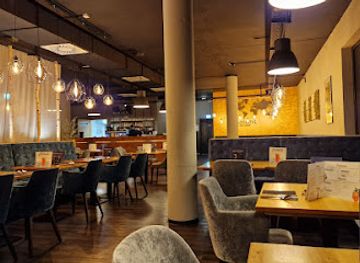
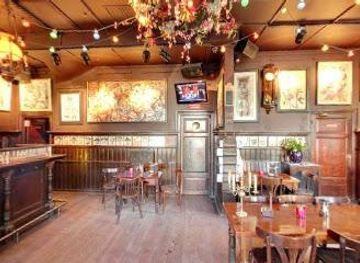
Café In Den Ouden Vogelstruys
Maastricht's iconic brown café and living room since 1730, where history, hospitality, and celebration converge.
-
Restaurant
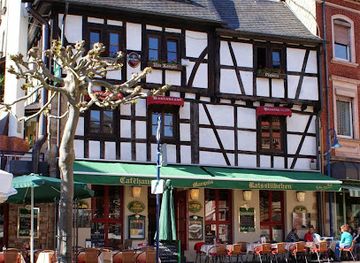
Das Spießbratenhaus - Restaurant Alte-Kanzlei
Experience authentic German flavors at Das Spießbratenhaus in Idar-Oberstein, where traditional meat dishes meet a cozy atmosphere.
Best bars in Rhineland
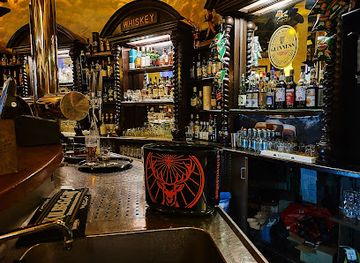
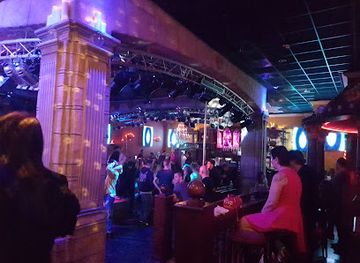
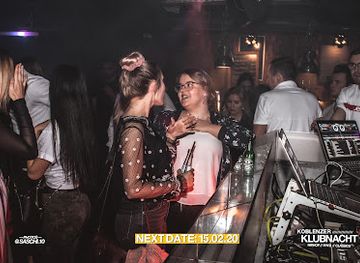
The Rhineland's nightlife is a vibrant tapestry of experiences that cater to every taste, from the buzzing brewpubs of Cologne that serve up the region's iconic Kölsch beer, to the chic wine bars nestled along the Moselle River where you can sip on exquisite Rieslings. Venture into the historic altstadt (old town) of Düsseldorf, where traditional taverns echo with the laughter of locals and the clinking of Altbier glasses, or take a moonlit stroll along the banks of the Rhine in Mainz and discover intimate jazz clubs and trendy cocktail lounges. Whether you’re drawn to the thumping beats of modern nightclubs in Bonn or the laid-back charm of Koblenz's riverside bars, the Rhineland's nocturnal offerings promise an unforgettable blend of tradition, culture, and contemporary flair.
-
Restaurant
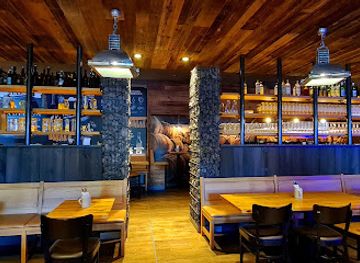
Vulkan Brauerei
Experience authentic German cuisine and craft beer at Vulkan Brauerei in Mendig, a cultural and culinary treasure for every traveler.
-
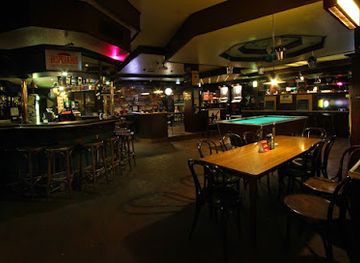
Irish pub
Irish Pub Koblenz
Discover the heart of Ireland at Irish Pub Koblenz, where great food, drinks, and live entertainment await in a cozy setting.
-
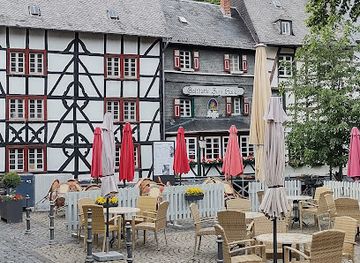
Gastropub
Zum Haller
Discover the culinary charm of Zum Haller in Monschau, where local ingredients meet innovative gastropub dining.
-
Bar
Spökes
Experience the vibrant nightlife of Koblenz at Spökes, where delicious cocktails and a lively atmosphere await every visitor.
Best nightclubs in Rhineland
The Rhineland's nightlife is a vibrant tapestry of experiences that cater to every taste, from the buzzing brewpubs of Cologne that serve up the region's iconic Kölsch beer, to the chic wine bars nestled along the Moselle River where you can sip on exquisite Rieslings. Venture into the historic altstadt (old town) of Düsseldorf, where traditional taverns echo with the laughter of locals and the clinking of Altbier glasses, or take a moonlit stroll along the banks of the Rhine in Mainz and discover intimate jazz clubs and trendy cocktail lounges. Whether you’re drawn to the thumping beats of modern nightclubs in Bonn or the laid-back charm of Koblenz's riverside bars, the Rhineland's nocturnal offerings promise an unforgettable blend of tradition, culture, and contemporary flair.
-
Disco club
Nachtarena Koblenz
Nachtarena Koblenz: Dive into the city's energetic nightlife with vibrant music, dance, and a diverse crowd for an unforgettable experience.
-
Disco club
Druckluftkammer
Experience the vibrant nightlife at Druckluftkammer, Koblenz's premier disco club and cocktail bar, where unforgettable memories are made.
-
Disco club
Musikpark A1 Trier
Discover the ultimate nightlife experience at Musikpark A1 Trier, a vibrant disco club with an electrifying atmosphere and diverse music.
-
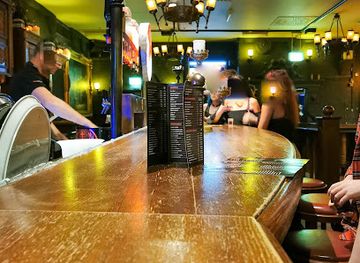
Night club
Zenit Club Koblenz
Explore the vibrant nightlife at Zenit Club Koblenz, where live music and dancing create unforgettable memories in the heart of the city.

Best shops in Rhineland
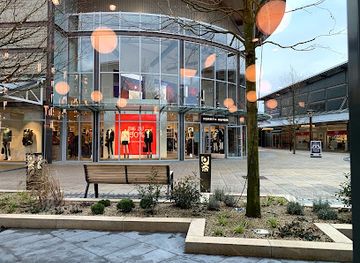
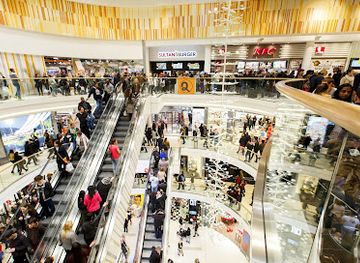
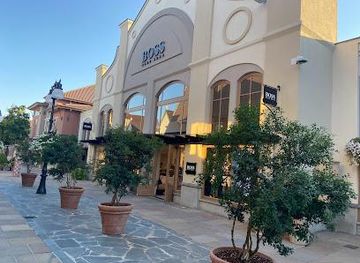
The Rhineland offers a captivating shopping experience that effortlessly blends history with modernity, from the vibrant markets of Cologne, where you can discover unique handicrafts and antiques, to the chic boutiques of Düsseldorf's Königsallee, renowned for its luxury brands and high fashion. Explore charming cobblestone streets lined with quaint shops in historic towns like Bonn and Mainz, where local artisans showcase traditional German craftsmanship. Don’t miss the festive Christmas markets, which transform the region into a winter wonderland of twinkling lights, fragrant mulled wine, and handcrafted ornaments. Whether you’re hunting for one-of-a-kind souvenirs or indulging in high-end retail therapy, the Rhineland’s diverse shopping scene promises an unforgettable adventure for every taste and budget.
-
Shopping mall
Designer Outlet Roermond
Discover unbeatable designer deals at Designer Outlet Roermond, the ultimate shopping destination in the Netherlands with over 200 stores and dining options.
-
Shopping mall
Zweibrücken Fashion Outlet
Discover unbeatable deals on designer fashion at Zweibrücken Fashion Outlet, the ultimate shopping destination in Germany.
-
Shopping mall
Aquis Plaza
Explore Aquis Plaza in Aachen, a vibrant shopping mall filled with diverse stores, dining options, and entertainment for an unforgettable shopping experience.
-
Shopping mall
Maasmechelen Village
Experience luxury shopping in a beautiful outdoor setting at Maasmechelen Village, Belgium's premier outlet destination.

Get your free copy of our complete guide to Rhineland, delivered straight to you.
Everything on this page, from attractions and restaurants to essentials and local phrases, in one PDF you can read offline, print or share.
Already have an account? Sign in
Your Rhineland guide is ready.
We'll send it to · Not you? Sign out

Getting your guide ready…
We are putting together a fresh copy of the Rhineland guide. This can take up to a minute.
This can take a few moments. If your browser asks, choose Allow so the download can start. You'll find the guide in your Downloads folder.
Nothing happened? Download it again
Sorry, the guide is taking longer than usual. Please try again in a minute, or get it by email instead.
Rhineland essentials
Currency and Payment
Safety
Emergency Situations
Do's and Don'ts
Local Tips
From Eve
Local phrases worth knowing
You don't need to get them perfect. A few words go a long way, and locals appreciate the effort.
Basics
| English | Local | Say it |
|---|---|---|
| Hello | Hallo | [Hah-loh] |
| Goodbye | Auf Wiedersehen | [Owf Vee-der-zay-en] |
| Yes | Ja | [Yah] |
| No | Nein | [Nyn] |
| Please/You're welcome | Bitte/Bitte schön | [Bi-teh/Bi-teh shurn] |
| Thank you | Danke | [Dahn-keh] |
| Excuse me/Sorry | Entschuldigung/Es tut mir leid | [Ent-shool-dee-goong/Es toot meer lite] |
| How are you? | Wie geht's? | [Vee gates?] |
| Fine. And you? | Gut. Und dir? | [Goot. Oond deer?] |
| Do you speak English? | Sprechen Sie Englisch? | [Shpreck-en Zee Eng-lish?] |
| I don't understand | Ich verstehe nicht | [Ish fer-shtay-eh nikht] |
Eating & Drinking
| English | Local | Say it |
|---|---|---|
| I'd like to see the menu, please | Ich hätte gern die Speisekarte, bitte | [Ish het-teh gurn dee Shpy-zeh-kar-teh, bi-teh] |
| I don't eat meat | Ich esse kein Fleisch | [Ish es-seh kyn Flysh] |
| Cheers! | Prost! | [Prohst!] |
| I would like to pay, please | Ich möchte bezahlen, bitte | [Ish murk-teh beh-zah-len, bi-teh] |
Emergencies
| English | Local | Say it |
|---|---|---|
| Help! | Hilfe! | [Hil-feh!] |
| Go away! | Geh weg! | [Gay vek!] |
| Call the Police! | Rufen Sie die Polizei! | [Roo-fen Zee dee Po-lee-tsai!] |
| Call a doctor! | Rufen Sie einen Arzt! | [Roo-fen Zee eye-nen Artsht!] |
| I'm lost | Ich habe mich verlaufen | [Ish hah-beh meek fer-lau-fen] |
| I'm ill | Ich bin krank | [Ish bin krangk] |
Shopping
| English | Local | Say it |
|---|---|---|
| I'd like to buy... | Ich möchte kaufen... | [Ish murk-teh cow-fen...] |
| I'm just looking | Ich schaue nur | [Ish shau-eh noor] |
| How much is it? | Wie viel kostet das? | [Vee feel kost-et dahs?] |
| That's too expensive | Das ist zu teuer | [Dahs ist tsoo toy-er] |
| Can you lower the price? | Können Sie den Preis senken? | [Koe-nen Zee den Price sen-ken?] |
Time & Numbers
| English | Local | Say it |
|---|---|---|
| What time is it? | Wie spät ist es? | [Vee shpayt ist es?] |
| It's one o'clock | Es ist ein Uhr | [Es ist ine Oor] |
| Half past (10) | Halb (10) | [Halb (zehn)] |
| Morning | Morgen | [Mor-gen] |
| Afternoon | Nachmittag | [Nahkh-mit-tahg] |
| Evening | Abend | [Ah-bent] |
| Yesterday | Gestern | [Ges-tairn] |
| Today | Heute | [Hoy-teh] |
| Tomorrow | Morgen | [Mor-gen] |
| 1 | Eins | [Eyns] |
| 2 | Zwei | [Tsvy] |
| 3 | Drei | [Dry] |
| 4 | Vier | [Feer] |
| 5 | Fünf | [Fuenf] |
| 6 | Sechs | [Zeks] |
| 7 | Sieben | [Zee-ben] |
| 8 | Acht | [Akh-t] |
| 9 | Neun | [Noyn] |
| 10 | Zehn | [Tsayn] |
Transport & Directions
| English | Local | Say it |
|---|---|---|
| Where's a/the...? | Wo ist ein/das...? | [Vo ist ine/dahs?] |
| What's the address? | Was ist die Adresse? | [Vas ist dee Ah-dres-seh?] |
| Can you show me (on the map)? | Können Sie mir (auf der Karte) zeigen? | [Koe-nen Zee meer (owf dare Kar-te) tsai-gen?] |
| When's the next (bus)? | Wann kommt der nächste (Bus)? | [Vahn komt dare nay-shte (Boos)?] |
| A ticket (to ....) | Ein Ticket (nach ....) | [Ine Tick-it (nahkh ....)] |
History of Rhineland
Roman Foundations
The Rhineland's history dates back to Roman times, when the region was part of the Roman Empire's frontier. Cities like Cologne (Colonia Claudia Ara Agrippinensium) were established as Roman colonies. Remnants of Roman architecture, such as the Roman Gate in Trier and the ancient city walls of Cologne, offer a glimpse into this era.
Medieval Castles
The Rhineland is renowned for its medieval castles, which dot the landscape along the Rhine River. Castles like Burg Eltz, Marksburg, and Rheinstein Castle served as fortresses and residences for nobility during the Middle Ages. These castles, often perched on imposing cliffs, provide a window into feudal life and the region's strategic importance.
The Holy Roman Empire
During the era of the Holy Roman Empire, the Rhineland was a key political and economic hub. Cities like Mainz and Aachen played crucial roles as centers of power and religious significance. Aachen, in particular, was the coronation site for many Holy Roman Emperors, including Charlemagne, whose Palatine Chapel still stands today.
The Thirty Years' War
The Rhineland was heavily impacted by the Thirty Years' War (1618-1648), a devastating conflict that ravaged much of Central Europe. Many towns and cities suffered from battles, pillaging, and economic hardship. The Treaty of Westphalia, which ended the war, had significant political ramifications for the region.
Industrial Revolution
The 19th century brought industrialization to the Rhineland, transforming it into a key industrial region of Germany. Cities like Düsseldorf and Essen became centers of coal mining, steel production, and manufacturing. This period saw significant urban growth and the rise of a working-class culture that shaped the region's modern identity.
World War I and II
The Rhineland was a critical frontline during both World Wars. After World War I, the Treaty of Versailles led to the demilitarization of the Rhineland. In 1936, Nazi Germany remilitarized the area, defying the treaty and marking a significant step towards World War II. The region saw extensive bombing and combat during the wars, leading to widespread destruction and post-war rebuilding.
Post-War Rebuilding
In the aftermath of World War II, the Rhineland underwent extensive reconstruction. Cities like Cologne and Düsseldorf were rebuilt from the ruins, blending modern architecture with historical restoration. The Marshall Plan and economic resurgence transformed the Rhineland into a powerhouse of West Germany's Wirtschaftswunder (economic miracle).
Cultural Festivals and Traditions
The Rhineland is famous for its vibrant cultural festivals, most notably the Cologne Carnival, which is one of the largest and most famous in Europe. This festival, with its parades, costumes, and parties, reflects the region's rich traditions and communal spirit. The Rhineland is also known for its wine festivals, particularly in the Moselle and Ahr valleys, celebrating the region's viticulture.
Rhineland in Photos
Browse through our photo collection highlighting the charm and character of the destination.
Neighbouring regions of Rhineland
The closest regions to Rhineland, if you have time for more than one.
-

-

-

-

-


Swipe for more regions
Explore more

Explore more of Germany
Experience Germany: where history meets innovation, and urban energy blends with natural beauty. Discover diverse cultures, delicious cuisine, and stunning landscapes.
Explore Germany