Wasserkunstanlage Paradies Travel Guide
Free Guide: Discover the serene beauty of Wasserkunstanlage Paradies in Baden-Baden: a stunning Italian Renaissance-inspired water garden offering panoramic city views and tranquil escapes.


A brief summary of Wasserkunstanlage Paradies
Discover the serene beauty of Wasserkunstanlage Paradies in Baden-Baden: a stunning Italian Renaissance-inspired water garden offering panoramic city views and tranquil escapes.
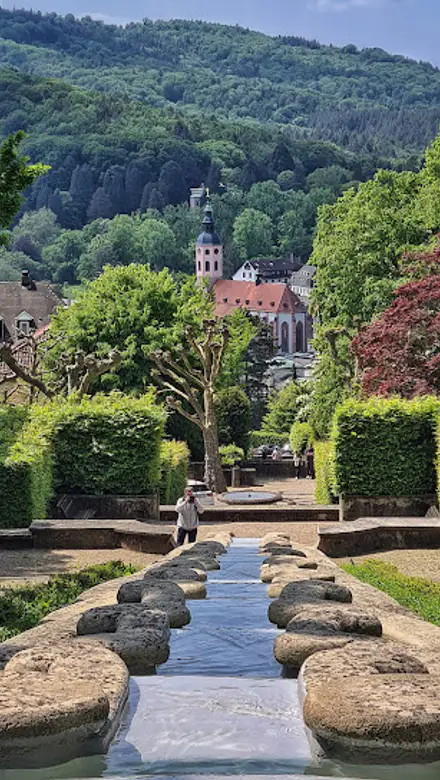
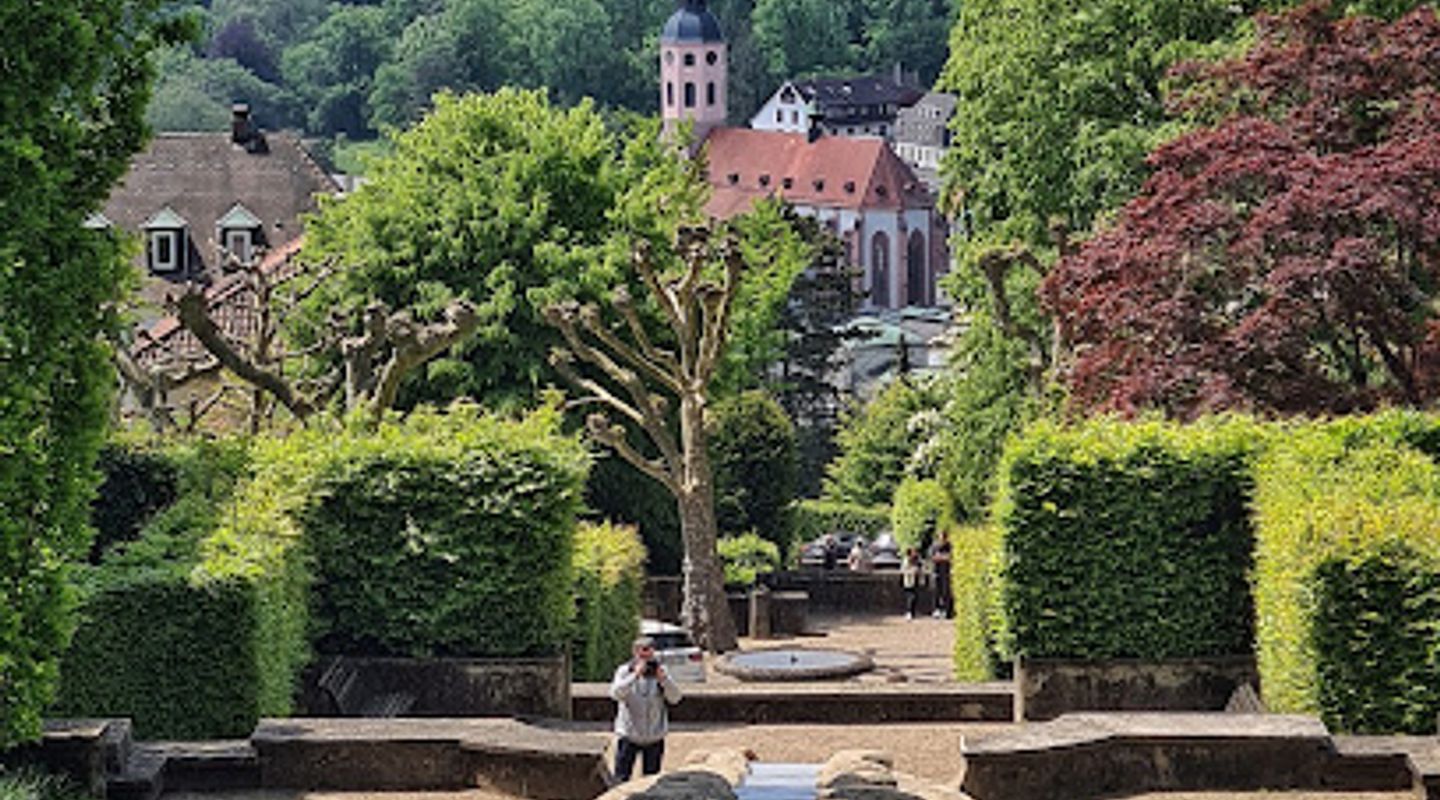
The Wasserkunstanlage Paradies, or Paradise Water Art Installation, is a stunning geometric park in Baden-Baden, Germany, designed by Professor Max Laeuger in the early 1920s. This Italian Renaissance-inspired garden cascades down the hillside of Annaberg, overcoming a 40-meter elevation change with a series of water features, staircases, and terraces. Visitors are treated to panoramic views of Baden-Baden's Old Town, including the iconic Stiftskirche, the Neues Schloss, and the Friesenberg. The park invites visitors to wander through its meticulously designed landscape, admire the fountains and pools, and discover moments of tranquility amidst the city's vibrant atmosphere. A visit promises a refreshing escape and a chance to appreciate the harmonious blend of nature, art, and architectural ingenuity.
- Address
- Das Paradies 6, 76530 Baden-Baden
- Website
Getting there
Walking
Public Transport
Taxi/Ride-Share
Driving
Discover more about Wasserkunstanlage Paradies
Overview
The Wasserkunstanlage Paradies, translating to "Paradise Water Art Installation," is a captivating park nestled on the slopes of Annaberg in Baden-Baden. Conceived by Professor Max Laeuger between 1921 and 1925, this unique space seamlessly blends elements of Italian Renaissance gardens with the natural contours of the landscape, creating a serene and visually stunning experience for visitors. The park's design cleverly utilizes the hillside's natural incline, cascading down a 40-meter elevation change. This dramatic descent is punctuated by a series of interconnected water features, including fountains, pools, and cascading waterfalls, all linked by a network of elegant staircases and terraces. The sound of flowing water accompanies visitors as they explore the park, adding to the tranquil atmosphere. As visitors ascend or descend through the Wasserkunstanlage Paradies, they are rewarded with breathtaking panoramic views of Baden-Baden's historic Old Town. The Stiftskirche, with its towering spire, dominates the skyline, while the Neues Schloss (New Castle) and the distant Friesenberg add to the picturesque scenery. These vantage points offer unique perspectives of the city, making the park a favorite spot for photographers and sightseers. The park's layout is characterized by its geometric design, a hallmark of the Italian Renaissance style. Symmetrical villas flank the central water staircase, creating a sense of balance and harmony. The meticulous arrangement of plants, flowers, and trees further enhances the park's aesthetic appeal, creating a visually pleasing environment that changes with the seasons. Throughout the Wasserkunstanlage Paradies, visitors will discover numerous benches and seating areas, inviting them to pause, relax, and soak in the beauty of their surroundings. These quiet corners provide opportunities for contemplation and appreciation of the park's artistic and natural elements. One of the park's notable features is a stone tablet inscribed with Conrad Ferdinand Meyer's poem "Der römische Brunnen" (The Roman Fountain). This literary touch adds another layer of depth to the park, inviting visitors to reflect on the themes of water, art, and history. The Wasserkunstanlage Paradies has a rich history, reflecting Baden-Baden's evolution as a prominent spa town. In the early 20th century, the city planned to develop the Annaberg hillside into a residential area inspired by garden cities like Hellerau. However, World War I brought these plans to a halt. In 1921, Professor Max Laeuger took on the project, transforming the area into the water art installation that exists today. During the 1950s and 1960s, the park fell into disrepair, and there were even discussions about demolishing it. However, in 1981, as part of Baden-Baden's hosting of the Landesgartenschau (State Garden Show), the Wasserkunstanlage Paradies underwent extensive restoration, reviving its former glory. The Wasserkunstanlage Paradies is easily accessible by car and public transportation. Visitors arriving by car can find parking near the Merkurbahnhof (funicular railway station) or on Markgrafenstrasse. Bus lines 204 and 205 also serve the park, with stops at Kurfürstenstrasse (lower end) and Friedrichshöhe (upper end), providing direct connections from the city center. Today, the Wasserkunstanlage Paradies stands as a testament to the vision of Max Laeuger and the enduring appeal of Italian Renaissance garden design. It is a place where art, nature, and history converge, offering visitors a unique and unforgettable experience in the heart of Baden-Baden. Visiting the Wasserkunstanlage Paradies offers a delightful escape from the hustle and bustle of city life. Whether you are a history buff, an art enthusiast, or simply seeking a moment of tranquility, this enchanting park is sure to captivate your senses and leave you with lasting memories. The blend of architectural elegance, natural beauty, and panoramic views makes it a must-see destination for anyone visiting Baden-Baden. The park's cascading water features create a soothing ambiance, while the meticulously maintained gardens provide a feast for the eyes. The panoramic views of Baden-Baden's Old Town add to the park's allure, offering visitors a unique perspective of the city's architectural gems. The Wasserkunstanlage Paradies is not just a park; it is a work of art that invites exploration, contemplation, and appreciation. For those interested in the history of garden design, the Wasserkunstanlage Paradies offers a fascinating glimpse into the Italian Renaissance style. The park's geometric layout, symmetrical villas, and carefully placed water features are all hallmarks of this influential design movement. The park's transformation from a planned residential area to a water art installation is a testament to the creative vision of Max Laeuger. The Wasserkunstanlage Paradies is a place where visitors can connect with nature, art, and history. It is a place where they can escape the stresses of modern life and find a moment of peace and tranquility. It is a place that will leave them feeling refreshed, inspired, and connected to the beauty of the world around them.
Evendo Review Centre
 Google
Guest reviews
Explore Wasserkunstanlage Paradies on the map
A handpicked selection of must-see spots near Wasserkunstanlage Paradies, mapped for you.
Get your free copy of our complete guide to Wasserkunstanlage Paradies, delivered straight to you.
Everything on this page, from opening hours and how to get there to Eve’s tips and the best time to go, in one PDF you can read offline, print or share.
Already have an account? Sign in
Your Wasserkunstanlage Paradies guide is ready.
We'll send it to · Not you? Sign out

Getting your guide ready…
We are putting together a fresh copy of the Wasserkunstanlage Paradies guide. This can take up to a minute.
This can take a few moments. If your browser asks, choose Allow so the download can start. You'll find the guide in your Downloads folder.
Nothing happened? Download it again
Sorry, the guide is taking longer than usual. Please try again in a minute, or get it by email instead.
Other nearby places you may find interesting
The closest places of the same kind, if this one is not quite what you had in mind.
-
-
-
-
-


Swipe for more places
More to explore near Wasserkunstanlage Paradies
-
 Best experiences near Wasserkunstanlage Paradies
-
 Best hotels near Wasserkunstanlage Paradies
-
 Best landmarks near Wasserkunstanlage Paradies
-
 Best attractions near Wasserkunstanlage Paradies
-
 Best shops near Wasserkunstanlage Paradies
-
 Best restaurants near Wasserkunstanlage Paradies
-
 Best bars near Wasserkunstanlage Paradies


Do you manage this location?
Take control to get all the benefits, like improved information, better appearance, and stronger visibility across AI-powered discovery.
Explore more

Explore more of Baden
Discover Baden: A serene escape in the heart of Germany's Black Forest, renowned for its healing thermal baths, historic charm, and breathtaking natural beauty.
Explore Baden
Explore more of Germany
Experience Germany: where history meets innovation, and urban energy blends with natural beauty. Discover diverse cultures, delicious cuisine, and stunning landscapes.
Explore Germany