Eldena Travel Guide
Free Guide: Discover Eldena: Where history whispers through ancient monastery ruins and nature's beauty unfolds along the Baltic Sea, inspiring artists and captivating visitors.


A brief summary of Eldena
Discover Eldena: Where history whispers through ancient monastery ruins and nature's beauty unfolds along the Baltic Sea, inspiring artists and captivating visitors.
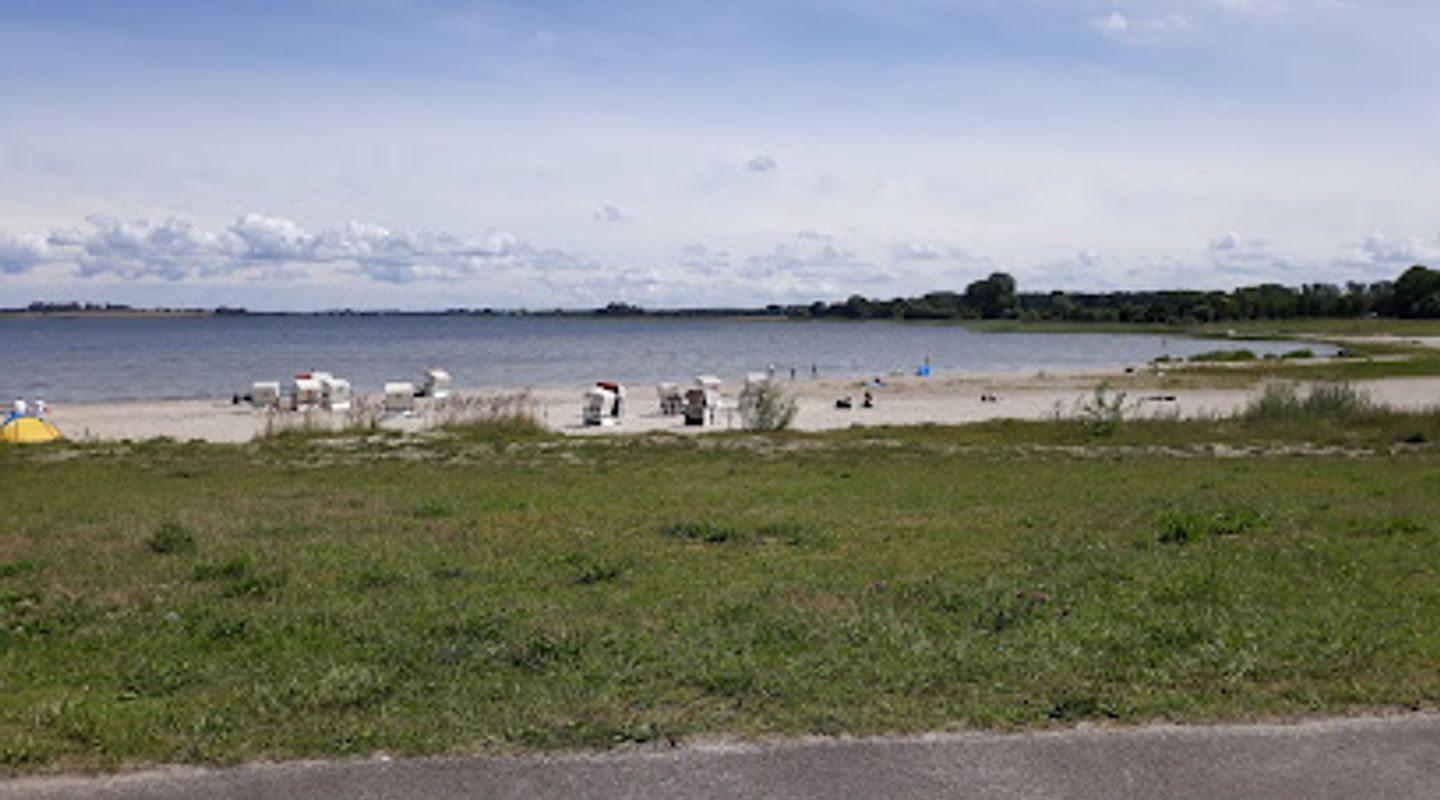
Eldena, nestled by the Baltic Sea near Greifswald, is a captivating nature preserve steeped in history. The ruins of Eldena Abbey, founded in 1199, stand as a testament to the region's rich past and the area's spiritual significance. Wander through well-marked trails that wind through lush greenery, offering glimpses of diverse flora and fauna. The tranquil beaches provide a serene escape, perfect for leisurely strolls and soaking up the natural beauty. Eldena is not only a haven for nature lovers but also a place where history and art converge, thanks to its association with the renowned Romantic painter Caspar David Friedrich. The combination of natural beauty and historical intrigue makes Eldena a must-visit destination for those seeking a peaceful and enriching experience.
Opening hours
- Every dayOpen 24 hours
Opening hours as listed on the venue’s Google Business Profile. Hours can change for services and special events, so check with the venue before you go.
- Address
- Greifswald
- Website
Getting there
Public Transport
Taxi/Ride-Share
Walking/Biking
Discover more about Eldena
Overview
Eldena, a serene nature preserve located near Greifswald on the Baltic Sea coast, offers visitors a unique blend of natural beauty and historical significance. The area is best known for the evocative ruins of Eldena Abbey, a former Cistercian monastery that dates back to the late 12th century. These ruins, immortalized in the paintings of Caspar David Friedrich, provide a captivating glimpse into the region's past and serve as a focal point for exploring the surrounding landscape. The history of Eldena is deeply intertwined with the establishment and growth of Greifswald itself. The Cistercian monks of Esrum Abbey in Denmark founded the original Hilda Abbey (later known as Eldena Abbey) in 1199. This occurred after they were forced to abandon their initial location in Dargun due to armed conflict. Jaromar I, Prince of the Rani, offered them a new site near the mouth of the River Ryck. The monastery quickly became an important religious, economic, and cultural center in the region, significantly influencing the Christianization of Western Pomerania. The settlement of Greifswald in the 13th century was directly linked to the presence and activities of this influential Cistercian monastery. Eldena Abbey thrived for several centuries, reaching its zenith around 1400. During this period, the monastery oversaw the cultivation and settlement of its extensive lands, contributing to the Ostsiedlung process by establishing Wendish, Danish, and German villages. However, the monastery's influence gradually waned with the rise of Franciscan and Dominican friaries in the growing town of Greifswald. The abbey's fortunes took a turn with the Reformation in 1535 when Duke Philip I introduced Protestantism to Pomerania and seized the monastery's estates. Over the subsequent centuries, the abbey suffered significant damage, particularly during the Thirty Years' War. The buildings fell into disrepair, and their bricks were even used for construction projects in Greifswald. By the early 19th century, Eldena Abbey was largely a ruin. It was during this period of decline that Caspar David Friedrich, the celebrated German Romantic painter, discovered the haunting beauty of the Eldena ruins. Friedrich was captivated by the atmospheric setting and the evocative power of the crumbling monastery. He featured the ruins prominently in many of his paintings, including the iconic "Abbey in the Oakwood." These paintings helped to elevate the ruins to a symbol of Romanticism and brought renewed attention to the site. Today, the Eldena ruins and the surrounding park are a popular destination for both locals and tourists. Visitors can explore the remnants of the medieval monastery, including sections of the church, the cloister, and other monastic buildings. The site provides a tangible connection to the past and a sense of the spiritual and cultural significance that Eldena once held. The park surrounding the ruins was designed by the Prussian landscape architect Peter Joseph Lenné in the early 19th century. This spacious park offers walking paths, scenic views, and a tranquil atmosphere, making it an ideal place for relaxation and contemplation. The park also serves as a venue for various events, including theater performances, concerts, and the Eldena Monastery Market, which takes place annually. Beyond the historical ruins, Eldena is also a nature preserve, boasting diverse flora and fauna. The coastal environment provides habitats for various bird species and other wildlife, making it a popular spot for birdwatching and nature photography. The preserve features well-maintained trails that meander through lush greenery, offering opportunities for hiking and exploring the natural landscape. The nearby Baltic Sea coast provides additional opportunities for recreation, with beaches perfect for strolling and enjoying the sea air. Eldena offers a unique experience that combines history, art, and nature. Whether you are interested in exploring medieval ruins, immersing yourself in Romantic art, or simply enjoying the tranquility of the natural surroundings, Eldena provides a memorable and enriching experience. The site's historical significance, artistic associations, and natural beauty make it a compelling destination for travelers seeking a deeper connection to the past and a respite from the modern world. Visitors can easily spend a day exploring the ruins, wandering through the park, and enjoying the coastal scenery. The combination of cultural and natural attractions makes Eldena a worthwhile destination for anyone visiting the Greifswald area. The site's enduring appeal lies in its ability to transport visitors to another time and place, offering a glimpse into the rich history and natural beauty of the Baltic Sea region.
Evendo Review Centre
 Google
Guest reviews
Explore Eldena on the map
A handpicked selection of must-see spots near Eldena, mapped for you.
Get your free copy of our complete guide to Eldena, delivered straight to you.
Everything on this page, from opening hours and how to get there to Eve’s tips and the best time to go, in one PDF you can read offline, print or share.
Already have an account? Sign in
Your Eldena guide is ready.
We'll send it to · Not you? Sign out

Getting your guide ready…
We are putting together a fresh copy of the Eldena guide. This can take up to a minute.
This can take a few moments. If your browser asks, choose Allow so the download can start. You'll find the guide in your Downloads folder.
Nothing happened? Download it again
Sorry, the guide is taking longer than usual. Please try again in a minute, or get it by email instead.
Other nearby places you may find interesting
The closest places of the same kind, if this one is not quite what you had in mind.
-
-
-
-
-


Swipe for more places
More to explore near Eldena

 Best experiences near Eldena
 Best hotels near Eldena
 Best landmarks near Eldena
 Best attractions near Eldena
 Best shops near Eldena
 Best restaurants near Eldena
 Best bars near Eldena
Do you manage this location?
Take control to get all the benefits, like improved information, better appearance, and stronger visibility across AI-powered discovery.
Explore more
Explore more of Baltic Sea Coast
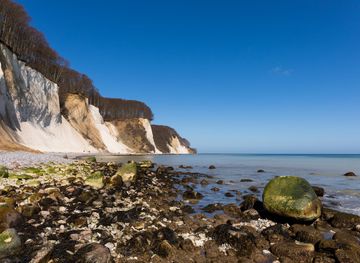
Discover the Baltic Sea Coast in Germany - A blend of scenic beauty, historical charm, and vibrant coastal culture awaits you.
Explore Baltic Sea Coast
Explore more of Germany
Experience Germany: where history meets innovation, and urban energy blends with natural beauty. Discover diverse cultures, delicious cuisine, and stunning landscapes.
Explore Germany