Allied Checkpoint Bravo, Berlin Travel Guide
Explore Allied Checkpoint Bravo, a historic Cold War crossing point on the edge of Berlin, offering a glimpse into a divided past and a chance for quiet reflection.
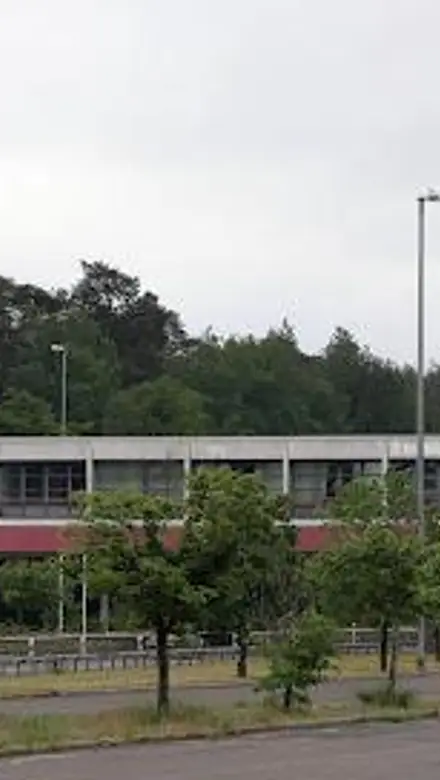
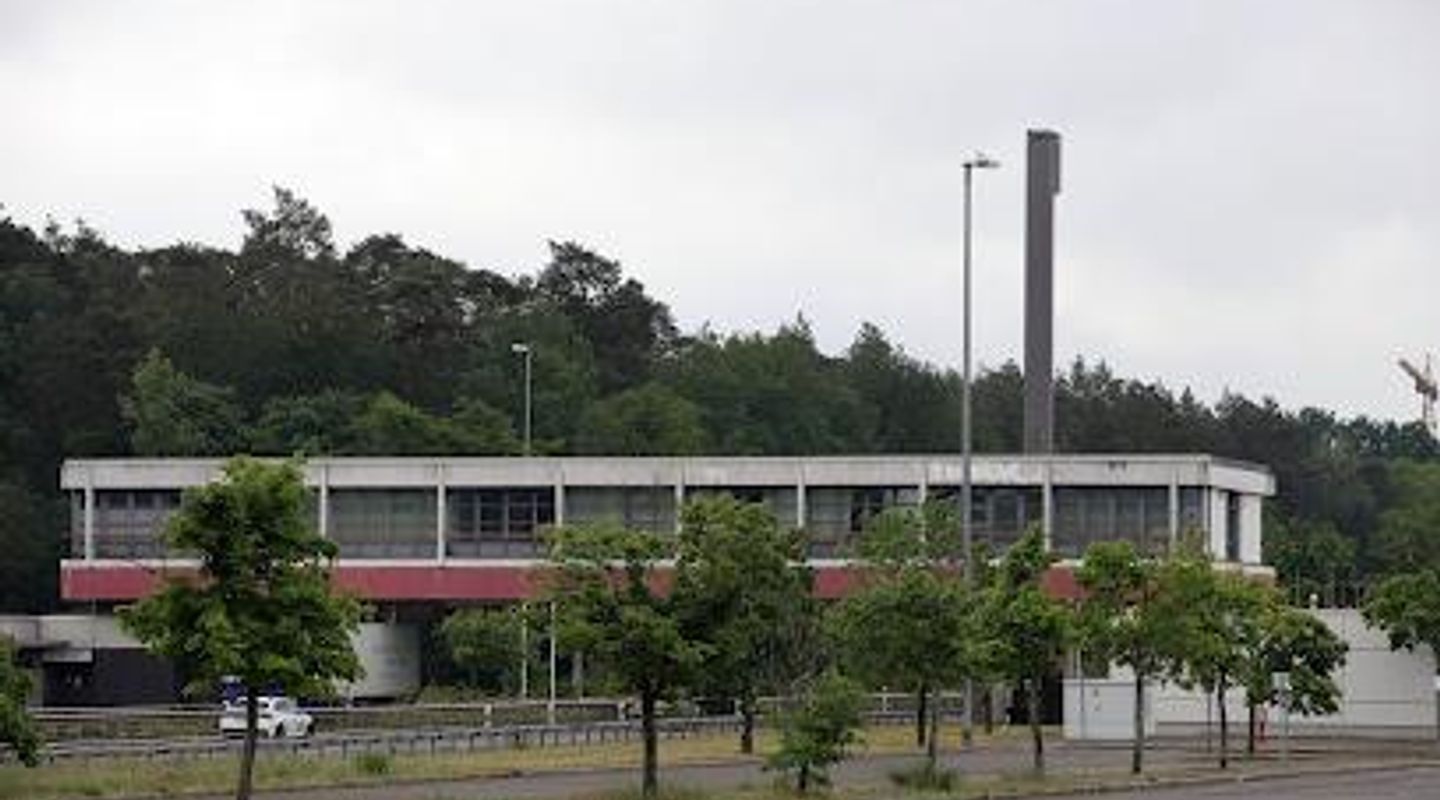
Allied Checkpoint Bravo, once a crucial crossing point between West Berlin and East Germany, stands as a poignant reminder of the Cold War era. Located on the edge of Berlin, near the A115 motorway, this historical landmark offers a glimpse into a divided past. While much of the original infrastructure is gone, remnants of the checkpoint evoke the tension and division that once defined the city. Visitors can explore the area, reflect on the checkpoint's significance, and learn about the experiences of those who crossed its borders. Though less known than Checkpoint Charlie, Bravo offers a quieter, more contemplative experience, inviting reflection on a pivotal period in history. The site provides a tangible connection to the past, making it a worthwhile visit for history enthusiasts and those seeking a deeper understanding of Berlin's complex story. The abandoned buildings and open space offer a unique perspective on the city's division and reunification.
A brief summary to Allied Checkpoint Bravo
- A115, Berlin, Steglitz-Zehlendorf, 14109, DE

Know before you go
Hi, I'm Eve. Here are a few practical things to know before exploring Allied Checkpoint Bravo.
- Wear comfortable shoes, as exploring the area involves walking on uneven terrain.
- Bring a camera to capture the remnants of the checkpoint and the surrounding landscape.
- Combine your visit with a trip to the nearby Europarc Dreilinden to see the former East German checkpoint area.
Do you manage this location?
Take control to get all the benefits, like improved information, better appearance, and stronger visibility across AI-powered discovery. Learn more about listing your business on Evendo
Activate your presenceOther nearby places you may find interesting
The closest places of the same kind, if this one is not quite what you had in mind.

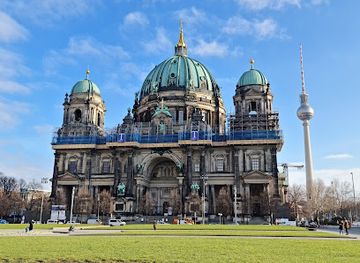

Explore Allied Checkpoint Bravo on the Map
A handpicked selection of must-see spots near Allied Checkpoint Bravo, mapped for you.
Unlock the Best of Allied Checkpoint Bravo
Buy tickets
-
No tickets available
Book tours with entry
-
No tours available
Book tours without entry

Getting There
-
Public Transport
From Potsdam Hauptbahnhof (Main Train Station), take the S-Bahn line S7 towards Ahrensfelde. After approximately 30 minutes, get off at Wannsee station. Transfer to bus 114 towards S-Bahnhof Zehlendorf and alight at the A115 stop, which is the closest to Allied Checkpoint Bravo. From there, walk south along A115 for a short distance to reach the landmark. A single bus fare is approximately €3.80.
-
Walking
If you are near Wannsee S-Bahn station, you can walk to Allied Checkpoint Bravo. Head south along the A115 for about 1 kilometer. The landmark will be on your left side. Be cautious of traffic along the A115.
Discover more about Allied Checkpoint Bravo
More to explore near Allied Checkpoint Bravo













Your all‑in‑one travel companion app
Explore expert travel guides, compare and book tours, experiences, hotels, and more—all from the palm of your hand. Download now for seamless trip planning wherever your wanderlust takes you.


Explore More of Berlin
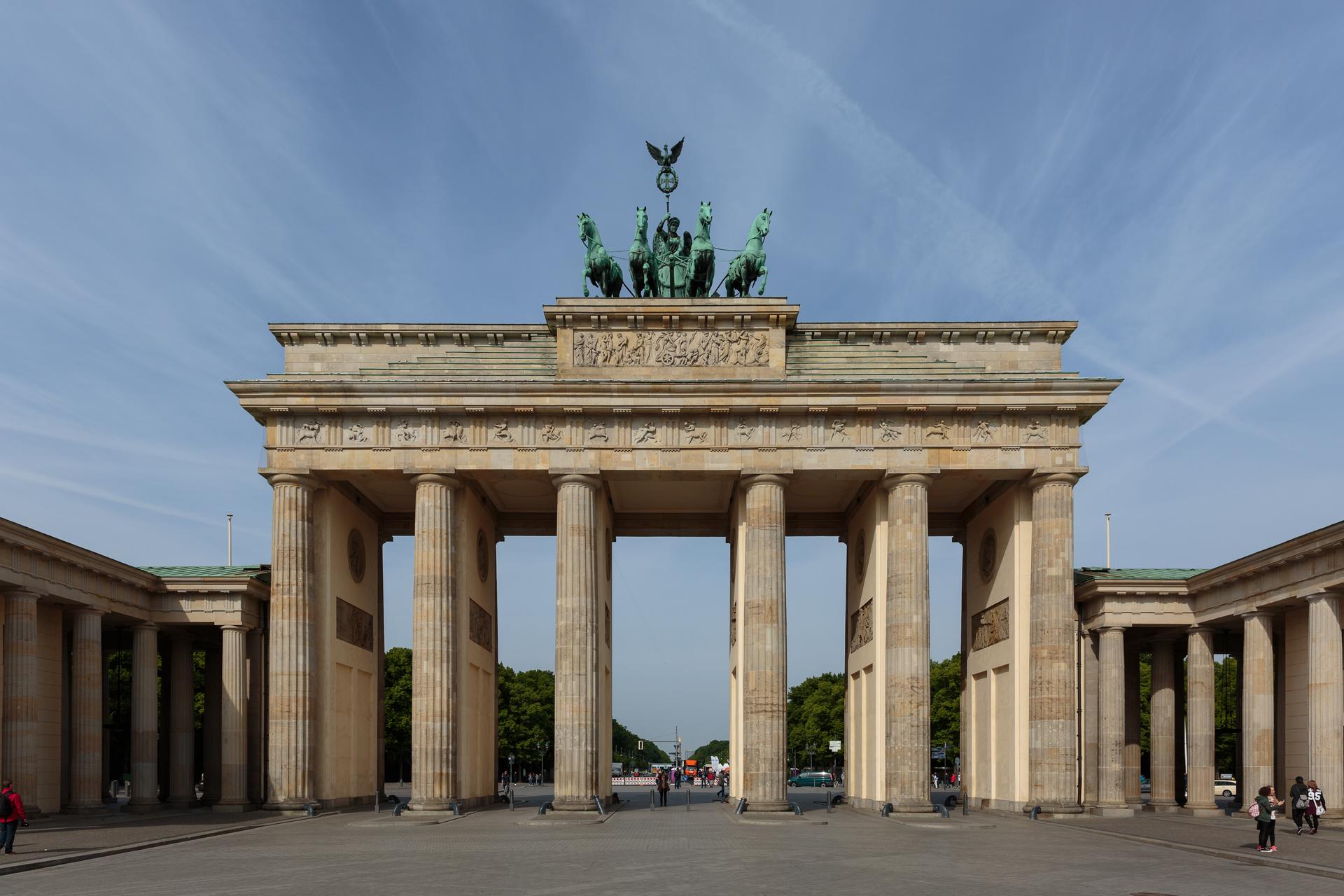
Looking beyond Allied Checkpoint Bravo? Discover Berlin for broader travel guides, local hot-spots, and regional highlights.
Explore Berlin
Explore the rich military history and cultural heritage at the Memorial and Meeting Place Leistikow Street in Potsdam, a poignant space for reflection and remembrance.
Explore the Panzerdenkmal in Kleinmachnow, a fascinating museum dedicated to the history and legacy of armored warfare in a serene setting.