Background

Borussia Monument: A Symbol of Prussian Heritage

Discover the Borussia Monument in Berlin's Wannsee: A captivating landmark embodying Prussian strength and artistry, offering a serene historical experience.

4.3

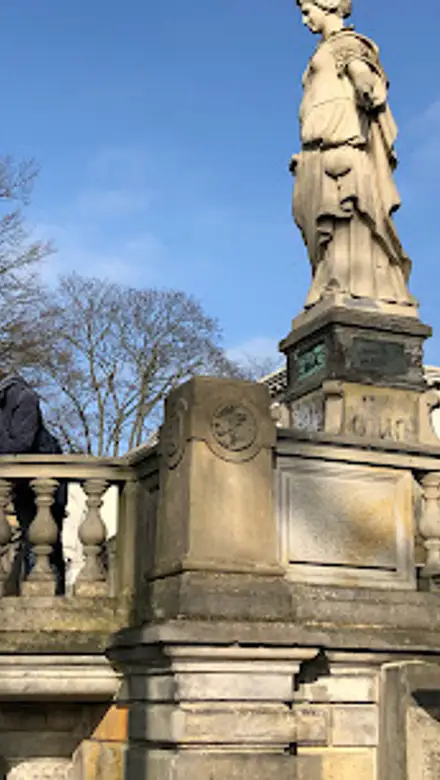
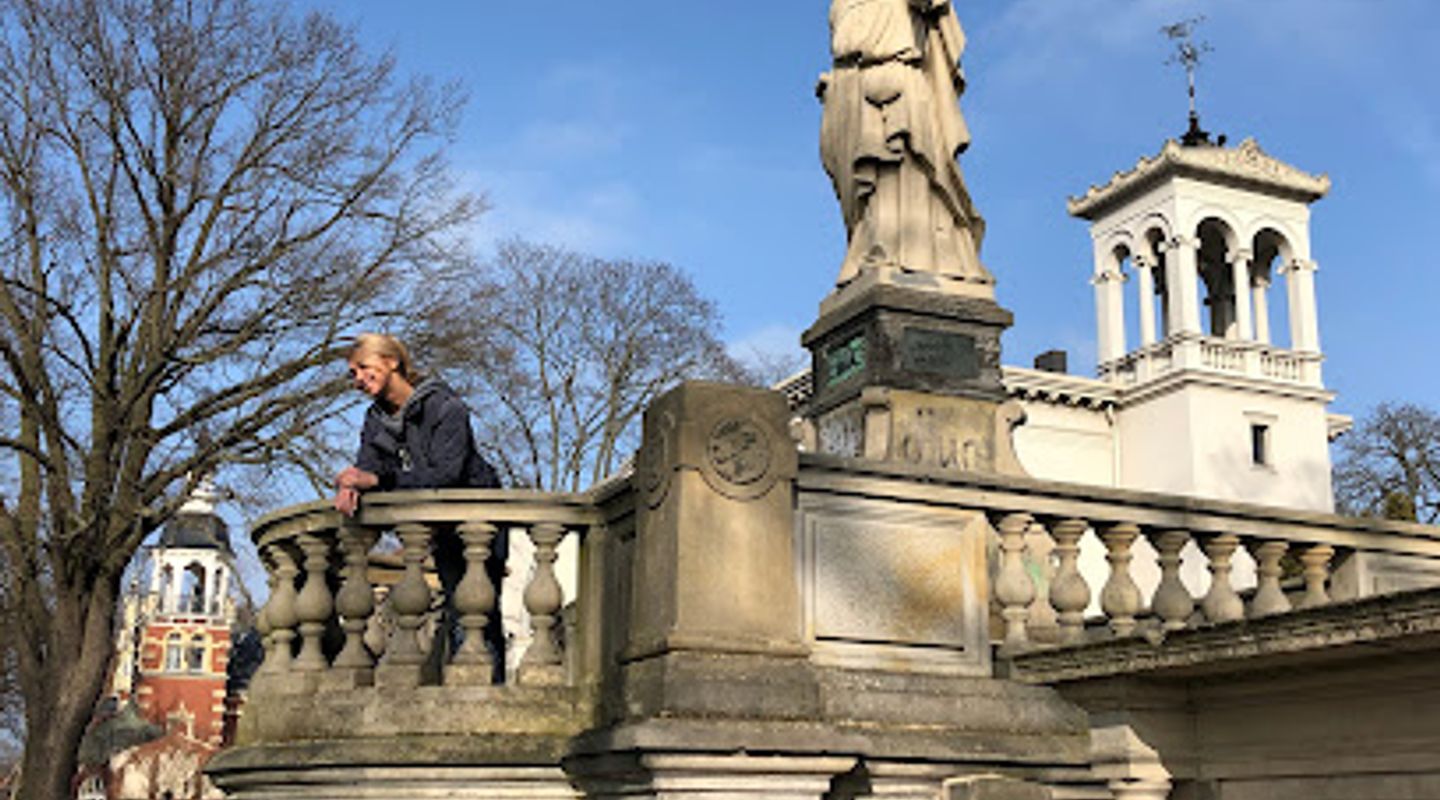
The Borussia Monument, located on Am Sandwerder in Berlin's Wannsee district, is a captivating historical landmark embodying Prussian strength and artistry. Created by sculptor Ernst Sputh, along with Eduard and Andreas Lürssen, and the firm Paul Wimmel & P. Rasche, this monument depicts Borussia, the female personification of Prussia. Erected in 1875, the statue stands as a reminder of the area's rich history and the artistic achievements of the late 19th century. Situated amidst the serene landscape of Wannsee, the monument offers visitors a chance to connect with Berlin's past while enjoying the natural beauty of the surrounding area. The monument is near other significant locations, including the Literarisches Colloquium and the American Academy in Berlin, making it a worthwhile stop for those exploring the cultural and historical treasures of Wannsee. Its presence enriches the area, providing a tangible link to the Kingdom of Prussia and its legacy.

A brief summary to Borussia-Monument

  • Am Sandwerder 1, Berlin, Steglitz-Zehlendorf, 14109, DE
  • Visit website

Local tips

  • Combine your visit with a walk around Wannsee to explore the historic villas and enjoy the lake views.
  • Visit the nearby Literarisches Colloquium Berlin or the American Academy in Berlin to enrich your cultural experience.
  • Take bus 114 from S Wannsee station to the monument.
widget icon

Getting There

  • Public Transport

    From S Wannsee station, take bus 114 towards U Krumme Lanke. Get off at the 'Am Sandwerder' stop, which is directly in front of the street where the Borussia Monument is located. A single VBB ticket costs €4.00 and covers travel within Berlin zones A and B, including Wannsee. The journey takes approximately 5 minutes.

  • Walking

    From S Wannsee station, it's a pleasant 20-minute walk to Am Sandwerder. Exit the station towards Kronprinzessinnenweg and follow the road. Turn left onto Am Sandwerder. Continue along Am Sandwerder; the Borussia Monument will be on your right. No costs are associated with walking.

Unlock the Best of Borussia-Monument

Buy tickets

    No tickets available

Book tours with entry

    No tours available

Book tours without entry

    No tours available

Discover more about Borussia-Monument

Nestled on Am Sandwerder in the tranquil Wannsee district of Berlin, the Borussia Monument stands as a testament to Prussian heritage and artistic excellence. This historical landmark, created in 1875, depicts Borussia, the female personification of Prussia, embodying the strength and spirit of the former kingdom. The monument is not just a statue; it's a tangible link to a bygone era, offering visitors a chance to reflect on Berlin's rich history and cultural identity. The creation of the Borussia Monument involved several talented individuals. Sculptor Ernst Sputh, along with Eduard and Andreas Lürssen, and the firm Paul Wimmel & P. Rasche, collaborated to bring this vision to life. Their combined expertise resulted in a striking representation of Borussia, capturing her essence as a symbol of Prussian ideals. The monument's location on Am Sandwerder adds to its allure, providing a serene and picturesque setting for contemplation and appreciation. Wannsee itself is a historically significant area, known for its elegant villas and beautiful natural landscapes. Am Sandwerder, the street where the monument is located, is particularly notable for its collection of well-preserved villas dating back to the late 19th century. These villas, with their grand architecture and lush gardens, offer a glimpse into the lives of Berlin's elite during the Prussian era. The Borussia Monument fits seamlessly into this historical context, serving as a focal point for exploring the area's cultural heritage. Originally, the street was named Friedrich-Karl-Straße around 1896, after Prince Friedrich Karl of Prussia, who founded the villa colony. In 1933, it was renamed Am Sandwerder, a name that recalls the original designation of the island north of Wannsee in the Havel River, known since 1901 as Schwanenwerder. This renaming reflects the area's connection to the natural landscape and its historical evolution. During the Nazi era, there were plans to transform the area around Am Sandwerder, with intentions to demolish some of the villas for new constructions, including an International Forestry Institute. However, the outbreak of World War II prevented these plans from materializing, preserving the historical character of the area. Today, several of the historic buildings along Am Sandwerder house public institutions, including the Literarisches Colloquium Berlin, the American Academy in Berlin, and the Schullandheim Blumenfisch, contributing to the area's vibrant cultural scene. The Borussia Monument is more than just a statue; it's a symbol of Prussian identity and artistic achievement. Its presence in Wannsee enriches the area, providing a tangible link to the past and a reminder of Berlin's complex history. Visitors to the monument can take a step back in time, imagining the era when Prussia played a central role in shaping the destiny of Germany. The monument's location amidst the natural beauty of Wannsee adds to its appeal, offering a peaceful and reflective experience for those who seek to connect with Berlin's cultural heritage. Exploring the Borussia Monument and its surroundings offers a unique opportunity to delve into Berlin's history and culture. The monument stands as a testament to the artistic and cultural achievements of the Prussian era, inviting visitors to reflect on the legacy of this influential kingdom. Whether you're a history enthusiast, an art lover, or simply seeking a peaceful escape from the bustling city, the Borussia Monument is a worthwhile destination that will leave a lasting impression. The monument's depiction of Borussia, the female personification of Prussia, is particularly significant. In the 19th century, it was common to use allegorical figures to represent nations and ideals. Borussia, with her regal bearing and symbolic attributes, embodied the values and aspirations of the Prussian people. Her image was often used in art and literature to evoke a sense of national pride and identity. The Borussia Monument, therefore, serves as a powerful reminder of the importance of symbols in shaping cultural identity and collective memory. Visiting the Borussia Monument is an opportunity to appreciate the artistic skill and craftsmanship of the late 19th century. The monument's intricate details and lifelike representation of Borussia reflect the talent and dedication of the artists involved in its creation. The monument's enduring presence in Wannsee is a testament to its artistic merit and its significance as a cultural landmark. As you stand before the Borussia Monument, take a moment to reflect on the history and culture that it represents. Imagine the world in which it was created, a world of grand empires, artistic innovation, and national aspirations. Let the monument's presence inspire you to learn more about Berlin's past and to appreciate the rich cultural heritage that it has to offer. The Borussia Monument is not just a statue; it's a gateway to understanding Berlin's identity and its place in the world.

Popular Experiences near Borussia-Monument

Popular Hotels near Borussia-Monument

Select Currency