Kurfürstendamm, Berlin Travel Guide
Experience Berlin's iconic Kurfürstendamm, a vibrant boulevard blending upscale shopping, historical landmarks, and bustling cafe culture in the heart of City West, a must-visit destination.
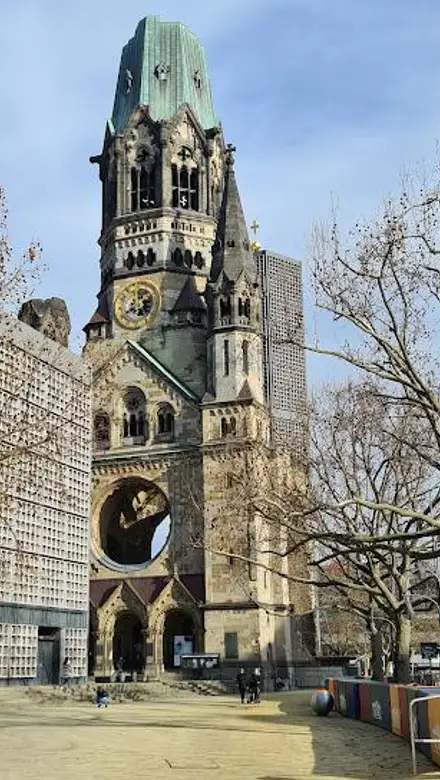
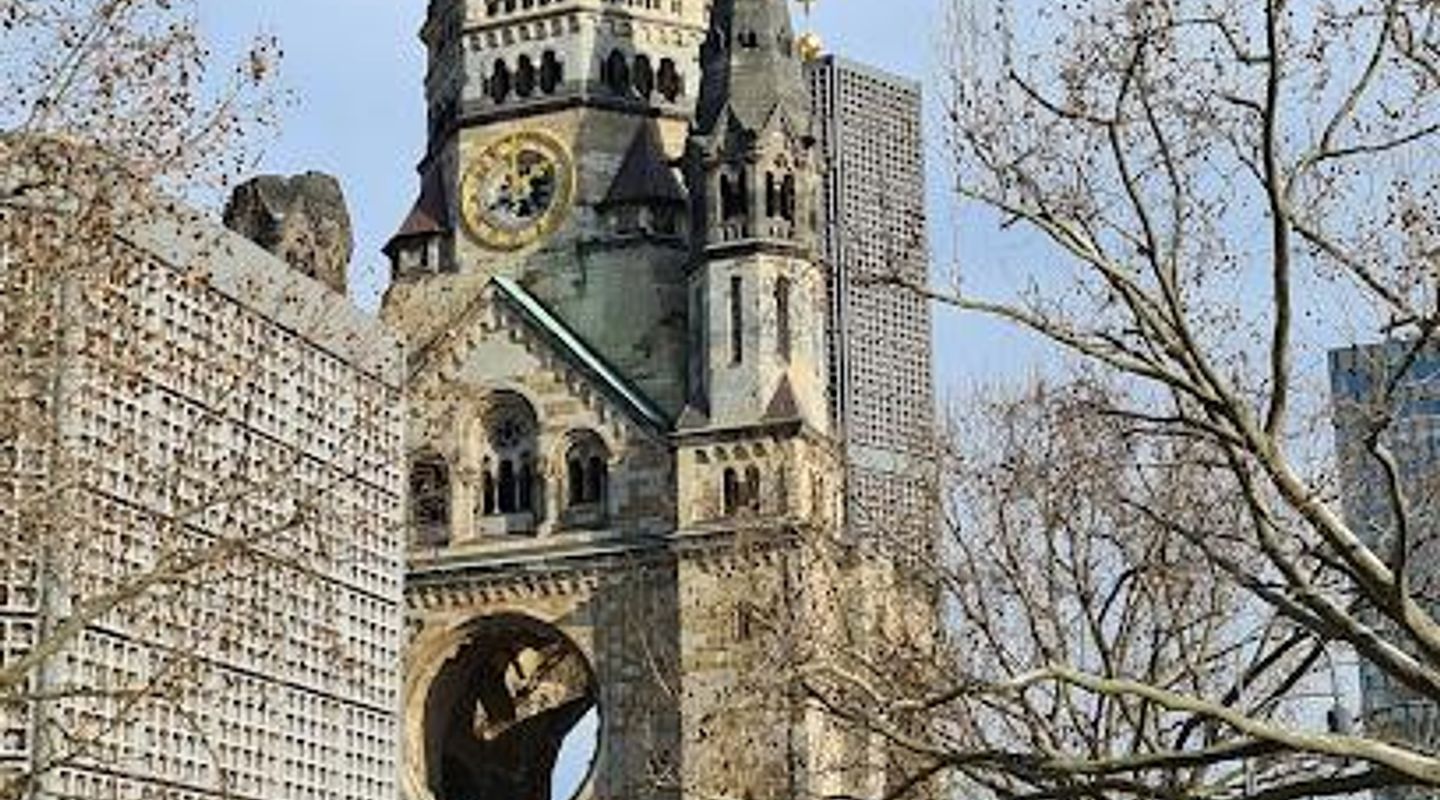
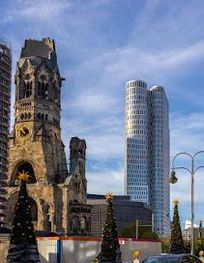
Kurfürstendamm, affectionately known as Ku'damm by Berliners, is more than just a shopping street; it's a vibrant artery pulsing through the heart of City West. This iconic boulevard stretches 3.5 kilometers, offering a blend of high-end boutiques, flagship stores, and architectural landmarks. From its humble beginnings as a bridle path for electors to its transformation into a grand avenue under Bismarck, Ku'damm has witnessed Berlin's evolution. Today, it stands as a testament to the city's resilience and its enduring spirit of commerce and culture. Whether you're seeking luxury goods, a taste of Berlin's cafe culture, or a glimpse into its rich history, Kurfürstendamm promises an unforgettable experience. Explore the Kaiser Wilhelm Memorial Church, a poignant reminder of wartime destruction, or indulge in retail therapy at KaDeWe, the city's most famous department store. Ku'damm is a must-see for any visitor seeking to immerse themselves in the energy of Berlin.
A brief summary to Kurfürstendamm
- Berlin, Charlottenburg-Wilmersdorf, DE

Know before you go
Hi, I'm Eve. Here are a few practical things to know before exploring Kurfürstendamm.
- Explore the side streets for unique boutiques and a quieter atmosphere away from the main boulevard's hustle.
- Visit the Kaiser Wilhelm Memorial Church to reflect on Berlin's history and see its striking modern addition.
- Indulge in Berlin's cafe culture by stopping at one of the many cafes for coffee and people-watching.
- Check out KaDeWe, the Kaufhaus des Westens, for a luxury shopping experience and a taste of Berlin's retail history.
- Take a stroll in the evening to see the boulevard illuminated and experience Berlin's vibrant nightlife.
Do you manage this location?
Take control to get all the benefits, like improved information, better appearance, and stronger visibility across AI-powered discovery. Learn more about listing your business on Evendo
Activate your presenceOther nearby places you may find interesting
The closest places of the same kind, if this one is not quite what you had in mind.
Explore Kurfürstendamm on the Map
A handpicked selection of must-see spots near Kurfürstendamm, mapped for you.
Unlock the Best of Kurfürstendamm
Buy tickets
-
No tickets available
Book tours with entry


Getting There
-
Public Transport
The Kurfürstendamm is easily accessible via Berlin's extensive public transport network. Several U-Bahn (subway) lines serve the area, including the U1, U9, and U12. The U Kurfürstendamm and U Uhlandstrasse stations are both centrally located on the boulevard. Numerous bus lines also operate along Kurfürstendamm, providing convenient connections to other parts of the city. A single ticket for a short trip (Kurzstrecke) on the U-Bahn or bus costs around €2.00-€4.00.
-
Taxi/Ride-Share
Taxis and ride-sharing services are readily available throughout Berlin. A short taxi ride from a nearby transport hub, such as Zoologischer Garten station, to a specific location on Kurfürstendamm will typically cost between €8 and €15, depending on traffic and the exact distance.
-
Driving
Driving to Kurfürstendamm is possible, but parking can be challenging, especially during peak hours. Several multi-story car parks are located in the area, including Q-Park Fürst and car parks at Kudamm-Karree and Neues Kranzler-Eck. Parking fees typically range from €2 to €4 per hour, with daily maximums around €20 to €30. Be aware of limited street parking and potential congestion.
Discover more about Kurfürstendamm













Your all‑in‑one travel companion app
Explore expert travel guides, compare and book tours, experiences, hotels, and more—all from the palm of your hand. Download now for seamless trip planning wherever your wanderlust takes you.


Explore More of Berlin
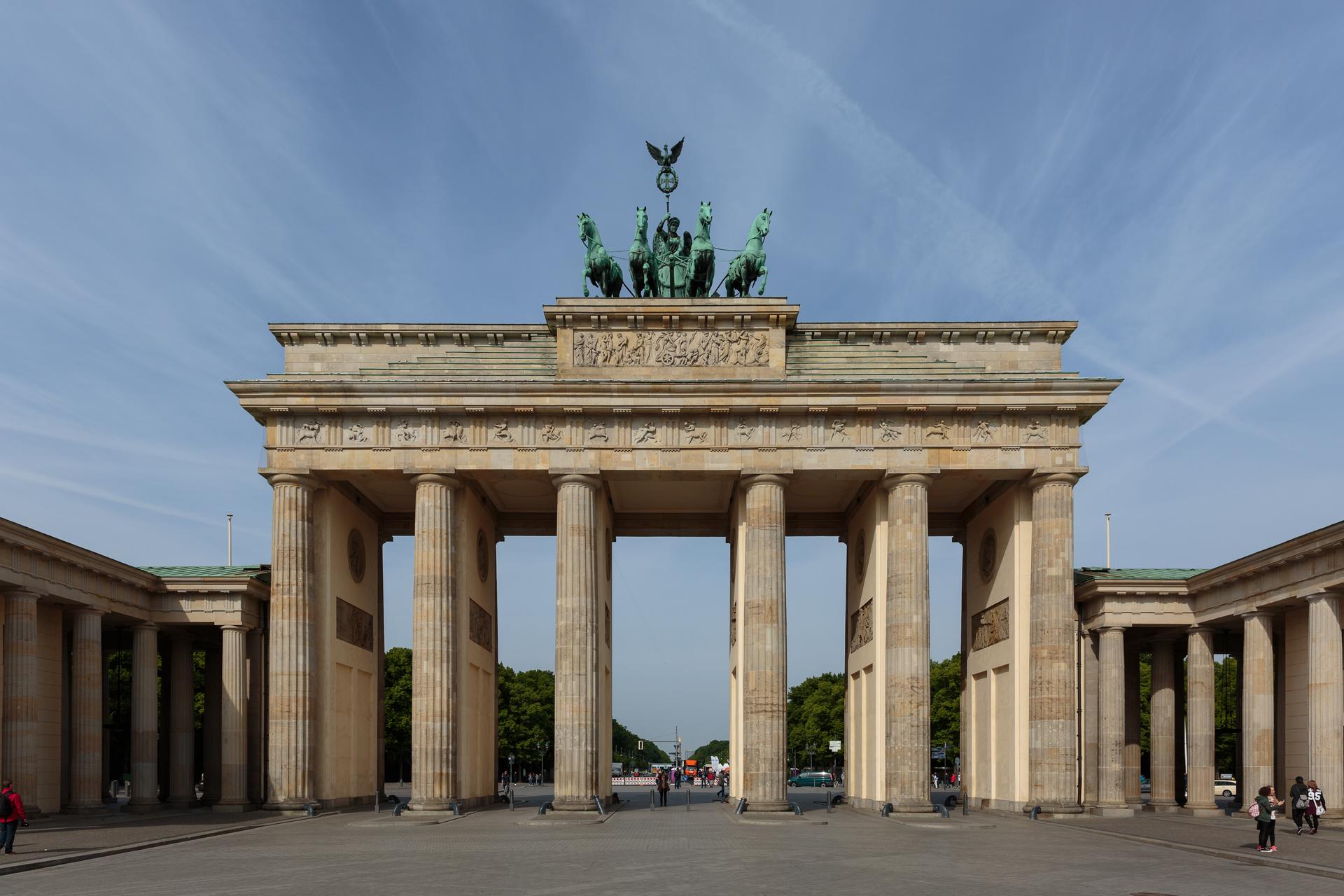
Looking beyond Kurfürstendamm? Discover Berlin for broader travel guides, local hot-spots, and regional highlights.
Explore Berlin
Discover the Landwehr Canal in Berlin, a serene waterway perfect for leisurely strolls, outdoor activities, and vibrant local culture amidst stunning views.
Experience Berlin's vibrant heart at Breitscheidplatz: where history meets modern life, offering iconic landmarks, bustling markets, and a gateway to the city's best attractions.