
Bismarck-Nationaldenkmal, Brandenburg Travel Guide
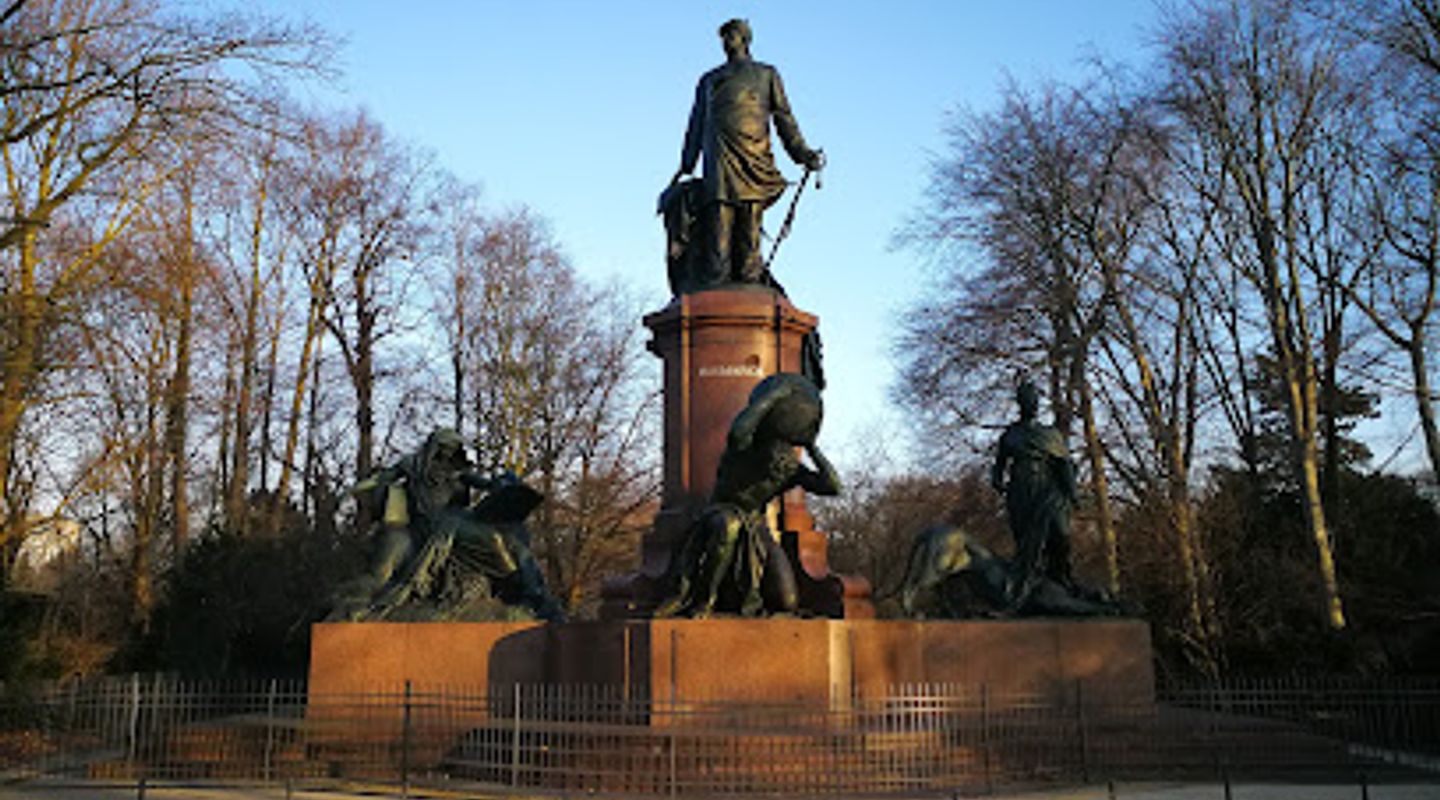
Discover the Bismarck National Monument in Berlin's Tiergarten, a powerful symbol of German history and unity, reflecting the legacy of Otto von Bismarck.
The Bismarck National Monument, a towering tribute to Otto von Bismarck, Germany's first Chancellor, stands proudly in Berlin's Tiergarten. Completed in 1901, the monument portrays Bismarck in ceremonial garb, symbolizing his significant role in unifying Germany. Flanked by allegorical figures representing Germany's strength and cultural heritage, the monument offers a glimpse into the country's complex history and national identity. Located on the Großer Stern, a central square in the Tiergarten, the monument is easily accessible and provides a serene environment for reflection amidst the bustling city. A visit here offers a chance to contemplate German history and admire the artistry of Reinhold Begas's design, making it a worthwhile stop for any traveler exploring Berlin's cultural landscape. The monument serves as a reminder of Germany's past and its journey towards becoming a unified nation.
A brief summary to Bismarck-Nationaldenkmal
- Großer Stern, Berlin, Mitte, 10557, DE

Know before you go
Hi, I'm Eve. Here are a few practical things to know before exploring Bismarck-Nationaldenkmal.
- Take a stroll through the Tiergarten after visiting the monument to enjoy the park's serene atmosphere and discover other nearby landmarks.
- Visit the monument during different times of the day to experience how the light changes and enhances the details of the sculptures.
- Combine your visit with a trip to the nearby Victory Column for panoramic views of the Tiergarten and the city.
Do you manage this location?
Take control to get all the benefits, like improved information, better appearance, and stronger visibility across AI-powered discovery. Learn more about listing your business on Evendo
Activate your presenceOther nearby places you may find interesting
The closest places of the same kind, if this one is not quite what you had in mind.

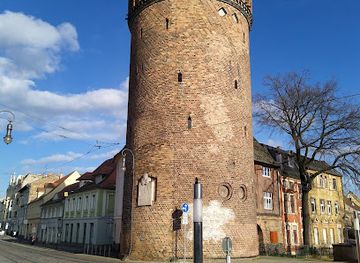
Explore Bismarck-Nationaldenkmal on the Map
A handpicked selection of must-see spots near Bismarck-Nationaldenkmal, mapped for you.
Getting There
-
Public Transport
The Bismarck National Monument is located on the Großer Stern and is easily accessible by public transport. The nearest bus stop is 'Großer Stern', served by bus lines 100, 106, 187, 200 and N26. A single BVG ticket for zones A and B costs €3.50 and is valid for two hours. From the bus stop, the monument is a short walk away.
-
Walking
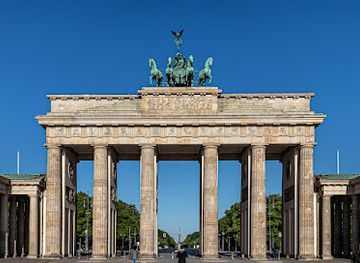
From the Brandenburg Gate, walk west along Straße des 17. Juni through the Tiergarten. The walk to the Großer Stern takes approximately 25-30 minutes and offers scenic views of the park. The Bismarck National Monument is located in the center of the Großer Stern.
-
Taxi/Ride-Share
A taxi or ride-sharing service from Berlin Central Station (Hauptbahnhof) to the Bismarck National Monument will take approximately 10-15 minutes, depending on traffic. The estimated cost is between €14-€20. The drop-off point is directly at the Großer Stern.
Discover more about Bismarck-Nationaldenkmal
More to explore near Bismarck-Nationaldenkmal













Your all‑in‑one travel companion app
Explore expert travel guides, compare and book tours, experiences, hotels, and more—all from the palm of your hand. Download now for seamless trip planning wherever your wanderlust takes you.


Explore More of Brandenburg
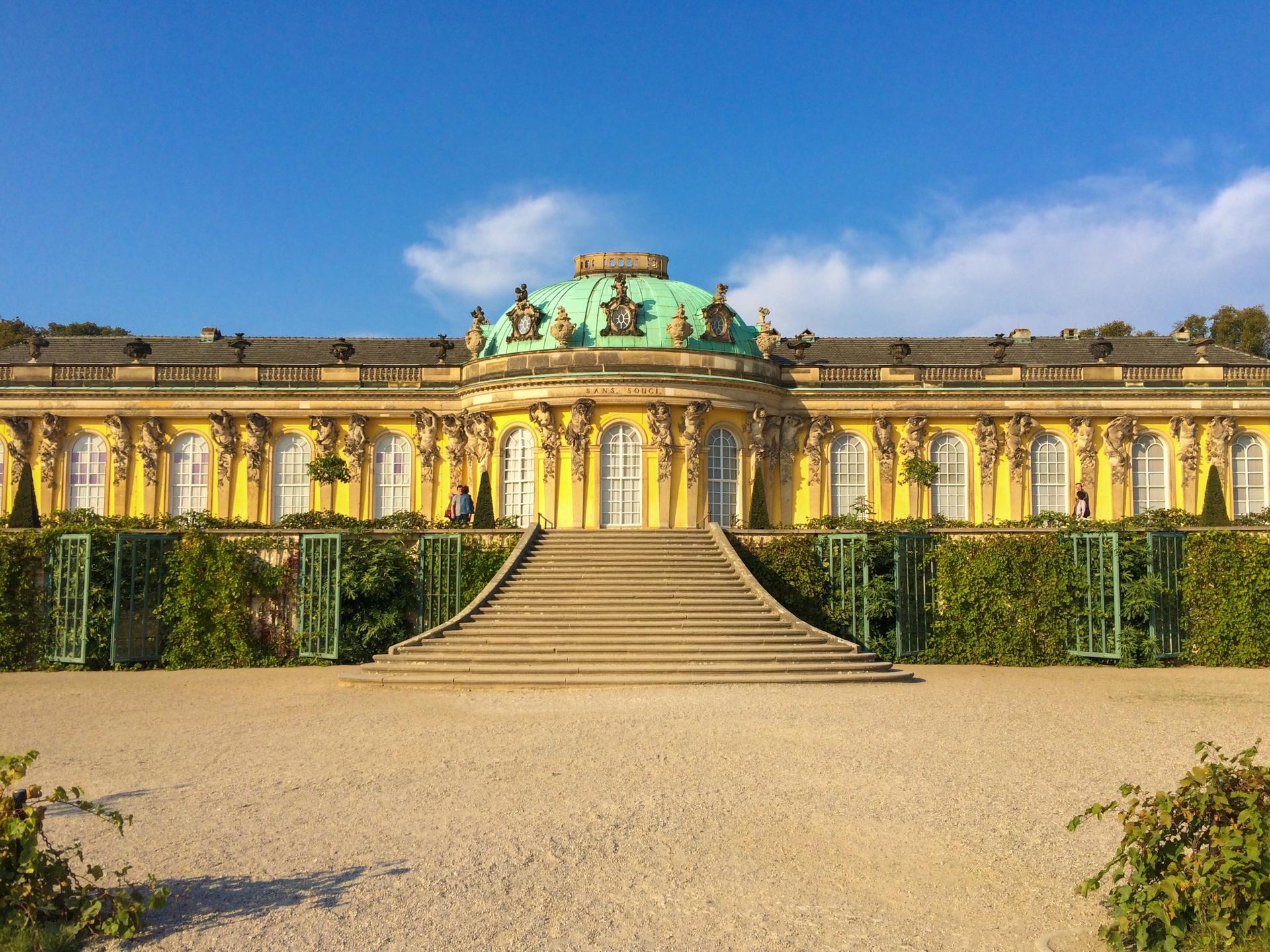
Looking beyond Bismarck-Nationaldenkmal? Discover Brandenburg for broader travel guides, local hot-spots, and regional highlights.
Explore Brandenburg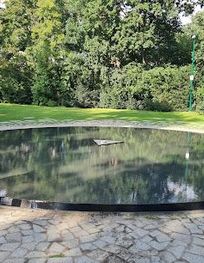
Explore the Memorial to Europe's Sinti and Roma in Berlin, a poignant reminder of resilience against the atrocities of the past.
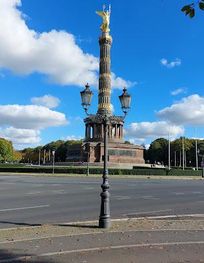
Discover the historic Großer Stern in Berlin, a vibrant square featuring the iconic Victory Column and lush gardens, perfect for leisurely exploration.
