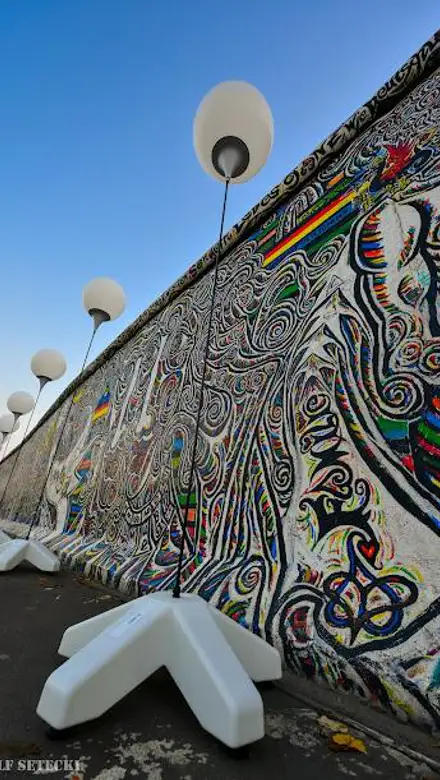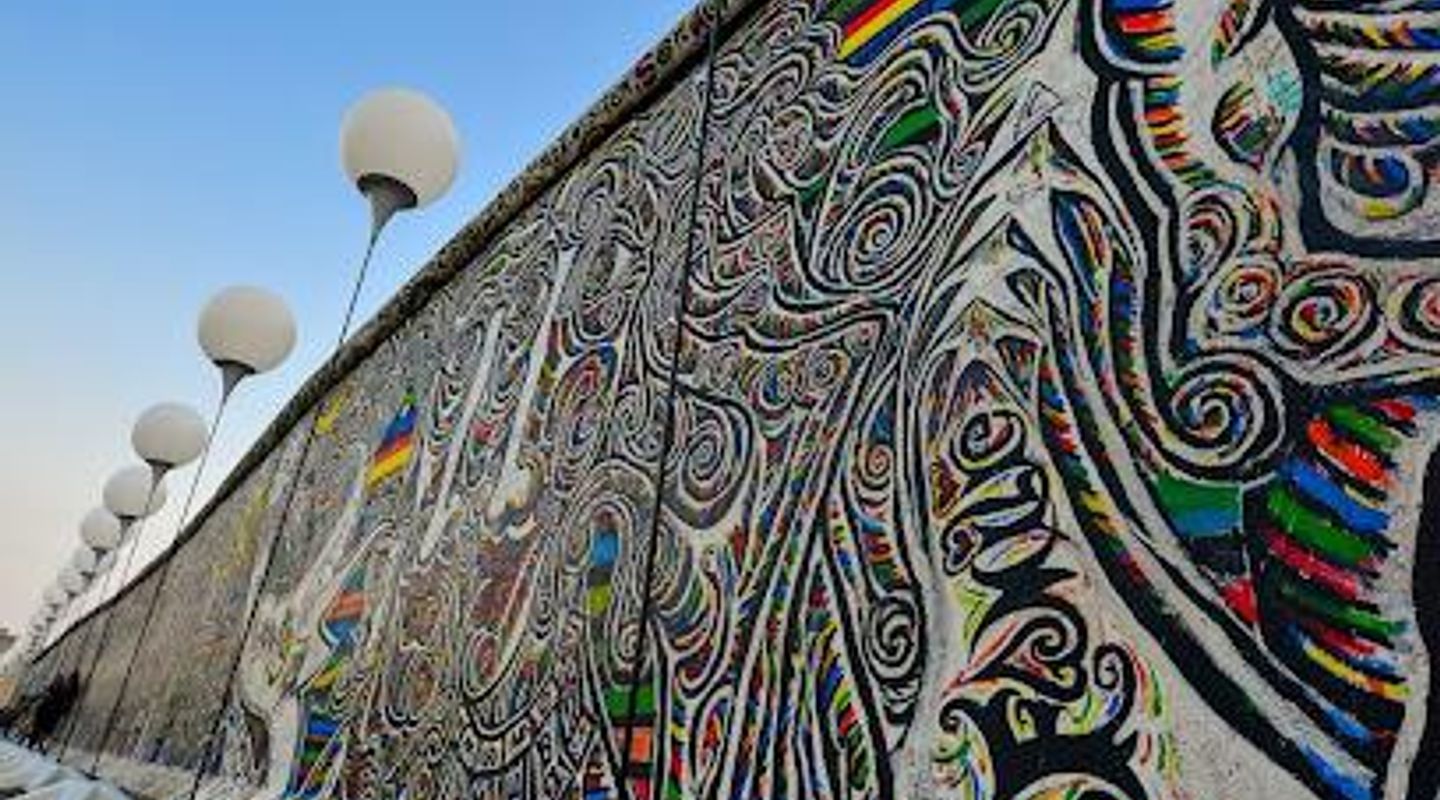
Mühlenstraße, Berlin Travel Guide
Explore Berlin's Mühlenstraße: Home to the iconic East Side Gallery, a vibrant open-air art space on the Berlin Wall, blending history, art, and urban culture.
Mühlenstraße in Berlin, specifically the stretch within Friedrichshain-Kreuzberg, is far more than just a street; it's a vibrant testament to Berlin's tumultuous past and its unwavering spirit of artistic expression. Home to the East Side Gallery, the longest remaining section of the Berlin Wall, Mühlenstraße has transformed from a symbol of division into a beacon of unity and freedom. This open-air art gallery showcases over a hundred murals by artists from around the globe, each piece a powerful reflection on history, politics, and the human condition. Beyond the gallery, Mühlenstraße offers a glimpse into Berlin's urban landscape, blending historical remnants with modern developments, creating a unique and compelling experience for visitors. The street's proximity to the Spree River and its accessibility make it a central point for exploring the surrounding vibrant neighborhoods and cultural attractions, solidifying its place as a must-see destination for anyone seeking to understand Berlin's complex identity.
A brief summary to Mühlenstraße
- Berlin, Friedrichshain-Kreuzberg, 10243, DE

Know before you go
Hi, I'm Eve. Here are a few practical things to know before exploring Mühlenstraße.
- Visit early in the morning or late in the afternoon to avoid the crowds and have a more intimate experience with the East Side Gallery's artwork.
- Take your time to explore each mural at the East Side Gallery; many have hidden meanings and historical context that are worth discovering.
- Wear comfortable shoes, as you'll be walking along a 1.3-kilometer stretch of the East Side Gallery and may want to explore the surrounding neighborhoods.
- Check out the nearby Oberbaum Bridge for great views of the Spree River and the city skyline, especially beautiful at sunset.
- Explore the side streets off Mühlenstraße to discover local cafes, restaurants, and shops that offer a more authentic Berlin experience.
Do you manage this location?
Take control to get all the benefits, like improved information, better appearance, and stronger visibility across AI-powered discovery. Learn more about listing your business on Evendo
Activate your presenceOther nearby places you may find interesting
The closest places of the same kind, if this one is not quite what you had in mind.
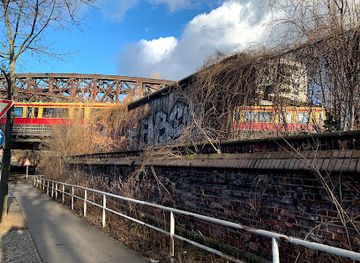
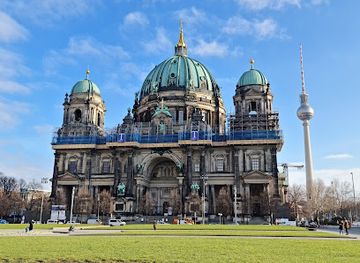
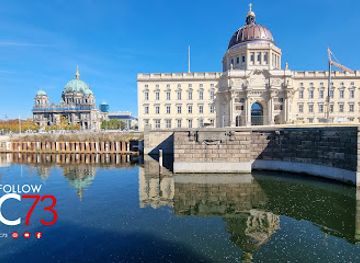
Explore Mühlenstraße on the Map
A handpicked selection of must-see spots near Mühlenstraße, mapped for you.
Getting There
-
Public Transport
To reach Mühlenstraße and the East Side Gallery, the most convenient option is public transport. From Alexanderplatz, take the S-Bahn lines S3, S5, S7, or S9 to Warschauer Straße station (€3.00-€4.00). Alternatively, take the U1 or U3 to Warschauer Straße (€3.00-€4.00). From Warschauer Straße, walk south along Warschauer Straße, then turn left onto Mühlenstraße. The East Side Gallery will be on your right. You can also take the S-Bahn to Ostbahnhof station (€3.00-€4.00) and walk north along Mühlenstraße to reach the southern end of the East Side Gallery. Bus line 300 also stops near the East Side Gallery (€3.00-€4.00).
-
Taxi/Ride-Share
If you prefer a taxi or ride-sharing service, a ride from Alexanderplatz to Mühlenstraße will cost approximately €15-€25, depending on traffic. The journey typically takes 15-20 minutes. Be sure to specify 'Mühlenstraße, East Side Gallery' as your destination to avoid confusion with other streets of the same name in Berlin. Note that traffic can be heavy during peak hours.
-
Driving
If driving, navigate to Mühlenstraße 60, 10243 Berlin. Limited public parking is available on Mühlenstraße, but it fills up quickly. Several parking garages are located near the Mercedes-Benz Arena (Tamara-Danz-Straße), about a 5-10 minute walk from the East Side Gallery. Expect to pay around €3.50 per hour, with a daily maximum of €35.00. Be aware that traffic can be congested, especially during events at the arena. Disabled parking is available in the Plaza car park and the Uber Arena car park.
Discover more about Mühlenstraße













Your all‑in‑one travel companion app
Explore expert travel guides, compare and book tours, experiences, hotels, and more—all from the palm of your hand. Download now for seamless trip planning wherever your wanderlust takes you.


Explore More of Berlin
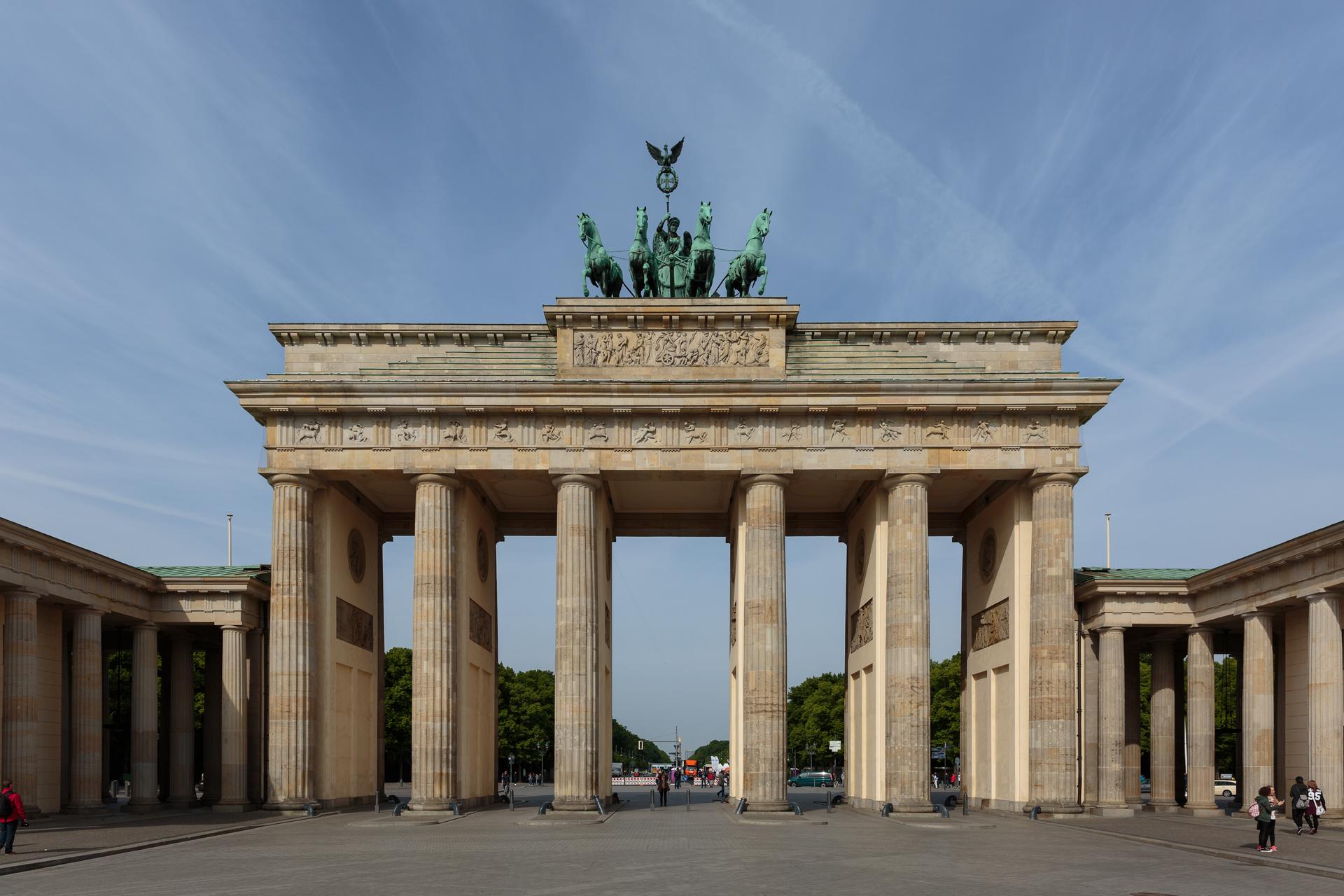
Looking beyond Mühlenstraße? Discover Berlin for broader travel guides, local hot-spots, and regional highlights.
Explore Berlin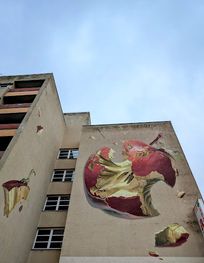
A thought-provoking mural in Berlin's Kreuzberg, Süße Sünde (Sweet Sin) by Onur & Wes21, uses a decaying apple-Earth to powerfully comment on humanity's environmental impact and need for sustainability.
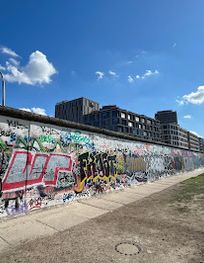
Experience history and art intertwined at the East Side Gallery, the world's largest open-air art gallery on the longest remaining section of the Berlin Wall, a symbol of freedom and unity.