
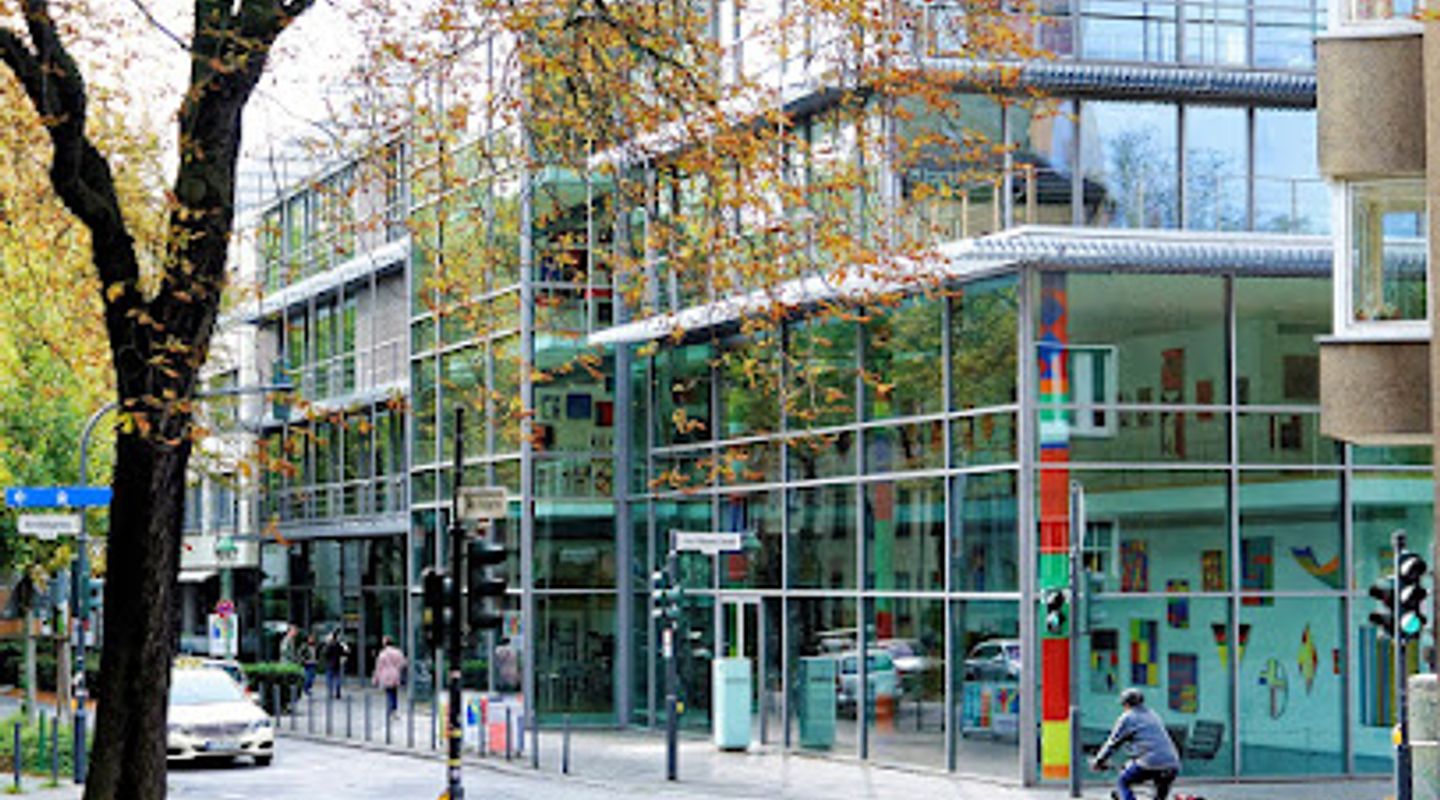
Arithmeum, Bonn Travel Guide
Explore the fascinating history of calculating machines at the Arithmeum in Bonn, where science, technology, and art converge to create a unique and engaging museum experience.
The Arithmeum in Bonn is a captivating museum showcasing the history of calculating machines and the beauty of mathematics. Part of the University of Bonn's Research Institute for Discrete Mathematics, it houses an impressive collection of over 1,200 mechanical calculators, from 17th-century devices to early computers. Visitors can explore interactive exhibits, design microprocessors, and marvel at the intricate architecture of VLSI chips. The museum also features a collection of historical arithmetic books and geometric constructivist art, creating a unique blend of science, technology, and aesthetics. With its engaging displays and educational programs, the Arithmeum offers a fascinating journey through the evolution of computation and its impact on modern life, making it a must-see destination for curious minds of all ages. It's a place where art and science converge, offering a unique perspective on the world of numbers and technology.
A brief summary to Arithmeum
- Lennéstraße 2, Bonn, 53113, DE
- Click to display
- Click to display
- Tuesday 11 am-6 pm
- Wednesday 11 am-6 pm
- Thursday 11 am-6 pm
- Friday 11 am-6 pm
- Saturday 11 am-6 pm
- Sunday 11 am-6 pm

Know before you go
Hi, I'm Eve. Here are a few practical things to know before exploring Arithmeum.
- Visit on a weekday afternoon for a less crowded experience and more time to explore the interactive exhibits.
- Join a guided tour on Sundays at 11 a.m. or a public guided art tour at 3 p.m. for deeper insights into the collection.
- Check out the "Early Computers and PCs" tour on the first Friday of each month at 6 p.m. (registration required).
Do you manage this location?
Take control to get all the benefits, like improved information, better appearance, and stronger visibility across AI-powered discovery. Learn more about listing your business on Evendo
Activate your presenceOther nearby places you may find interesting
The closest places of the same kind, if this one is not quite what you had in mind.
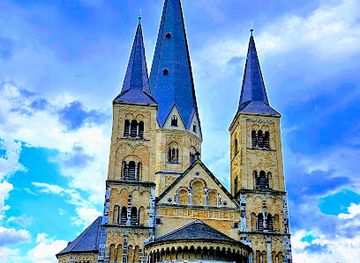
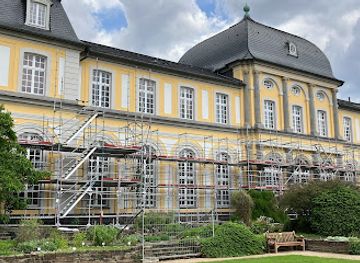
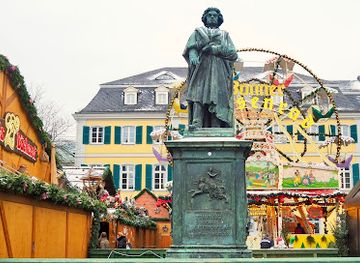
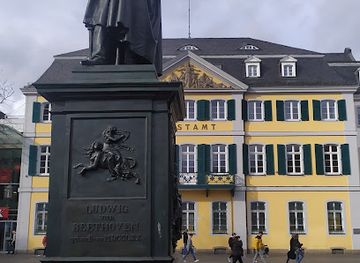
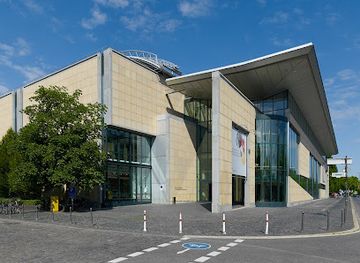
Explore Arithmeum on the Map
A handpicked selection of must-see spots near Arithmeum, mapped for you.
Unlock the Best of Arithmeum
Buy tickets
-
No tickets available
Book tours with entry
-
No tours available
Book tours without entry

Getting There
-
Public Transport
From Bonn Hauptbahnhof (Central Station), take subway lines 16, 63, or 66 to the "Bertha-von-Suttner-Platz/Beethoven Haus" stop. Alternatively, take bus routes 610 or 611 to the "Kaufmannstraße" stop. From either stop, the Arithmeum is within a short walking distance. A single ticket (EinzelTicket) for adults within Bonn (price level 1b) costs €2.20 and is valid for 90 minutes.
-
Walking
The Arithmeum is approximately a 20-30 minute walk from Bonn Hauptbahnhof (Central Station). Exit the station and follow the signs towards the city center (Universität). Walk along Adenauerallee, then turn left onto Lennéstraße. The Arithmeum will be on your right.
-
Taxi/Ride-Share
A taxi or ride-share from Bonn Hauptbahnhof to the Arithmeum will take approximately 5-10 minutes, depending on traffic. The estimated cost is between €8-€12. Note that prices may vary depending on the provider and time of day.
-
Driving
If driving, use a GPS and input the address: Lennéstraße 2, 53113 Bonn, Germany. Parking is available in the vicinity, with public parking signs indicating available spaces. The Juridicum underground parking garage (access via Lennéstraße) may be open. Day parking permits for the University parking garage are available for €1.20 at the foyer of the former Deutscher Herold Building (Poppelsdorfer Allee 31-33). Stiftsgarage Bonn, located in the city center, is another parking option.
Discover more about Arithmeum













Your all‑in‑one travel companion app
Explore expert travel guides, compare and book tours, experiences, hotels, and more—all from the palm of your hand. Download now for seamless trip planning wherever your wanderlust takes you.


Explore More of Bonn
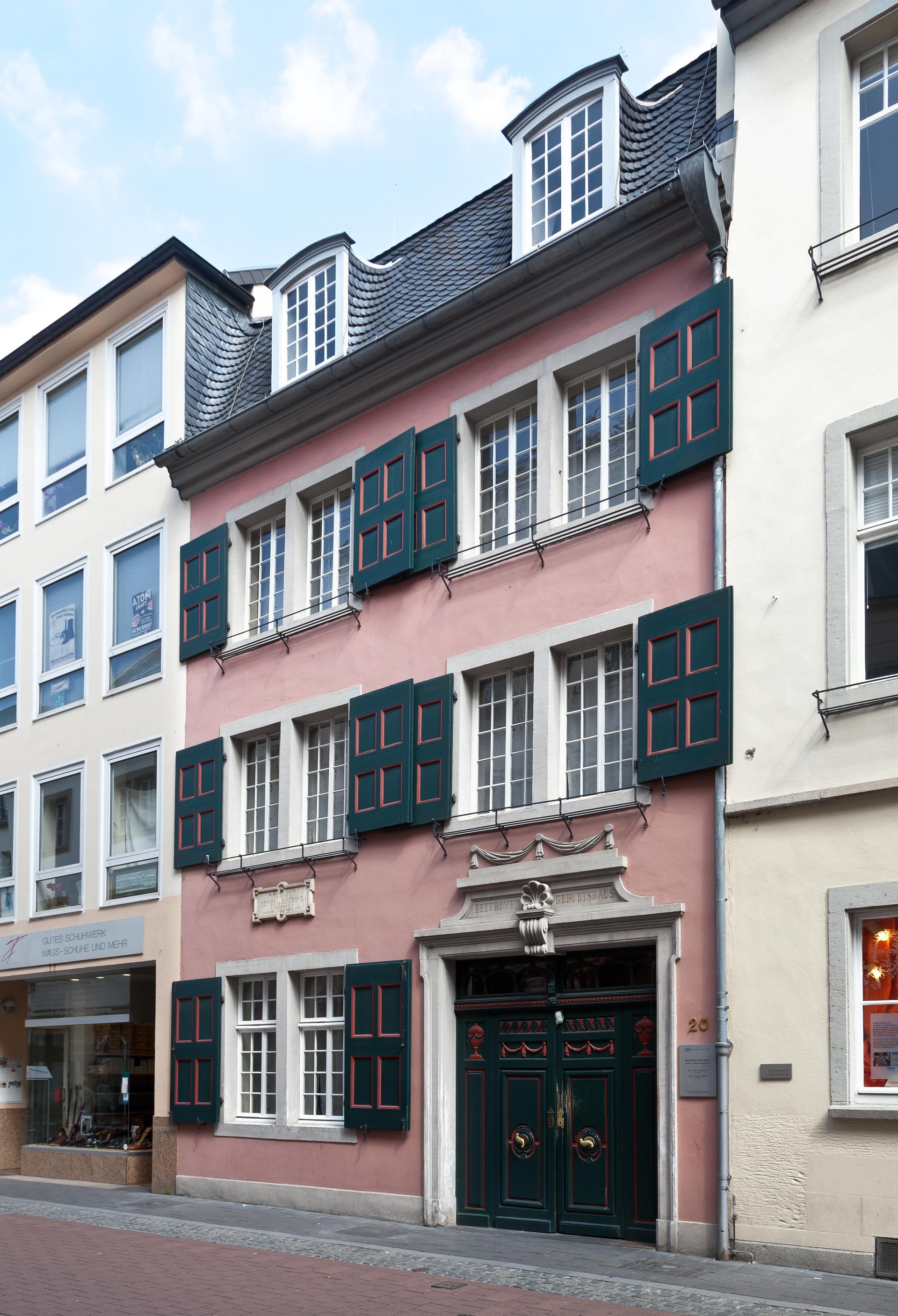
Looking beyond Arithmeum? Discover Bonn for broader travel guides, local hot-spots, and regional highlights.
Explore Bonn
Discover Bonn's vibrant Quay Bonn-Bundeshaus: Where history meets scenic beauty along the Rhine, offering a unique blend of culture, politics, and riverside charm.
Uncover Bonn's Roman past at the Römische Badeanlage: Explore remarkably preserved ancient bath ruins beneath the city and step back nearly 2,000 years into history.
