

Historický plán města, Bonn Travel Guide
Explore Bonn's captivating past through an intricate historical city map, tracing its evolution from Roman settlement to Germany's former capital.
The Historischer Plan der Stadt (Historical City Map) in Bonn offers a fascinating glimpse into the city's rich past. Located in the heart of Bonn, this historical landmark provides a unique perspective on how the city evolved over centuries. Visitors can explore the intricate details of the map, tracing the development of Bonn from its early beginnings as a Roman settlement to its time as the capital of West Germany. The map showcases significant landmarks, old city walls, and the changing layout of streets, offering a tangible connection to Bonn's historical narrative. It's a must-see for history enthusiasts and anyone interested in understanding the urban development of this vibrant German city. The detailed cartography and historical context make it an engaging and educational experience for all ages. Exploring the map provides a deeper appreciation for Bonn's cultural heritage and its transformation through time, making it a worthwhile stop on any Bonn itinerary.
A brief summary to Historický plán města
- Bonn, DE

Know before you go
Hi, I'm Eve. Here are a few practical things to know before exploring Historický plán města.
- Combine your visit with a walking tour of Bonn's Old Town to see the historical landmarks in person and gain a deeper understanding of the city's past.
- Check for guided tours or informational panels near the map to learn more about specific historical periods and events in Bonn's history.
- Visit the Bonn City Museum (StadtMuseum Bonn) to complement your map exploration with additional exhibits and artifacts related to the city's history.
Do you manage this location?
Take control to get all the benefits, like improved information, better appearance, and stronger visibility across AI-powered discovery. Learn more about listing your business on Evendo
Activate your presenceOther nearby places you may find interesting
The closest places of the same kind, if this one is not quite what you had in mind.
Explore Historický plán města on the Map
A handpicked selection of must-see spots near Historický plán města, mapped for you.
Getting There
-
Walking
The Historischer Plan der Stadt is centrally located in Bonn's city center, making it easily accessible on foot from many major attractions and transport hubs. From the Bonn Minster or the Market Square (Marktplatz), walk in the general direction of the University of Bonn. The map is often displayed in a public area or museum near the university. Orientation is easy due to the central location.
-
Public Transport
If arriving by public transport, the closest stops are 'Universität/Markt' (subway lines 16, 63, 66) or 'Bertha-von-Suttner-Platz/Beethovenhaus' (tram lines 61, 62). From either stop, it's a short walk to the city center and the likely location of the historical map, near the University of Bonn. A single ticket within Bonn (price level 1b) costs approximately €2.20.
-
Taxi/Ride-Share
A taxi or ride-share from Bonn Central Station (Hauptbahnhof) to the city center location of the Historischer Plan der Stadt would be a short ride, costing approximately €8-€12, depending on traffic. Ask to be dropped off near the University of Bonn or the Marktplatz.
Discover more about Historický plán města













Your all‑in‑one travel companion app
Explore expert travel guides, compare and book tours, experiences, hotels, and more—all from the palm of your hand. Download now for seamless trip planning wherever your wanderlust takes you.


Explore More of Bonn
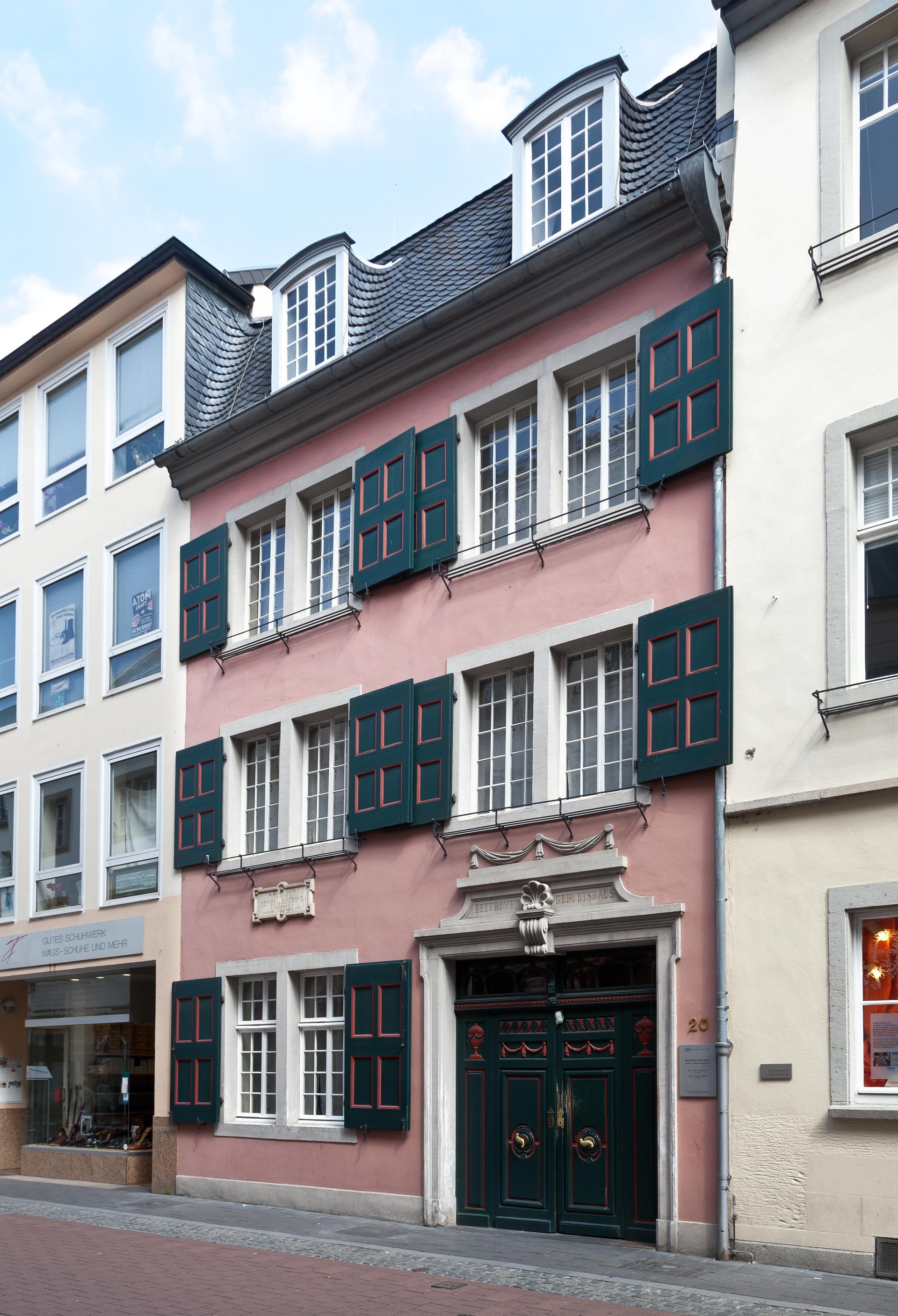
Looking beyond Historický plán města? Discover Bonn for broader travel guides, local hot-spots, and regional highlights.
Explore Bonn
Explore ancient Greek and Roman art at Bonn's Museum of Academic Art, home to a vast collection of plaster casts and original artifacts from classical antiquity.
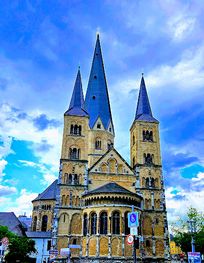
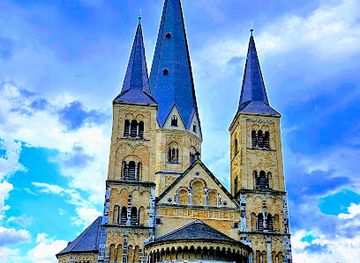
Discover the Bonn Minster, a magnificent Romanesque basilica in the heart of Bonn, Germany, showcasing centuries of history, art, and religious significance through its stunning architecture and sacred atmosphere.
