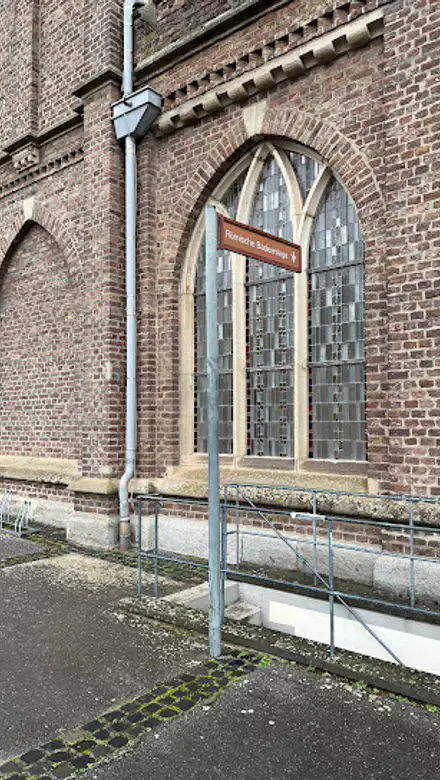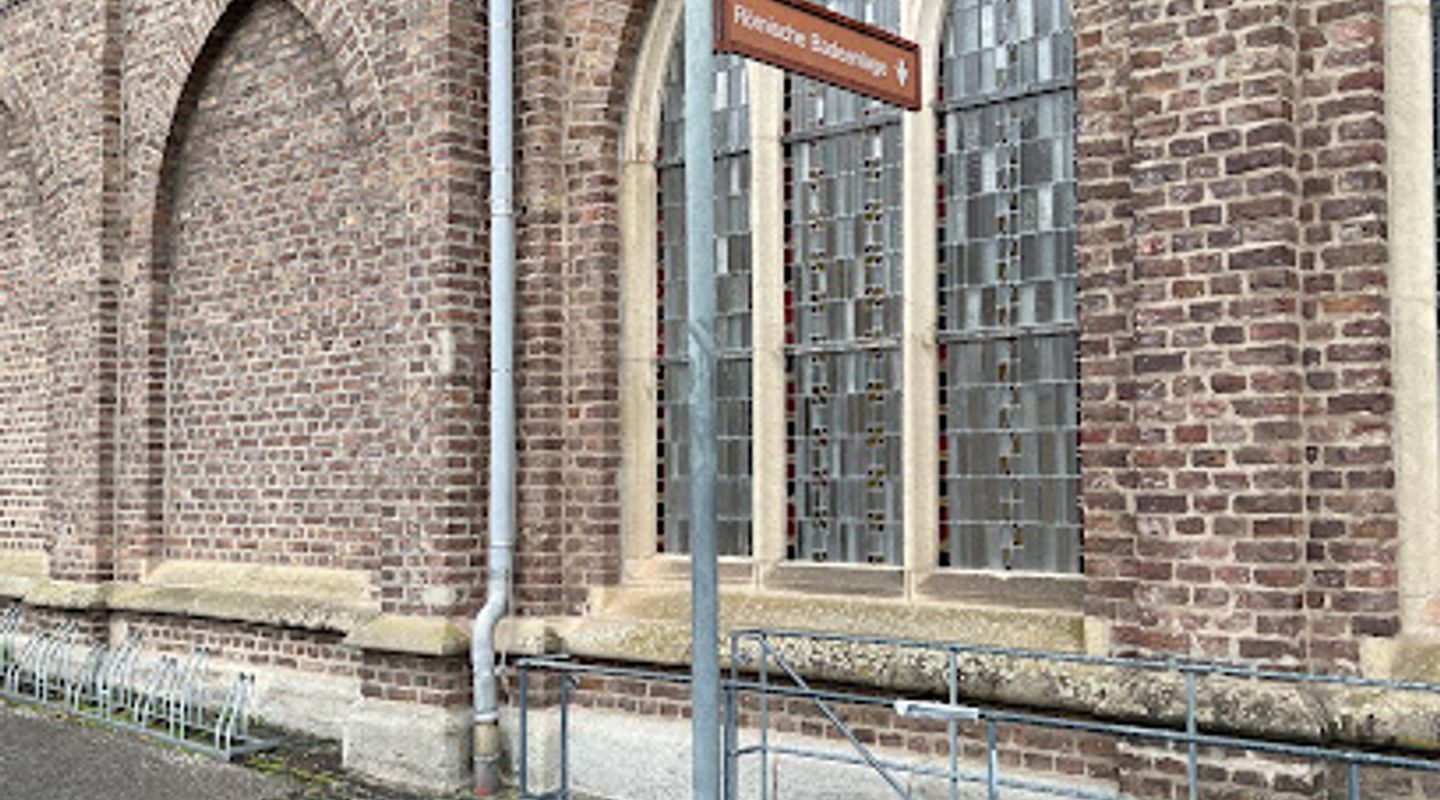
Römische Badeanlage, Bonn Travel Guide
Uncover Bonn's Roman past at the Römische Badeanlage: Explore remarkably preserved ancient bath ruins beneath the city and step back nearly 2,000 years into history.
The Römische Badeanlage, nestled in the heart of Bonn, offers a fascinating journey back to the city's Roman past. These well-preserved ruins, located beneath the Collegium Albertinum, showcase the remnants of a Roman bathhouse dating back nearly two millennia. Visitors can explore the intricate heating systems, tiled floors, and learn about the daily lives of Roman soldiers and citizens who once frequented these baths. The site provides a unique insight into Roman engineering and culture, revealing how the ancient Romans lived, relaxed, and socialized in this northern outpost of their vast empire. With free admission and informative displays, the Römische Badeanlage is an accessible and enriching experience for history enthusiasts of all ages. It's a tangible link to Bonn's origins and a reminder of the lasting impact of Roman civilization on the region. The site is easily accessible by public transport and is located near other cultural attractions, making it a convenient stop on any Bonn itinerary.
A brief summary to Römische Badeanlage
- Adenauerallee 19, Bonn, 53113, DE

Know before you go
Hi, I'm Eve. Here are a few practical things to know before exploring Römische Badeanlage.
- Visit early in the morning to avoid crowds and enjoy a more peaceful experience of the ruins.
- Combine your visit with a trip to the nearby LVR-LandesMuseum Bonn to see more Roman artifacts and learn about the region's history.
- Check for guided tours, as they can provide deeper insights into the site's history and significance.
Do you manage this location?
Take control to get all the benefits, like improved information, better appearance, and stronger visibility across AI-powered discovery. Learn more about listing your business on Evendo
Activate your presenceOther nearby places you may find interesting
The closest places of the same kind, if this one is not quite what you had in mind.
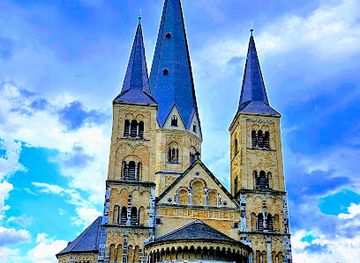
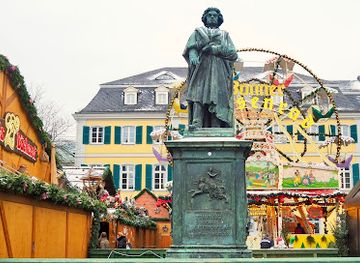
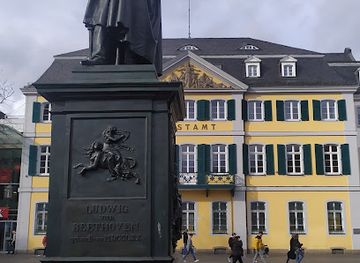
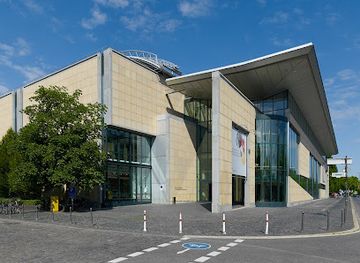
Explore Römische Badeanlage on the Map
A handpicked selection of must-see spots near Römische Badeanlage, mapped for you.
Getting There
-
Public Transport
From Bonn Hauptbahnhof (main train station), take Tram Line 16 or 63 towards Bad Godesberg or Königswinter. Get off at the 'Heussallee/Museumsmeile' stop. From there, walk north along Heussallee until you reach Adenauerallee. Turn left and walk for about 5 minutes; the Römische Badeanlage will be on your right at Adenauerallee 19. A single tram fare is approximately €2-€3.
-
Bus
From Bonn Hauptbahnhof, you can take Bus Line 610 or 611. Board the bus at the main bus terminal outside the station. Get off at the stop 'Adenauerallee'. After getting off, walk a short distance toward the building marked as Römische Badeanlage, which is located at Adenauerallee 19. A single bus fare is approximately €2-€3.
-
Walking
From Bonn Hauptbahnhof, exit the station and head towards the main square (Marktplatz). Walk straight towards the Bonner Münster (the main cathedral) and continue on the Altstadt (Old Town) streets. After about 15 minutes, you will reach the intersection with Adenauerallee. Turn right onto Adenauerallee. Continue walking for about 10 minutes until you see Römische Badeanlage on your left at Adenauerallee 19.
-
Taxi/Ride-Share
A taxi or ride-share from Bonn Hauptbahnhof to Römische Badeanlage will take approximately 5-10 minutes, depending on traffic. Expect to pay around €7-€9 for the ride.
-
Driving
If driving, navigate to Adenauerallee 19, 53113 Bonn. Limited parking is available near the Collegium Albertinum. The Unigarage is a nearby parking option. Parking fees typically range from €2-€3 per hour.
Discover more about Römische Badeanlage













Your all‑in‑one travel companion app
Explore expert travel guides, compare and book tours, experiences, hotels, and more—all from the palm of your hand. Download now for seamless trip planning wherever your wanderlust takes you.


Explore More of Bonn
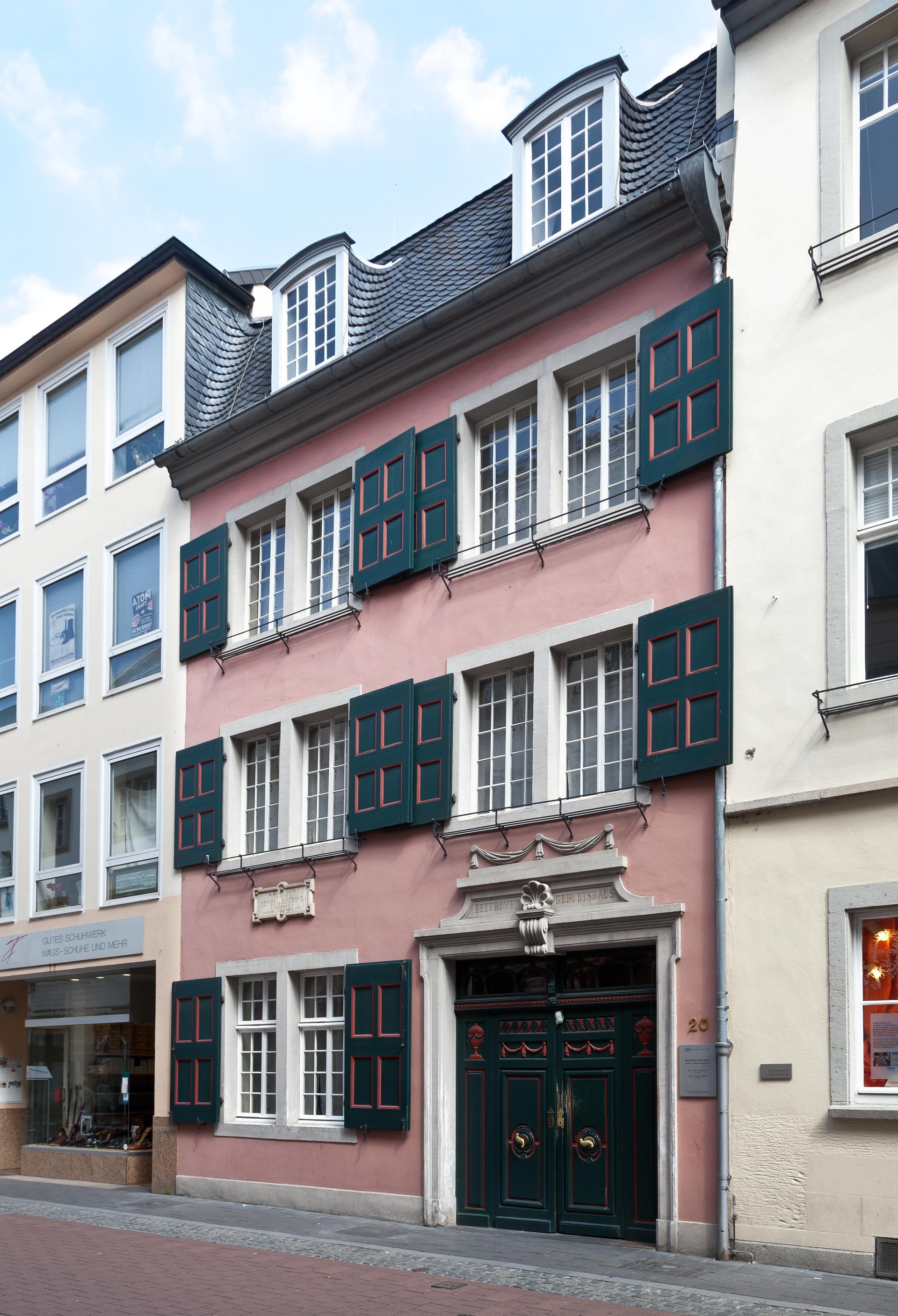
Looking beyond Römische Badeanlage? Discover Bonn for broader travel guides, local hot-spots, and regional highlights.
Explore Bonn
Discover the life and legacy of Ludwig van Beethoven at his birthplace in Bonn, exploring original manuscripts, instruments, and personal artifacts in an immersive historical setting.
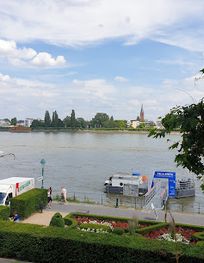
Explore Bonn's historic Alter Zoll, a 17th-century bastion offering panoramic Rhine views, historical monuments, and a tranquil park experience for all ages.