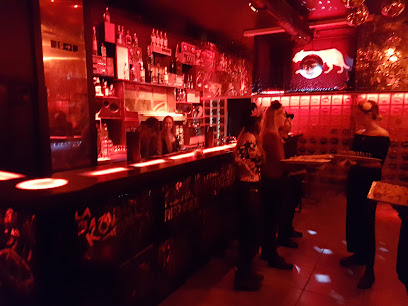
Bonn Minster: A Romanesque Masterpiece
Discover the Bonn Minster, a magnificent Romanesque basilica in the heart of Bonn, Germany, showcasing centuries of history, art, and religious significance through its stunning architecture and sacred atmosphere.
The Bonn Minster, or Minster of St. Martin, is a stunning Romanesque church in the heart of Bonn, Germany, a city steeped in history. With origins tracing back to the 11th century, this basilica stands as one of Germany's oldest churches, showcasing a captivating blend of Romanesque and Gothic architectural styles. Its iconic twin towers dominate Bonn's skyline, serving as a testament to centuries of religious and cultural significance. Explore the Minster's rich interior, adorned with beautiful frescoes, stained-glass windows, and the crypt housing the remains of saints. Located on Münsterplatz, the Minster is easily accessible and surrounded by the city's vibrant atmosphere, making it a must-see landmark for any visitor seeking to delve into Bonn's past and experience its architectural grandeur. The church is more than just a religious site; it's a historical and artistic treasure.
A brief summary to Minster of St. Martin's
- Münsterpl., Bonn, 53111, DE
- +492289858810
- Visit website
Local tips
- Check the Minster's website for the schedule of services and concerts, as attending one can enhance your experience.
- Explore the crypt to see the remains of Saints Cassius and Florentius, Bonn's patron saints.
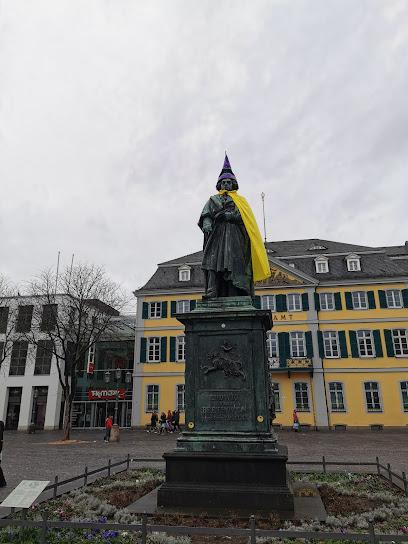
- Visit the Münsterplatz surrounding the Minster to experience the vibrant atmosphere and see the Beethoven Monument.
- Take your time to admire the blend of Romanesque and Gothic architectural styles, both inside and outside the church.
- Photography is allowed inside the Minster, but it's important to be respectful of the sacred space and avoid using flash photography.

Getting There
-
Walking
The Bonn Minster is centrally located on Münsterplatz, making it easily accessible on foot from most points in Bonn's city center. From the Bonn Hauptbahnhof (main train station), exit the station and walk straight ahead, crossing Poststraße. Continue onto Münsterplatz; the Minster will be directly in front of you. The walk is approximately 5 minutes and well-signposted. Note that Münsterplatz is a pedestrian zone.
-
Public Transport
If arriving by tram or bus, several lines stop near Münsterplatz. Tram lines 61, 62, 65, 66 and 68 stop at Bertha-von-Suttner-Platz/Beethovenhaus or Universität/Markt station, both a short walk to Münsterplatz. From either stop, follow signs towards the city center (Zentrum) and the prominent towers of the Minster. A single ticket for a short trip (Kurzstrecke) within Bonn costs approximately €2.20.
-
Driving
If driving, be aware that the Bonn Minster is located in a pedestrian zone with limited direct vehicle access. Several parking garages are located nearby, including Marktgarage (Stockenstraße 19), Friedensplatzgarage (Oxfordstraße 21), Münsterplatzgarage (Budapester Straße 5), and Stadthausgarage (Weiherstraße 6). Parking fees typically range from €1.80 per hour, with a daily maximum of around €20. From any of these garages, follow pedestrian signs to Münsterplatz and the Minster.
Discover more about Minster of St. Martin's
Iconic landmarks you can’t miss

Minster of St. Martin's
0.0 km
Explore the Minster of St. Martin's in Bonn, a historic Catholic church showcasing stunning Gothic architecture and a rich cultural heritage.
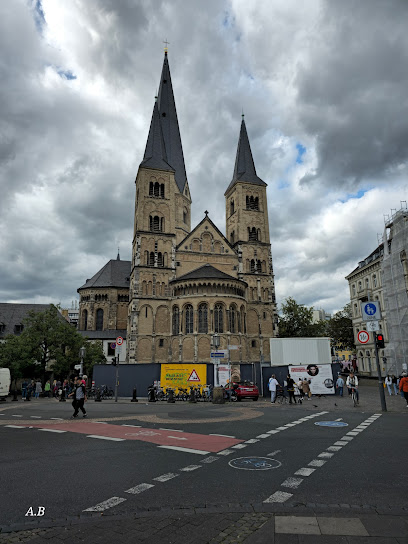
Foyer am Bonner Münster
0.0 km
Discover Bonn's historical heart at the Foyer am Bonner Münster, a modern gateway to a Romanesque basilica and medieval cloisters, blending architecture and history.
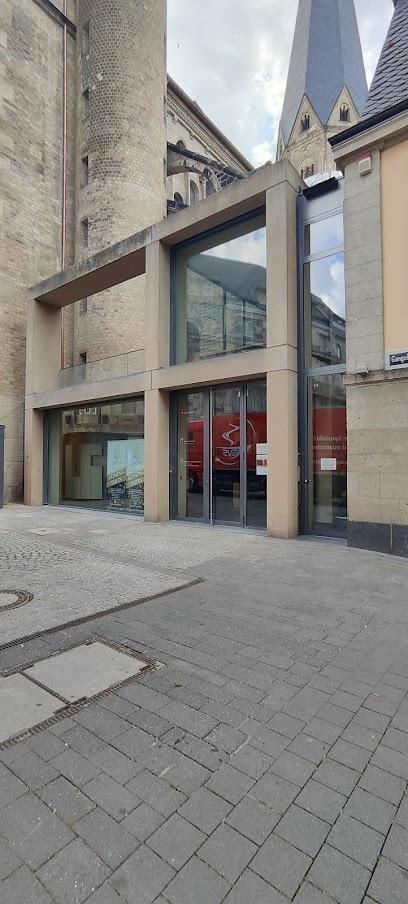
Martinsbrunnen
0.0 km
Discover Bonn's Martinsbrunnen: A historic fountain symbolizing charity and resilience, nestled in the heart of the city near the iconic Bonn Minster.
Historický plán města
0.1 km
Explore Bonn's captivating past through an intricate historical city map, tracing its evolution from Roman settlement to Germany's former capital.
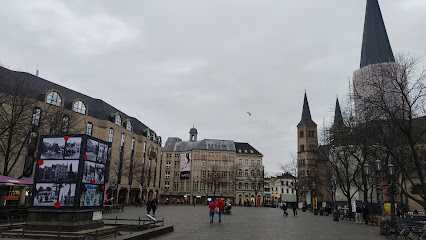
Beethoven-Denkmal
0.1 km
Explore Bonn's Beethoven-Denkmal, a cultural landmark celebrating the legacy of the great composer surrounded by vibrant gardens and city life.
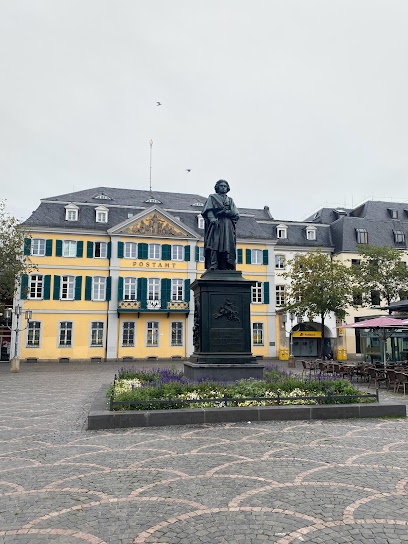
Münsterpl.
0.1 km
Discover Münsterplatz in Bonn: A historic square where Romanesque architecture meets the iconic Beethoven Monument, offering a vibrant blend of culture and events.
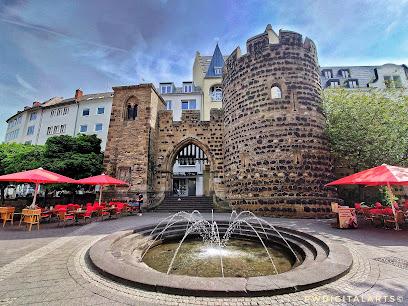
Sterntor Bonn Innenstadt
0.2 km
Discover the Sterntor in Bonn, a reconstructed medieval gate blending history and modernity in the heart of the city, surrounded by vibrant shops and cultural attractions.
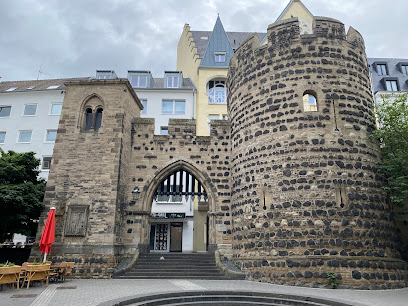
Sterntor
0.2 km
Discover the Sterntor in Bonn, a reconstructed medieval gate offering a glimpse into the city's rich history and serving as a vibrant hub in the heart of the city center.
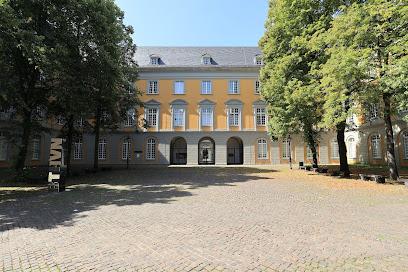
Schloßkirche Bonn
0.2 km
Discover Bonn's hidden gem: The Schloßkirche, a historic church nestled within the University, offering a serene escape and a glimpse into the city's cultural heritage.
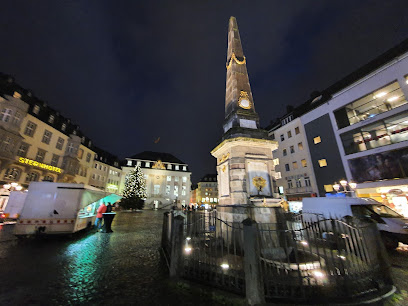
Marktplatz
0.3 km
Experience the vibrant heart of Bonn at Marktplatz, a historical square offering markets, stunning architecture, and a taste of local life, all in the city's central hub.
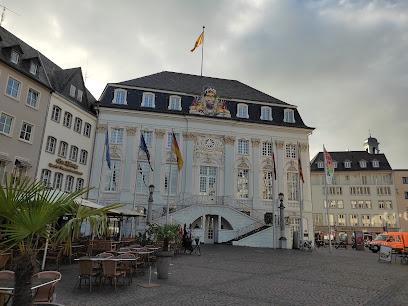
Altes Rathaus
0.3 km
Discover Bonn's iconic Altes Rathaus: a Rococo masterpiece in the heart of the city, steeped in history and surrounded by vibrant culture on the bustling Marktplatz.
Holy Name Church
0.3 km
Discover the Baroque splendor of Bonn's Holy Name Church, a unique cathedral with a captivating blue, grey, and gold interior, hosting liturgies, concerts, and exhibitions in the heart of the city.
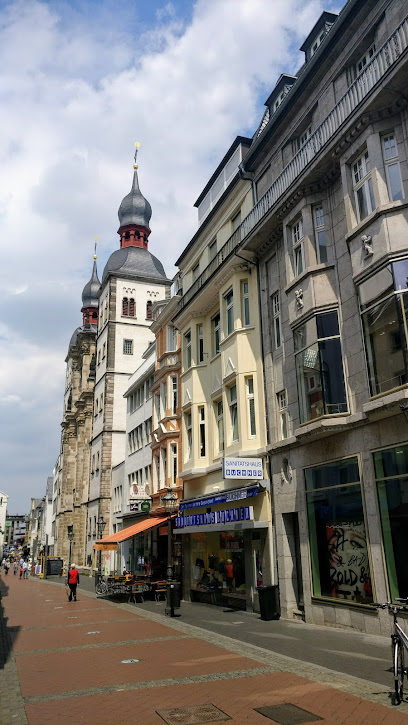
Bonngasse 6
0.3 km
Discover the life and legacy of Ludwig van Beethoven at his birthplace in Bonn, exploring original manuscripts, instruments, and personal artifacts in an immersive historical setting.
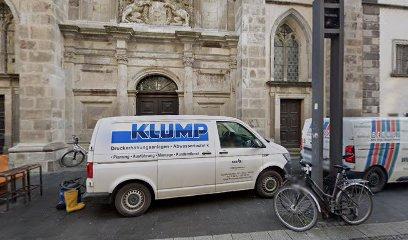
St. Remigius, Bonn
0.4 km
Discover St. Remigius in Bonn: A historic Gothic church with ties to Beethoven, offering a serene escape in the heart of the city and a glimpse into Bonn's rich past.
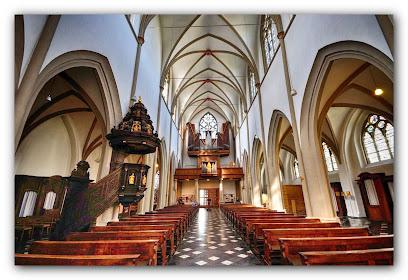
Koblenzer Tor
0.5 km
Discover Bonn's past at the Koblenzer Tor, a neo-Gothic gatehouse offering a glimpse into the city's 19th-century fortifications and its enduring historical significance on Adenauerallee.
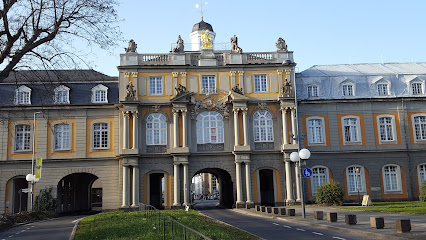
Unmissable attractions to see

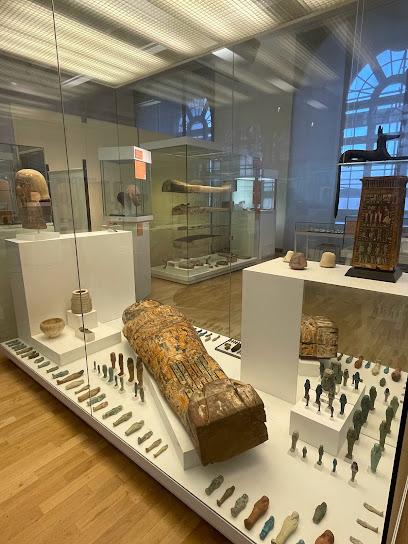
Ägyptisches Museum
0.1 km
Explore ancient Egypt at the Ägyptisches Museum in Bonn, home to exquisite artifacts and rich historical narratives that bring the past to life.
Bonn Information
0.1 km
Discover Bonn through its Tourist Information Center, your essential guide to exploring the city's rich history, culture, and attractions.
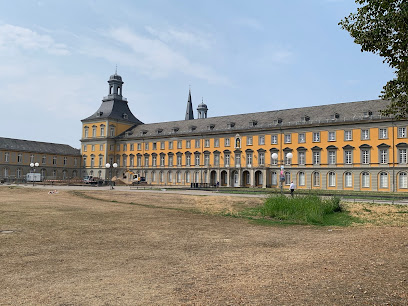
Kurfürstliches Schloss
0.2 km
Explore the exquisite Kurfürstliches Schloss, a historical landmark in Bonn showcasing stunning architecture and rich cultural heritage.
Kaiserbrunnen Springbrunnen Kaiserplatz
0.2 km
Discover the serene beauty of Kaiserbrunnen Springbrunnen at Kaiserplatz, a charming fountain in the heart of Bonn steeped in history and culture.
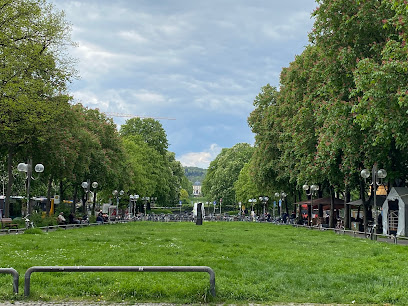
Bonn-Zentrum Springbrunnen
0.2 km
Experience the charm of Bonn-Zentrum Springbrunnen, where culture, relaxation, and vibrant city life converge in the heart of Bonn.
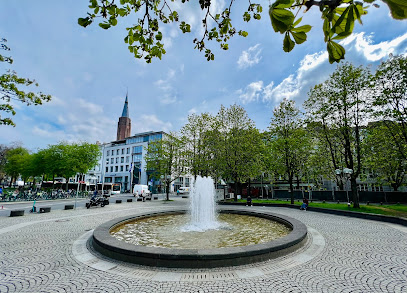
Market Fountain
0.3 km
Discover Bonn's Market Fountain, a vibrant symbol of the city's rich history, surrounded by cafes and shops, perfect for relaxation and socializing.
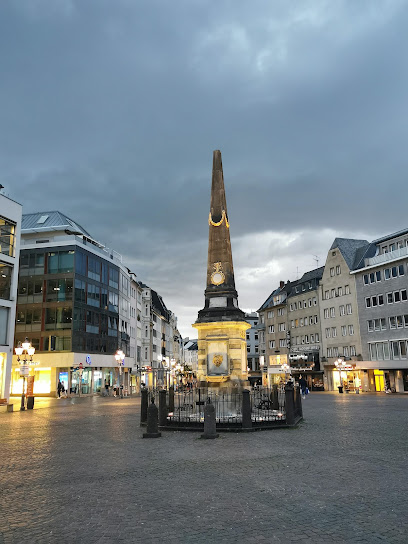
Walk of Fame Bonn
0.3 km
Explore Bonn's Walk of Fame, an open-air tribute to music legends, celebrating the city's rich musical heritage and cultural contributions.
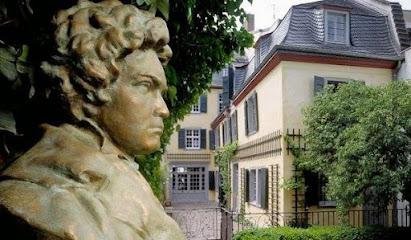
Beethoven-Haus Bonn
0.4 km
Discover the legacy of Ludwig van Beethoven at his birthplace in Bonn, where music history comes to life through remarkable exhibits and performances.
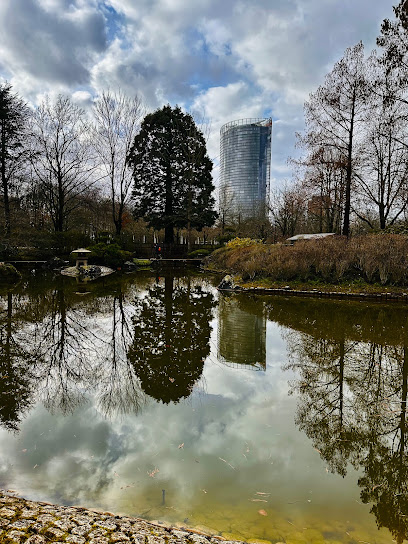
Arithmeum
0.5 km
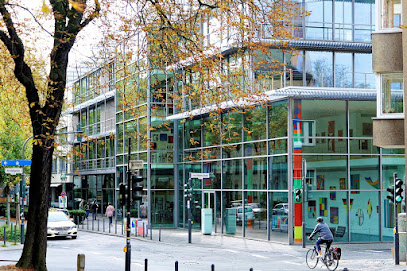
Explore the captivating world of mathematics at the Arithmeum in Bonn – where art meets science in an interactive museum experience.
Unterführung unter'm Belderberg
0.5 km
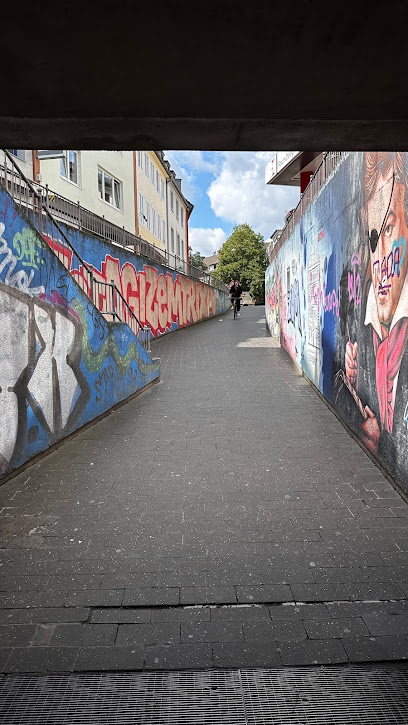
Explore the artistic charm of Unterführung unter'm Belderberg, a vibrant underpass in Bonn showcasing captivating street art and local culture.
LVR-LandesMuseum Bonn
0.5 km
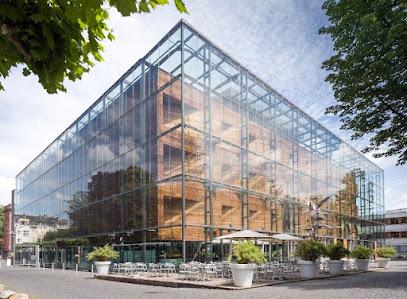
Discover the rich cultural heritage at the LVR-LandesMuseum Bonn, where art meets history in a captivating experience.
Cherry Blossom Bonn / Kirschblüte Bonn
0.5 km
Discover the breathtaking Cherry Blossom Bonn, where spring transforms the city into a stunning display of nature's beauty and tranquility.
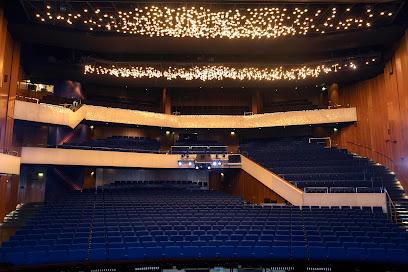
Theater Bonn Opera House
0.6 km
Discover the charm of Theater Bonn Opera House, where captivating performances and stunning architecture await in the heart of Bonn.
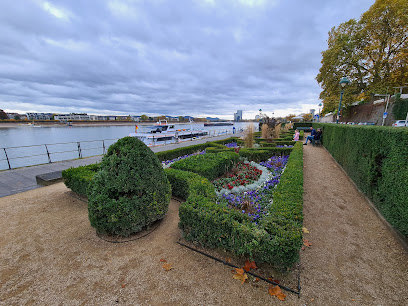
Lenné-Parterre
0.7 km
Experience the natural beauty and historical charm of Lenné-Parterre in Bonn, a serene park perfect for relaxation and exploration.
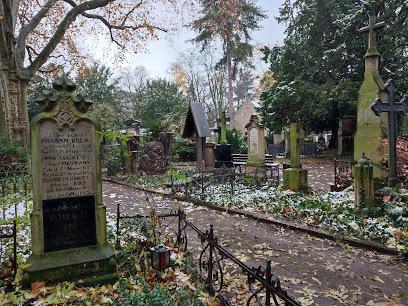
Alter Friedhof Bonn
0.7 km
Discover the historical serenity of Alter Friedhof Bonn, an enchanting cemetery rich with artistic monuments and lush greenery in the heart of Bonn.
Essential places to dine

Tuscolo Munster view
0.1 km
Discover Tuscolo Munster in Bonn - where authentic Italian cuisine meets charming hospitality.
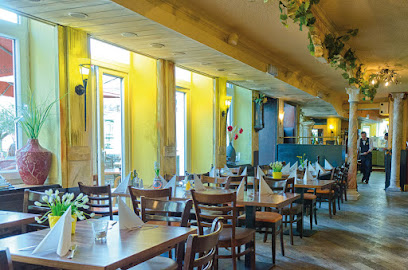
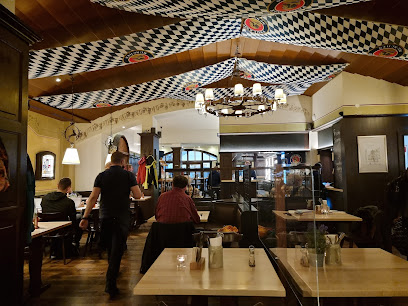
Wirtshaus Salvator
0.1 km
Discover authentic Bavarian flavors at Wirtshaus Salvator in Bonn—where tradition meets taste in every dish.
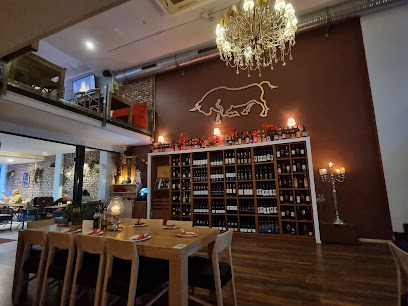
Plaza Toro | Tapas Bar Bonn | Spanisches Restaurant Bonn
0.1 km
Experience authentic Spanish cuisine at Plaza Toro - Bonn's premier tapas bar offering a vibrant atmosphere and delectable small plates.
Cafe Giaccomo
0.2 km
Experience authentic Italian cuisine and exquisite cocktails at Cafe Giaccomo in Bonn – where every meal is a delightful journey.
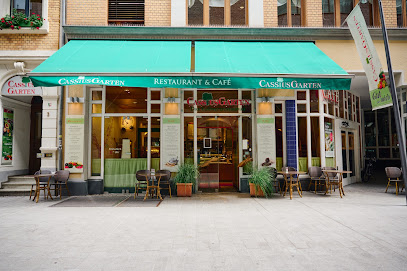
Cassius Garten Vollwert-Ernährung GmbH
0.2 km
Discover delicious vegetarian and vegan delights at Cassius Garten in Bonn – where health meets flavor in every bite.
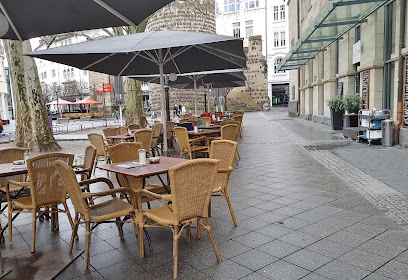
Casa del Gatto
0.2 km
Experience authentic Italian cuisine at Casa del Gatto in Bonn's charming atmosphere with an inviting beer garden.
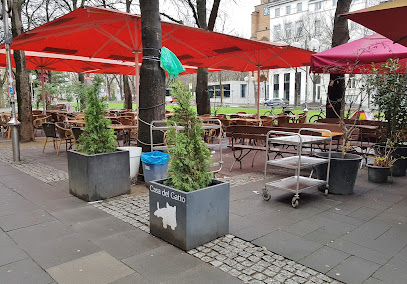
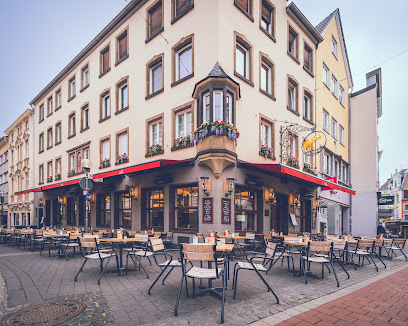
Elefant Bonn
0.3 km
Experience authentic German cuisine at Elefant Bonn, where traditional flavors meet modern dining in a charming atmosphere.
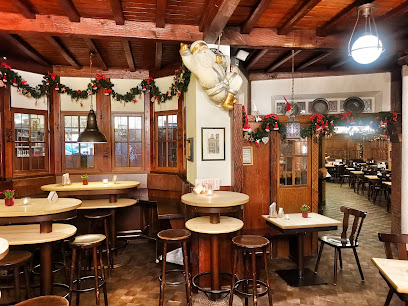
Em Höttche
0.3 km
Discover the essence of German cuisine at Em Höttche in Bonn – where tradition meets taste in a cozy setting.
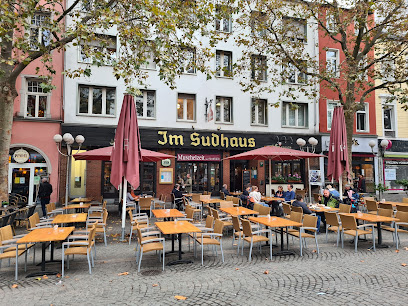
Sudhaus
0.3 km
Experience the best of Bonn's culinary scene at Sudhaus - where local flavors meet modern dining in an inviting atmosphere.
La Cigale
0.3 km
Discover the refined taste of French haute cuisine at La Cigale in Bonn - where elegance meets exquisite flavors.
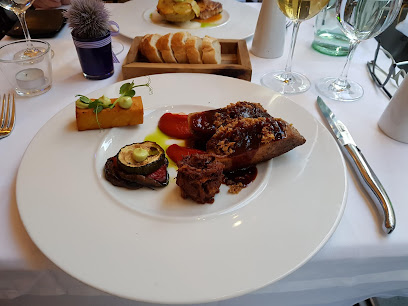
Shiraz Restaurant
0.4 km
Discover authentic Persian flavors at Shiraz Restaurant in Bonn – where every dish tells a story.
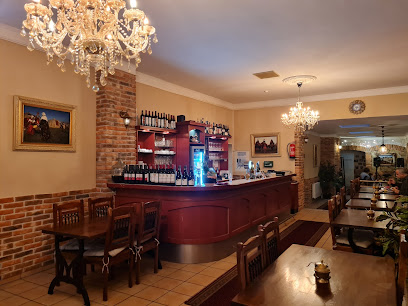
Mandu
0.4 km
Discover authentic Korean cuisine at Mandu in Bonn - a hidden gem offering delicious flavors at affordable prices.
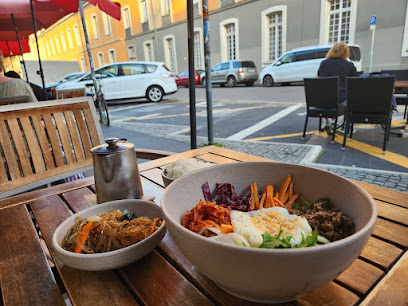
Red Sea Restaurant
0.4 km
Experience authentic Eritrean cuisine at Bonn's Red Sea Restaurant—delicious flavors in a warm communal atmosphere await you.
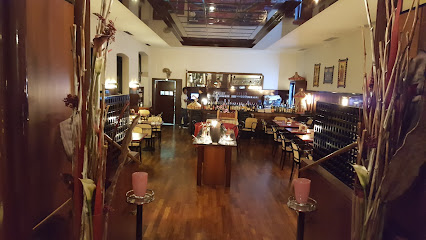
Café Spitz
0.4 km
Discover Café Spitz in Bonn: A charming restaurant offering delicious breakfasts and aromatic coffee in a cozy atmosphere.
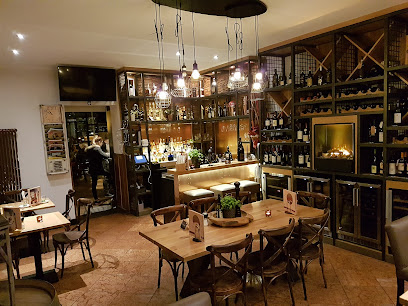
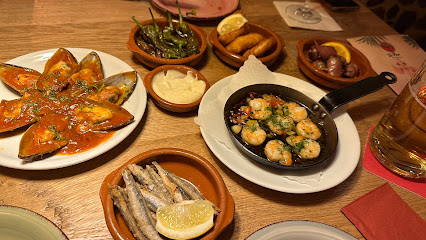
Tio Pepe Bar & Restaurant
0.4 km
Discover the flavors of Spain at Tio Pepe Bar & Restaurant in Bonn – home to delicious tapas and expertly grilled steaks.
Markets, malls and hidden boutiques

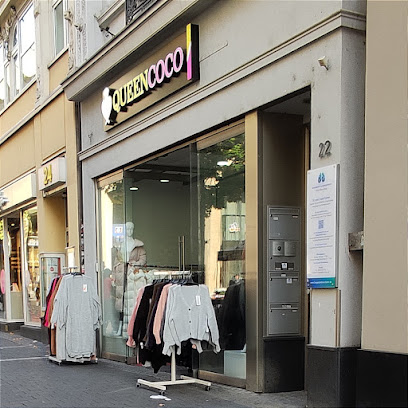
Queencoco Bonn
0.1 km
Explore the chic selection at Queencoco Bonn, a premier women's clothing store offering stylish apparel and local fashion trends.
TK Maxx
0.1 km
Explore the eclectic offerings of TK Maxx in Bonn for unbeatable deals on fashion and home goods in a vibrant shopping atmosphere.
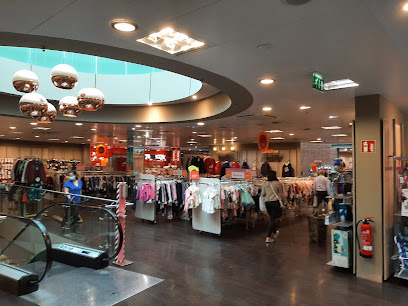
GALERIA Bonn
0.1 km
Experience the ultimate shopping destination at GALERIA Bonn, where style meets variety in the heart of Germany's charming city.
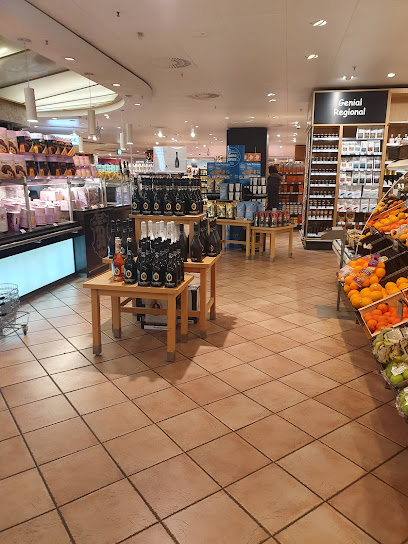
Lindt Store
0.1 km
Discover the ultimate chocolate experience at Lindt Store in Bonn, where exquisite flavors and delightful treats await every chocolate lover.
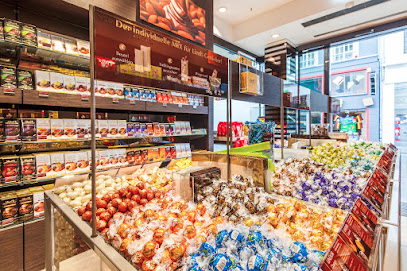
HARIBO Store
0.2 km
Discover the enchanting HARIBO Store in Bonn, a candy lover's paradise with unique gummy treats and delightful flavors waiting to be explored.
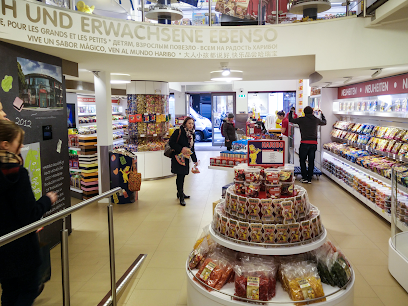
Lacoste
0.2 km
Discover stylish apparel and accessories for the whole family at Lacoste in Bonn, where quality meets contemporary fashion.
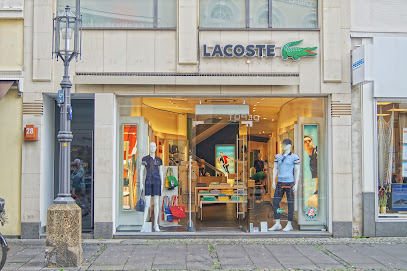
Blue Tomato Shop Bonn
0.2 km
Discover the ultimate skate and snowboard gear at Blue Tomato Shop Bonn, where sportswear meets community spirit and adventure awaits.
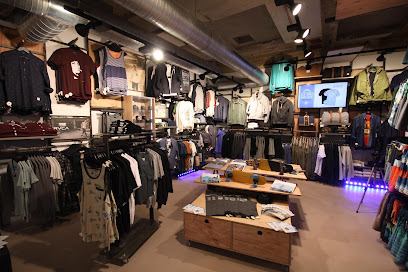
Primark
0.2 km
Discover affordable fashion at Primark Bonn, where style meets budget-friendly shopping in the heart of the city.
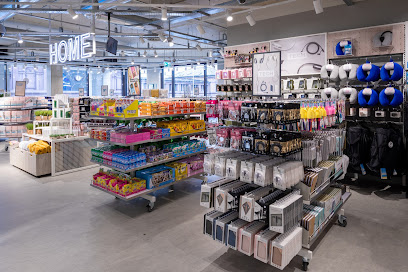
G-Star RAW Store
0.2 km
Explore the trendy G-Star RAW Store in Bonn for top-notch denim, stylish clothing, and fashionable accessories, all in one chic destination.
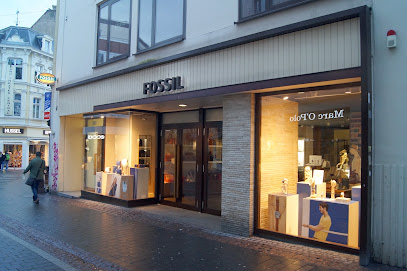
FOSSIL Store Bonn
0.2 km
Explore the exquisite FOSSIL Store in Bonn for timeless fashion accessories, watches, and luxury leather goods that embody elegance and style.
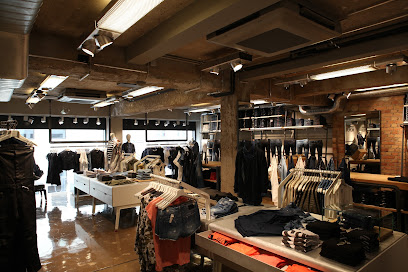
American Vintage
0.2 km
Explore unique fashion pieces at American Vintage in Bonn – where contemporary meets vintage in a stylish shopping haven.
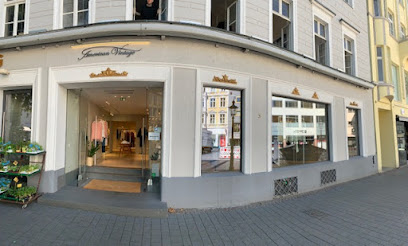
Magazzino Designermode Outlet
0.2 km
Explore unbeatable deals on designer fashion at Magazzino Designermode Outlet in Bonn, where style meets savings!
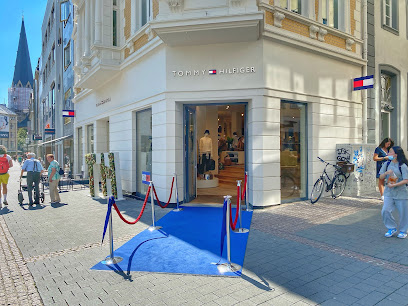
TOMMY HILFIGER Bonn Store
0.2 km
TOMMY HILFIGER Bonn Store: Your destination for stylish American fashion and accessories in the heart of Bonn.
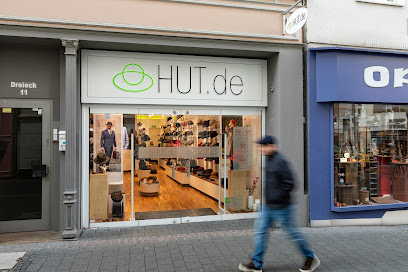
HUT.de Store Bonn
0.2 km
Explore HUT.de Store in Bonn for an exquisite selection of hats that blend style, comfort, and uniqueness, perfect for every fashion lover's collection.
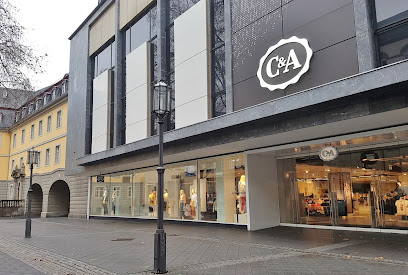
C&A
0.2 km
Discover stylish and affordable clothing for the whole family at C&A in Bonn, where fashion meets sustainability.
Essential bars & hidden hideouts

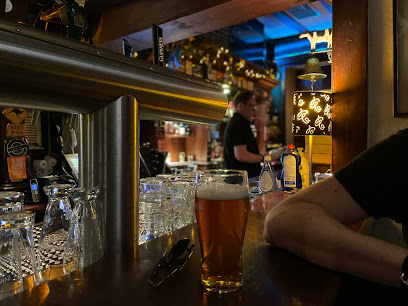
James Joyce - Bonn
0.2 km
Discover the vibrant atmosphere and authentic Irish cuisine at James Joyce - Bonn, a must-visit pub for every traveler in the city.
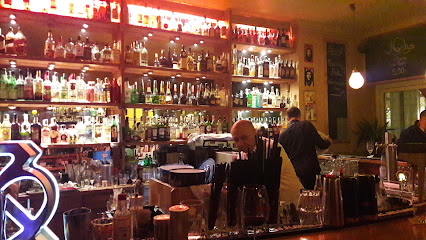
Che Guevara
0.2 km
Discover the vibrant atmosphere and eclectic cocktails at Che Guevara, Bonn's favorite bar for a lively night out.
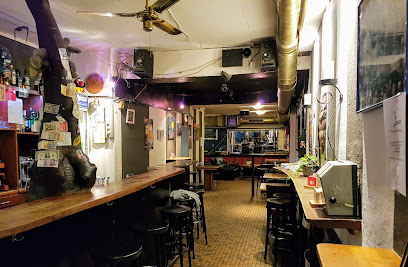
Zebulon - Bonn
0.3 km
Discover the lively atmosphere and delightful drinks at Zebulon, Bonn's favorite pub, where local culture and friendly service await you.
The Old Jacob - Bonn
0.4 km
Discover The Old Jacob in Bonn: A cocktail bar where creativity meets ambiance, offering innovative drinks in a vibrant atmosphere.
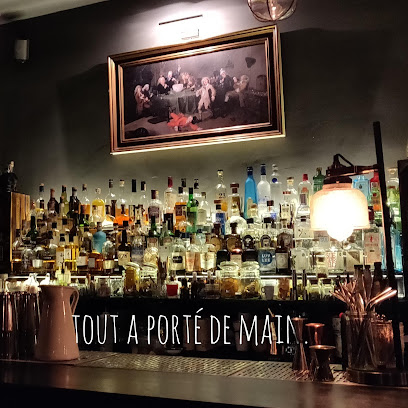
DIE WILDE MUTTI
0.4 km
Experience the vibrant nightlife of Bonn at DIE WILDE MUTTI, where eclectic drinks and a welcoming atmosphere await every traveler.
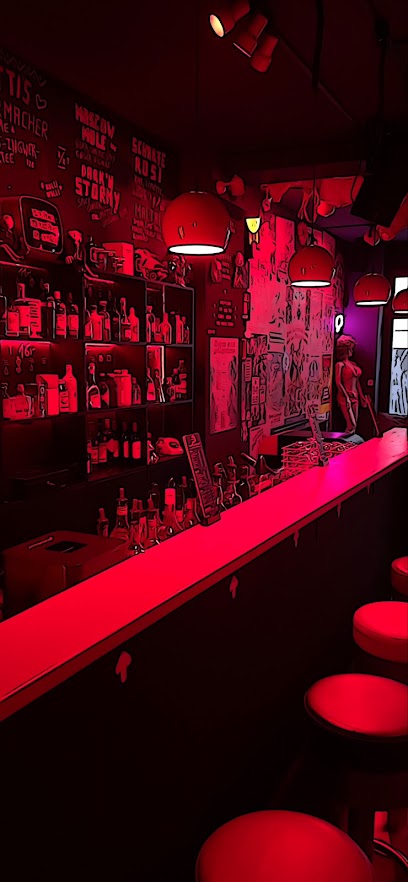
Bla
0.5 km
Discover the vibrant atmosphere of Bla, Bonn's premier bar, offering a unique blend of local nightlife and stylish ambiance for every visitor.
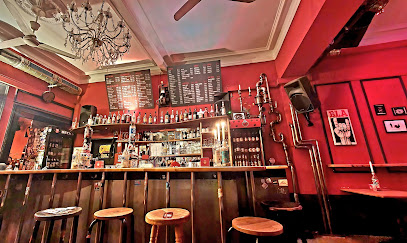
Namenlos - Bonn
0.5 km
Experience the unpretentious charm of Namenlos, Bonn’s favorite pub offering a cozy atmosphere and affordable drinks for every traveler.
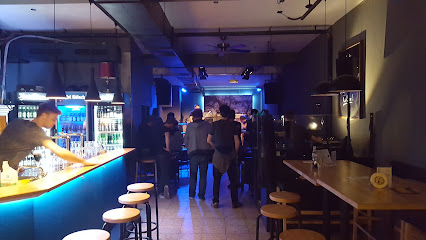
Shaker's
0.6 km
Experience the vibrant atmosphere of Shaker's, Bonn's top cocktail bar and lounge offering expertly crafted drinks and a welcoming ambiance.
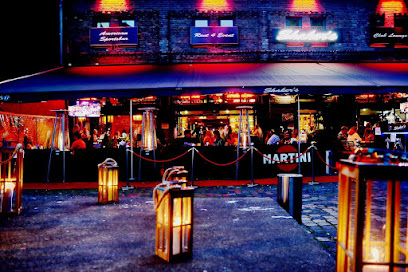
Steinbeck
0.6 km
Discover Steinbeck in Bonn, a lively bar known for its creative cocktails, cozy ambiance, and vibrant nightlife.
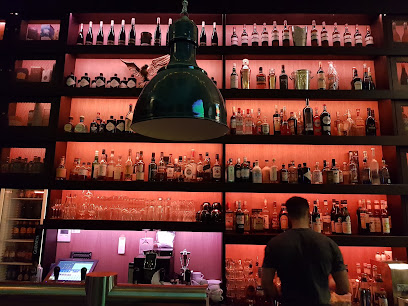
Dubliner Irish Pub Bonn
0.6 km
Discover the vibrant spirit of Ireland at Dubliner Irish Pub Bonn, where great food, drinks, and entertainment await every visitor.
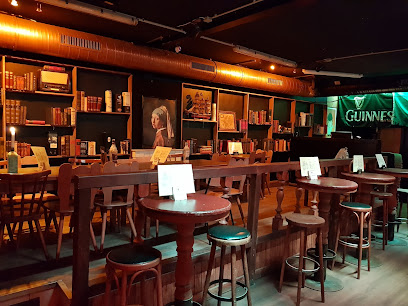
UnFassBar - Bonn
0.6 km
Experience the vibrant nightlife of Bonn at UnFassBar, where great drinks and a lively atmosphere await you.
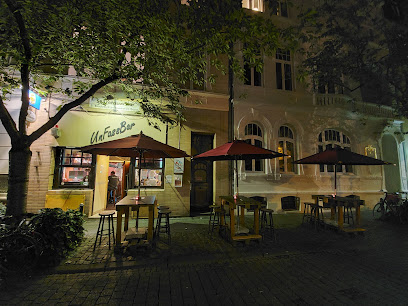
Embassy Bar - Bonn
0.7 km
Experience the vibrant nightlife at Embassy Bar in Bonn, where locals and tourists gather for great drinks and a lively atmosphere.
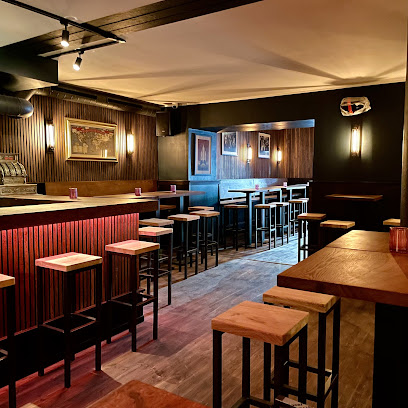
SIEGFRIED - Büro & Bar
0.7 km
Experience Bonn's vibrant nightlife at Siegfried - Büro & Bar, where cozy elegance meets a lively atmosphere for an unforgettable evening.
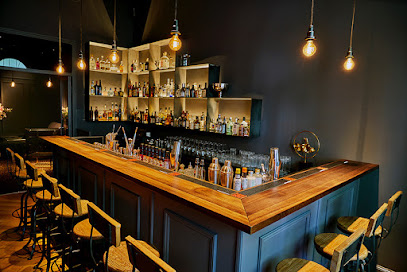
Tresor
0.7 km
Discover the heart of Bonn’s nightlife at Tresor, where excellent drinks and a vibrant atmosphere come together for an unforgettable experience.
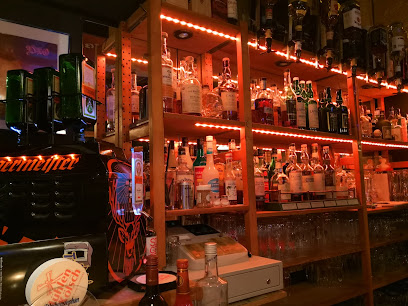
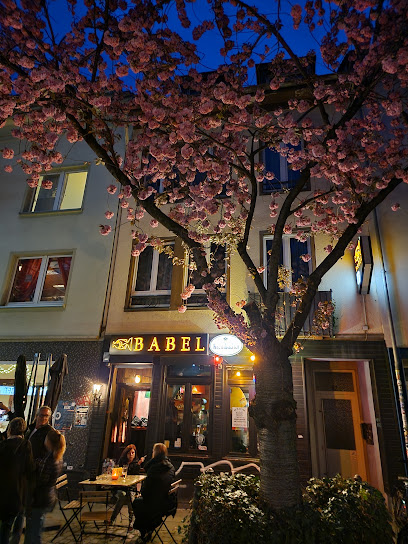
Babel - Bonn
0.7 km
Discover the lively ambiance and extensive drink selection at Babel - Bonn, your perfect night out in the heart of the city.
Nightclubs & after hour spots

Carpe Noctem
0.1 km
Explore Bonn's nightlife at Carpe Noctem, a vibrant disco club offering electrifying music and an unforgettable dance experience.
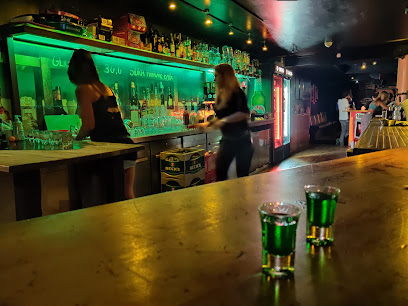
Gleis8
0.2 km
Discover the energetic nightlife of Bonn at Gleis8, the city's hotspot for dancing, socializing, and enjoying unforgettable nights out.
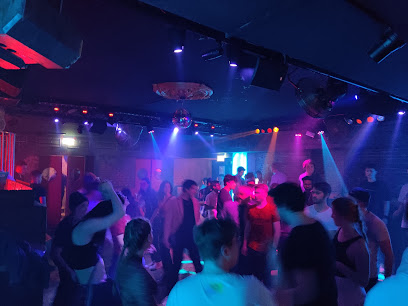
Untergrund - Bonn
0.4 km
Dive into the electrifying nightlife of Bonn at Untergrund, a must-visit disco club and bar for a memorable night of dancing and fun.
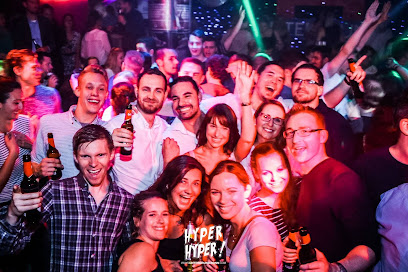
Blow Up Club - Bonn
0.4 km
Unleash your night at Blow Up Club, Bonn's ultimate nightlife destination with electrifying music and a vibrant atmosphere.
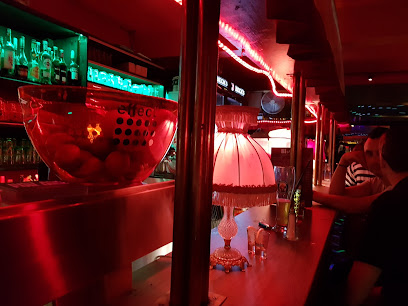
Odonis by Kramm
0.4 km
Experience the pulse of Bonn's nightlife at Odonis by Kramm, where electrifying beats and vibrant atmosphere create unforgettable memories.
Jazz Galerie - Bonn
0.5 km
Discover Bonn's vibrant nightlife at Jazz Galerie, where live jazz and disco come together for an unforgettable experience.
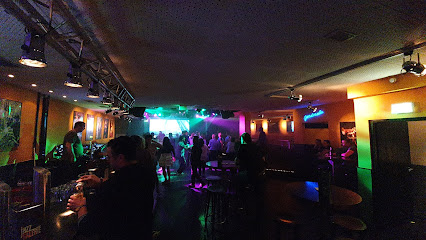
Die Falle - Bonn
0.5 km
Dive into Bonn's vibrant nightlife at Die Falle, the ultimate disco club where music and fun come alive until dawn.
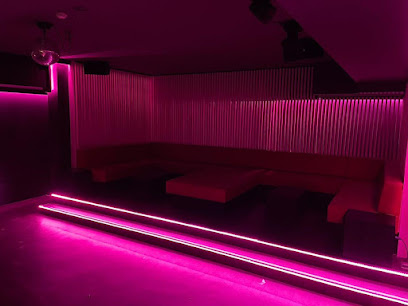
Club N8schicht Bonn
0.5 km
Dive into the vibrant nightlife of Bonn at Club N8schicht, where music and dancing come alive in a lively disco setting.
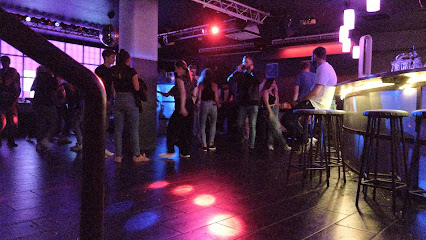
N8Lounge
0.5 km
Experience the vibrant nightlife of Bonn at N8Lounge, where electrifying beats and a lively atmosphere await every party enthusiast.
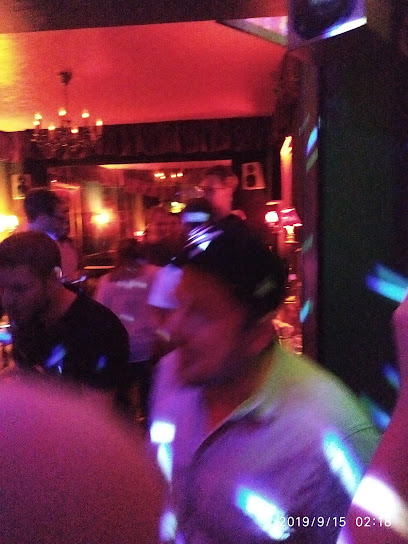
Electrum Club GmbH
22.1 km
Experience the electrifying nightlife at Electrum Club in Cologne, where vibrant music and unforgettable moments await every night.
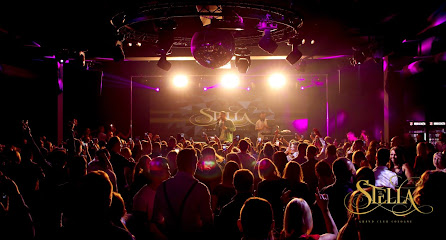
Tsunami Club
23.2 km
Experience the vibrant nightlife of Cologne at Tsunami Club, where electrifying music and a lively atmosphere await every partygoer.
STUKMANS
23.3 km
Experience the electrifying atmosphere of STUKMANS, Cologne's vibrant bar and disco club, where unforgettable nights come alive with great music and fun.
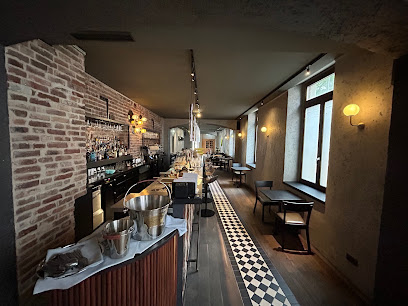
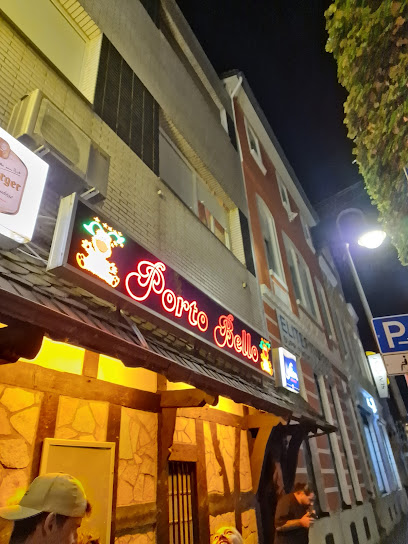
Diskothek Porto Bello
23.4 km
Experience the vibrant nightlife of Euskirchen at Diskothek Porto Bello, where electrifying beats and a lively atmosphere await you.
Birthday Club Cologne
24.0 km
Experience the vibrant nightlife at Birthday Club Cologne – where music, dance, and celebration come together in the heart of the city.
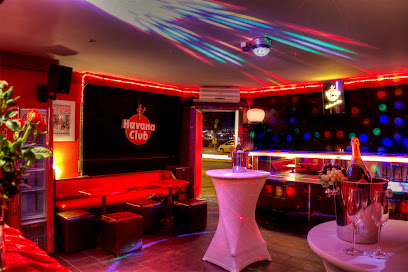
Red Cat Lounge
24.2 km
Discover the lively Red Cat Lounge, Cologne's premier disco club and bar, where unforgettable nights and vibrant music come together.