

Hafengebiet, Bremen Travel Guide
Free Guide: Explore Bremen's Hafengebiet: Where maritime history meets modern innovation in a vibrant waterfront district undergoing a remarkable urban transformation.


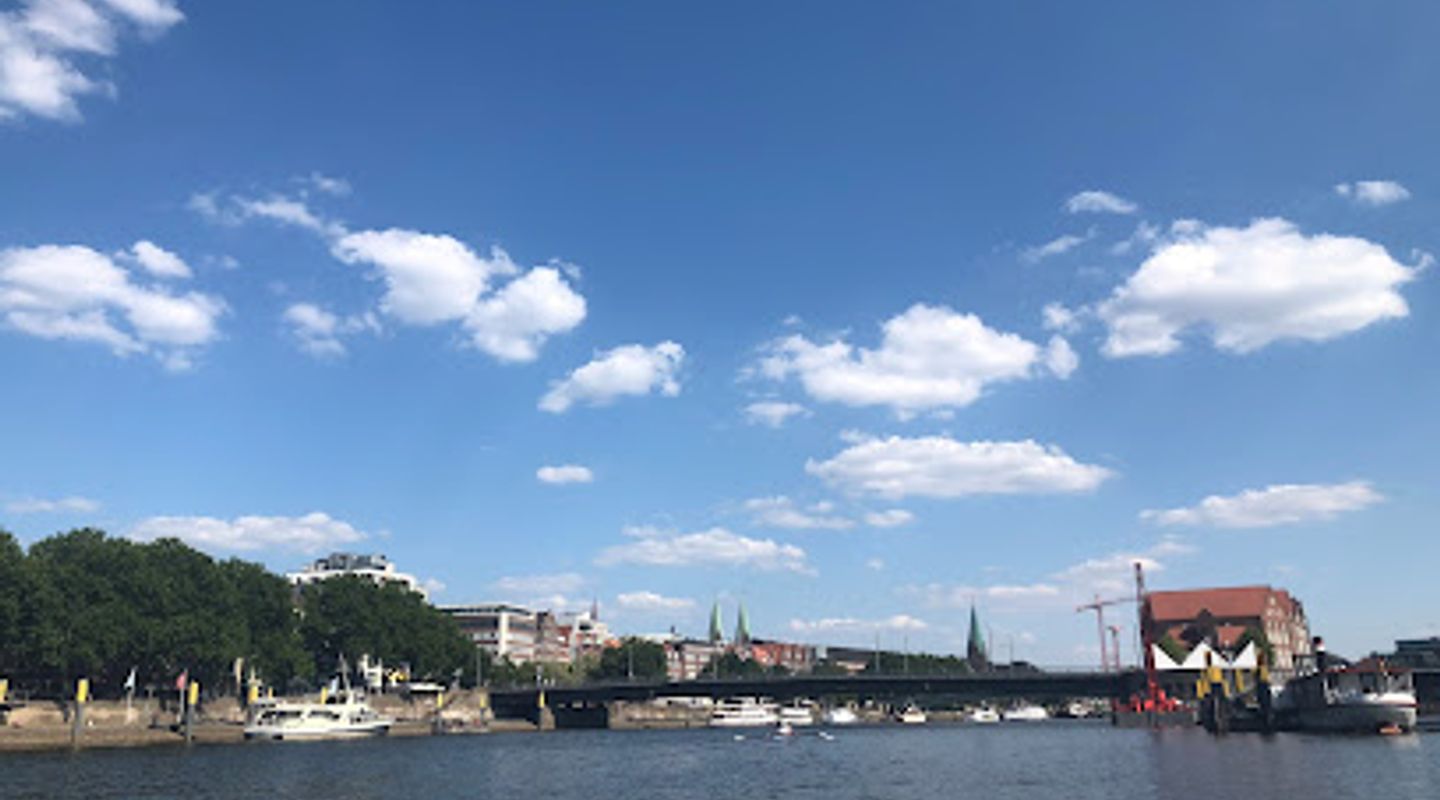
A brief summary of Hafengebiet
Explore Bremen's Hafengebiet: Where maritime history meets modern innovation in a vibrant waterfront district undergoing a remarkable urban transformation.
The Hafengebiet (harbor area) in Bremen is a dynamic blend of historical maritime significance and modern urban development. Once the heart of Bremen's bustling port, the area is now undergoing a significant transformation, particularly in the Überseestadt district. Here, revitalized red-brick warehouses stand alongside contemporary architecture, creating a unique atmosphere where innovative startups thrive next to traditional maritime businesses. Visitors can explore the area's rich history, enjoy diverse culinary offerings, and witness the ongoing evolution of one of Europe's largest urban development projects. The Hafengebiet offers a captivating glimpse into Bremen's past and its ambitious vision for the future, making it a compelling destination for tourists seeking a blend of culture, history, and modern innovation.
Opening hours
- Every dayOpen 24 hours
Opening hours as listed on the venue’s Google Business Profile. Hours can change for services and special events, so check with the venue before you go.
- Address
- 28217 Bremen
Getting there
Public Transport
Bus
Taxi/Ride-Share
Driving
Discover more about Hafengebiet
Overview
The Hafengebiet, or harbor area, of Bremen is more than just a geographical location; it's a living testament to the city's rich maritime history and its ambitious vision for the future. For centuries, Bremen's fortunes have been inextricably linked to its port, serving as a vital hub for trade and commerce. Today, the Hafengebiet is undergoing a dramatic transformation, particularly in the Überseestadt district, where the echoes of the past resonate with the promise of a vibrant, modern urban center. Historically, the Hafengebiet was the engine of Bremen's economic prosperity. As a key member of the Hanseatic League, Bremen flourished through maritime trade, and the harbor was the focal point of this activity. Ships from across the globe unloaded their goods here, filling the warehouses with spices, textiles, and other valuable commodities. The area bustled with merchants, sailors, and laborers, creating a vibrant and cosmopolitan atmosphere. The Schlachte, Bremen's oldest harbor, dates back to the 13th century and served as the city's main port for centuries. However, as the Weser River began to silt up, larger ships could no longer reach the city center. This led to the development of new port facilities further downstream, including Vegesack (the first artificial harbor in Germany, built in the 17th century) and, eventually, Bremerhaven in 1827. Despite these developments, the Hafengebiet in Bremen remained a vital part of the city's economy, with new harbor basins like the Europahafen and Überseehafen being constructed in the late 19th and early 20th centuries. In recent decades, the Hafengebiet has faced new challenges as the maritime industry has evolved. The rise of container shipping and the relocation of port activities to larger, more modern facilities led to a decline in the area's traditional functions. However, rather than allowing the Hafengebiet to fall into disrepair, Bremen has embarked on an ambitious project to revitalize the area and transform it into a vibrant urban district. The Überseestadt, a district within the Hafengebiet, is at the heart of this transformation. Covering nearly 300 hectares, it is one of the largest urban development projects in Europe. The area is being redeveloped with a mix of residential, commercial, and cultural spaces, creating a dynamic and diverse community. Old warehouses are being converted into modern office spaces, trendy restaurants, and stylish apartments. New buildings are rising alongside the historic structures, creating a unique architectural landscape. One of the most striking features of the Überseestadt is the juxtaposition of old and new. Massive red-brick warehouses, once used to store coffee, cotton, and other goods, now house innovative startups and creative businesses. Modern glass-and-steel buildings stand in contrast to the historic architecture, creating a visually stimulating environment. This blend of old and new reflects the area's identity as a place where history and innovation come together. The Überseestadt is also becoming a hub for culture and leisure. The Hafenmuseum Bremen, located in a historic warehouse, tells the story of Bremen's maritime past. The area also boasts a variety of restaurants, cafes, and bars, offering a diverse culinary scene. Parks and open spaces provide opportunities for recreation and relaxation. The Waller Sand, a newly landscaped sand embankment, offers residents and visitors a place to enjoy the Weser River. The transformation of the Hafengebiet is not without its challenges. The area is still under development, and some parts remain under construction. However, the progress that has been made is remarkable, and the Überseestadt is quickly becoming one of Bremen's most attractive districts. The area's unique blend of history, innovation, and culture makes it a compelling destination for tourists and locals alike. As you explore the Hafengebiet, take time to appreciate the area's rich history. Imagine the ships that once docked here, the goods that were traded, and the people who worked in the harbor. Then, look around at the modern buildings, the trendy restaurants, and the vibrant community that is taking shape. The Hafengebiet is a place where the past and the future come together, creating a unique and unforgettable experience. Whether you're interested in history, architecture, culture, or simply soaking up the atmosphere of a dynamic urban district, the Hafengebiet is sure to captivate your senses and leave you with a lasting impression of Bremen.
Evendo Review Centre
 Google
Guest reviews
Explore Hafengebiet on the map
A handpicked selection of must-see spots near Hafengebiet, mapped for you.
Get your free copy of our complete guide to Hafengebiet, delivered straight to you.
Everything on this page, from opening hours and how to get there to Eve’s tips and the best time to go, in one PDF you can read offline, print or share.
Already have an account? Sign in
Your Hafengebiet guide is ready.
We'll send it to · Not you? Sign out

Getting your guide ready…
We are putting together a fresh copy of the Hafengebiet guide. This can take up to a minute.
This can take a few moments. If your browser asks, choose Allow so the download can start. You'll find the guide in your Downloads folder.
Nothing happened? Download it again
Sorry, the guide is taking longer than usual. Please try again in a minute, or get it by email instead.
Other nearby places you may find interesting
The closest places of the same kind, if this one is not quite what you had in mind.
-
-
-
-
-


Swipe for more places
More to explore near Hafengebiet

 Best experiences near Hafengebiet
 Best hotels near Hafengebiet
 Best landmarks near Hafengebiet
 Best attractions near Hafengebiet
 Best shops near Hafengebiet
 Best restaurants near Hafengebiet
 Best bars near Hafengebiet
Do you manage this location?
Take control to get all the benefits, like improved information, better appearance, and stronger visibility across AI-powered discovery.
Explore more

Explore more of Bremen
Explore Bremen, a historic German city where medieval architecture meets modern charm, offering rich cultural experiences and scenic riverfront views.
Explore Bremen
Explore more of Germany
Experience Germany: where history meets innovation, and urban energy blends with natural beauty. Discover diverse cultures, delicious cuisine, and stunning landscapes.
Explore Germany
