Helios Leuchtturm Ehrenfeld, Cologne Travel Guide
Discover the Helios Leuchtturm in Cologne-Ehrenfeld, a historic lighthouse that never guided ships but stands as a proud symbol of industrial innovation and local heritage.
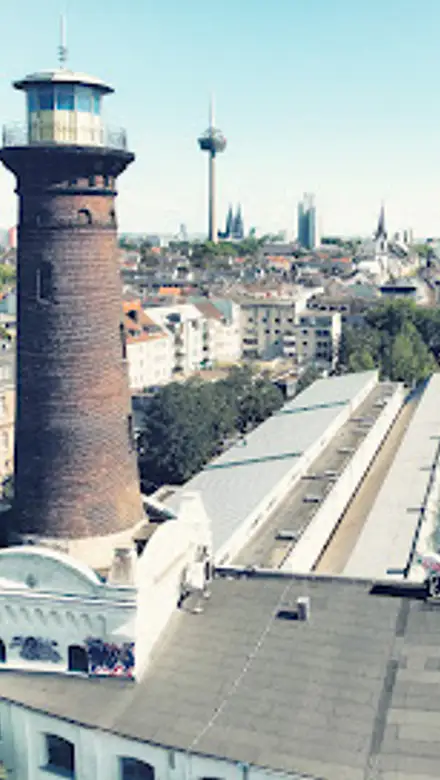
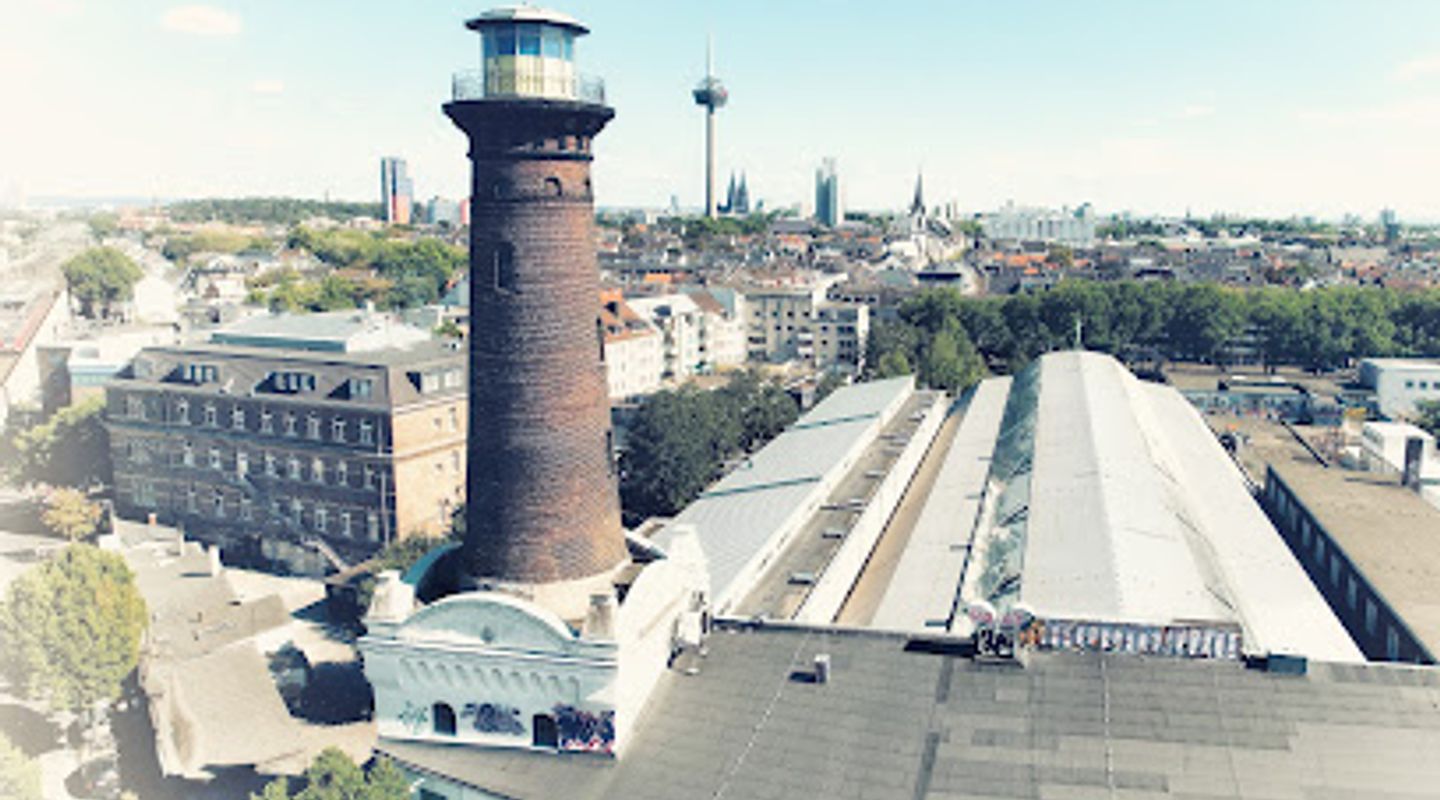
The Helios Leuchtturm (lighthouse) in Cologne's Ehrenfeld district is a unique landmark, standing as a testament to the area's industrial past. Built in 1882 by the Helios AG, an electrical company, it served as a testing and demonstration facility for lighthouse technology, rather than a navigational aid. The 44-meter-tall brick tower, topped with a distinctive lantern, quickly became a symbol of the company and the Ehrenfeld neighborhood. Though the Helios AG went bankrupt in the early 20th century, the lighthouse remains a beloved icon, a reminder of Ehrenfeld's pioneering role in the early days of electricity and a striking contrast to the urban landscape. Today, the surrounding area is a vibrant mix of art spaces, businesses, and residential areas, making the Helios Leuchtturm a fascinating historical site amidst a modern, creative district. While the lighthouse is not generally open to the public, its imposing presence and historical significance make it a worthwhile sight for anyone exploring Ehrenfeld.
A brief summary to Helios Leuchtturm Ehrenfeld
- Heliosstraße 2, Cologne, Ehrenfeld, 50825, DE
- Click to display

Know before you go
Hi, I'm Eve. Here are a few practical things to know before exploring Helios Leuchtturm Ehrenfeld.
- Explore the surrounding Helios Gelände, a former industrial area transformed into a vibrant hub for art, culture, and creative businesses.
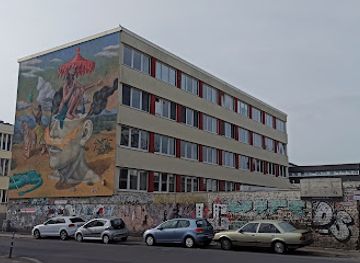
- Visit the nearby street art wall on Heliosstraße, a colorful display of urban art that reflects Ehrenfeld's creative spirit.
- Check out local events and festivals in Ehrenfeld, as the Helios Leuchtturm often serves as a backdrop for cultural activities.
Do you manage this location?
Take control to get all the benefits, like improved information, better appearance, and stronger visibility across AI-powered discovery. Learn more about listing your business on Evendo
Activate your presenceOther nearby places you may find interesting
The closest places of the same kind, if this one is not quite what you had in mind.

Explore Helios Leuchtturm Ehrenfeld on the Map
A handpicked selection of must-see spots near Helios Leuchtturm Ehrenfeld, mapped for you.
Getting There
-
Public Transport
From Köln Hauptbahnhof (main train station), take any of the frequent S-Bahn lines (S12, S19) or regional trains (RE1, RE8, RE9, RB27) to Köln-Ehrenfeld station. From there, it's approximately a 10-minute walk to the Helios Leuchtturm. Follow Subbelrather Straße, then turn left onto Heliosstraße. The lighthouse will be visible on your right. A single ticket from Köln Hbf to Köln-Ehrenfeld costs approximately €3-€4. Alternatively, tram lines 3, 4, or 13 to stop “Venloer Strasse/Gürtel” and walk from there.
-
Taxi/Ride-Share
A taxi or ride-share from Köln Hauptbahnhof to the Helios Leuchtturm will take approximately 10-15 minutes, depending on traffic. Expect to pay around €12-€15. Be sure to specify 'Heliosstraße in Ehrenfeld' as your destination.
-
Driving
If driving, navigate to Heliosstraße 2, 50825 Köln. Parking in the immediate vicinity is limited and can be challenging to find. Paid parking is available on Vogelsanger Straße and Lichtstraße. Expect to pay around €2-€3 per hour for parking. Alternatively, consider parking in one of the parking garages in Ehrenfeld, such as the St. Franziskus-Hospital garage (€2/hour, €25/day) or the Barthonia-Forum garage (€2/hour, €29/day).
Discover more about Helios Leuchtturm Ehrenfeld
More to explore near Helios Leuchtturm Ehrenfeld













Your all‑in‑one travel companion app
Explore expert travel guides, compare and book tours, experiences, hotels, and more—all from the palm of your hand. Download now for seamless trip planning wherever your wanderlust takes you.


Explore More of Cologne
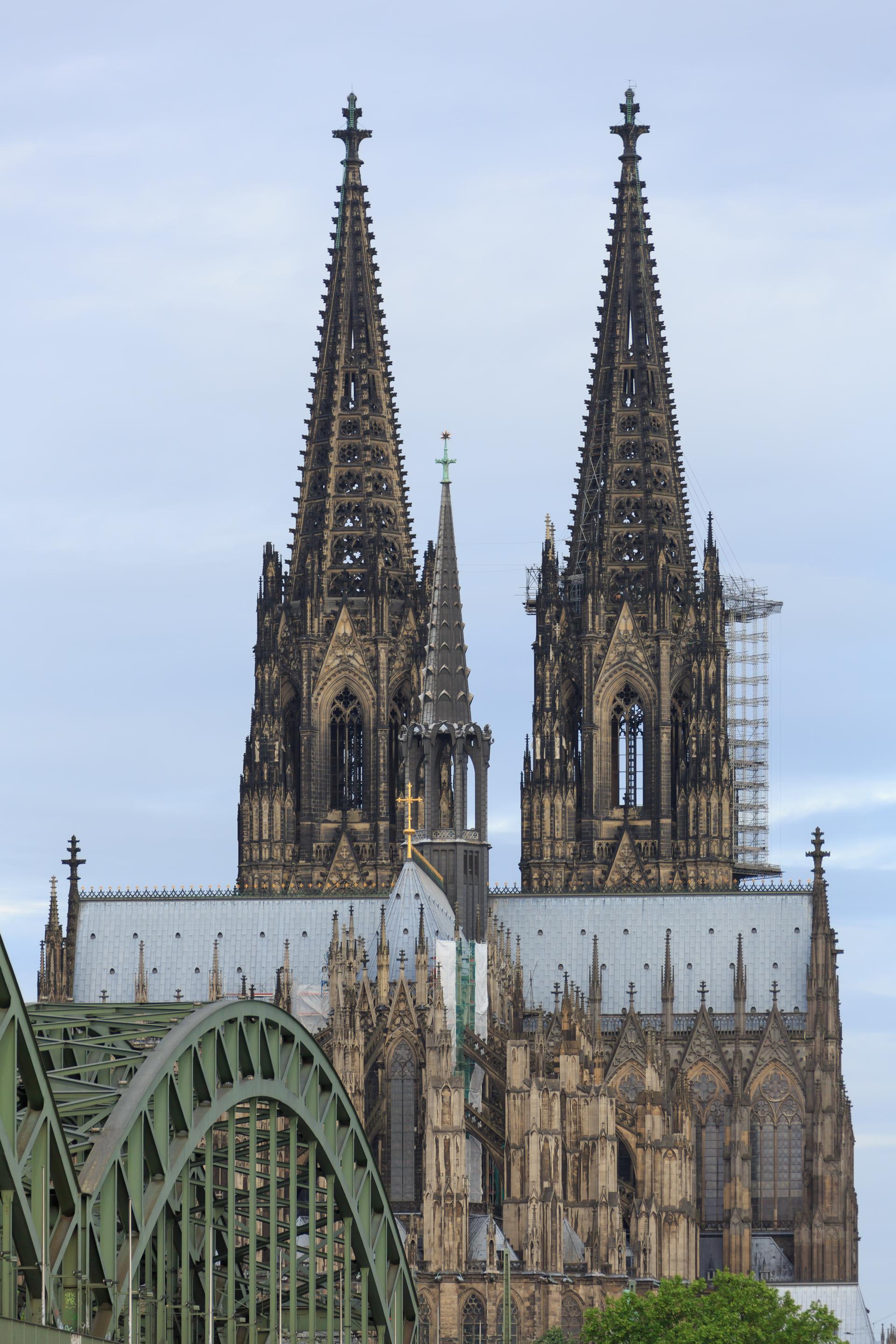
Looking beyond Helios Leuchtturm Ehrenfeld? Discover Cologne for broader travel guides, local hot-spots, and regional highlights.
Explore Cologne
Explore Römerbrunnen, a historic fountain in Cologne that beautifully combines architectural elegance with the city's vibrant culture.

Reflect on the courage of the Edelweiss Pirates at this Cologne memorial, a tribute to youth resistance against Nazi oppression in the vibrant Ehrenfeld district.