
Golden Rider, Dresden Travel Guide
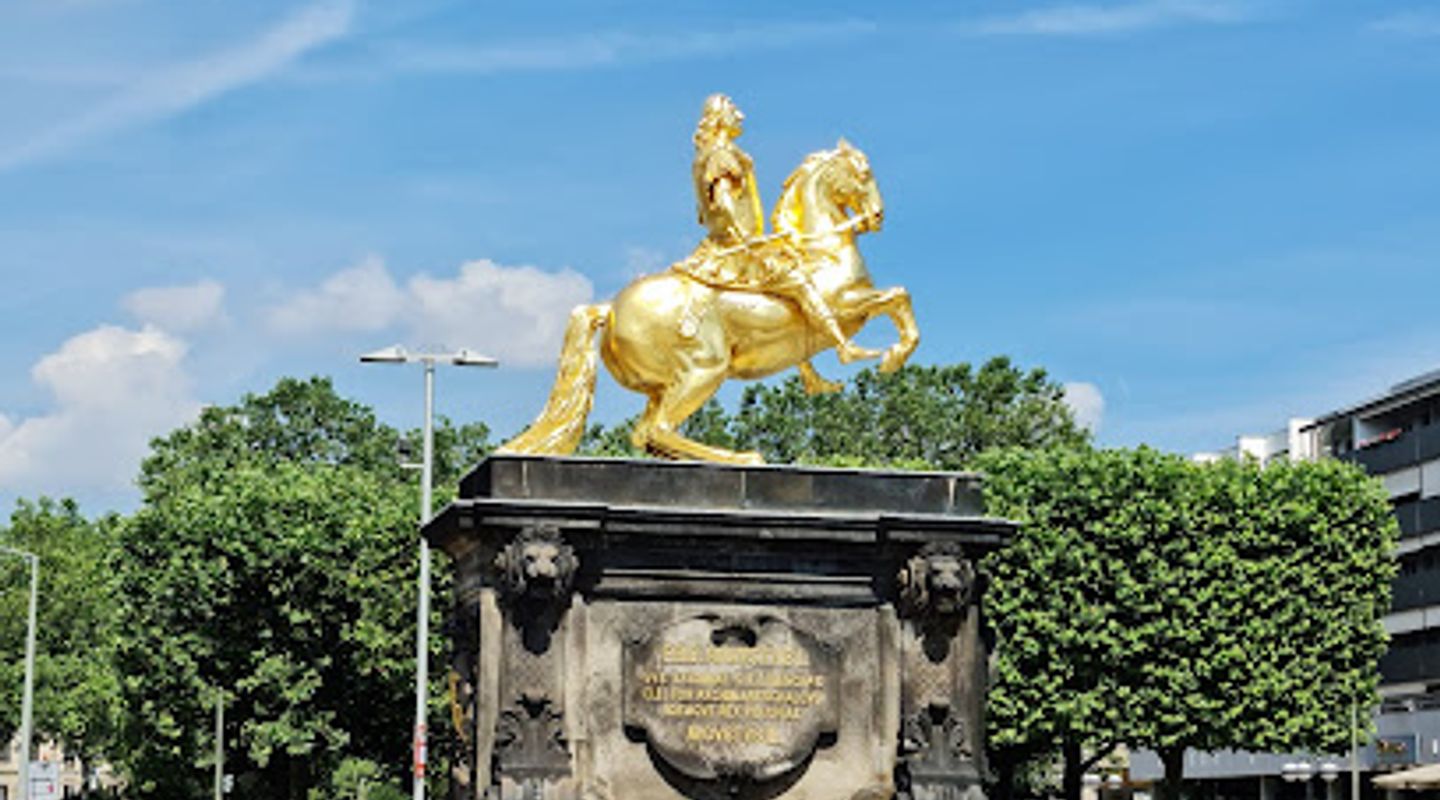
Witness the shimmering legacy of Augustus the Strong at Dresden's Golden Rider, a symbol of baroque splendor and the city's enduring spirit, located in the vibrant Neustadt district.
The Golden Rider (Goldener Reiter) is a dazzling equestrian statue of Augustus the Strong, Elector of Saxony and King of Poland, prominently situated on the Neustädter Markt in Dresden. This gilded monument, created in the early 18th century, symbolizes the city's rich history and artistic heritage. Augustus, known for transforming Dresden into a baroque masterpiece, is depicted in Roman armor, riding towards Poland, a testament to his dual reign. The statue, more than just a historical marker, embodies Dresden's resilience, having survived the devastation of World War II. Today, it stands as a vibrant meeting point and a must-see attraction, surrounded by the lively atmosphere of Neustadt, with its charming cafes, shops, and galleries. Visitors can easily access the Golden Rider and appreciate its intricate details and the stories it holds, making it a perfect spot to soak in the local culture and capture stunning photographs.
A brief summary to Golden Rider
- Neustädter Markt 14, Dresden, Dresden-Neustadt, 01097, DE
- Click to display
- Click to display

Know before you go
Hi, I'm Eve. Here are a few practical things to know before exploring Golden Rider.
- Visit during the golden hour (early morning or late afternoon) for the best lighting to photograph the statue's shimmering gold surface.
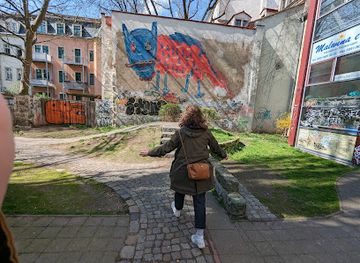
- Explore the surrounding Neustadt district for its vibrant street art, unique shops, and diverse culinary scene.
- Consider taking a guided tour to delve deeper into the history of Augustus the Strong and the statue's significance to Dresden.
- Check local event listings; the Neustädter Markt often hosts festivals and markets, enhancing the visitor experience.
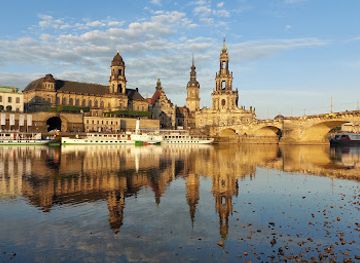
- Walk across the Augustusbrücke from the Altstadt (Old Town) for a scenic approach to the Golden Rider and Neustadt.
Do you manage this location?
Take control to get all the benefits, like improved information, better appearance, and stronger visibility across AI-powered discovery. Learn more about listing your business on Evendo
Activate your presenceOther nearby places you may find interesting
The closest places of the same kind, if this one is not quite what you had in mind.
Explore Golden Rider on the Map
A handpicked selection of must-see spots near Golden Rider, mapped for you.
Unlock the Best of Golden Rider
Buy tickets
-
No tickets available
Book tours with entry


Getting There
-
Public Transport
From Dresden Hauptbahnhof (main train station), take tram line 7 towards Weixdorf. Get off at the 'Neustädter Markt' stop. The Golden Rider is directly in front of you as you exit the tram. A single tram ticket costs approximately €2.50-€3.00.
-
Walking
From the Frauenkirche in the Altstadt (Old Town), cross the Augustusbrücke (Augustus Bridge) heading north. Continue straight onto Hauptstraße. Follow Hauptstraße until you reach Neustädter Markt. The Golden Rider will be prominently visible in the center of the square. The walk is approximately 15-20 minutes.
-
Taxi/Ride-Share
A taxi or ride-share from Dresden Hauptbahnhof to the Golden Rider will take approximately 5-10 minutes, depending on traffic. Expect to pay around €12-€20. From the Altstadt, a taxi will cost approximately €8-€15.
-
Driving
If driving, be aware that parking in the immediate vicinity of Neustädter Markt is limited. Consider parking at the Parkhaus Neustädter Markthalle (Metzer Straße 2) or other parking garages on Königsstraße. Parking fees typically range from €2-€3 per hour. From the parking garages, it's a short walk to the Golden Rider.
Discover more about Golden Rider













Your all‑in‑one travel companion app
Explore expert travel guides, compare and book tours, experiences, hotels, and more—all from the palm of your hand. Download now for seamless trip planning wherever your wanderlust takes you.


Explore More of Dresden
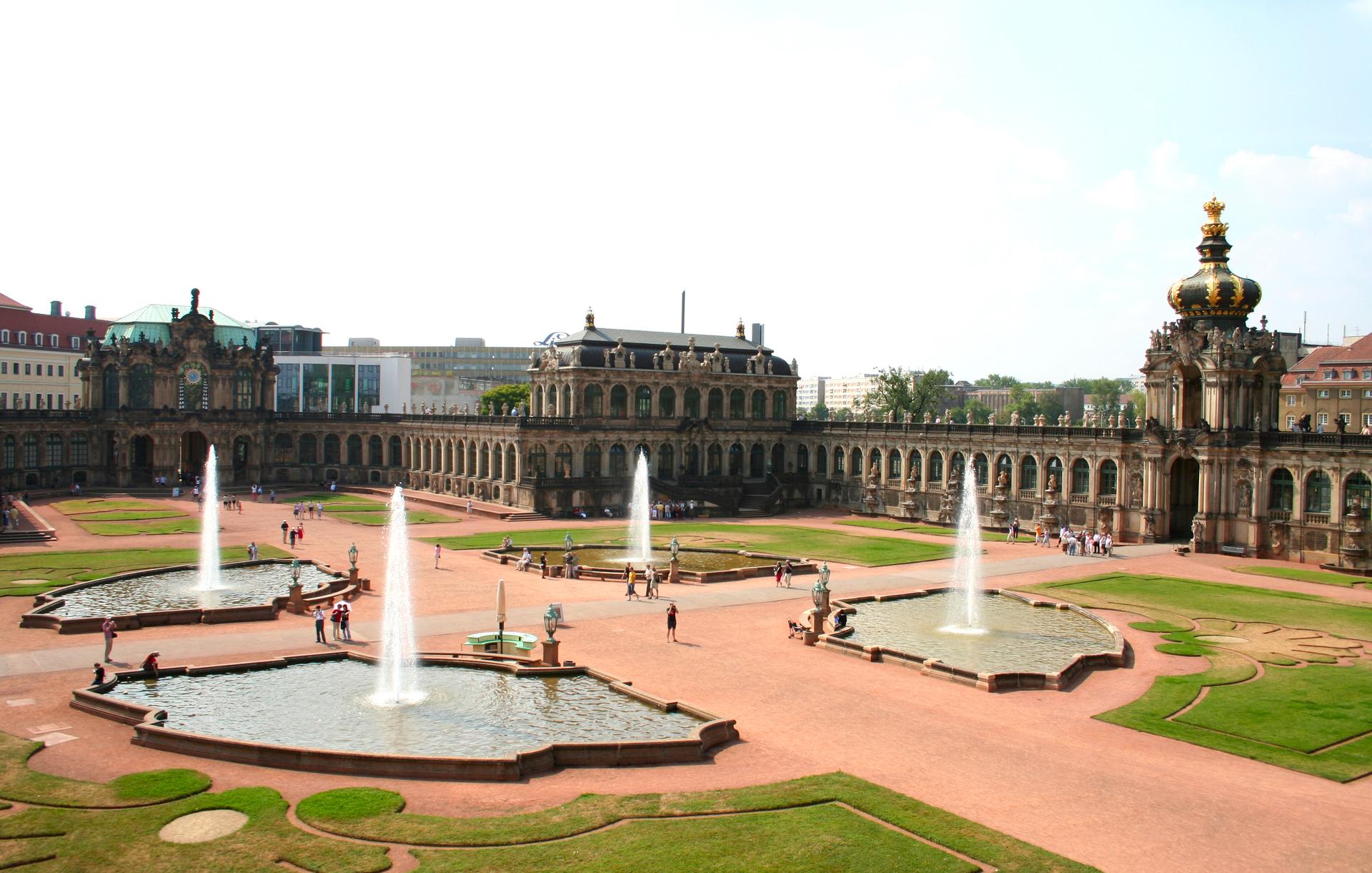
Looking beyond Golden Rider? Discover Dresden for broader travel guides, local hot-spots, and regional highlights.
Explore Dresden
Discover the New Synagogue in Dresden: a modern architectural marvel symbolizing the rebirth of Jewish life, standing on the historic site of the Semper Synagogue.
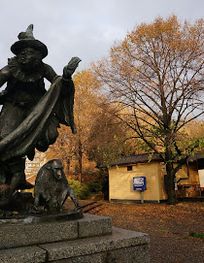
Discover the Narrenhaus-Denkmal in Dresden, a captivating tribute to humor and artistry in the heart of the city.
