Kuhhirten-Denkmal, Ruhr Travel Guide
Discover Bochum's heritage at the Kuhhirten-Denkmal, a charming monument that embodies the city's transformation from a rural town to an industrial center, a nostalgic reminder of Bochum's roots.
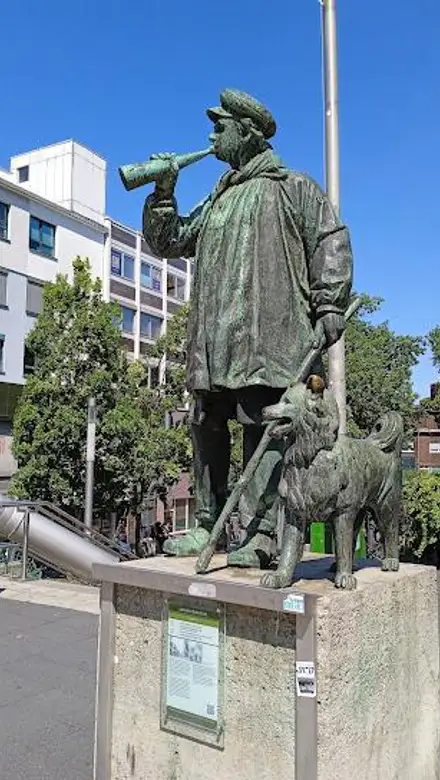
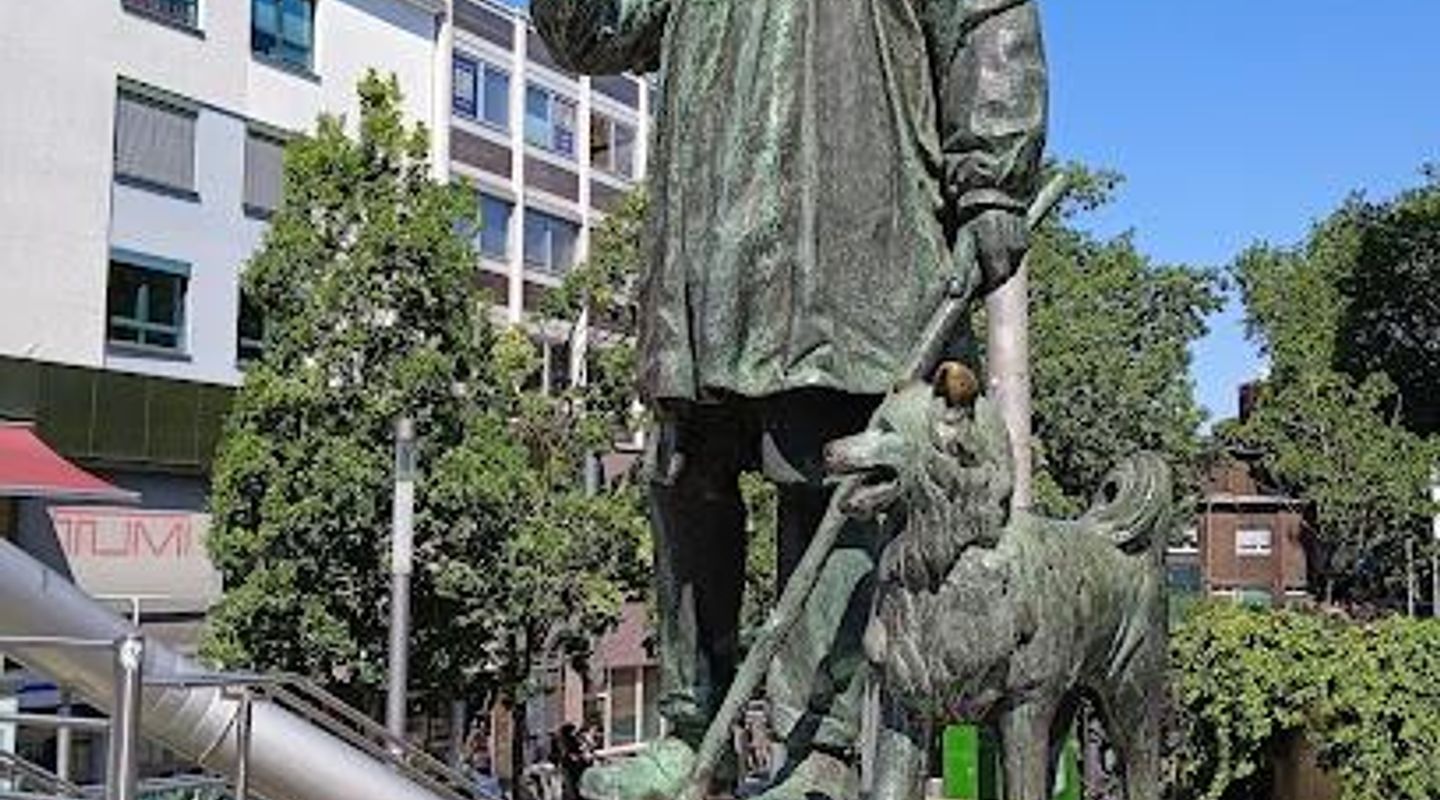
The Kuhhirten-Denkmal (Cowherd Monument) in Bochum is more than just a statue; it's a symbol of the city's transformation from a small agricultural town to a major industrial hub. Erected in 1908, it commemorates the now-vanished pastoral era when cowherds roamed the streets. The monument typically depicts Fritz Kortebusch, though the statue is actually Diederich Henrich Kortebusch, the last official cowherd, with his loyal dog. Located near the Propsteikirche St. Peter und Paul, the Kuhhirten-Denkmal serves as a nostalgic reminder of Bochum's roots. It's a popular meeting point, a place for reflection, and a testament to the city's rich history. The monument provides a tranquil escape from the urban bustle, inviting visitors to connect with Bochum's cultural heritage. The Kuhhirten-Denkmal is a must-see for anyone seeking to understand the heart and soul of Bochum.
A brief summary to Kuhhirten-Denkmal
- Bongardstraße 29, Bochum, Bochum-Mitte, 44787, DE

Know before you go
Hi, I'm Eve. Here are a few practical things to know before exploring Kuhhirten-Denkmal.
- Visit during the weekly market (usually held on Wednesdays and Saturdays) to experience the local atmosphere and sample regional products near the monument.
- Combine your visit with a tour of the Propsteikirche St. Peter und Paul, located nearby, to delve deeper into Bochum's history.
- Take a stroll along the Bongardstraße, Bochum's main shopping street, which starts near the monument, to experience the city's modern side.
Do you manage this location?
Take control to get all the benefits, like improved information, better appearance, and stronger visibility across AI-powered discovery. Learn more about listing your business on Evendo
Activate your presenceOther nearby places you may find interesting
The closest places of the same kind, if this one is not quite what you had in mind.
Explore Kuhhirten-Denkmal on the Map
A handpicked selection of must-see spots near Kuhhirten-Denkmal, mapped for you.
Unlock the Best of Kuhhirten-Denkmal
Buy tickets
-
No tickets available
Book tours with entry

Book tours without entry
-
No tours available
Getting There
-
Public Transport
From Bochum Hauptbahnhof (main train station), take tram line 302 or 310 towards Bochum Rathaus. Get off at the Bochum Rathaus stop, which is a short walk from the Kuhhirten-Denkmal. From the Rathaus station, walk southeast on Willy-Brandt-Platz, then turn left onto Bongardstraße. The Kuhhirten-Denkmal will be on your right. A single tram fare is approximately €1-2.
-
Walking
From Bochum city center (e.g., Dr.-Ruer-Platz), walk north along Bongardstraße. The Kuhhirten-Denkmal is located on Bongardstraße, near the intersection with Huestraße, approximately a 5-10 minute walk. The walk is flat and straightforward.
-
Taxi/Ride-Share
A taxi or ride-share from Bochum Hauptbahnhof to the Kuhhirten-Denkmal will take approximately 5-10 minutes, depending on traffic. Expect to pay around €8-12. Ask the driver to take you to Bongardstraße 29.
Discover more about Kuhhirten-Denkmal













Your all‑in‑one travel companion app
Explore expert travel guides, compare and book tours, experiences, hotels, and more—all from the palm of your hand. Download now for seamless trip planning wherever your wanderlust takes you.


Explore More of Ruhr
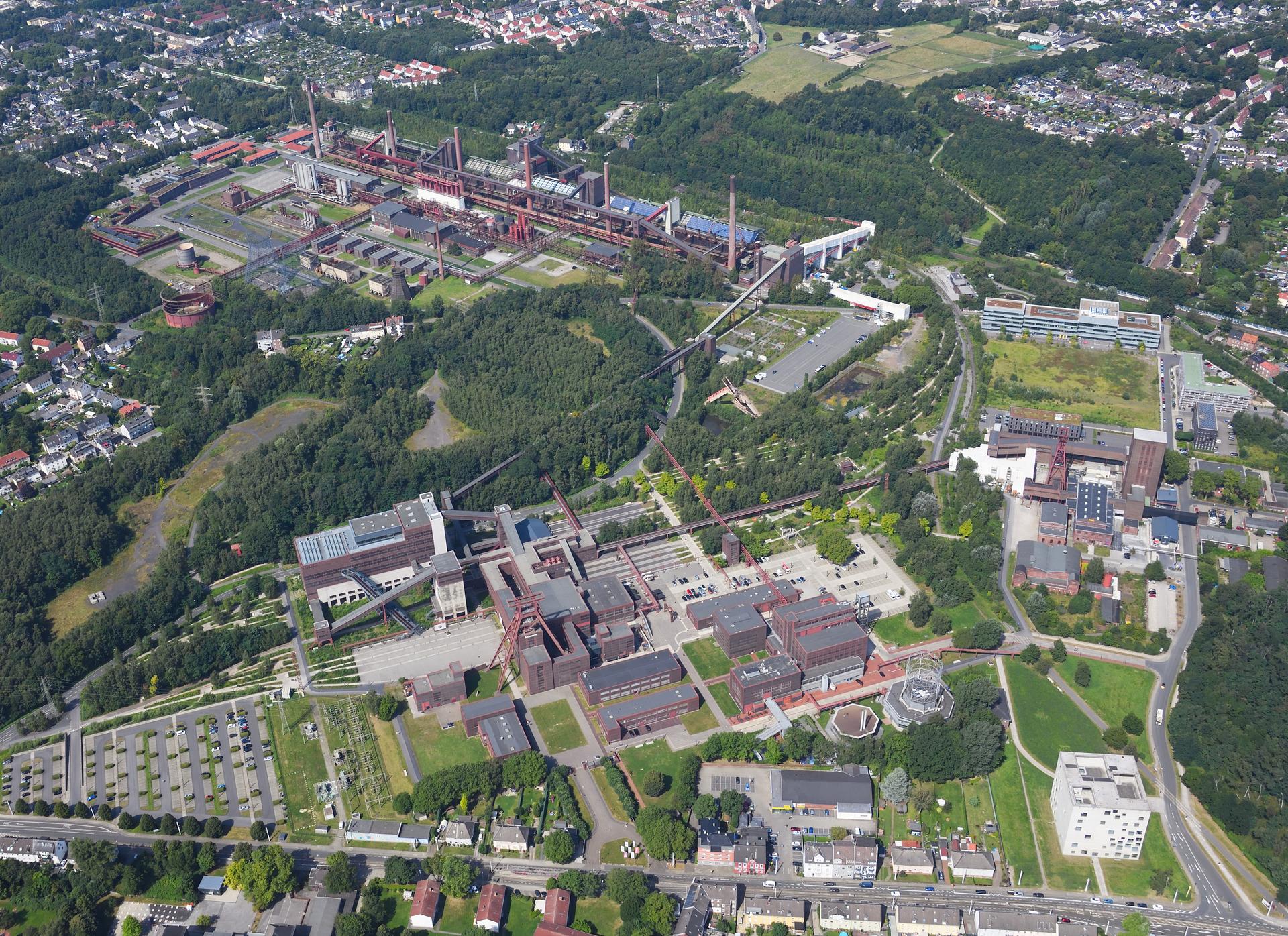
Looking beyond Kuhhirten-Denkmal? Discover Ruhr for broader travel guides, local hot-spots, and regional highlights.
Explore Ruhr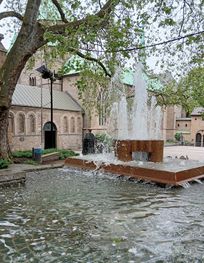
Discover Burgplatz in Essen: A historical landmark where the city's origins intertwine with modern life, surrounded by iconic architecture and vibrant cultural events.
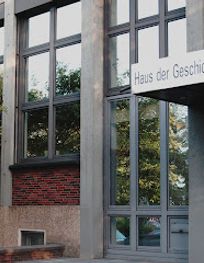
Explore the rich history of the Ruhrgebiet at the Haus der Geschichte des Ruhrgebiets, a captivating museum in Bochum showcasing the region's cultural evolution.