Munterley Travel Guide
Free Guide: Discover Munterley, Gerolstein's iconic dolomite peak: panoramic views, ancient history, and unique geological formations in the heart of the Volcanic Eifel.


A brief summary of Munterley
Discover Munterley, Gerolstein's iconic dolomite peak: panoramic views, ancient history, and unique geological formations in the heart of the Volcanic Eifel.
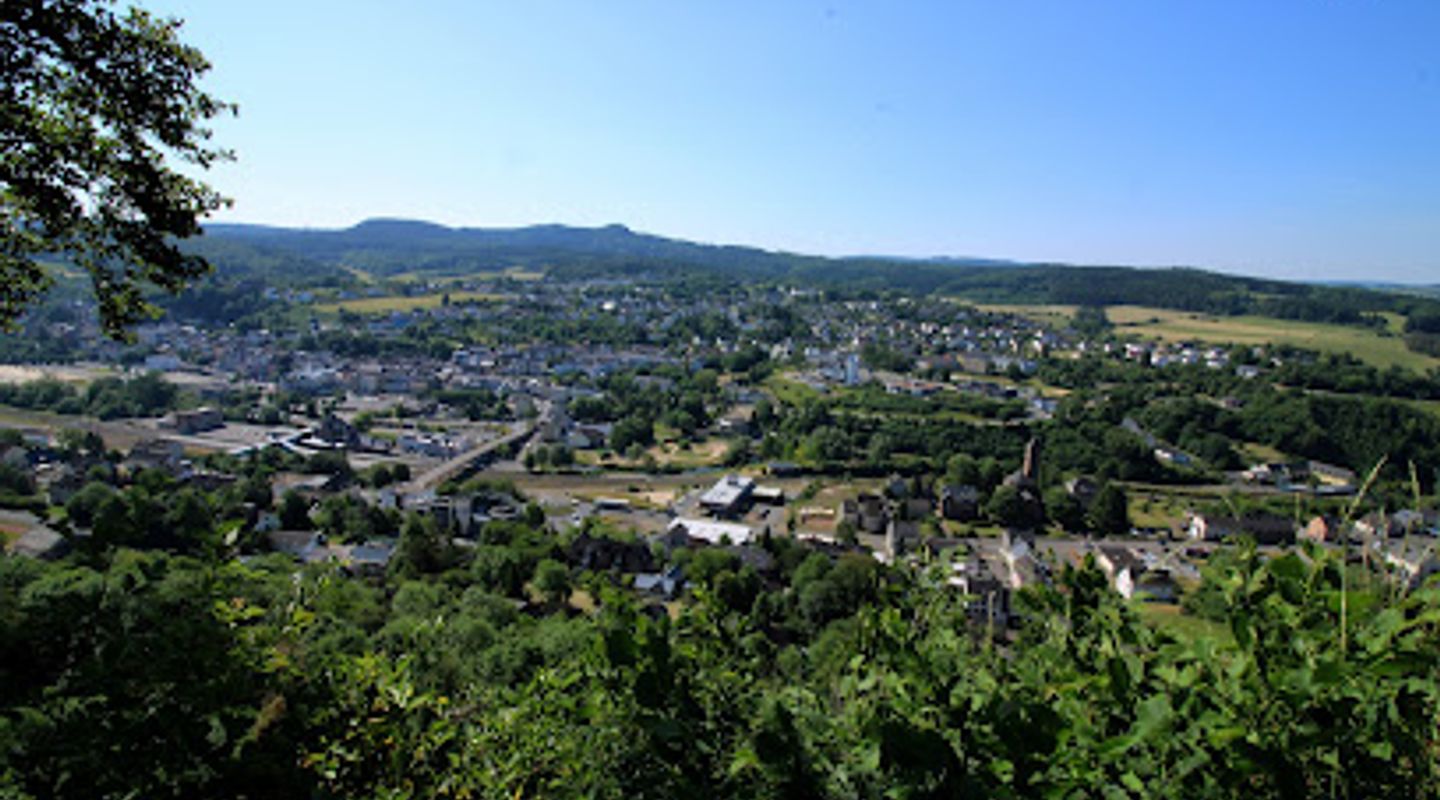
Munterley, a prominent dolomite rock formation, is the most famous peak of the Gerolstein Dolomites, offering panoramic views of Gerolstein and the Kyll River valley. Formed approximately 380 million years ago from stromatopores and coral reefs in a warm, shallow sea, these impressive rocks now shape Gerolstein's skyline. The area around Munterley is a designated nature reserve, home to diverse flora and fauna, including rare orchids and bats. Visitors can explore the Buchenloch Cave, a prehistoric shelter on the Munterley Plateau, and enjoy numerous hiking trails, including the Gerolsteiner Felsenpfad, which offers magical places and geological traces. Munterley is a must-see destination for nature lovers and history enthusiasts alike.
Opening hours
- Every dayOpen 24 hours
Opening hours as listed on the venue’s Google Business Profile. Hours can change for services and special events, so check with the venue before you go.
- Address
- Gymnasialstraße, 54568 Gerolstein
Getting there
Walking
Public Transport
Driving
Discover more about Munterley
Overview
Munterley, the most famous peak of the Gerolstein Dolomites, stands as a majestic testament to the region's rich geological history. Rising to a height of 482 meters, this prominent dolomite rock formation offers breathtaking panoramic views of Gerolstein, the Kyll River valley, and the vast volcanic Eifel landscape. Munterley is not merely a scenic viewpoint; it is a window into a world that existed nearly 380 million years ago, during the Devonian period. The Gerolstein Dolomites, including Munterley, Hustley, Drohende Ley, Große Kanzel, and Auberg, were once massive reefs formed in a warm, subtropical shallow sea. These reefs were built by stromatopores, ancient sponge-like organisms, and corals. Over millions of years, the reefs underwent dolomitization, a process where limestone is altered by magnesium-rich fluids, transforming them into the distinctive dolomite rock we see today. Subsequent geological events, including sinking, folding, and erosion, sculpted these formations into the dramatic landscape that characterizes the area. The area surrounding Munterley has been a designated nature reserve since 1990, protecting its unique biodiversity. The calcareous, nutrient-poor soil supports a variety of rare plants, including heat-loving species like bluegrass and pale fescue, as well as rare mosses and lichens. Rock crevices provide habitats for cotoneaster and rock pear, while the caves and crevices offer ideal summer and winter quarters for bats. Human presence in the area dates back to the Stone Age, with evidence of settlements in the nearby Buchenloch Cave. This cave, located on the edge of the Munterley Plateau, served as a shelter for Stone Age people approximately 30,000 years ago. Stone tools and bones discovered within the cave provide insights into the lives of these early inhabitants. Today, visitors can explore Munterley and the Gerolstein Dolomites through a network of hiking trails. The Gerolsteiner Felsenpfad, a part of the "Gerolsteiner Dolomiten Acht" hiking route, offers an immersive experience, guiding hikers through magical landscapes and revealing geological traces. This almost eight-kilometer circular tour showcases the region's natural beauty and geological significance. The Buchenloch Cave, a highlight of the Munterley area, is an impressive natural vault formed over 1.8 million years ago. Measuring approximately 30 meters in length and 4 meters in width, the cave provides a glimpse into the region's prehistoric past. The cave's history and geological formation make it a fascinating stop for visitors. For those interested in a guided experience, adventure hikes to the Gerolstein Dolomites are available from April to October. These hikes, led by knowledgeable guides, provide insights into the history of Gerolstein and the geological significance of the Dolomites. The guided tours often start from the historic station building and lead to the Helenenquelle spring, before ascending to the Munterley Plateau. The town of Gerolstein, nestled in the Kyll River valley, is renowned for its mineral water. The Gerolsteiner Brunnen visitor center offers tours where visitors can learn about the mineral water industry and sample the various products. This connection to the earth's resources adds another layer of interest to the Munterley experience. The medieval Kasselburg, located near the Gerolstein Dolomites, houses an eagle and wolf park, providing an opportunity to observe these magnificent creatures in a natural setting. The Kasselburg adds a cultural and historical dimension to the Munterley experience. While exploring Munterley and the Gerolstein Dolomites, visitors can also discover other nearby attractions, such as the Celtic-Roman temple complex Juddekirchhof, the Papenkaule volcanic crater, and the Mühlsteinhöhlen (millstone caves) near Roth. These sites offer additional insights into the region's rich history and geological diversity. Munterley and the Gerolstein Dolomites offer a unique blend of natural beauty, geological significance, and historical intrigue. Whether you are a seasoned hiker, a nature enthusiast, or a history buff, a visit to Munterley promises an unforgettable experience. The panoramic views, diverse flora and fauna, and fascinating geological formations make Munterley a must-see destination in the Eifel region. The diverse cultural landscape surrounding Munterley reflects the region's history and human impact. The targeted reforestation efforts in the 20th century transformed the previously barren landscape into a mixed deciduous forest, with stands of common beech, sessile oak, whitebeam, sycamore maple, hornbeam, and mountain ash. These forests provide habitats for a variety of wildlife and contribute to the area's scenic beauty. Visiting Munterley is an opportunity to connect with nature, explore geological wonders, and discover the rich history of the Eifel region. The combination of stunning views, diverse ecosystems, and historical significance makes Munterley a truly unique and rewarding destination.
Evendo Review Centre
 Google
Guest reviews
Explore Munterley on the map
A handpicked selection of must-see spots near Munterley, mapped for you.
Get your free copy of our complete guide to Munterley, delivered straight to you.
Everything on this page, from opening hours and how to get there to Eve’s tips and the best time to go, in one PDF you can read offline, print or share.
Already have an account? Sign in
Your Munterley guide is ready.
We'll send it to · Not you? Sign out

Getting your guide ready…
We are putting together a fresh copy of the Munterley guide. This can take up to a minute.
This can take a few moments. If your browser asks, choose Allow so the download can start. You'll find the guide in your Downloads folder.
Nothing happened? Download it again
Sorry, the guide is taking longer than usual. Please try again in a minute, or get it by email instead.
Other nearby places you may find interesting
The closest places of the same kind, if this one is not quite what you had in mind.
-
-
-
-
-


Swipe for more places
More to explore near Munterley

 Best experiences near Munterley
 Best hotels near Munterley
 Best landmarks near Munterley
 Best attractions near Munterley
 Best shops near Munterley
 Best restaurants near Munterley
 Best bars near Munterley
Do you manage this location?
Take control to get all the benefits, like improved information, better appearance, and stronger visibility across AI-powered discovery.
Explore more

Explore more of Eifel
Discover the Eifel in Germany: A serene escape featuring lush landscapes, historical sites, and outdoor adventures in the heart of Western Germany.
Explore Eifel
Explore more of Germany
Experience Germany: where history meets innovation, and urban energy blends with natural beauty. Discover diverse cultures, delicious cuisine, and stunning landscapes.
Explore Germany