

Free Eifel Travel Guide & Mobile App
Explore Eifel with free travel guides. Discover regional history, expert tips, proposed trips, and audio guides on web or mobile app.


Explore Germany’s Eifel for volcanic maars, forested trails, medieval castles, reservoir landscapes and historic towns near Belgium and the Rhine.
Read more about Eifel
When is the best time to visit Eifel?
Best: June–August · 20–22°C| Month | High (°C) | Rainfall (mm) |
|---|---|---|
| JANUARY | 4 | 75 |
| FEBRUARY | 5 | 65 |
| MARCH | 9 | 70 |
| APRIL | 13 | 60 |
| MAY | 17 | 70 |
| JUNE (best) | 20 | 80 |
| JULY (best) | 22 | 85 |
| AUGUST (best) | 22 | 80 |
| SEPTEMBER | 18 | 75 |
| OCTOBER | 14 | 70 |
| NOVEMBER | 8 | 75 |
| DECEMBER | 5 | 80 |
Getting to and around Eifel
How to get there
Transportation
Top city travel guides in Eifel
The cities of Eifel, and the easiest places to base yourself.
-

-

-

-


Swipe for more cities
Destinations in Eifel
Resorts, valleys and scenic spots worth a trip of their own.
-

-

-


Swipe for more destinations
Best attractions in Eifel
The Eifel’s attractions are spread across a landscape rather than concentrated in one city. In the north, the Eifel National Park offers marked woodland trails, reservoir viewpoints and wildlife habitats around the Rursee, with nearby Heimbach and Schleiden providing cultural and practical bases. The Vulkaneifel is distinguished by its maars, including the Pulvermaar and Schalkenmehrener Maar, geological trails, mineral springs and small museums explaining volcanic activity. Around Mayen and the eastern Eifel, quarrying, lava stone and medieval history come together in museums, castles and old town centres. The Roman aqueduct near Mechernich provides an insight into ancient engineering, while abbeys such as Maria Laach and Steinfeld represent the region’s religious heritage. Walking, cycling and scenic driving are central to the experience, with former railway routes and river valleys offering gentler alternatives to hillier trails. Motorsport provides a contrasting attraction at the Nürburgring, where the circuit and its surrounding facilities draw visitors to the southern Eifel. Rural markets, historic mills, reservoir excursions and seasonal wildflower walks round out an attraction landscape shaped as much by geology and countryside as by formal visitor sites.
-
Cathedral
Cologne Cathedral
Explore the grandeur of Cologne Cathedral, a Gothic masterpiece and UNESCO World Heritage Site, at the heart of Germany's cultural capital.
-
Arena
Lanxess Arena
Experience thrilling events at Lanxess Arena, a premier venue for concerts and sports in the heart of Cologne, Germany.
-
Museum
Lindt Chocolate Museum
Explore the rich heritage of chocolate at Cologne's Lindt Chocolate Museum, where history meets indulgence in every delicious bite.
-
Exhibition and trade centre
Cologne Fair
Discover the vibrant Cologne Fair, Germany's leading exhibition center, where innovation meets culture in the heart of Cologne.


Best landmarks in Eifel
The Eifel’s most recognisable landmarks express its volcanic geology, medieval fragmentation and rural engineering. The two castles of Manderscheid, standing on opposing heights above the Lieser valley, are a powerful reminder of the rival lordships that once divided the region. Maria Laach Abbey, beside the Laacher See in the eastern Eifel, is one of the area’s major Romanesque monuments, while Steinfeld Abbey represents the religious and architectural importance of the northern uplands. The Roman aqueduct near Mechernich is a landmark of ancient infrastructure, built to carry water towards Cologne across difficult terrain. In Monschau, slate-clad houses and steep valley streets form a distinctive historic townscape, and Bad Münstereifel retains substantial medieval walls and gates. Geological landmarks include the maar lakes around Daun, Ulmen and Schalkenmehren, whose circular forms reveal the region’s explosive volcanic past. The Nürburgring is a modern landmark of motorsport and engineering, while the wooded ridges and reservoirs of the National Park provide a less architectural but equally defining image of the Eifel.
-
National park
Eifel National Park
Discover Germany's wild side in Eifel National Park: Hike through ancient forests, spot rare wildlife, and experience the beauty of a landscape reborn.
-
Scenic spot
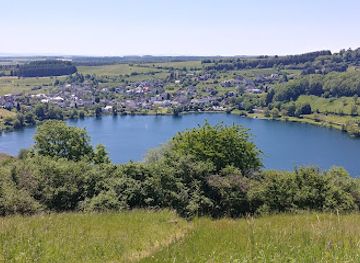
Schalkenmehrener Maar
Discover the breathtaking beauty of Schalkenmehrener Maar in Vulkaneifel: swim, hike, and explore the volcanic landscape of this natural paradise, one of the Daun Maars.
-
Tourist attraction
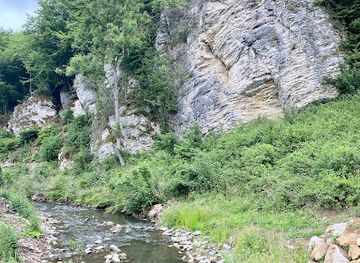
Dreimühlen-Wasserfall
Witness the enchanting 'growing waterfall' of Dreimühlen, a unique natural monument in the Volcanic Eifel, shaped by mineral-rich springs and surrounded by scenic hiking trails.
-
Hiking area
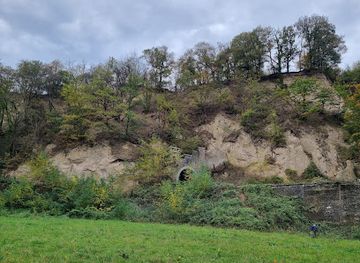
Trasshöhlen
Explore the Trasshöhlen near Brohl-Lützing: a unique landscape shaped by volcanic eruptions and centuries of mining, offering hiking and a glimpse into Eifel's past.

Explore Eifel on the map
Plan your trip on one map. See where the top cities, national parks and sights are, and book hotels and experiences in a few clicks.
Best hotels in Eifel
Best restaurants in Eifel
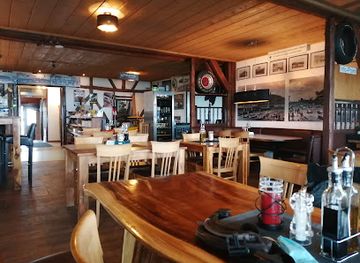
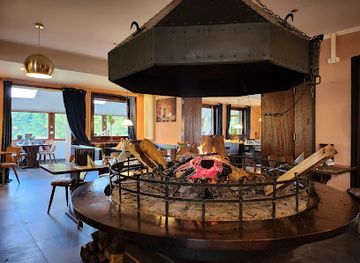
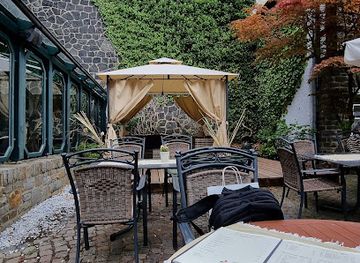
Eifel dining is rooted in the food of western Germany but has a clear rural character, with substantial dishes suited to a cool upland climate. Menus may include potato-based specialities, soups, game in season, pork, trout from regional waters and hearty stews, while bakeries and cafés provide rye breads, cakes and fruit-based pastries. The region is also known for apple-growing areas and products such as apple juice, cider-style drinks and fruit brandies, although availability varies from district to district. Around the Moselle-facing edge, local wines are more prominent, while the Eifel itself offers mineral waters, beers and spirits made from regional produce. Village inns, historic guesthouses and country restaurants remain important, complemented by contemporary dining in larger towns and spa destinations. Farmers’ shops and seasonal markets are useful for buying cheeses, smoked meats, preserves, honey and baked goods. Reservations are sensible for well-regarded rural restaurants, where opening patterns can be more limited than in Germany’s cities.
-
Cafe
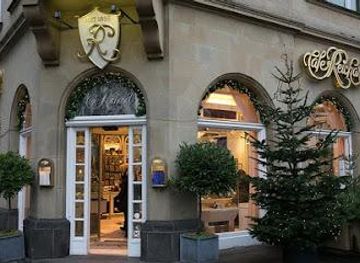
Café Reichard
Historic confiserie gem shadowing Cologne Cathedral's spires, serving lavish cakes and terrace views amid elegant tradition since 1905.
-
German
Restaurant zur Nürburg
Savor authentic German cuisine in a charming setting at Restaurant zur Nürburg, perfect for food lovers visiting this historic region.
-
European
The Black Man
Savor authentic European cuisine at The Black Man in Gondenbrett – where delicious hamburgers and hearty meals await.
-
Croatian
Restaurant im Burghof
Savor a delightful blend of Croatian and German cuisine at Restaurant im Burghof in Daun, where every meal tells a story.
Best bars in Eifel
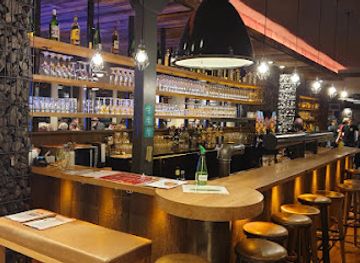
Evenings in the Eifel are generally quieter and more local than in Germany’s major cities. Traditional pubs and village inns provide the main social setting, serving beer, wine, soft drinks and simple food, while larger towns such as Mayen, Euskirchen, Bad Münstereifel, Daun and Gerolstein offer a wider selection of cafés, bars and occasional live-music venues. The Nürburgring area becomes busier around major motorsport meetings, but its atmosphere is event-led rather than a permanent nightclub district. Spa towns and historic centres may have wine bars, hotel lounges and seasonal cultural programmes, while rural communities often centre evening life on restaurants, clubs and local associations. Visitors should not expect extensive late-night transport between villages, so arranging a taxi or staying within walking distance of accommodation is sensible. Breweries, distilleries and regional drinks can be encountered, but alcohol is only one part of the area’s evening culture.
-
Restaurant
Vulkan Brauerei
Experience the rich tradition of German brewing and cuisine at Vulkan Brauerei, a perfect blend of flavors and culture in Mendig.
-
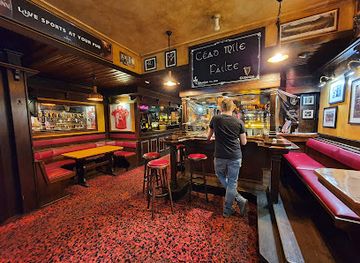
Irish pub
The Corkonian Irish pub
Experience authentic Irish hospitality at The Corkonian in Cologne, where hearty food, craft drinks, and a vibrant atmosphere await you.
-
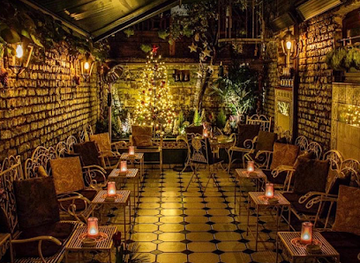
Cocktail bar
Seiberts - Classic Bar & Liquid Kitchen
Experience the essence of cocktail culture at Seiberts, Cologne's premier bar for innovative drinks and vibrant ambiance.
-
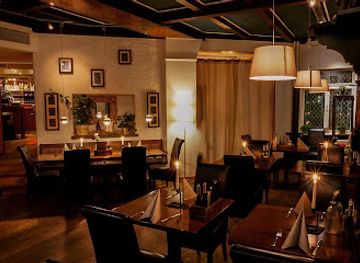
Bar
Blaue Ecke Restaurant & Hotel in Adenau
Experience the culinary delights of Blaue Ecke, a top-rated restaurant and hotel in Adenau, offering a unique blend of local flavors and comfort.
Best nightclubs in Eifel
Evenings in the Eifel are generally quieter and more local than in Germany’s major cities. Traditional pubs and village inns provide the main social setting, serving beer, wine, soft drinks and simple food, while larger towns such as Mayen, Euskirchen, Bad Münstereifel, Daun and Gerolstein offer a wider selection of cafés, bars and occasional live-music venues. The Nürburgring area becomes busier around major motorsport meetings, but its atmosphere is event-led rather than a permanent nightclub district. Spa towns and historic centres may have wine bars, hotel lounges and seasonal cultural programmes, while rural communities often centre evening life on restaurants, clubs and local associations. Visitors should not expect extensive late-night transport between villages, so arranging a taxi or staying within walking distance of accommodation is sensible. Breweries, distilleries and regional drinks can be encountered, but alcohol is only one part of the area’s evening culture.
-
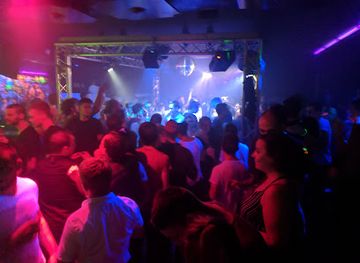
Disco club
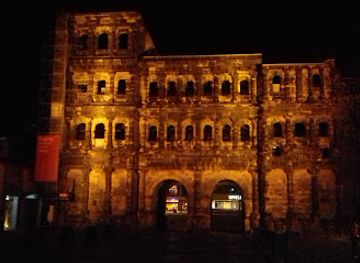
Musikpark A1 Trier
Explore the vibrant nightlife at Musikpark A1 Trier, where music, dance, and unforgettable memories await in a lively atmosphere.
-
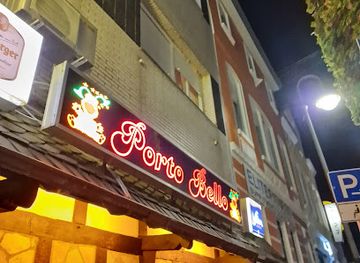
Disco club
Diskothek Porto Bello
Experience the vibrant nightlife of Euskirchen at Diskothek Porto Bello, where electrifying beats and a lively atmosphere await you.
-
Disco club
Club 11 - Trier
Experience the vibrant nightlife of Trier at Club 11, a disco club where music, dancing, and unforgettable moments come together.
-
Night club
Club Nightlife
Discover the pulse of Aachen's nightlife at Club Nightlife, where music, dance, and unforgettable memories come together in a vibrant atmosphere.

Best shops in Eifel
Shopping in the Eifel is centred on market towns, independent high streets and locally produced food rather than large-scale retail districts. Mayen, Daun, Gerolstein, Prüm, Monschau, Bad Münstereifel and other established towns provide everyday shops alongside bakeries, cafés, bookshops, galleries and small craft businesses. Historic centres are particularly suitable for browsing regional products, though rural retail hours can be limited outside the main daytime periods. Farm shops and seasonal markets offer honey, preserves, apple products, smoked meats, cheeses, spirits and other produce from the surrounding countryside. In the volcanic districts, locally quarried stone and geological-themed gifts reflect the landscape, while Monschau is associated with traditional food and confectionery sold in its historic centre. Visitors may also find ceramics, textiles, woodwork and handmade items in galleries and craft shops, but the range varies by town. The most useful souvenirs are often edible or connected to the Eifel’s geology, forestry and agricultural traditions rather than mass-produced regional memorabilia.
-
Shopping mall
Zweibrücken Fashion Outlet
Explore Zweibrücken Fashion Outlet for unbeatable deals on designer brands, a shopper's paradise in Germany's picturesque landscape.
-
Outlet mall
City Outlet Bad Münstereifel
Discover unbeatable deals and a charming atmosphere at City Outlet Bad Münstereifel, a must-visit shopping destination in Germany.
-
Lighting store
ETC Shop
Discover a world of lighting options at ETC Shop in Kelberg, where style meets functionality for every space.
-
Historical landmark
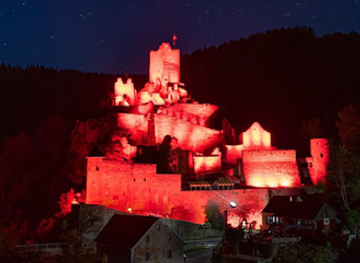
Manderscheid Lower Castle
Discover the historic charm and breathtaking views at Manderscheid Lower Castle, a must-visit landmark in Germany's scenic Eifel region.


Get your free copy of our complete guide to Eifel, delivered straight to you.
Everything on this page, from attractions and restaurants to essentials and local phrases, in one PDF you can read offline, print or share.
Already have an account? Sign in
Your Eifel guide is ready.
We'll send it to · Not you? Sign out

Getting your guide ready…
We are putting together a fresh copy of the Eifel guide. This can take up to a minute.
This can take a few moments. If your browser asks, choose Allow so the download can start. You'll find the guide in your Downloads folder.
Nothing happened? Download it again
Sorry, the guide is taking longer than usual. Please try again in a minute, or get it by email instead.
Eifel essentials
Currency and Payment
Safety
Emergency Situations
Do's and Don'ts
Local Tips
From Eve
Local phrases worth knowing
You don't need to get them perfect. A few words go a long way, and locals appreciate the effort.
Basics
| English | Local | Say it |
|---|---|---|
| Hello | Hallo | [Hah-loh] |
| Goodbye | Auf Wiedersehen | [Owf Vee-der-zay-en] |
| Yes | Ja | [Yah] |
| No | Nein | [Nine] |
| Please/You're welcome | Bitte | [Bit-teh] |
| Thank you | Danke | [Dahn-keh] |
| Excuse me/Sorry | Entschuldigung | [Ent-shool-dee-goong] |
| How are you? | Wie geht's? | [Vee gate's?] |
| Fine. And you? | Gut. Und dir? | [Gooot. Oond deer?] |
| Do you speak English? | Sprechen Sie Englisch? | [Shpre-chen Zee Eng-lish?] |
| I don't understand | Ich verstehe nicht | [Ish fer-shteh-eh niht] |
Eating & Drinking
| English | Local | Say it |
|---|---|---|
| I'd like to see the menu, please | Ich hätte gerne die Speisekarte, bitte | [Ish heh-teh gair-neh dee Shpie-seh-kar-teh, bit-teh] |
| I don't eat meat | Ich esse kein Fleisch | [Ish ess-eh kine Fly-sh] |
| Cheers! | Prost! | [Prohst!] |
| I would like to pay, please | Ich möchte zahlen, bitte | [Ish mer-kteh tsah-len, bit-teh] |
Emergencies
| English | Local | Say it |
|---|---|---|
| Help! | Hilfe! | [Hil-feh!] |
| Go away! | Geh weg! | [Gay vek!] |
| Call the Police! | Rufen Sie die Polizei! | [Roo-fen Zee dee Po-lee-tsai!] |
| Call a doctor! | Rufen Sie einen Arzt! | [Roo-fen Zee eye-nen Artst!] |
| I'm lost | Ich habe mich verlaufen | [Ish hah-beh meekh fer-lou-fen] |
| I'm ill | Ich bin krank | [Ish bin krank] |
Shopping
| English | Local | Say it |
|---|---|---|
| I'd like to buy... | Ich möchte kaufen... | [Ish mer-kteh kau-fen...] |
| I'm just looking | Ich schaue nur | [Ish shau-eh noor] |
| How much is it? | Wie viel kostet es? | [Vee feel kost-et es?] |
| That's too expensive | Das ist zu teuer | [Das ist tsoo toi-er] |
| Can you lower the price? | Können Sie den Preis senken? | [Kurn-en Zee den Price sen-ken?] |
Time & Numbers
| English | Local | Say it |
|---|---|---|
| What time is it? | Wie spät ist es? | [Vee shpaet ist es?] |
| It's one o'clock | Es ist ein Uhr | [Es ist ein Oohr] |
| Half past (10) | Halb (10) | [Halb (10)] |
| Morning | Morgen | [Morg-en] |
| Afternoon | Nachmittag | [Nahch-mitt-agh] |
| Evening | Abend | [Ah-bent] |
| Yesterday | Gestern | [Geh-stern] |
| Today | Heute | [Hoy-teh] |
| Tomorrow | Morgen | [Morg-en] |
| 1 | Eins | [Eins] |
| 2 | Zwei | [Tsvai] |
| 3 | Drei | [Dry] |
| 4 | Vier | [Feer] |
| 5 | Fünf | [Fuenf] |
| 6 | Sechs | [Zex] |
| 7 | Sieben | [Zee-ben] |
| 8 | Acht | [Acht] |
| 9 | Neun | [Noyn] |
| 10 | Zehn | [Tsen] |
Transport & Directions
| English | Local | Say it |
|---|---|---|
| Where's a/the...? | Wo ist ein/das...? | [Vo ist ine/das...?] |
| What's the address? | Wie ist die Adresse? | [Vee ist dee Ah-dress-eh?] |
| Can you show me (on the map)? | Könnten Sie mir (auf der Karte) zeigen? | [Kurn-ten Zee meer (owf der Kar-teh) tsai-gen?] |
| When's the next (bus)? | Wann kommt der nächste (Bus)? | [Vahn komt der nay-sh-teh (Boos)?] |
| A ticket (to ....) | Ein Ticket (nach ....) | [Eyn Ti-ket (nahkh ....)] |
History of Eifel
Prehistoric Landscapes and Volcanic Activity
Human communities have used the Eifel since prehistoric times, attracted by woodland, water, game and workable stone. Its volcanic history is far older: eruptions created the maars and lava fields that now define parts of the Vulkaneifel, with the most recent eruptions occurring several thousand years ago. Stone from the region was used for tools and building, while the distinctive crater lakes later became important features of local settlement and folklore. Today geological trails, quarries and visitor centres help explain how volcanic forces shaped the region’s soils, springs and settlement patterns.
Roman Roads, Waterworks and Quarrying
Roman influence reached deeply into the Eifel, which lay between the Rhine frontier and the cities of the Moselle and Lower Rhine. Roads crossed the uplands, settlements developed around routes and resources, and stone and metal were extracted for construction and manufacture. The Roman aqueduct running from the Mechernich area towards Cologne is the clearest surviving reminder of this infrastructure. Its carefully engineered channels demonstrate the importance of the Eifel as a source of water and building materials, while archaeological remains indicate that the region was more closely integrated into the Roman economy than its rural appearance might suggest.
Medieval Abbeys, Castles and Territorial Frontiers
After the Roman period, the Eifel became a meeting ground for ecclesiastical territories, noble lordships and emerging towns. Monasteries, churches and agricultural estates organised settlement and land use, while castles guarded valleys and routes. The abbeys of Maria Laach and Steinfeld illustrate the religious and architectural influence of major foundations; Manderscheid’s rival castles reflect the political fragmentation of the medieval uplands. Walled towns and market centres developed where roads, valleys and administrative boundaries converged. This divided heritage helps explain the variety of dialects, architectural details and historical identities found across the modern Eifel.
Woodland, Iron and Volcanic Stone
For centuries, the Eifel economy depended on forests, charcoal, ironworking, agriculture and quarrying. Woodland supplied fuel for furnaces, while local ore and waterpower supported iron production in parts of the region. Volcanic tuff and basalt were quarried around Mayen and elsewhere, providing durable material for buildings, mills and monuments. These industries altered the landscape through coppicing, mining and transport routes, but they also created skilled communities and local trade. The legacy survives in quarry landscapes, industrial collections, historic mills and the continuing use of Eifel stone in regional architecture.
Railways, Borders and the Nineteenth Century
During the nineteenth century, the Eifel was incorporated into the expanding Prussian state and became more closely connected to the Rhineland through roads and railways. New lines linked upland towns with larger centres, encouraged the movement of agricultural and industrial goods and reduced the region’s relative isolation. Administrative borders remained significant, particularly close to Belgium and the Moselle, but economic connections widened. Spa towns, market towns and villages adapted to changing patterns of trade, while improved access also made the Eifel increasingly visible to visitors seeking rural landscapes and fresh air.
War, Reconstruction and Conservation
The Eifel was heavily affected by the Second World War, especially around the Hürtgen Forest and other areas close to the western frontier. Villages, roads and forests bore the consequences of fighting, and post-war reconstruction changed parts of the built environment. In later decades, protection of woodland, lakes, geological sites and wildlife became increasingly important. The Eifel National Park, established in 2004, represents this modern shift towards landscape conservation and ecological education. Alongside farming, forestry and tourism, the region now presents its natural systems and difficult twentieth-century history as central parts of its identity.
Eifel in Photos
Browse through our photo collection highlighting the charm and character of the destination.
Neighbouring regions of Eifel
The closest regions to Eifel, if you have time for more than one.
-

-

-

-

-


Swipe for more regions
Explore more

Explore more of Germany
Experience Germany: where history meets innovation, and urban energy blends with natural beauty. Discover diverse cultures, delicious cuisine, and stunning landscapes.
Explore Germany