Holbeinsteg, Frankfurt Travel Guide
Free Guide: Experience Frankfurt from Above: Holbeinsteg, the iconic pedestrian bridge connecting culture and commerce with stunning skyline views and a gentle sway over the Main River.


A brief summary of Holbeinsteg
Experience Frankfurt from Above: Holbeinsteg, the iconic pedestrian bridge connecting culture and commerce with stunning skyline views and a gentle sway over the Main River.
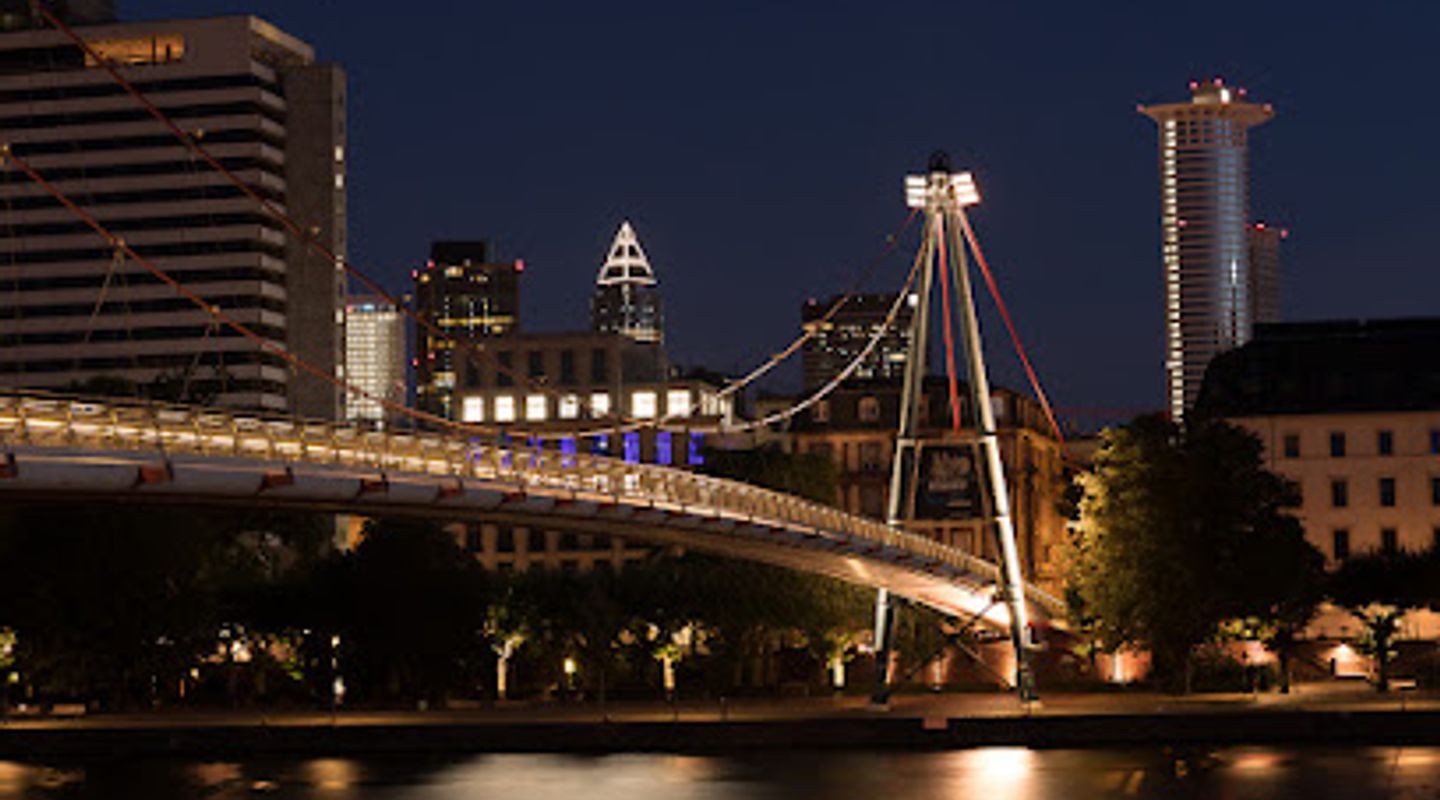
The Holbeinsteg is a modern pedestrian bridge in Frankfurt am Main, offering stunning views and seamless connectivity. Designed by Albert Speer Jr. and completed in 1990, this suspension bridge spans the Main River, linking the Museumsufer on the south bank with the city center. Named after the renowned painter Hans Holbein the Younger, the bridge is not only a functional structure but also a symbol of Frankfurt's blend of culture and innovation. Its elegant design, featuring blue pylons and colorful cables, provides a picturesque backdrop for both locals and tourists. Open 24/7 with no fee to cross, the Holbeinsteg is a must-visit landmark, perfect for a leisurely stroll, offering breathtaking views of the Frankfurt skyline and easy access to nearby attractions such as the Städel Museum and the vibrant Sachsenhausen district. Whether you're capturing the sunset or simply enjoying the city's ambiance, the Holbeinsteg promises a memorable experience.
Opening hours
- Every dayOpen 24 hours
Opening hours as listed on the venue’s Google Business Profile. Hours can change for services and special events, so check with the venue before you go.
- Address
- Holbeinstraße, 60596 Frankfurt am Main
- Phone
Getting there
Walking
Public Transport
Taxi/Ride-Share
Driving
Discover more about Holbeinsteg
Overview
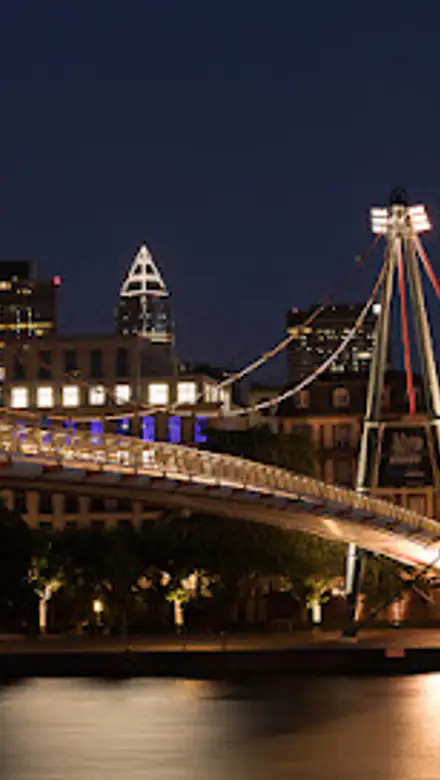
The Holbeinsteg, an architectural gem in Frankfurt am Main, gracefully bridges the Main River, connecting the city's vibrant core with its culturally rich southern district. Completed in 1990, this pedestrian bridge is more than just a crossing; it's a destination in itself, offering panoramic views and a unique perspective on Frankfurt's skyline. Designed by the esteemed architect Albert Speer Jr., the Holbeinsteg was conceived as part of a broader urban development plan to enhance connectivity between the northern and southern parts of Frankfurt. The bridge's name pays homage to Hans Holbein the Younger, a celebrated German painter, reflecting the city's deep appreciation for art and culture. The Holbeinsteg serves as a vital link between the Museumsufer (Museum Embankment) on the southern bank and the bustling financial district on the northern bank, facilitating easy access to important cultural institutions such as the Städel Museum and the German Film Museum. The bridge's innovative suspension structure is a sight to behold. Spanning 142 meters in length and 5.5 meters in width, the Holbeinsteg is supported by two striking blue pylons that rise 26 meters above the river. These pylons are connected by a network of red and grey-blue steel cables, which hold the bridge deck in place, providing both structural stability and an aesthetically pleasing silhouette against the Frankfurt skyline. The use of steel and concrete ensures the bridge's durability and resilience, essential for withstanding heavy pedestrian traffic. Walking across the Holbeinsteg is an experience in itself. As you stroll along the bridge, you can feel a gentle sway, adding a touch of excitement to your journey. The views from the bridge are simply breathtaking. To the north, you'll be greeted by the impressive Frankfurt skyline, a testament to the city's status as a major financial hub. To the south, you can admire the Museumsufer, home to a collection of world-class museums and cultural institutions. The Holbeinsteg is particularly enchanting at night. The bridge is illuminated with strategically placed spotlights, casting a soft, ethereal glow on the structure and creating a magical ambiance. The reflections of the city lights on the Main River add to the enchanting atmosphere, making it a popular spot for evening strolls and romantic encounters. More than just a functional structure, the Holbeinsteg has become a social and cultural landmark in Frankfurt. It's a popular gathering place for locals and tourists alike, offering a space to relax, enjoy the views, and soak in the city's vibrant atmosphere. The bridge has also been featured in various films, television shows, and literary works, solidifying its status as an iconic symbol of Frankfurt. Before the construction of the Holbeinsteg, the Eiserner Steg was the only pedestrian crossing in the vicinity, often leading to overcrowding. The Holbeinsteg provided a much-needed alternative, easing pedestrian traffic and enhancing accessibility between the city's cultural and commercial districts. Its strategic location makes it easy to explore nearby attractions, such as the Städel Museum, the German Film Museum, and the charming Sachsenhausen district. The Holbeinsteg is open 24 hours a day, 7 days a week, and there is no fee to cross the bridge. This makes it an accessible and convenient destination for anyone looking to experience the beauty and charm of Frankfurt. Whether you're a local seeking a scenic stroll or a tourist eager to explore the city's cultural offerings, the Holbeinsteg is a must-visit landmark that promises a memorable experience. Visiting the Holbeinsteg is an opportunity to connect with Frankfurt's rich history, admire its modern architecture, and soak in its vibrant atmosphere. It's a place where art, culture, and urban life converge, creating a unique and unforgettable experience for all who cross its path. The bridge is more than just a crossing; it's a symbol of Frankfurt's identity, a testament to its innovative spirit, and a celebration of its cultural heritage. Whether you're capturing the sunset, enjoying a leisurely walk, or simply taking in the views, the Holbeinsteg is sure to leave a lasting impression. As you plan your visit to Frankfurt, be sure to include the Holbeinsteg on your itinerary. This iconic bridge offers a unique perspective on the city, connecting its past with its present and providing a space for locals and tourists to come together and appreciate the beauty of Frankfurt am Main.
Evendo Review Centre
 Google
Guest reviews
Explore Holbeinsteg on the map
A handpicked selection of must-see spots near Holbeinsteg, mapped for you.
Get your free copy of our complete guide to Holbeinsteg, delivered straight to you.
Everything on this page, from opening hours and how to get there to Eve’s tips and the best time to go, in one PDF you can read offline, print or share.
Already have an account? Sign in
Your Holbeinsteg guide is ready.
We'll send it to · Not you? Sign out

Getting your guide ready…
We are putting together a fresh copy of the Holbeinsteg guide. This can take up to a minute.
This can take a few moments. If your browser asks, choose Allow so the download can start. You'll find the guide in your Downloads folder.
Nothing happened? Download it again
Sorry, the guide is taking longer than usual. Please try again in a minute, or get it by email instead.
Unlock the best of Holbeinsteg
Skip-the-line tickets, guided tours with entry, and walking tours of the area, booked in a few clicks.


Other nearby places you may find interesting
The closest places of the same kind, if this one is not quite what you had in mind.
-
-

-
-
-


Swipe for more places
More to explore near Holbeinsteg

 Best experiences near Holbeinsteg
 Best hotels near Holbeinsteg
 Best landmarks near Holbeinsteg
 Best attractions near Holbeinsteg
 Best shops near Holbeinsteg
 Best restaurants near Holbeinsteg
 Best bars near Holbeinsteg
Do you manage this location?
Take control to get all the benefits, like improved information, better appearance, and stronger visibility across AI-powered discovery.
Explore more

Explore more of Frankfurt
Discover Frankfurt: A blend of modernity and history, offering skyscrapers, historic sites, cultural treasures, and vibrant shopping and dining experiences.
Explore Frankfurt
Explore more of Germany
Experience Germany: where history meets innovation, and urban energy blends with natural beauty. Discover diverse cultures, delicious cuisine, and stunning landscapes.
Explore Germany