Alter Elbtunnel, Hamburg Travel Guide
Free Guide: Explore Hamburg's maritime history beneath the Elbe River in this early 20th-century engineering marvel, featuring vintage elevators and stunning city views from Steinwerder.


A brief summary of Alter Elbtunnel
Explore Hamburg's maritime history beneath the Elbe River in this early 20th-century engineering marvel, featuring vintage elevators and stunning city views from Steinwerder.
Descend into Hamburg's captivating past with a visit to the Alter Elbtunnel, an early 20th-century engineering marvel that connects the bustling St. Pauli Landungsbrücken with the southern banks of the Elbe. Opened in 1911, this historic tunnel, also known as the St. Pauli Elbtunnel, offered a crucial shortcut for dockworkers and has since become a beloved landmark. Experience the unique charm of its tiled walls, adorned with maritime-themed reliefs, and ride the vintage elevators that transport you deep beneath the river. Whether you're a cyclist, pedestrian, or simply a curious traveler, the Alter Elbtunnel promises a memorable subterranean adventure and stunning panoramic views of the Hamburg skyline from the Steinwerder side. Don't miss this opportunity to explore a piece of Hamburg's maritime heritage and capture some truly unique photographs.
Opening hours
- Mon5:30 am–8 pm
- Tue5:30 am–8 pm
- Wed5:30 am–8 pm
- Thu5:30 am–8 pm
- Fri5:30 am–8 pm
- Sat10 am–6 pm
- Sun10 am–6 pm
Opening hours as listed on the venue’s Google Business Profile. Hours can change for services and special events, so check with the venue before you go.
- Address
- Bei den St. Pauli-Landungsbrücken, 20359 Hamburg
- Phone
- Website
Getting there
Public Transport
Taxi/Ride-Share
Driving
Ferry
Discover more about Alter Elbtunnel
Overview
The Alter Elbtunnel, or Old Elbe Tunnel, stands as a testament to Hamburg's rich maritime history and engineering prowess. Officially named the St. Pauli Elbtunnel, this underwater passage has been a vital artery connecting the northern and southern banks of the Elbe River since its grand opening in 1911. Constructed to alleviate the congestion and lengthy detours faced by dockworkers commuting to the shipyards on Steinwerder Island, the tunnel was a groundbreaking feat of engineering for its time. Prior to its existence, thousands of workers relied on ferries or circuitous routes to cross the Elbe, a situation that hampered efficiency and productivity. The Alter Elbtunnel provided a direct and reliable solution, solidifying Hamburg's position as a major port city. The tunnel's design and construction were overseen by the esteemed engineer Ludwig Raabe, with the project undertaken by the Philipp Holzmann company. The construction process, which commenced in 1907, involved approximately 4,400 laborers employing state-of-the-art drilling techniques. The tunnel's two tubes, each stretching 426 meters in length and six meters in diameter, were built using a shield tunneling method, a pioneering approach for the era. Descending 24 meters beneath the Elbe's surface, the Alter Elbtunnel is accessible via four large elevator cages located within a distinctive square domed structure at the St. Pauli Landungsbrücken. These elevators, originally designed to transport both people and vehicles, remain operational today, offering a nostalgic glimpse into the tunnel's early years. Pedestrians and cyclists can also utilize the glass passenger lifts or take the stairs. Once inside the tunnel, visitors are transported to another world. The tunnel's walls are lined with ceramic tiles and adorned with intricate reliefs depicting various scenes of river and sea life. These artistic embellishments, created by the sculptor Embriaco Ghinelli, add a touch of elegance and charm to the subterranean passage. The soft, yellow lighting casts an ethereal glow, creating a unique and captivating atmosphere. Beyond its aesthetic appeal, the Alter Elbtunnel offers practical benefits to modern-day Hamburgers and tourists alike. Pedestrians and cyclists can traverse the Elbe free of charge, avoiding the often-crowded harbor ferries. The tunnel provides a direct route to the southern bank, offering access to Wilhelmsburg, Altes Land, and panoramic views of the Hamburg skyline from the observation platform in Steinwerder. In 2003, the Alter Elbtunnel was designated a protected historical monument, recognizing its cultural significance and architectural value. The tunnel has undergone several renovations and modernizations to ensure its continued safety and functionality, while preserving its original character. Today, the Alter Elbtunnel stands as a symbol of Hamburg's maritime heritage, engineering innovation, and artistic spirit. It is a must-see attraction for visitors seeking to delve into the city's past and experience a unique subterranean adventure. Whether you're strolling through its tiled corridors, admiring its artistic reliefs, or simply enjoying the panoramic views from the other side, the Alter Elbtunnel offers an unforgettable journey beneath the Elbe. While one of the tunnel tubes was under renovation recently, it has now reopened, allowing visitors to once again experience the full splendor of this historic landmark. The tunnel is open 24 hours a day for pedestrians and cyclists, with vehicle access available during specific hours. The elevators operate according to a set schedule, ensuring convenient access for all. A visit to the Alter Elbtunnel is more than just a sightseeing excursion; it's an immersion into Hamburg's soul. It's a chance to connect with the city's past, appreciate its engineering achievements, and marvel at its artistic treasures. So, come and experience the magic of the Alter Elbtunnel – a journey beneath the Elbe that will leave you with lasting memories. Don't forget to bring your camera! The Alter Elbtunnel offers countless photo opportunities, from the grand entrance domes to the intricate reliefs and the stunning skyline views. Capture the essence of this historic landmark and share your experience with the world. Whether you're a history buff, an architecture enthusiast, or simply a curious traveler, the Alter Elbtunnel is sure to captivate your imagination and leave you with a newfound appreciation for Hamburg's unique character. So, plan your visit today and embark on an unforgettable journey beneath the Elbe!
Evendo Review Centre
 Google
Guest reviews
Explore Alter Elbtunnel on the map
A handpicked selection of must-see spots near Alter Elbtunnel, mapped for you.
Get your free copy of our complete guide to Alter Elbtunnel, delivered straight to you.
Everything on this page, from opening hours and how to get there to Eve’s tips and the best time to go, in one PDF you can read offline, print or share.
Already have an account? Sign in
Your Alter Elbtunnel guide is ready.
We'll send it to · Not you? Sign out

Getting your guide ready…
We are putting together a fresh copy of the Alter Elbtunnel guide. This can take up to a minute.
This can take a few moments. If your browser asks, choose Allow so the download can start. You'll find the guide in your Downloads folder.
Nothing happened? Download it again
Sorry, the guide is taking longer than usual. Please try again in a minute, or get it by email instead.
Unlock the best of Alter Elbtunnel
Skip-the-line tickets, guided tours with entry, and walking tours of the area, booked in a few clicks.
 Tour with entry
Hamburg Self Guided Audio Experience
from $5.70 Tour with entry
Hamburg Waterfront Adventure: Self-Guided Pirate Quest
from $7.25 Tour with entry
Tour the Waterfront of Hamburg in an exploration game mobile app
from $10.67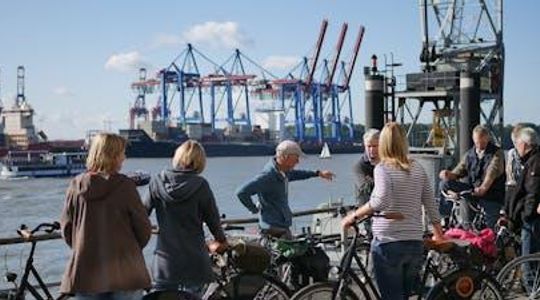 Tour with entry
Private guided bike tour along river Elbe in Hamburg
from $16.14


Other nearby places you may find interesting
The closest places of the same kind, if this one is not quite what you had in mind.
-
-
-
-
-


Swipe for more places
More to explore near Alter Elbtunnel

 Best experiences near Alter Elbtunnel
 Best hotels near Alter Elbtunnel
 Best landmarks near Alter Elbtunnel
 Best attractions near Alter Elbtunnel
 Best shops near Alter Elbtunnel
 Best restaurants near Alter Elbtunnel
 Best bars near Alter Elbtunnel
Do you manage this location?
Take control to get all the benefits, like improved information, better appearance, and stronger visibility across AI-powered discovery.
Explore more

Explore more of Hamburg
Discover Hamburg: A vibrant port city blending rich maritime heritage, eclectic neighborhoods, and cultural treasures, offering unforgettable experiences for every traveler.
Explore Hamburg
Explore more of Germany
Experience Germany: where history meets innovation, and urban energy blends with natural beauty. Discover diverse cultures, delicious cuisine, and stunning landscapes.
Explore Germany