

Bismarck Monument, Hamburg Travel Guide
Free Guide: Explore the colossal Bismarck Monument in Hamburg's Alter Elbpark: a historic tribute offering panoramic city views and a glimpse into Germany's imperial past, near St. Pauli Piers.


A brief summary of Bismarck Monument
Explore the colossal Bismarck Monument in Hamburg's Alter Elbpark: a historic tribute offering panoramic city views and a glimpse into Germany's imperial past, near St. Pauli Piers.
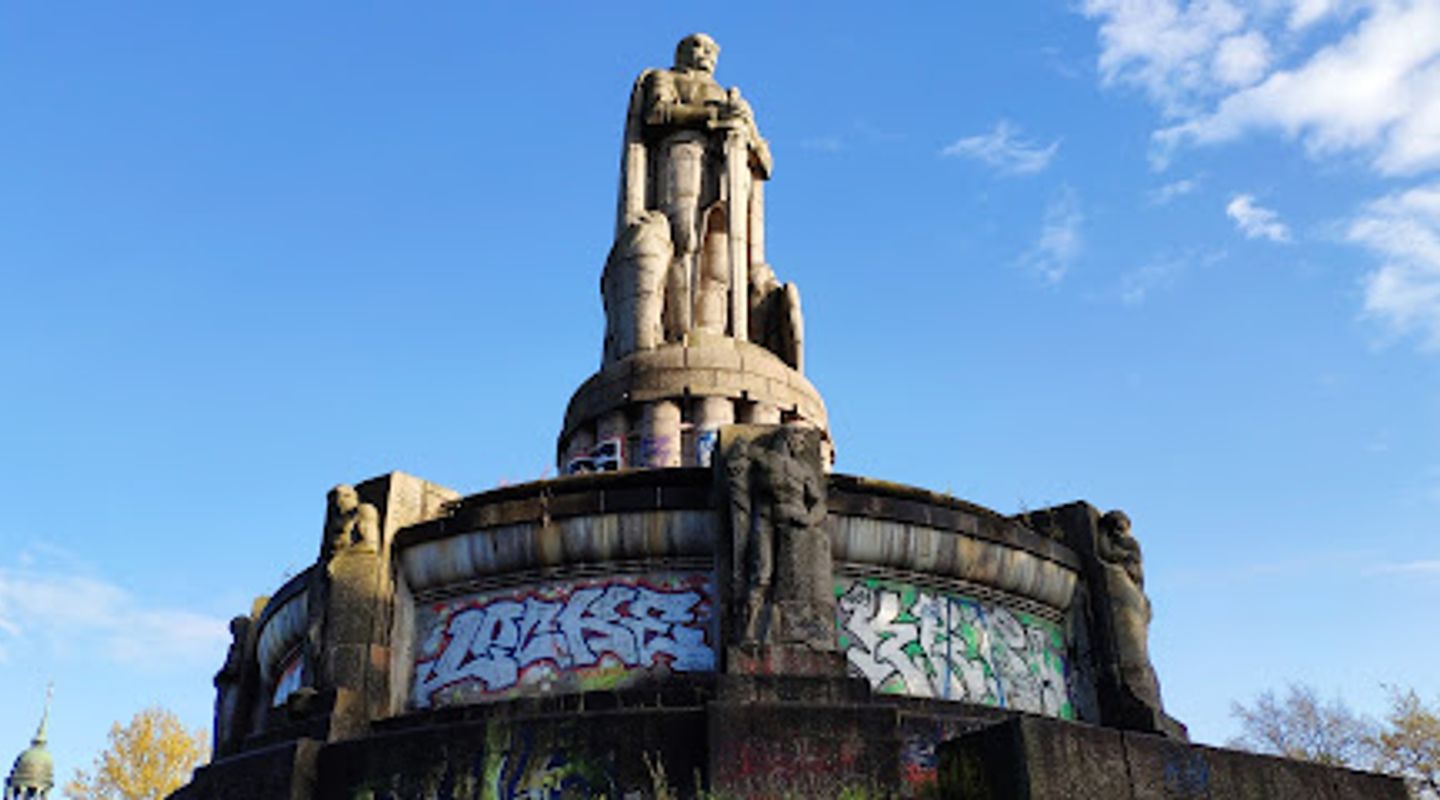
Dominating the Hamburg skyline, the Bismarck Monument is a colossal tribute to Otto von Bismarck, the first Chancellor of the German Empire. Erected between 1903 and 1906, this imposing granite structure stands 34 meters (112 feet) tall in the Alter Elbpark, offering panoramic views of the harbor and city. Designed by architect Johann Emil Schaudt and sculptor Hugo Lederer, the monument portrays Bismarck as a stern, resolute figure, embodying the strength and unity of the newly formed German nation. While the interior catacombs are inaccessible, the monument's sheer scale and historical significance make it a compelling landmark. A visit provides insight into Germany's imperial past and offers a striking photo opportunity, especially when combined with a stroll through the surrounding park and a visit to the nearby St. Pauli Piers.
Opening hours
- Every dayOpen 24 hours
Opening hours as listed on the venue’s Google Business Profile. Hours can change for services and special events, so check with the venue before you go.
- Address
- Seewartenstraße 4, 20459 Hamburg
- Website
Getting there
Public Transport
Walking
Taxi/Ride-Share
Ferry
Driving
Discover more about Bismarck Monument
Overview
The Bismarck Monument in Hamburg is a towering testament to Otto von Bismarck, the “Iron Chancellor” who unified Germany in 1871. Located in the St. Pauli quarter, within the Alter Elbpark, the monument stands as one of the most recognizable landmarks in the city, visible from the harbor and various vantage points. Its construction, initiated shortly after Bismarck's death in 1898, reflects the fervent nationalism and hero-worship prevalent in late 19th and early 20th-century Germany. The monument's design was the result of a competition won by architect Johann Emil Schaudt and sculptor Hugo Lederer. Construction spanned from 1903 to 1906, costing a substantial 500,000 Goldmarks. The result was a colossal granite structure, approximately 34 meters (112 feet) in height and weighing around 600 tons, making it the largest Bismarck monument in the world. The statue depicts Bismarck as a commanding figure, clad in armor and wielding a sword, symbolizing his strength and resolve. The monument's base is adorned with reliefs depicting scenes from German history and allegorical figures representing German virtues. The monument is more than just a statue; it's an architectural statement. The base features a multi-tiered rotunda, originally intended to house a crypt-like space. This space was later converted into an air-raid shelter during World War II, offering refuge to hundreds of people. The catacombs beneath the monument are no longer accessible to the public due to safety concerns, adding an element of mystery to the site. Legends persist about hidden tunnels and Nazi-era inscriptions within the structure, further fueling its enigmatic appeal. The location of the Bismarck Monument is significant. Perched atop the Elbhöhe, it offers sweeping views of the Hamburg harbor, the Elbe River, and the bustling cityscape. The surrounding Alter Elbpark provides a green oasis, inviting visitors to stroll, relax, and contemplate the monument's historical context. The park itself has undergone revitalization efforts, enhancing its appeal as a recreational space. Visiting the Bismarck Monument is a journey into German history and art. While the interior is closed, the exterior offers a powerful visual experience. The sheer scale of the monument is awe-inspiring, and the intricate details of the sculptures and reliefs are worth close examination. The monument's location provides a unique perspective on Hamburg, connecting the city's maritime heritage with its political past. The monument's historical context is complex. Bismarck, while revered for unifying Germany, was also a controversial figure. His policies often marginalized minority groups and suppressed dissent. The monument, therefore, represents a specific interpretation of history, reflecting the values and aspirations of the German Empire. Understanding this context is crucial for a nuanced appreciation of the monument's significance. Today, the Bismarck Monument remains a popular tourist attraction and a symbol of Hamburg. It serves as a reminder of Germany's past, its triumphs, and its tragedies. The monument's imposing presence continues to spark debate and reflection, making it a vital part of Hamburg's cultural landscape. To fully appreciate the Bismarck Monument, consider combining your visit with other nearby attractions. The St. Pauli Piers (Landungsbrücken) are a short walk away, offering harbor tours and access to other parts of the city. The Old Elbe Tunnel (Alter Elbtunnel) provides a unique underground passage beneath the Elbe River. The Reeperbahn, Hamburg's famous red-light district, is also nearby, offering a glimpse into the city's vibrant nightlife. The Bismarck Monument is easily accessible by public transportation. The Landungsbrücken U-Bahn and S-Bahn station is the closest stop, from which it's a short uphill walk to the monument. Alternatively, buses serve the area, providing convenient access from other parts of the city. The monument's location within the Alter Elbpark makes it an ideal destination for a leisurely afternoon. Pack a picnic, enjoy the views, and immerse yourself in the history and culture of Hamburg. The Bismarck Monument is more than just a statue; it's an experience that will leave you with a lasting impression of this dynamic city. While visiting, take note of the ongoing revitalization efforts in the surrounding park. These improvements aim to enhance the visitor experience and preserve the monument for future generations. The Bismarck Monument is a living monument, constantly evolving and adapting to the changing needs of the city. In conclusion, the Bismarck Monument is a must-see attraction for anyone visiting Hamburg. Its colossal scale, historical significance, and stunning location make it a truly unforgettable landmark. Whether you're a history buff, an architecture enthusiast, or simply looking for a unique photo opportunity, the Bismarck Monument will not disappoint. It stands as a powerful symbol of Hamburg's past, present, and future.
Evendo Review Centre
 Google
Guest reviews
Explore Bismarck Monument on the map
A handpicked selection of must-see spots near Bismarck Monument, mapped for you.
Get your free copy of our complete guide to Bismarck Monument, delivered straight to you.
Everything on this page, from opening hours and how to get there to Eve’s tips and the best time to go, in one PDF you can read offline, print or share.
Already have an account? Sign in
Your Bismarck Monument guide is ready.
We'll send it to · Not you? Sign out

Getting your guide ready…
We are putting together a fresh copy of the Bismarck Monument guide. This can take up to a minute.
This can take a few moments. If your browser asks, choose Allow so the download can start. You'll find the guide in your Downloads folder.
Nothing happened? Download it again
Sorry, the guide is taking longer than usual. Please try again in a minute, or get it by email instead.
Unlock the best of Bismarck Monument
Skip-the-line tickets, guided tours with entry, and walking tours of the area, booked in a few clicks.


Other nearby places you may find interesting
The closest places of the same kind, if this one is not quite what you had in mind.
-
-
-
-
-


Swipe for more places
More to explore near Bismarck Monument

 Best experiences near Bismarck Monument
 Best hotels near Bismarck Monument
 Best landmarks near Bismarck Monument
 Best attractions near Bismarck Monument
 Best shops near Bismarck Monument
 Best restaurants near Bismarck Monument
 Best bars near Bismarck Monument
Do you manage this location?
Take control to get all the benefits, like improved information, better appearance, and stronger visibility across AI-powered discovery.
Explore more

Explore more of Hamburg
Discover Hamburg: A vibrant port city blending rich maritime heritage, eclectic neighborhoods, and cultural treasures, offering unforgettable experiences for every traveler.
Explore Hamburg
Explore more of Germany
Experience Germany: where history meets innovation, and urban energy blends with natural beauty. Discover diverse cultures, delicious cuisine, and stunning landscapes.
Explore Germany
