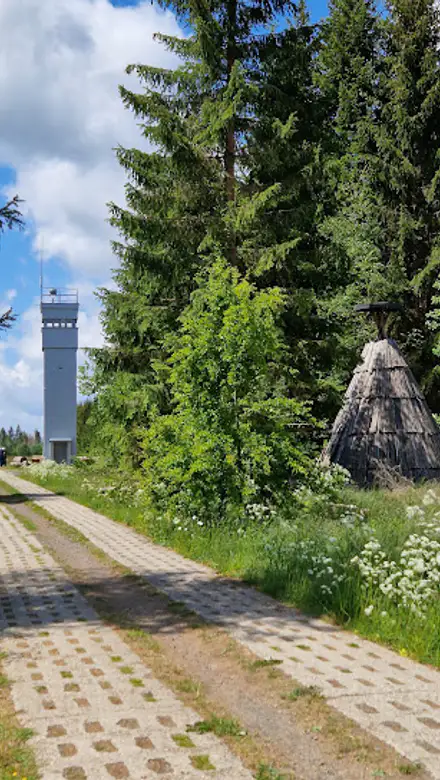
Ring der Erinnerung Travel Guide
Free Guide: Reflect on German history and the cycle of life at the Ring der Erinnerung, a land art memorial on the former East-West border near Sorge in the Harz Mountains, offering a poignant and contemplative experience.


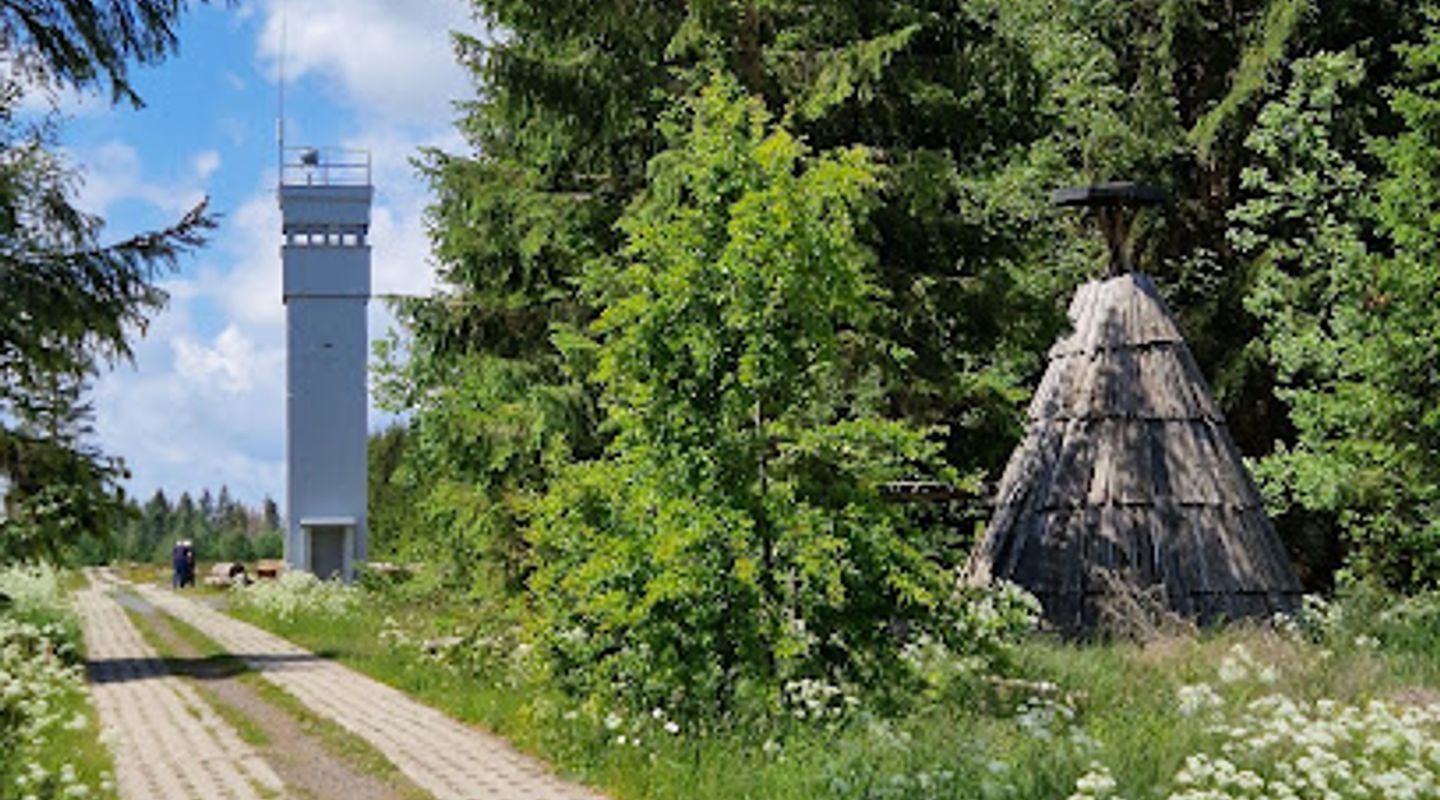
A brief summary of Ring der Erinnerung
Reflect on German history and the cycle of life at the Ring der Erinnerung, a land art memorial on the former East-West border near Sorge in the Harz Mountains, offering a poignant and contemplative experience.
The Ring der Erinnerung (Ring of Remembrance) near Sorge is a poignant land art installation marking the former German-German border. Created in 1993 by Hermann Prigann, this circular monument uses deadwood to symbolize both the division and reunification of Germany. The 70-meter diameter ring sits directly on the former 'death strip,' with remnants of the border fence within. As the wood decays, new life emerges, representing the transient nature of borders and the enduring cycle of life. Located within the Grenzlandschaft Sorge (Sorge Border Landscape) and near the Freiland-Grenzmuseum, it offers a space for reflection on history, nature, and the environment. Visitors can explore the ring and the surrounding area, including the Grenzmuseum, to gain a deeper understanding of Germany's divided past. The site is freely accessible and open year-round, providing a unique and contemplative experience.
Opening hours
- Every dayOpen 24 hours
Opening hours as listed on the venue’s Google Business Profile. Hours can change for services and special events, so check with the venue before you go.
- Address
- 38875 Sorge
Getting there
Driving
Public Transport
Walking
Discover more about Ring der Erinnerung
Overview
The Ring der Erinnerung, or Ring of Remembrance, stands as a powerful and evocative memorial in the Grenzlandschaft Sorge, near the village of Sorge in the Harz region of Germany. This unique land art installation, created by landscape artist Hermann Prigann in 1993, marks the location of the former inner-German border, a stark reminder of Germany's division during the Cold War era. The ring itself is a large circular structure, approximately 70 meters in diameter, constructed from piled-up deadwood logs. This choice of material is deeply symbolic, representing both the decay and destruction caused by division, as well as the potential for new life and growth. The ring sits directly on the former 'death strip,' the heavily fortified area that separated East and West Germany. Walking around and within the ring, visitors can't help but contemplate the impact of this division on the landscape and the lives of those who lived near it. Inside the ring, five pillars of the old border fence protrude from the ground, serving as tangible reminders of the physical barrier that once existed. These remnants of the past stand in stark contrast to the natural surroundings, highlighting the artificiality and destructiveness of political borders. Over time, the deadwood of the ring decomposes, returning to the earth. However, this decay is not an end but a beginning. New shoots sprout from the seemingly lifeless material, filling the ring with fresh greenery. This cycle of decay and rebirth symbolizes the inexorable and transient nature of borders, as well as the resilience of life and the possibility of renewal. The Ring der Erinnerung is more than just a historical marker; it is a place for reflection and contemplation. The monument invites visitors to consider the relationship between nature, history, and the environment. It encourages us to remember the past, learn from it, and work towards a future where such divisions no longer exist. The location of the Ring der Erinnerung within the Grenzlandschaft Sorge adds another layer of significance to the site. The Grenzlandschaft, or border landscape, is an area that has been shaped by its history as a border zone. The landscape is characterized by forests, fields, and meadows, as well as remnants of the border fortifications. Exploring the Grenzlandschaft allows visitors to gain a deeper understanding of the impact of the division on the environment and the people who lived there. Adjacent to the Ring der Erinnerung is the Freiland-Grenzmuseum, an open-air border museum that further explores the history of the inner-German border. The museum features original sections of the border fence, watchtowers, and other installations, providing a tangible glimpse into the past. Together, the Ring der Erinnerung and the Freiland-Grenzmuseum offer a comprehensive and moving experience for visitors interested in learning about Germany's divided history. The Ring der Erinnerung is accessible year-round and is free to visit. The site is located near the village of Sorge, which can be reached by car or public transportation. Visitors can park near the Grenzmuseum and walk to the ring. The walk is relatively easy and takes about 10-15 minutes. Visiting the Ring der Erinnerung is a powerful and thought-provoking experience. It is a place to remember the past, reflect on the present, and consider the future. The monument serves as a reminder of the importance of peace, understanding, and reconciliation. It is a must-see destination for anyone interested in German history, land art, or simply seeking a place for quiet contemplation. The atmosphere surrounding the Ring der Erinnerung is one of solemnity and reflection. The quiet rustling of leaves, the creaking of the decaying wood, and the distant views of the Harz Mountains create a sense of peace and tranquility. It is a place where visitors can connect with nature, contemplate history, and find inspiration for the future. The Ring der Erinnerung is not just a monument; it is a living, breathing work of art that continues to evolve over time. As the wood decays and new life emerges, the ring serves as a constant reminder of the cyclical nature of life and the enduring power of hope. It is a place where the past and the present meet, where memory and hope intertwine, and where visitors can find meaning and inspiration. Whether you are a history buff, an art enthusiast, or simply someone seeking a place for quiet reflection, the Ring der Erinnerung is sure to leave a lasting impression. It is a place that will stay with you long after you have left, reminding you of the importance of peace, understanding, and the enduring power of the human spirit.
Evendo Review Centre
 Google
Guest reviews
Explore Ring der Erinnerung on the map
A handpicked selection of must-see spots near Ring der Erinnerung, mapped for you.
Get your free copy of our complete guide to Ring der Erinnerung, delivered straight to you.
Everything on this page, from opening hours and how to get there to Eve’s tips and the best time to go, in one PDF you can read offline, print or share.
Already have an account? Sign in
Your Ring der Erinnerung guide is ready.
We'll send it to · Not you? Sign out

Getting your guide ready…
We are putting together a fresh copy of the Ring der Erinnerung guide. This can take up to a minute.
This can take a few moments. If your browser asks, choose Allow so the download can start. You'll find the guide in your Downloads folder.
Nothing happened? Download it again
Sorry, the guide is taking longer than usual. Please try again in a minute, or get it by email instead.
Other nearby places you may find interesting
The closest places of the same kind, if this one is not quite what you had in mind.
-
-
-
-
-


Swipe for more places
More to explore near Ring der Erinnerung

 Best experiences near Ring der Erinnerung
 Best hotels near Ring der Erinnerung
 Best landmarks near Ring der Erinnerung
 Best attractions near Ring der Erinnerung
 Best shops near Ring der Erinnerung
 Best restaurants near Ring der Erinnerung
 Best bars near Ring der Erinnerung
Do you manage this location?
Take control to get all the benefits, like improved information, better appearance, and stronger visibility across AI-powered discovery.
Explore more

Explore more of Harz Mountains
Discover the Harz Mountains: Germany's enchanting blend of natural beauty, medieval charm, and mystical folklore.
Explore Harz Mountains
Explore more of Germany
Experience Germany: where history meets innovation, and urban energy blends with natural beauty. Discover diverse cultures, delicious cuisine, and stunning landscapes.
Explore Germany